REVIEW · DUBLIN
Wicklow Historic Gaol: 1-Hour Tour
Book on GetYourGuide →Operated by Wicklow's Historic Gaol · Bookable on GetYourGuide
Spiral stairs, dark secrets, and real stories. This is a one-hour visit to Wicklow Historic Gaol where you’re taken from the Gates of Hell down through the prison museum, with guides bringing 18th-century prison life to focus. It’s not just rooms and objects; it’s a guided walk that turns the facts into scenes you can picture, right in County Wicklow.
One thing I really like is how the tour mixes human stories with specific details, including how prisoners received basic education and how the guide talks about the crimes, punishment, and daily reality of incarceration. Another strong point: the place leans hard into atmosphere, with tools like lifelike mannequins and video/hologram-style moments that help you “see” what the guide is explaining.
One drawback to keep in mind: if you’re counting on any extra app-based immersive elements, there’s at least one report that the app didn’t work on arrival. The tour still functions as a museum experience with guidance and displays, but it’s worth being flexible about tech.
In This Review
- Key highlights worth planning around
- Entering Wicklow’s Gaol: From the Ticket Desk to the Gates of Hell
- Down the Spiral Staircase: Where the Prison Museum Changes the Mood
- Prison Life, Crimes, and Punishments: Learning Without the Dry Lecture
- Famous Prisoners, the Gallows, and the Cost of Being Accused
- Paranormal Talk and “What You’re Seeing” Moments
- The Quiz, the Special Release Form, and Staying Engaged
- English Audio Support and How the Tour Moves
- Price and Value: Is $14 a Good Deal for One Hour?
- Parking, Café Stop, and What to Do After
- Who Should Book This Wicklow Gaol Tour?
- Should You Book the Wicklow Historic Gaol 1-Hour Tour?
- FAQ
- How long is the Wicklow Historic Gaol 1-hour tour?
- Where do I start the tour?
- Is there an audio guide available?
- What is included in the price?
- Is meals and drinks included?
- Is there parking and a café on-site?
Key highlights worth planning around
- A matron or jailer greeting that sets the tone before you even enter the gaol
- The descent down a narrow spiral staircase early in the tour, so you start feeling the setting fast
- Prison details you can’t ignore, including crimes, torture methods, and how many prisoners were held there
- Stories tied to famous prisoners and executions at the gallows
- Paranormal questions encouraged, with accounts presented alongside video-style and figure displays
- A kid-friendly quiz and a possible special release form for good conduct
Entering Wicklow’s Gaol: From the Ticket Desk to the Gates of Hell
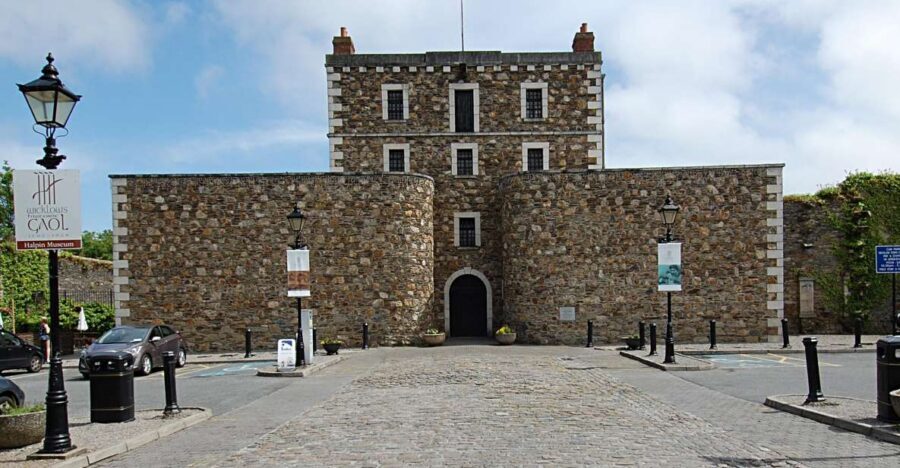
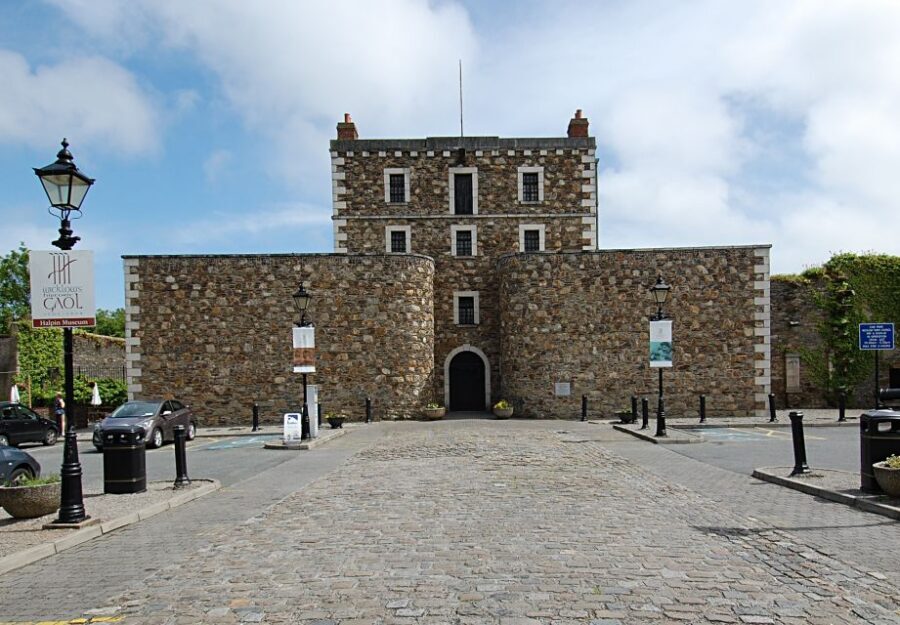
Start at the ticket desk at Wicklow Gaol, then you’ll be greeted by either the matron or the jailer. That simple front-door moment matters, because it frames the visit as more than a walk-through museum. From there, you step through the Gates of Hell, which is basically the experience telling you what kind of place you’re entering: serious history, delivered with theatre.
This tour is “partially guided,” so you’ll get a guide’s storytelling in the key sections, while the museum’s displays and audio support help fill in the rest. If you want a structured visit that keeps you moving (and stops you from getting lost in labels), this format is a good fit.
Also, the length is refreshingly honest: plan on about an hour. That’s long enough to get meaningful context, but short enough that it doesn’t turn into a slog.
You can also read our reviews of more historical tours in Dublin


Down the Spiral Staircase: Where the Prison Museum Changes the Mood
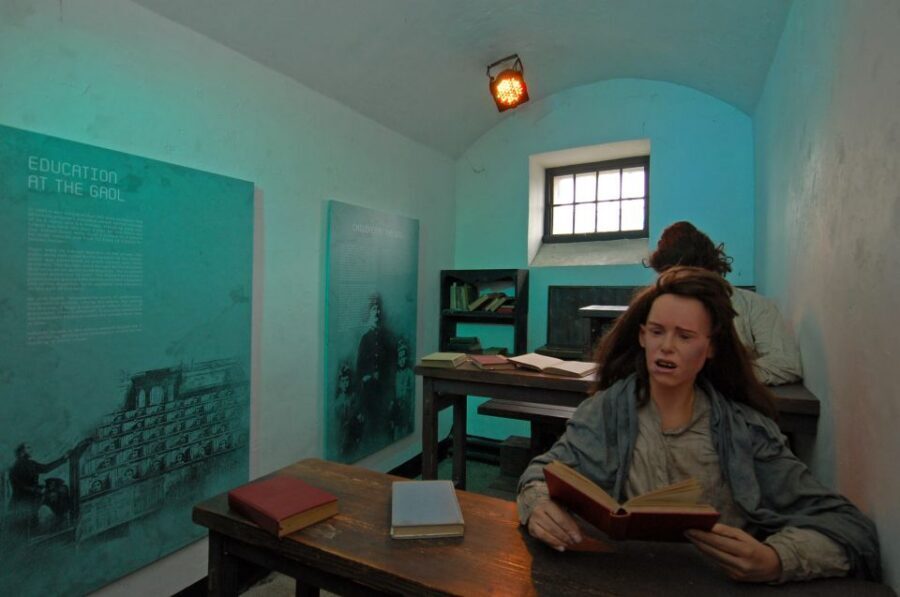
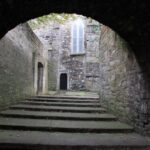
Within the first stretch, you’ll descend down a narrow spiral staircase. It’s a small detail on paper, but in practice it’s one of the best ways to make a prison setting feel real: your body slows down, you’re surrounded by stone-like confines, and the guide’s words land differently.
As you go deeper, the guide covers the jail’s history and what conditions were like during the turbulent 18th-century period in Irish history. You’ll hear practical, specific content—how many prisoners were held in Wicklow, the crimes they committed, and torture methods used on inmates. That’s not gentle material. If you’re sensitive to violence or historical cruelty, this is the point where you’ll feel it most.
The upside is clarity. Instead of vague “people suffered” statements, the tour focuses on what was done, why, and how incarceration functioned as part of wider conflict and control.
Prison Life, Crimes, and Punishments: Learning Without the Dry Lecture
This is where the tour becomes genuinely educational. Prison life isn’t just described as bleak. You also learn the structure of it—how prisoners were managed, what they were accused of, and how punishment worked in practice.
Two things I found especially useful for a visitor:
- You get tangible context (numbers of prisoners, types of crimes, and the methods used). That helps you understand the scale rather than treating it like one-off horror stories.
- You learn about education inside the prison, including that prisoners received basic education. That detail is easy to miss in many prison-museum narratives, and it adds a layer that makes the history feel more human, not just brutal.
Because the tour includes both guided explanations and museum media (videos and holograms-style elements are mentioned), you’re not stuck listening the whole time. You’ll also have moments where you can take in the displays, then turn back to the guide’s stories.
Famous Prisoners, the Gallows, and the Cost of Being Accused
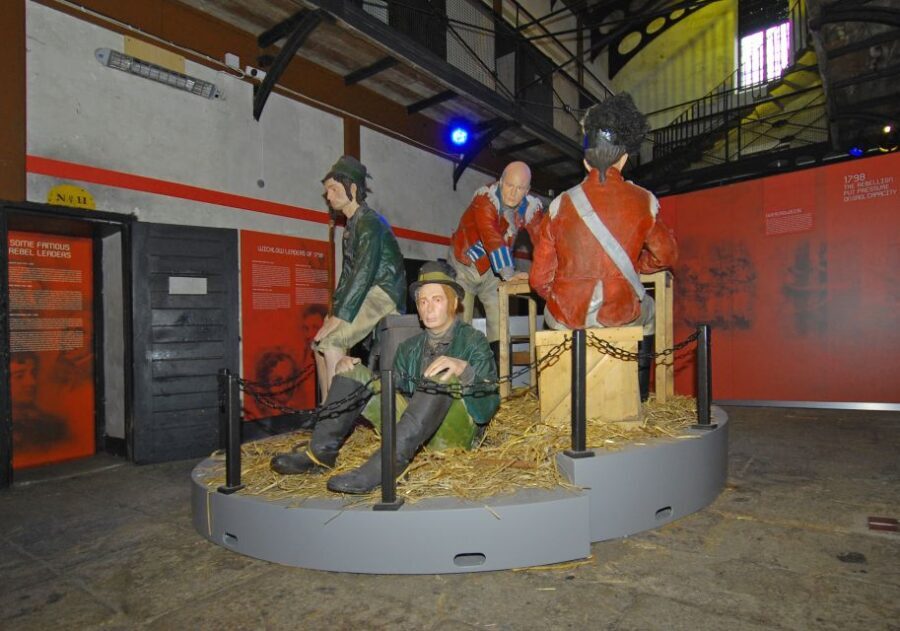
Another highlight is the way the tour connects the Wicklow Gaol story to recognizable, memorable individuals—famous prisoners housed at Wicklow and their executions at the gallows. If you like history that has names attached, this is the section that tends to stick in your head.
The gallows component is inherently intense, and the tour doesn’t pretend otherwise. But the payoff is perspective: you see how incarceration and execution were not separate worlds. They were connected steps in the same system of justice and power in that turbulent time.
If you’re doing this on a day when you’re also seeing other historic sites, you might want to pace yourself mentally. This one is heavy, by design.
Paranormal Talk and “What You’re Seeing” Moments
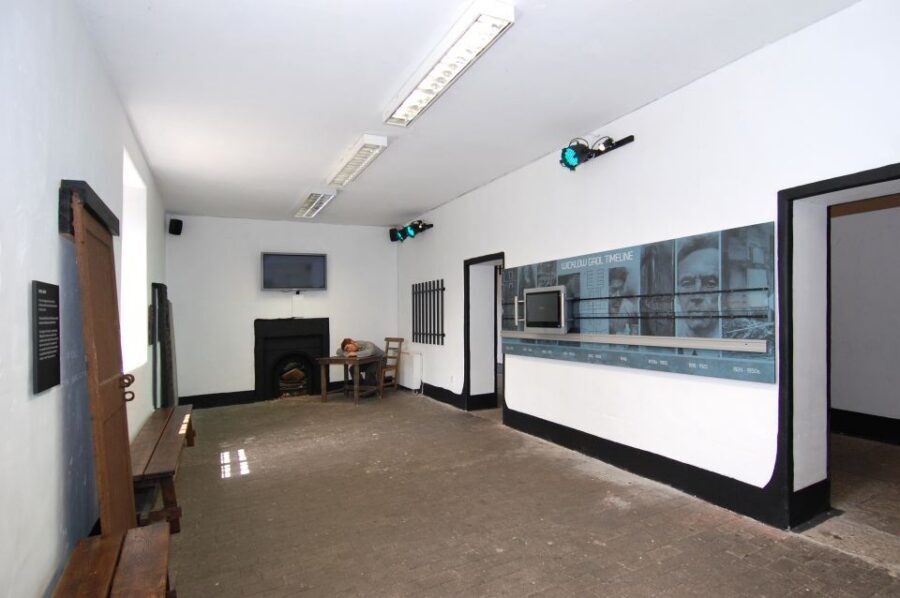
Yes, there’s a paranormal element. During your walk, you can ask your guide about accounts of paranormal activities, and the tour uses videos, holograms, and lifelike mannequins to bring inmate experiences to life.
This isn’t a replacement for historical explanation—it’s layered on top. You’re still in a museum format, and the paranormal side is treated like part of the tradition and storytelling around the space.
Here’s how I’d handle it if you’re practical-minded: use it as an angle to keep engaged, but don’t let it steer your expectations away from the real historical content. The value of this tour is that you leave knowing how the gaol worked, not just wondering what might happen in the dark.
A few more Dublin tours and experiences worth a look




The Quiz, the Special Release Form, and Staying Engaged
If you’re traveling with kids (or anyone who learns better through participation), this tour includes a fun quiz as you make your way around the museum. It’s checked at the end, so it also gives younger visitors a finish line.
There’s also a “good conduct” element: if you’ve behaved well during the tour, the jailer decides whether you’re lucky enough to receive a special release form. That kind of small, playful incentive turns a heavy subject into something that feels manageable—especially for families who want history without total gloom.
Even if you’re not traveling with children, it can be a nice reminder that the tour is built to keep attention on the route and facts, not just on shock.
English Audio Support and How the Tour Moves
An English audio guide is included, which is helpful if you want extra support while the guide is speaking or if you want to re-check a section in your head afterward.
Because the tour is partially guided, the pacing is a mix of:
- moving through prison spaces (including the spiral staircase),
- hearing the guide’s story at key points,
- and absorbing museum media (videos/holograms/mannequins).
One practical note from real-world experience: there can be a chance that any app-style immersive layer won’t run smoothly. If that happens, don’t panic. The tour still gives you plenty through the guide and the museum displays.
Price and Value: Is $14 a Good Deal for One Hour?
At $14 per person for a one-hour tour, the value is mostly in what’s included: museum entrance fees. You’re also getting a guided component and English support.
A good way to think about it: you’re paying for access plus interpretation. If you just wander a prison museum alone, you’ll catch facts, but you’ll miss the connective tissue—how the guide ties crimes, punishment, and historical turbulence together. That guiding layer is where the money tends to make sense.
Then add two useful money savers on-site:
- Three hours of free parking directly in front of the jail
- 10% off the on-site café, Jailers Rest
Also, the tour length matters. An hour is easy to fit into a day in Wicklow Town without turning your whole afternoon into “museum time.” If rain hits, this kind of indoor, story-led stop is exactly what you want.
Parking, Café Stop, and What to Do After
Parking is practical: you get three hours of free parking right in front. That’s a real advantage in Wicklow Town, where you don’t want to burn time hunting for spots while the day gets away from you.
When you’re done, you can take a break at Jailers Rest. There’s a 10% discount for the café, and it’s a straightforward place to refuel after a dark, intense hour. If you’re planning a longer day, I like pairing this with something lighter afterward, because the subject matter can sit in your mind for a while.
If you’re in the mood for something spookier, there’s also mention of a haunted tour option at night. You’ll want to check availability when you’re there, but it’s a good reminder: this site can take different “modes” depending on the time of day.
Who Should Book This Wicklow Gaol Tour?
Book it if you want a short, focused history experience that doesn’t stay abstract. You’ll like it if you enjoy:
- prison history with strong storytelling,
- specific details about crimes and punishment,
- famous prisoners and gallows executions,
- and museum displays that help you visualize what you’re being told.
You might want to think twice if you’re highly sensitive to violence and torture-related history. This is not a gentle family outing in the way a playful attraction might be. That said, the tour does include a kid quiz and the staff format suggests they can handle families—just be ready for serious content.
Should You Book the Wicklow Historic Gaol 1-Hour Tour?
Yes, I’d book it if you’re in County Wicklow and want a structured, one-hour stop that combines real historical context with an atmospheric museum setting. The price is fair for what you get—especially with museum entry fees included and English audio support.
Before you go, do two practical things:
- Plan emotionally for the heavy parts—torture methods and executions are part of the experience.
- Stay flexible about app tech if you’re tempted to rely on extras beyond the guide and displays.
If you want a fast, memorable history stop in Wicklow Town, this is a strong pick.
FAQ
How long is the Wicklow Historic Gaol 1-hour tour?
The tour is listed as a 1-hour experience, with times that vary by the day you book.
Where do I start the tour?
You start at the ticket desk at Wicklow Gaol.
Is there an audio guide available?
Yes. An English audio guide is included.
What is included in the price?
The price includes museum entrance fees.
Is meals and drinks included?
No. Meals and drinks are not included.
Is there parking and a café on-site?
There is three hours of free parking directly in front of the jail. There’s also an on-site café, Jailers Rest, with a 10% discount available.