REVIEW · DUBLIN
Dublin: Jeanie Johnston Tall Ship Irish Famine History Tour
Book on GetYourGuide →Operated by Jeanie Johnston Famine Museum · Bookable on GetYourGuide
A ship tour that tells hard truths. On the Jeanie Johnston in Dublin, you get a guided walk that turns the Irish famine migration into something you can see, stand in, and picture. I especially like the Docklands views from the top deck and the way the tour forces you to confront what cramped travel really meant for emigrants. One thing to consider first: this is a ship experience with stairs and tight spaces.
Because it’s a tall ship, it’s not built for comfort if you have limited mobility. If you use a wheelchair, this one isn’t suitable, and even able-bodied visitors should plan for uneven footing and climbs.
In This Review
- Key takeaways before you go
- Why the Jeanie Johnston tour belongs on your Dublin day
- Upper deck: masts, craftsmanship, and Dublin Docklands in one hour
- Tall-ship trade in the 19th century (and why it sets context fast)
- Below deck: cramped living quarters and the reality of time at sea
- Passenger and crew stories that hit harder than a textbook
- How the 50 minutes move: enough time to feel it, not enough to get tired
- Price and value: what $16 gets you in Dublin
- Meeting point, what to expect, and how to plan your stop
- Should you book the Jeanie Johnston famine history tour?
- FAQ
- How long is the Dublin Jeanie Johnston Tall Ship Irish Famine History Tour?
- Where does the Jeanie Johnston tour start?
- Is the tour guided or self-guided?
- What should I wear or bring?
- Is hotel pickup or drop-off included?
- Is the tour wheelchair accessible?
- Is it okay for people with limited mobility?
- Can I get a refund if my plans change?
Key takeaways before you go
- A tall ship setting that feels real: Walk the upper deck with the masts and craftsmanship in front of you, not behind glass.
- Docklands from a different angle: You’ll take in Dublin’s North Dock area from a perspective most people never see.
- Below-deck housing, explained clearly: You’ll view how up to 250 passengers shared cramped living quarters.
- Famine emigration made personal: The guide focuses on passenger and crew stories, including how people paid for crossing.
- A photo moment with context: The ship is one of the area’s most photographed attractions, and you’ll get time to capture it.
- Tight timing that works: At about 50 minutes, it’s long enough to matter, short enough to fit your day.
Why the Jeanie Johnston tour belongs on your Dublin day
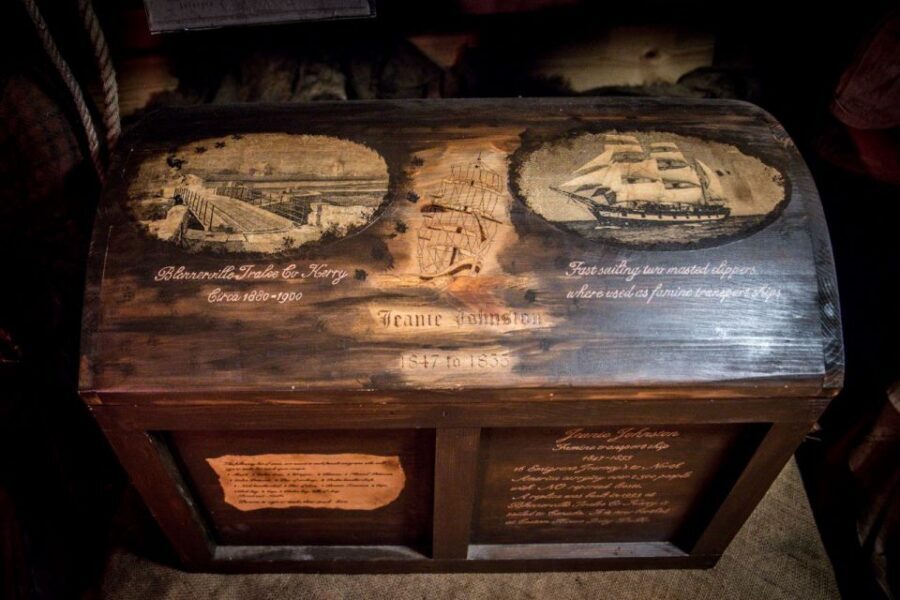
The Jeanie Johnston isn’t just a ship you walk past on a Dublin quayside. It’s built as a guided experience about the Irish famine years and what emigration looked like on a vessel designed for survival, not comfort.
You’re told the big scale first: around one million Irish people fled during the famine. Then the tour narrows to the Jeanie Johnston specifically, with about 2,500 people taking the gruelling voyage on this ship. That shift matters. It takes a huge historical event and gives you a human-scale way to understand it.
And you don’t just hear dates. You move between decks. That physical change is part of the storytelling. Up top, you feel like you’re in the era of tall-ship travel. Below, you’re shown the reality of limited air, tight quarters, and the daily rhythm of passengers waiting out a long ocean crossing.
You can also read our reviews of more historical tours in Dublin


Upper deck: masts, craftsmanship, and Dublin Docklands in one hour
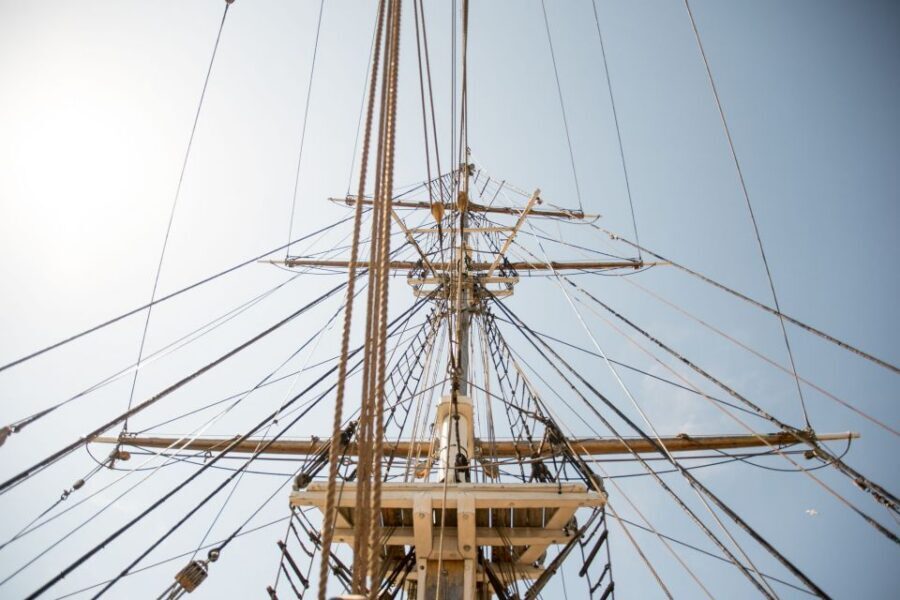
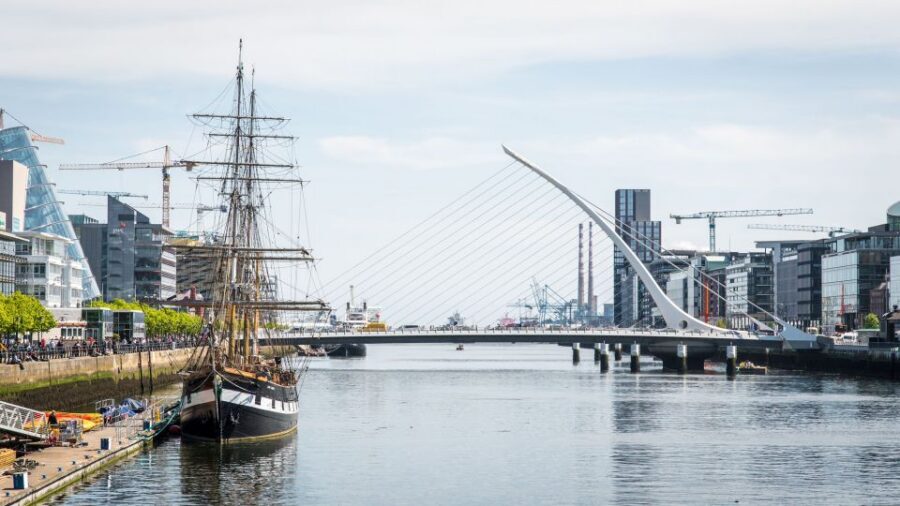
The tour starts at the ship itself: Jeanie Johnston Tallship at City Moorings, Custom House Quay, Dublin 1. Plan for a direct, ship-focused start. There’s no big “museum introduction” here before you get moving.
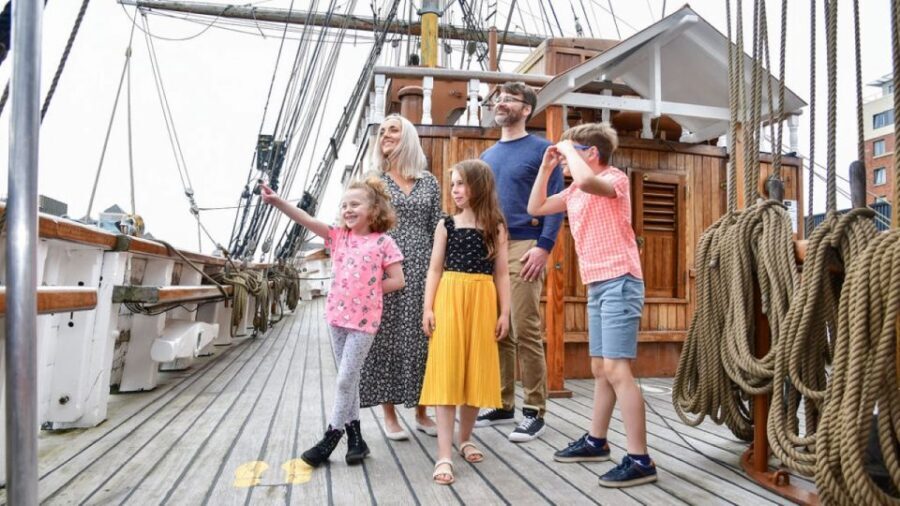
On the upper deck, your guide typically begins with the ship’s design and history—especially the masts and craftsmanship that make a tall ship feel like more than a backdrop. You’ll also learn why this story matters for Irish emigration: the replica is tied to the original Jeanie Johnston, and you’ll hear about how the replica came to be built, along with how the original ship changed careers over time (from transporting timber to carrying people).
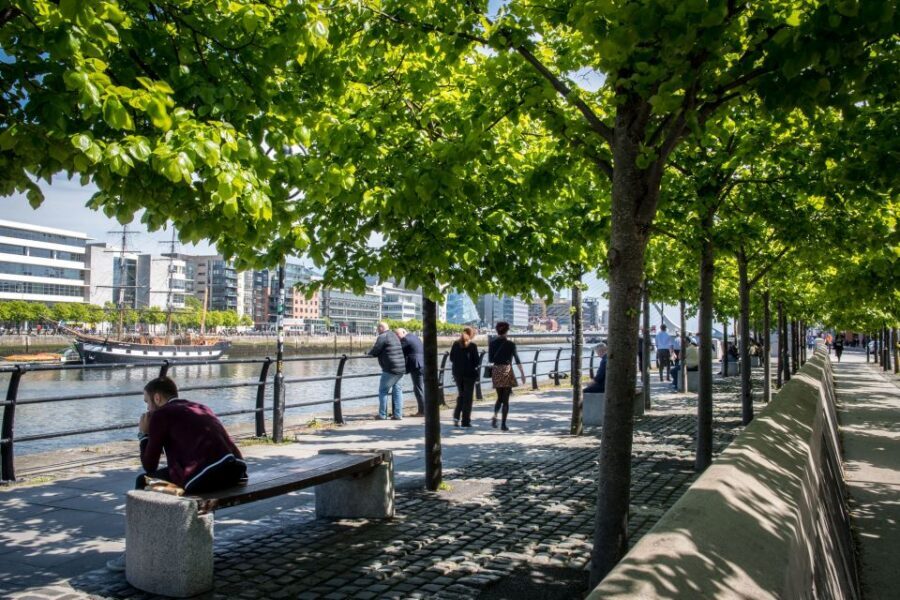
This is also where you get your Dublin Docklands moment. You’re looking outward as you listen. Gulls call overhead. Salt-air wind can be part of the experience, depending on the day. The guide uses the waterfront setting to help you picture what travel and arrival felt like.
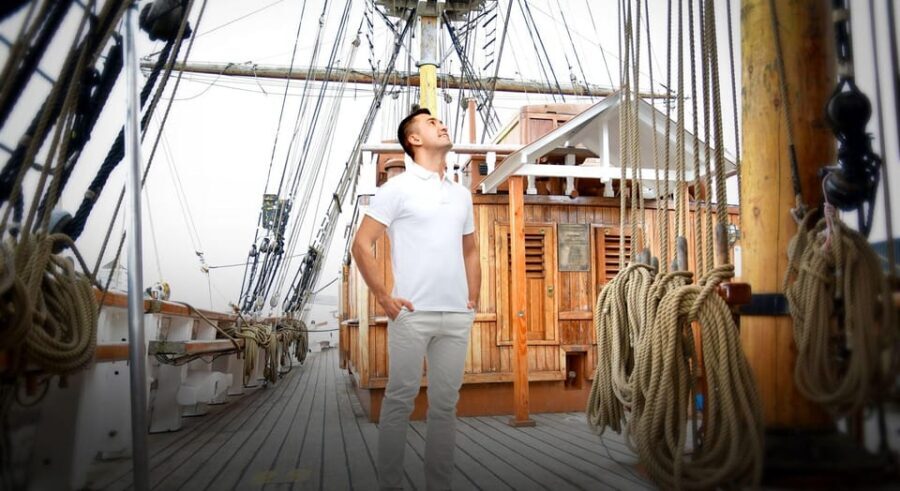
One of the practical bonuses: you’ll get a snap of yourself at one of the area’s most photographed attractions. That’s not a random “stand here” stop. It fits the theme. Tall ships were iconic then, and the Jeanie Johnston is still an attention-grabber now. So you end up with a photo that matches the story rather than fighting it.
Tall-ship trade in the 19th century (and why it sets context fast)
The Jeanie Johnston tour doesn’t operate in a vacuum. You’ll hear about the broader tall-ship and shipping trade in the 19th century. That matters because emigrants weren’t just swept into hardship by chance. They were part of a wider maritime system that moved cargo and people across oceans.
This context is one of the best parts of the upper-deck segment because it turns the ship into a link. The guide connects the mechanics of sailing, the kind of vessels in use, and the economic realities behind long voyages. Even if you already know the famine basics, you’ll usually come away with a clearer sense of how people actually ended up on ships and why ocean travel worked the way it did.
If you like history with cause-and-effect, this section is your friend.
Below deck: cramped living quarters and the reality of time at sea
The tone changes when you go below deck. This is where the tour leans hardest into “picture what it was like.”
You’ll see the cramped living quarters that up to 250 passengers shared. The tour is explicit about how little fresh air people got—only emerging for about half an hour each day. That detail helps you understand why conditions weren’t just uncomfortable; they were limiting and demoralizing in a way that shaped health and mood during the voyage.
The guide also helps you make sense of daily life on board. You’ll hear what passengers ate, how they paid for their crossing, and how people passed the time during the crossing. That’s a key emotional trick: after the grim facts, you’re shown how families and individuals tried to get through the hours anyway.
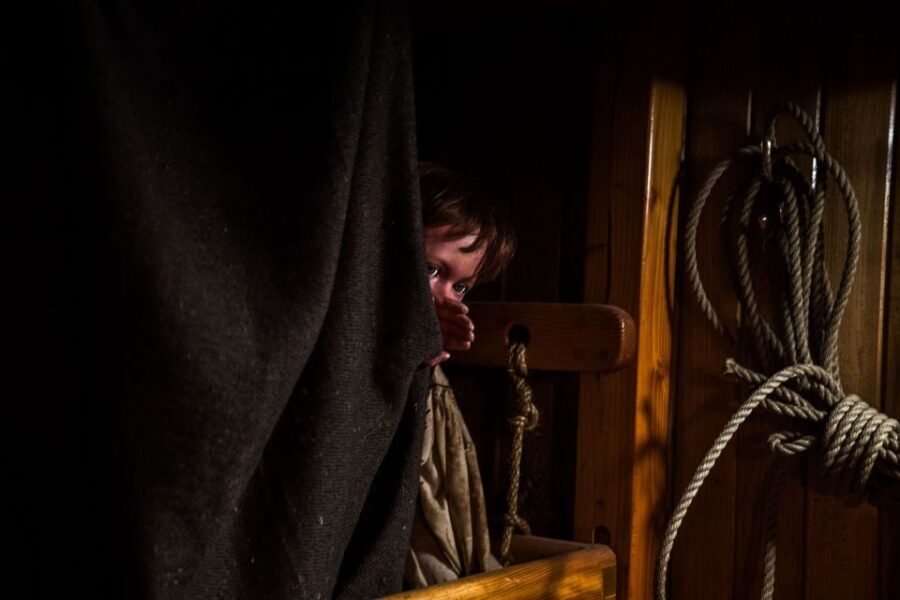
You may also encounter visual figures and staged scenes on board as part of the interpretation. In one feedback note, a family mentioned mannequins on the ship. If you’re bringing kids, it’s smart to know that visual elements can feel intense at first, even when the tour is handled sensitively.
Passenger and crew stories that hit harder than a textbook
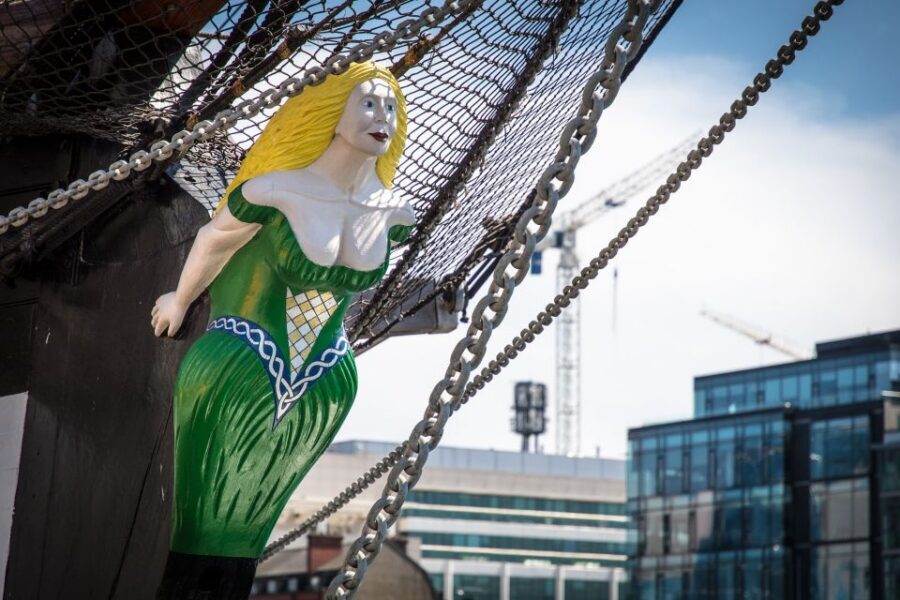
A large part of the Jeanie Johnston experience is hearing personal stories tied to passengers and crew. The tour doesn’t treat emigrants as a single statistic. It makes the journey specific.
You’ll hear what people faced during the crossing: the risks from disease, starvation, and disaster. The conditions are described as grim and cramped, and that matters because the fear people carried wasn’t just abstract. It was tied to the physical constraints you can see as you stand below deck.
And then the tour brings in the question of outcomes. You’ll learn what fates awaited emigrants at their destination. This gives the story a shape: departure, hardship, arrival, and what came next.
One additional fact you may hear during the tour is about the ship’s record on its transatlantic voyages: a review notes that nobody died on the 16 voyages to America. Whether you take every historical detail in with full context or you just hold it as a striking contrast, it adds weight to the idea that not all crossings were equally deadly—and that management, crew, and conditions mattered.


How the 50 minutes move: enough time to feel it, not enough to get tired
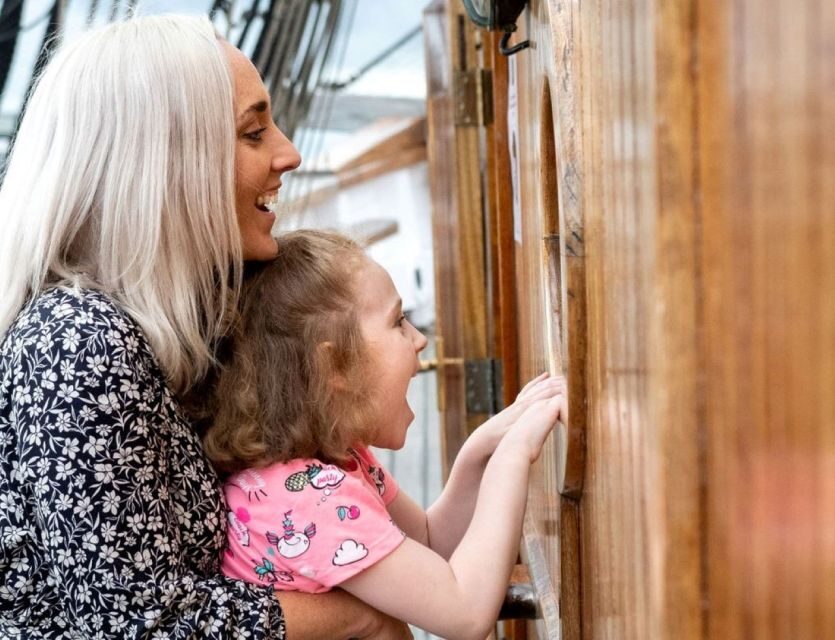
At 50 minutes, this tour walks the line between education and endurance. A ship tour can drag if it’s mostly lecture. Here, the pacing comes from changing spaces: upper deck to below deck, views outward to views inward, sea-air to cramped quarters.
It also helps that the tour is structured around what you can physically do in each space:
- Look at masts and craftsmanship up top.
- Take in the docklands setting while you listen.
- Then switch to close-up interpretation below deck.
That pattern keeps your attention. You’re not stuck in one spot for the whole hour, and you’re not stuck with only reading labels.
A quick practical note: wear comfortable shoes. The tour is not designed as a sit-down activity.
Price and value: what $16 gets you in Dublin
At around $16 per person, the Jeanie Johnston tour feels like good value if you want more than a quick look at a landmark.
Here’s what you’re really paying for:
- A guided, live tour in English.
- Access to both the upper and below-deck experience.
- A focused lesson centered on the famine emigration story, not a general Dublin history recap.
If you’ve only got limited time in Dublin, the hour-plus format matters. You can fit it into a broader Docklands walk without turning it into your entire day. And because you’re moving through the ship, you get a more “embodied” experience than you’d likely get from a standard walking tour that only talks at you.
Also, it’s worth noting the emotional payoff is strong. Reviews highlight how guides turn the topic into clear, story-driven narration—often mixing seriousness with humor in a way that helps keep people engaged. That kind of delivery can make a short tour feel longer in the best way.
Meeting point, what to expect, and how to plan your stop
You’ll meet at Jeanie Johnston Tallship, City Moorings, Custom House Quay, Dublin 1. The experience ends back at the meeting point, so you’re not left figuring out transportation afterward.
The tour is listed as English with a live guide, and it’s designed for people who can climb aboard and move around the ship. If you’re traveling with someone who uses a wheelchair or needs step-free access, this one isn’t recommended. Plan an alternative that keeps the storytelling but avoids stairs and tight deck spaces.
If weather is a factor on your trip, treat the upper deck as a “take layers” moment. The tour involves wind and open air, and the Docklands can feel exposed.
Should you book the Jeanie Johnston famine history tour?
You should book if you want:
- A short, guided Dublin experience focused on Irish famine emigration.
- A tall ship setting where you can see cramped conditions rather than only reading about them.
- Clear, story-led explanations that connect numbers (one million, 2,500 on the Jeanie Johnston) to real human experience.
You should think twice if you:
- Need wheelchair access or have limited mobility. This ship tour isn’t suited to that.
- Want an experience that’s light and purely scenic. This is a serious subject, and it’s delivered in a way that can be emotional.
One last practical tip: do this when you can give the hour your attention. The Jeanie Johnston works best when you’re ready to slow down and let the ship, the stories, and the spaces do the talking.
FAQ
How long is the Dublin Jeanie Johnston Tall Ship Irish Famine History Tour?
The tour lasts 50 minutes.
Where does the Jeanie Johnston tour start?
It starts at Jeanie Johnston Tallship, City Moorings, Custom House Quay, Dublin 1.
Is the tour guided or self-guided?
It has a live tour guide, and the tour is in English.
What should I wear or bring?
Bring comfortable shoes.
Is hotel pickup or drop-off included?
No. Hotel pickup and drop-off are not included.
Is the tour wheelchair accessible?
No. The tour is not suitable for wheelchair users.
Is it okay for people with limited mobility?
It’s not recommended for people with limited mobility.
Can I get a refund if my plans change?
Yes. You can cancel up to 24 hours in advance for a full refund.