REVIEW · DUBLIN
Bike Tour Along The Historic Waterways Of Dublin
Book on Viator →Operated by MYBIKEORHIKE · Bookable on Viator
One ride, and Dublin’s history starts moving. This bike tour threads together coast, parks, and landmark districts so you see the city without sitting in traffic. Two things I really like: the mix of big-name sights and quieter corners, and how the route keeps you outdoors, near water, for long stretches.
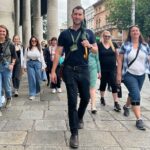
I also like that it’s run like a proper tour, not a loose group shuffle. You get a real guide (Ben, if you’re lucky) who ties what you’re seeing to Irish culture, transport stories, and even the local wildlife. One possible drawback: the bikes can be hit-or-miss for comfort—one seat-and-gear setup was described as not great for a long day—so it’s smart to ask what the bikes are like when you book.
In This Review
- Key Highlights You’ll Feel Right Away
- Why Dublin’s Waterways Feel Made for Bikes
- Price and What You Get for $198.25
- Meeting at Capel Street: Easy Start, Private Group Pace
- Coast Cycle Lane to Bull Island: Transport History Meets Sea Air
- Bull Island Sea Wall Café and the Captain Bligh Connection
- Through a Guinness Family Park: Quiet Lanes, Easy Cruising
- Croke Park: Gaelic Games History in the Shadow of 83,000 Seats
- Glasnevin National Cemetery: Quirky, Sombre, and Very Human
- John Kavanagh The Gravediggers: A Scheduled Lunch Stop With Character
- Tolka Valley Park: A Newer Cycle Path Through Green
- Deer Beginnings and the Biggest Enclosed Park Mood
- Irish National War Memorial Gardens: Rowers, 49,400 Names, and Two Swans
- Kilmainham Gaol Outside: 18th-Century Walls and 1916 Rising Context
- Royal Hospital Kilmainham: Gardens Replica Views and the IMMA Tie-In
- Croppies Acre Memorial Park: 1798 Rebellion Legend Between Museums and Guinness
- What to Pack (and What Might Be Uncomfortable)
- Guide Ben and the Style of Storytelling That Keeps It Moving
- When You Should Skip It (or Ask Questions First)
- Should You Book This Bike Tour Along Dublin’s Historic Waterways?
- FAQ
- How long is the Dublin bike tour?
- How much does the tour cost?
- Where does the tour start?
- Is lunch included?
- What’s included with the tour?
- Is the tour private?
- Do they offer pickup?
Key Highlights You’ll Feel Right Away
- Cycle lane routing that prioritizes views over stop-and-go city congestion.
- A guided stop at Bull Island with a sea wall story tied to Captain Bligh of Mutiny on the Bounty.
- A pair of history-heavy anchors: Glasnevin Cemetery and the Kilmainham area.
- Time for a real break: a cafe perched on the sea wall, plus lunch at John Kavanagh The Gravediggers.
- A strong “water + meaning” stretch along the River Liffey to the Irish National War Memorial Gardens.
Why Dublin’s Waterways Feel Made for Bikes
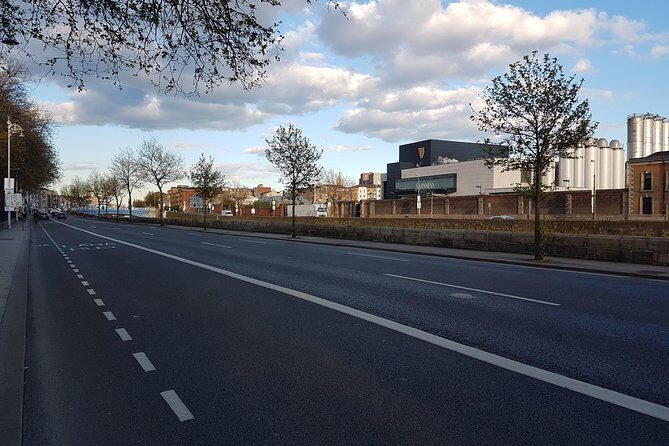
Dublin has enough waterways and green stretches that a bike route makes sense instantly. On this tour, you’re not just passing famous spots—you’re moving through the city’s structure: sea edge, parks, river paths, and the neighborhoods that shaped modern Dublin.
The best part is how the ride keeps your eyes busy. You’ll be looking out toward Dublin Bay early on, then switching to tree-lined lanes and river views. That constant visual variety matters, because it reduces the tired feeling that can hit after hours on two wheels in a city.
You also get the practical benefit of speed. Dublin traffic can be slow and unpredictable, but cycling along established routes means you keep momentum and arrive at stops feeling ready to listen, not frazzled.
You can also read our reviews of more cycling tours in Dublin

Price and What You Get for $198.25
At $198.25 per person for a 5 to 8 hour private-style experience, you’re paying for two things: a guide and a curated route. You’re not just renting a bike and pointing yourself at landmarks.
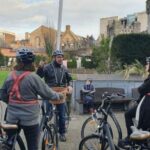
Included gear helps you avoid extra shopping. You get a bicycle plus a safety helmet and high visibility vest. If you don’t bike often, that takes away the stress of figuring out what you need to stay safe in an urban environment.
Lunch isn’t included, and you should plan for that. But the tour builds in enough time to eat well: there’s a scheduled stop at John Kavanagh The Gravediggers, and you’ll also have the chance to grab snacks earlier (at the Bull Island sea wall cafe area). For me, this structure is good value. You don’t have to hunt for food between major stops—you’ll have it scheduled.
Meeting at Capel Street: Easy Start, Private Group Pace
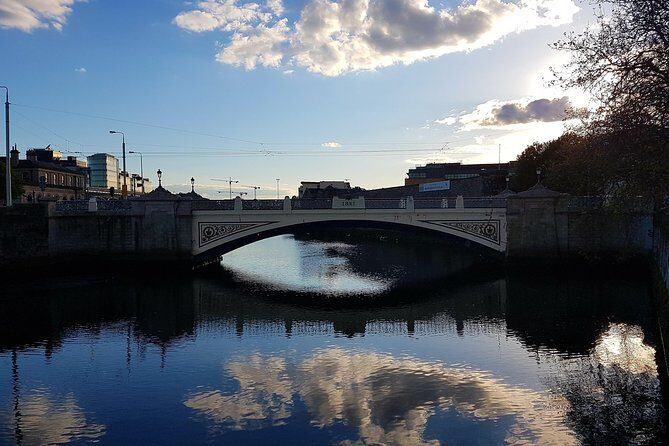
The tour starts at 37 Capel St in North City, and it ends back at the same point. If you’re staying close—within 1 km—the guide can meet you at your accommodation up to 20 minutes before the scheduled start, then walk you over to the official departure point.
Because this is a private tour/activity, you won’t be squeezed into a crowded group. That matters for comfort, photo stops, and questions. When you have a guide who can actually keep track of everyone, you spend less time worrying and more time listening.
One small consideration: it’s designed for people with a reasonable fitness level and comfort cycling in an urban environment. Strong fitness is specifically mentioned, and the route covers several stops with ride time between them.
Coast Cycle Lane to Bull Island: Transport History Meets Sea Air
You’ll get rolling by heading out along a newly completed cycle lane, and the guide brings the story of Dublin’s transport infrastructure into the ride. This is one of those sections where you might think you’re just relocating on a bike—but you’re actually learning how the city shaped movement.
You’ll be taking in Dublin Bay views and getting that sea air that makes the early miles feel lighter. If you like the idea of a tour that starts with atmosphere before it starts with facts, this opening does a nice job.
Bull Island Sea Wall Café and the Captain Bligh Connection
Stop 1 is Bull Island, and it comes with a built-in break: sit with a cuppa and a snack at a cafe perched on a 200-year-old sea wall. The tour links the sea wall to Captain Bligh of Mutiny on the Bounty fame, and you’ll learn how the bay area’s nature reserve status ties to how the shoreline developed over time.
Bull Island is also where the tour turns from “ride and look” to “ride, stop, and breathe.” You’re resting but still in motion—an underrated quality for day-long bike tours.
Time here is about 30 minutes. That’s enough for a quick coffee, a snack, and a short reset before the next run of landmarks.
You can also read our reviews of more historical tours in Dublin



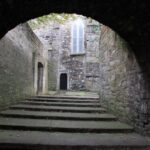

Through a Guinness Family Park: Quiet Lanes, Easy Cruising
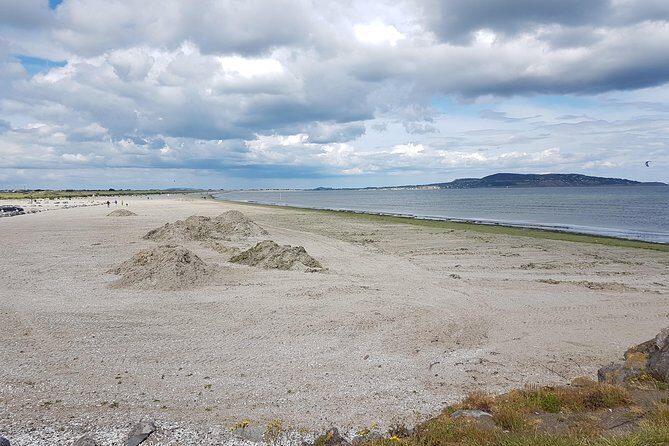
Between the coast stop and the sports history, you’ll pass through an elegant park owned and developed by the Guinness family. The route moves along tree-lined laneways, and you can enjoy the scenery at your leisure here.
This is a nice contrast after Bull Island. Instead of sea views, you get shade, calm paths, and a more landscaped Dublin mood.
If you’re the kind of traveler who likes seeing how different “types” of Dublin sit beside each other—coastline, heritage estates, city parks—this part works well.
Croke Park: Gaelic Games History in the Shadow of 83,000 Seats
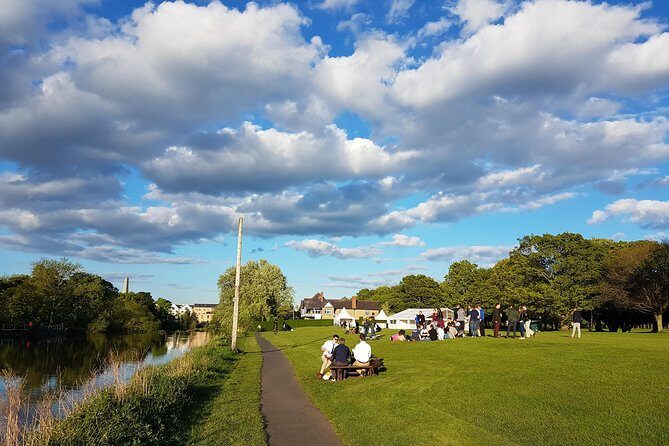
Next up is Croke Park Stadium. You’ll park and stand beneath the stadium, with a capacity of about 83,000—described as the third largest in Europe.
The guide focuses on the Gaelic Athletic Association as the lifeblood of Irish society and communities, including background from nearly a century and a half ago. There’s also a dramatic thread: the story of a nearly forgotten man who helped kickstart and shape the organization.
It’s a short stop (about 15 minutes), but the point is to give you context fast. Even if you’re not a diehard sports fan, you’ll come away understanding why this stadium is more than architecture.
Glasnevin National Cemetery: Quirky, Sombre, and Very Human
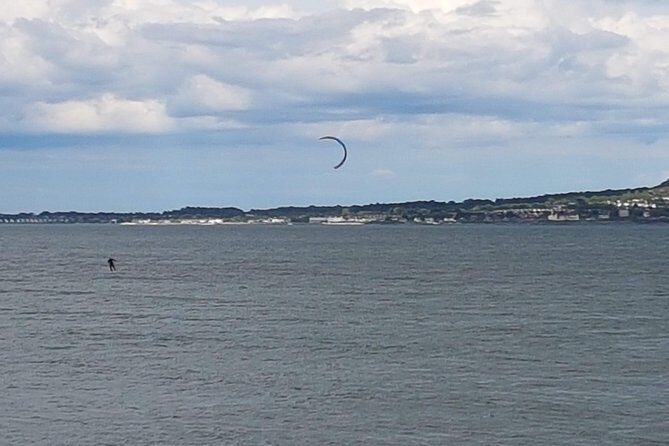
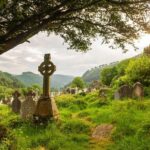
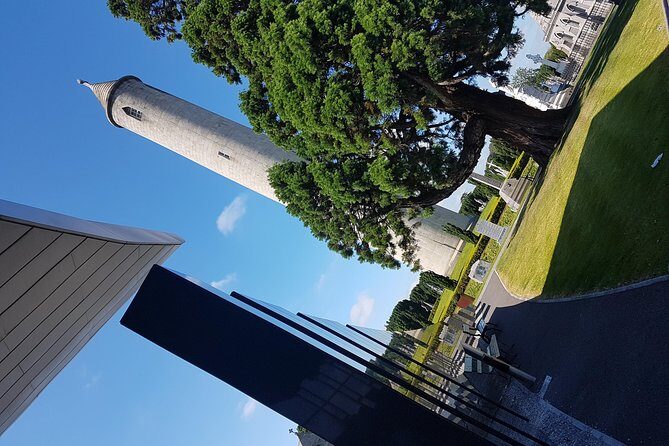
After Croke Park, you’ll head to Glasnevin—the National Cemetery of Ireland—for a public tour. Plan around 1 hour 30 minutes here, and expect a mix of famous and obscure characters.
The tone is described as fanous, quirky, and sombre. That combo can work surprisingly well in a guided cemetery visit: you’re not just watching history happen, you’re hearing how real people lived, fought, and shaped the country.
If you’re curious about Irish stories that don’t always make it into quick souvenir tours, this stop tends to land well. Just be ready for the mood—this is a reflective portion of the day.
John Kavanagh The Gravediggers: A Scheduled Lunch Stop With Character
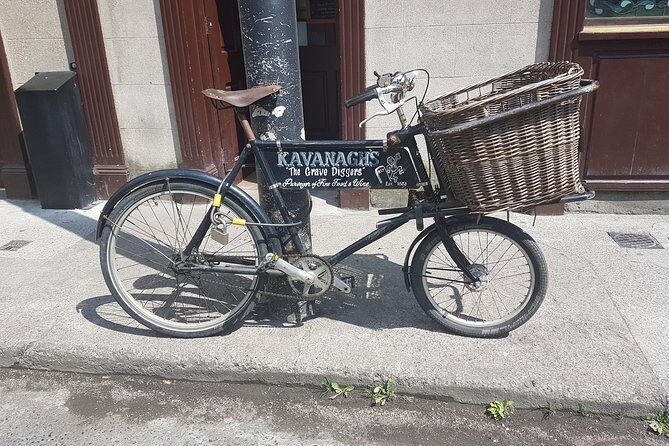
Then you’ll stop at John Kavanagh The Gravediggers for a hearty lunch. The pub is named after the gravediggers who have frequented it since it opened in 1833.
Lunch isn’t included in the price, but the timing is. This is the kind of stop that saves you time and stress. You won’t have to find a place from scratch while everyone’s hungry and cycling on sore legs.
The pub’s identity is the point: it feels tied to local work life and history. Even if you go more for the meal than the backstory, the setting is part of what makes the day feel grounded.
Tolka Valley Park: A Newer Cycle Path Through Green
After lunch, the route moves toward Tolka Valley Park. This is focused on the ride experience: explore a recently constructed cycle path through lush green foliage.
Stop time here is brief (about 10 minutes), but it plays a practical role. It’s the kind of shortcut and path segment that keeps the biking smooth while still giving you a “we’re not just in traffic” feeling.
Deer Beginnings and the Biggest Enclosed Park Mood
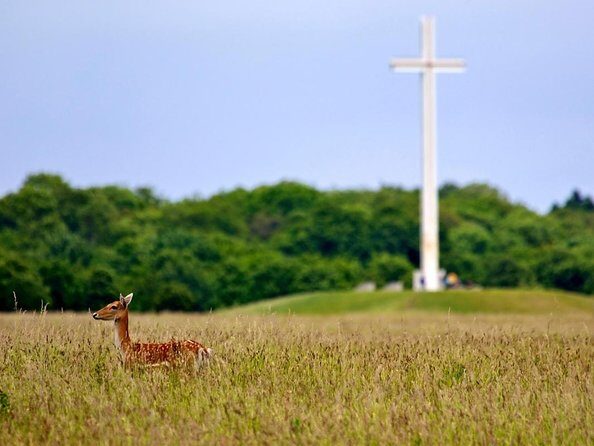
You’ll then experience another stretch of park time: described as the largest enclosed of any capital city in Europe. The story starts with red deer in 1662, and you’ll hear that deer still roam there today.
This section is both visual and atmospheric. It’s a reminder that Dublin’s “city center” doesn’t mean constant pavement. Instead, you get a pocket where wildlife and history share the same space.
You’ll also get a sense of why the tour’s focus on parks isn’t filler. It’s part of how Dublin balances built heritage with living nature.
Irish National War Memorial Gardens: Rowers, 49,400 Names, and Two Swans
One of the most meaningful segments of the day comes along the River Liffey at the Irish National War Memorial Gardens. You’ll cycle on a superb path by the river, watch rowers pull in the water, and stop to salute 49,400 Irishmen who fought in World War 1—often forgotten or worse, ignored in some historical telling.
There’s also a specific story to listen for: the escape of a well known Irish Nationalist from execution through cunning and guile. And the tour notes the significance of two swans, which adds a small, memorable detail to a heavier topic.
Stop time is short (about 10 minutes), but it’s built to make the stop count. Even a short pause can change how you read a city when you understand what memorials are trying to communicate.
Kilmainham Gaol Outside: 18th-Century Walls and 1916 Rising Context
Next is Kilmainham Gaol. You’ll stop briefly outside this famous 18th-century prison, and the guide will explain the prison’s different uses across its lifetime—from public executions through the great famine and executions tied to the leaders of the 1916 Rising.
The stop is about 10 minutes, and the key word here is outside. This is the kind of “context stop” that sets up what you might want to explore later on your own if you’re really drawn in by Irish history.
If you want to understand the why behind the site’s fame, this guided framing is the value.
Royal Hospital Kilmainham: Gardens Replica Views and the IMMA Tie-In
You’ll then reach Royal Hospital Kilmainham. Expect a picturesque view over the public gardens, described as a replica of the original laid out in the 17th century.
Alongside the gardens, there’s the former military hospital now connected with the Irish Museum of Modern Art (IMMA). The tour framing helps you see why this area blends military heritage, planned landscape design, and modern cultural life.
Stop time is about 5 minutes—enough to appreciate the view and learn how the pieces connect without burning your time.
Croppies Acre Memorial Park: 1798 Rebellion Legend Between Museums and Guinness
Your final stop is Croppies Acre Memorial Park. According to legend, it’s linked to a mass burial grave for victims of the 1798 Rebellion.
It sits with a powerful view backdrop: Collins Barracks National Museum on one side and the Guinness Brewery on the other. That pairing—rebellion memory beside one of Ireland’s most recognizable brands—turns this stop into a lesson about how modern Dublin sits on top of older conflicts and ideas.
This stop is very short (about 5 minutes), so keep your eyes open and let the guide’s description do the heavy lifting.
What to Pack (and What Might Be Uncomfortable)
This tour is weather dependent. You should plan for a day outdoors and assume rain or strong weather could shift things.
Bring basics: water, sun protection if it’s bright, and comfortable cycling clothing. Since lunch isn’t included, think about whether you want to eat at John Kavanagh The Gravediggers as planned or add snacks of your own.
One more practical note: the tour assumes you’ll be comfortable cycling in an urban environment for multiple stops across a long day. If your bike comfort is sensitive—seat padding or gear function—this is the part where you should ask about the specific bike setup you’ll receive.
Guide Ben and the Style of Storytelling That Keeps It Moving
One reason this tour earns such a strong rating is the guide’s approach. Ben is specifically named in feedback for being a total pro: he shares Irish history, culture, and language connections, and he even brings in fauna details so the outdoors feels like part of the lesson.
Good guiding matters more on a bike tour than on a museum tour. You’re moving between places; you can’t pause and read a placard whenever you want. A guide who can explain what you’re seeing in plain terms makes the whole day feel cohesive.
Safety also comes up. The ride is handled in a way that helps you feel secure on city paths, and that confidence lets you focus on the scenery rather than the mechanics of not wobbling.
When You Should Skip It (or Ask Questions First)
If you don’t have much experience riding in traffic-adjacent areas, this may be too much. The tour expects a reasonable level of fitness and comfort cycling through Dublin.
Also consider bike comfort. At least one feedback point called out an older bike setup with limited gear changing and a seat that lacked padding for a long excursion. If you’re the type who needs a well-fitted bike to stay comfortable, ask what bikes are used on your date and whether seat comfort and gearing are well maintained.
Finally, if you want a slow paced sight-seeing day with lots of free time inside buildings, this tour leans toward guided stops and ride time rather than long independent wandering.
Should You Book This Bike Tour Along Dublin’s Historic Waterways?
Book it if you want Dublin in motion: coast air, park paths, and landmarks stitched together with real context. This is a strong choice for travelers who like history but don’t want their day to feel like standing in lines or staring at screens.
Choose it particularly if you value a guided day that blends major sites with quieter meaning—Croke Park, Glasnevin, Kilmainham, and memorial gardens all within one ride. And if you’re riding with Ben, the storytelling style is clearly a big part of what makes people recommend it.
Skip or reconsider if you’re not confident riding an urban bike route, or if bike comfort is a high priority for you. The route can be a long day, and your body will remember it.
FAQ
How long is the Dublin bike tour?
The duration is approximately 5 to 8 hours.
How much does the tour cost?
The price is listed as $198.25 per person.
Where does the tour start?
The meeting point is 37 Capel St, North City, Dublin (D01 X2E5).
Is lunch included?
No. Lunch is not included, though there is a scheduled stop at John Kavanagh The Gravediggers.
What’s included with the tour?
You get use of a bicycle, plus a safety helmet and a high visibility vest.
Is the tour private?
Yes. Only your group participates.
Do they offer pickup?
Pickup is available if your hotel or accommodation is within 1 km of the start location. The guide can meet you up to 20 minutes prior, then walk you to the start point.