REVIEW · DUBLIN
Dublin: Guided Bike & E-Bike Tour
Book on GetYourGuide →Operated by Cycle Dublin - Bike & E-Bike Tours · Bookable on GetYourGuide
Pedal power makes Dublin click. In 2.5 hours, you glide past big-name sights and quieter local stops with a licensed guide. I like the mix of street-level history and practical route help, so you’re not just seeing places—you’re understanding them.
Two things I really appreciate: first, the guide-led storytelling. People rave about hosts like Robbie, Mike, Simon, Collin, Laura, and Mikey for making Dublin’s past feel human, with humor and clear explanations. Second, the tour focuses on how Dublin actually feels: canals, the River Liffey, parks, and neighborhoods you can later revisit on your own.
One possible drawback: it’s active and assumes you can ride confidently. This isn’t for kids under 14, and you’ll want to be comfortable staying steady in city traffic rhythms for the full ride. If you’re on the fence, read the practical tips below before you book.
In This Review
- Key things I’d prioritize before you go
- Why a 2.5-hour bike tour makes sense in Dublin
- Meeting at Whitefriar Place: start near St. Stephen’s Green
- Canals and the River Liffey: see Dublin’s spine up close
- Georgian Dublin: grand 18th-century streets and parks
- Norman Dublin: castles and cathedrals you’ll recognize later
- Writers, painters, poets, and Dublin’s war-and-revolution stops
- Pub and traditional music venue spotting that actually helps
- Bicycles, safety gear, and how the ride feels in traffic
- Price and value: is $40 a fair deal?
- Who this tour suits best (and who should think twice)
- Practical tips so your ride stays fun
- Should you book this guided bike tour of Dublin?
- FAQ
- How long is the Dublin guided bike tour?
- Where does the tour start?
- Does the tour end at the same place?
- What’s included in the price?
- Is hotel pickup and drop-off included?
- Do I need to bring food or drinks?
- What language is the guide?
- How old do you need to be?
- Do I need to be an experienced cyclist?
- Can I cancel, and what’s the refund policy?
Key things I’d prioritize before you go
- A 2.5-hour orientation loop that helps you map Dublin quickly, not just tick off landmarks
- Licensed, Failte Ireland national tour guide experience with a strong focus on local stories
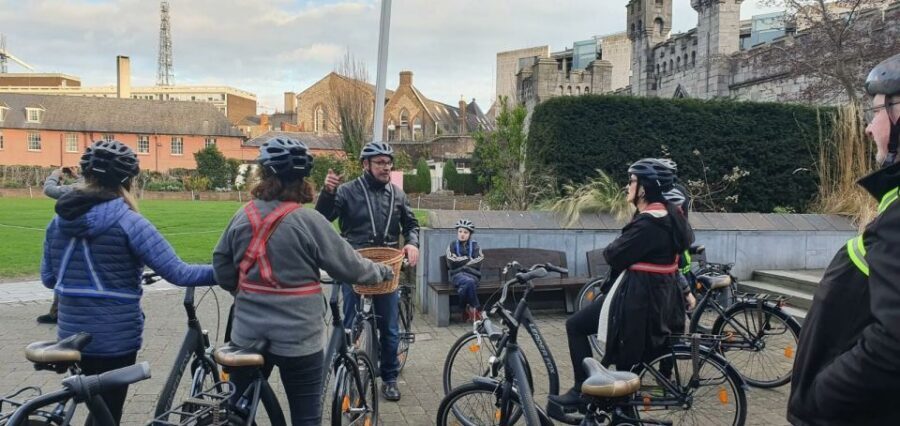
- Helmet and high-visibility gear included, plus safety-minded pacing through busy streets
- Canals, the River Liffey, Georgian streets, and Norman landmarks in one connected route
- Pub and traditional music venue spotting along the way, with the chance to pause if timing allows
- Standard bikes are commonly used (electric bikes may vary by availability), and Dublin is typically flat
Why a 2.5-hour bike tour makes sense in Dublin

Dublin can feel both compact and oddly spread out. One minute you’re near St. Stephen’s Green, the next you’re on the banks of the River Liffey, and later you’re noticing architectural styles that seem to change every few streets. A bike tour compresses that learning curve into a short morning or afternoon window.
At about 2.5 hours, you get enough time to move through several distinct parts of the city without burning the whole day. And because the ride is guided, you’re not stuck planning turns, parking, and detours while trying to take in buildings that look similar until you know what you’re looking at.
A lot of people love this format for a simple reason: it helps you orient fast. Afterward, you can decide what to revisit slowly. The tour is also a good fit for first-timers who want more than a quick bus stop photo.
You can also read our reviews of more cycling tours in Dublin


Meeting at Whitefriar Place: start near St. Stephen’s Green
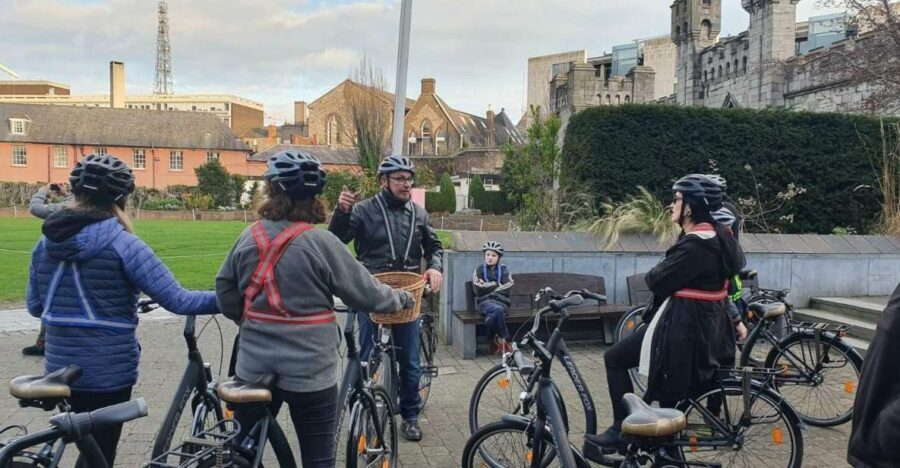
The tour starts at Cycle Dublin Bike Tours, 2 Whitefriar Place (D08XYE6). The office is just off Aungier Street, about five minutes from St. Stephen’s Green, and the ride ends back at the same meeting point.
That location matters. You’re starting in the part of central Dublin that’s easy to reach on foot from a lot of city stays. It also means you’re not hauling yourself across town just to begin.
My practical take: show up a few minutes early so you can get kitted up calmly. Helmets and high-visibility clothing are included, but you still want a moment to adjust fit and get comfortable before rolling into busy streets.
Canals and the River Liffey: see Dublin’s spine up close
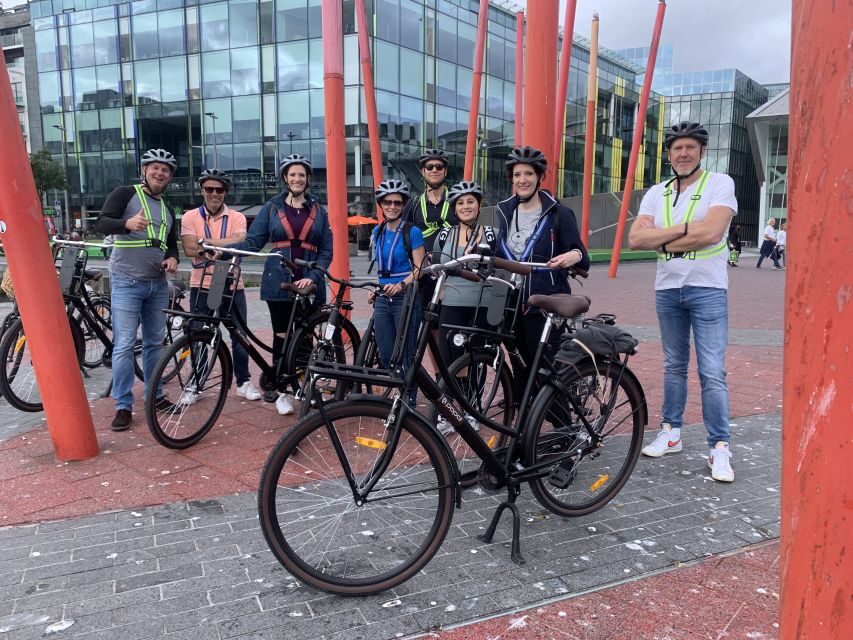
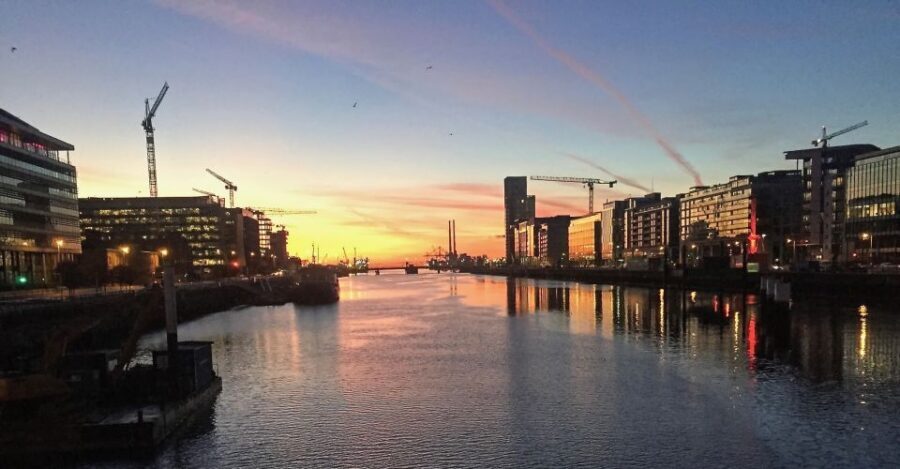
The ride begins exploring Dublin’s canals and the River Liffey, and this is where the city starts to make sense. The waterways shape how neighborhoods sit and how streets lead from one area to the next. From a bike seat, you naturally travel at a pace that lets you notice bridges, quays, and the way the city turns toward the water.
This stretch is also a nice confidence builder. You get into a rhythm while still moving through central areas. If you’re coming in from jet lag or walking too much, the change of pace feels like a reset.
One more thing: being on a bike means you can look left and right without constantly stopping. You’ll spot details you might miss while moving in a car or bus—small streetfront cues, how the road narrows, where foot traffic thickens.
Georgian Dublin: grand 18th-century streets and parks
Next comes Georgian Dublin, known for its 18th-century houses and orderly street character. On a bike, you don’t just see facades—you get the spacing. You can also pick out how buildings relate to the street grid and how the city’s “designed” feeling mixes with everyday life.
The route also includes beautiful parks, which helps break up the urban feel. Parks are more than scenery here. They give you a breather, and they’re useful for getting perspective on how Dublin’s neighborhoods connect.
If you like architecture, this portion tends to be a favorite. The tour guide’s job is to translate what you’re seeing into plain language: what to look for, why certain areas feel a certain way, and what came before what.
Norman Dublin: castles and cathedrals you’ll recognize later
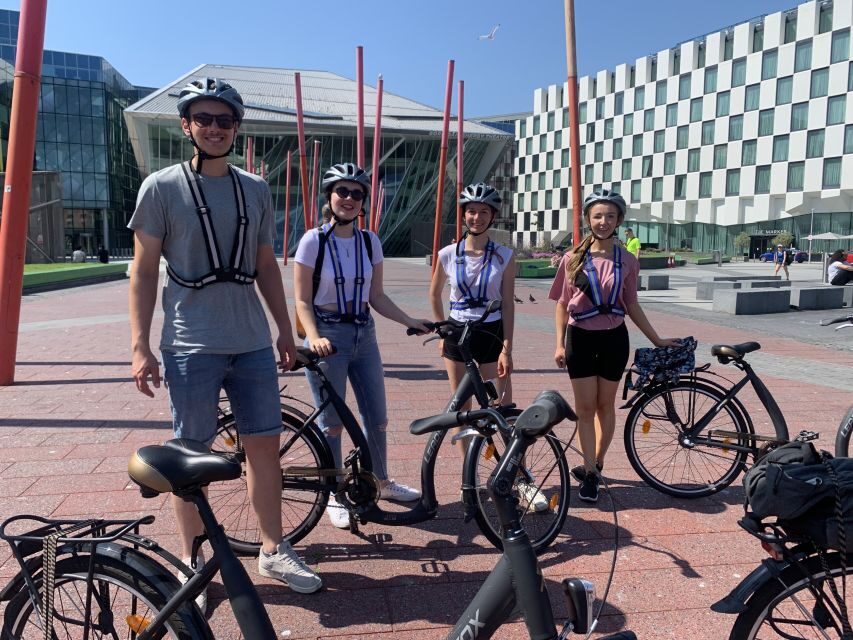
Then you move into Norman Dublin, with stops that point toward castles and cathedrals. Even if you’ve only seen one or two of these places from outside, you’ll likely leave with the ability to recognize them again in the next week of sightseeing.
This part works especially well because the tour isn’t just naming monuments. The guide frames them within Dublin’s changes over time—how power and faith shaped the city’s layout. People often finish the ride saying they now understand where to go if they want to study a site more closely.
A drawback to be aware of: if you’re hoping for a lot of long indoor time at individual monuments, this isn’t that kind of tour. It’s designed for motion and orientation, so think of it as a highlight map with context, not a museum schedule.
You can also read our reviews of more guided tours in Dublin






Writers, painters, poets, and Dublin’s war-and-revolution stops
A standout feature is the way the tour connects culture with real places. You’ll get insights into the city’s writers, painters, poets, and special characters—the people side of Dublin, not just the buildings side. This kind of commentary matters because it turns streets into stories you can remember.
The route also covers places tied to revolution and war. That’s where Dublin’s history stops feeling like a list of dates. The guide helps you link big events to physical locations, so you’re not just learning facts—you’re learning how the past shows up in street names, public buildings, and the city’s identity.
If you’re the type who wants a sense of “why Dublin is Dublin,” this is the section you’ll feel most. And because the storytelling is paced alongside cycling, it stays lively rather than turning into a lecture.
Pub and traditional music venue spotting that actually helps
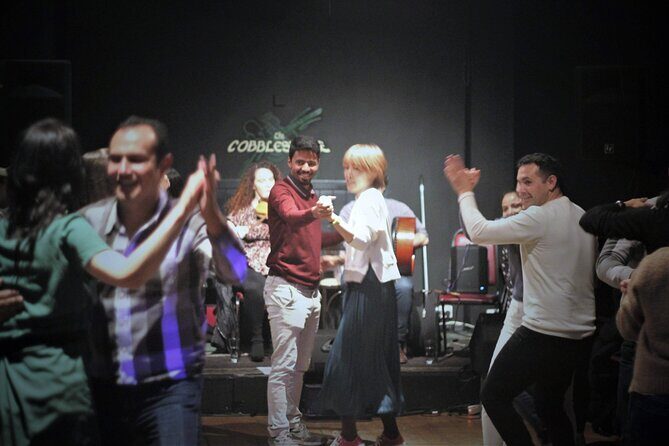
One of the most practical parts of this tour is the pub and music focus. As you cycle, the guide points out pubs and traditional music venues loved by locals. That’s useful in two ways.
First, it helps you avoid the common mistake of chasing only the most obvious tourist spots. Second, it gives you a short list of where to go based on what you care about: atmosphere, music, and the kind of night out you’re planning.
If there’s time, you might even be able to stop at one. Even when you can’t stop, the recommendations still work because you’ll be able to find the venues later with less wandering.
My advice: plan one evening after the tour for music and a pint (or a non-alcohol option if you prefer). The tour’s pointers make that first booking call less stressful.
Bicycles, safety gear, and how the ride feels in traffic
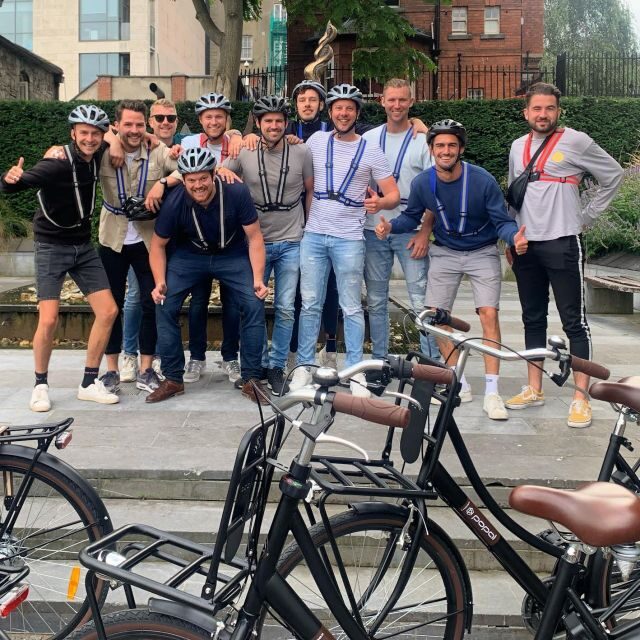
This tour provides a helmet and high-visibility clothing, and that’s a real comfort factor in a busy city. You’re also riding with a guide who keeps the group together and manages safety on active streets.
From the feedback, guides like Robbie and Simon are repeatedly described as careful and focused—keeping pace, staying aware of pack safety, and maintaining confidence even when conditions get messy. One review even highlighted going through pouring rain, with the guide keeping energy up and the group moving safely.
About bike type: the tour is marketed as Bike & E-Bike, but the bike details aren’t spelled out in the core info you get here. Some people note that bikes weren’t electric and still felt fine because Dublin is fairly flat. The key point for your planning: this is a ride where you should be comfortable with standard cycling effort unless you confirm what you’ll receive when booking.
Price and value: is $40 a fair deal?
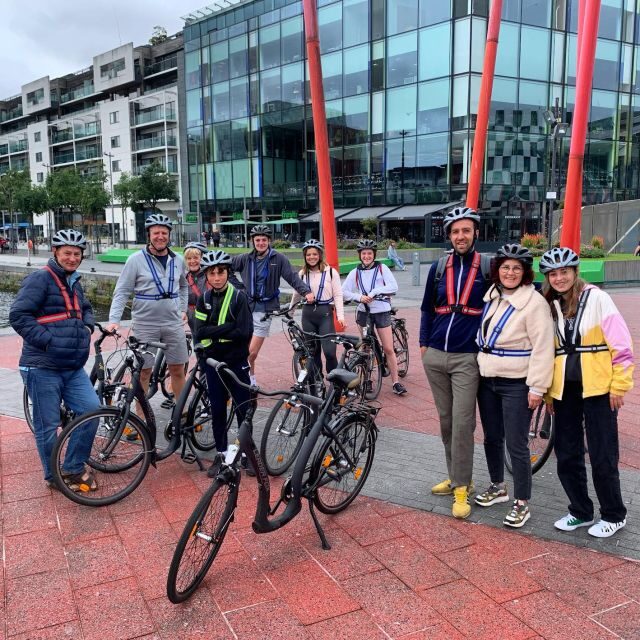
$40 per person for a 2.5-hour guided ride is not “cheap,” but it is reasonable when you look at what’s included. You’re paying for more than a vehicle. You get:
- a licensed, guided route through multiple parts of Dublin
- helmet and high-visibility gear
- a guide who connects sights with stories, writers, and even pub culture
Also, you save time. In a city where you might spend hours walking between areas, this tour compresses a lot of travel into a single experience. And the orientation value can be huge: you leave knowing what to revisit and what to skip.
What’s not included matters too. There’s no hotel pickup/drop-off, and no food or drinks. So think of the tour as the morning or early afternoon plan, then budget separately for lunch and an evening activity.
If your trip is short, this price tends to land well. If you have plenty of time and you’re happy building your own route, you might find it less necessary. But for most first-timers, it’s a solid way to get your bearings quickly.
Who this tour suits best (and who should think twice)
This experience is for age 14 and above, and you need to be able to ride confidently and safely. If you’re an experienced cyclist, the activity will feel like a fun, social way to cover ground. If you’re a newer rider, you’ll still likely manage, but only if you’re comfortable keeping steady in a group setting.
It’s also a strong choice if you want:
- guided context for Dublin’s major areas: Georgian and Norman city feel
- a blend of architecture, canals, and major city landmarks
- practical suggestions for pubs and traditional music venues
If you’re dealing with limited mobility, don’t like bike riding, or you’re not confident on two wheels, skip it. No amount of charm from a guide will change the basic requirement: you need to pedal.
Practical tips so your ride stays fun
Here’s how to set yourself up for an enjoyable 2.5 hours.
- Dress for weather fast. Dublin can shift quickly, and you may ride even when it looks gray. Bring a light rain layer if there’s any chance of showers.
- Wear something you can move in. You’re cycling through busy streets, so avoid stiff clothing that makes pedaling awkward.
- Arrive ready to adjust your helmet. The tour provides one, but a quick fit check makes a big difference.
- Bring a small bag you can keep secure. You’ll be in a group ride setting, and keeping belongings controlled helps you focus on the route.
- If you want music or a pub stop, plan your schedule after the tour with breathing room. Timing can depend on how the ride flows.
And quick humor note: if you’ve never ridden in a city before, try not to treat it like a scenic stroll. Think of it as a guided glide with frequent story stops.
Should you book this guided bike tour of Dublin?
I think you should book it if you want a fast, guided orientation that covers Dublin’s main “eras” in real places: waterways, Georgian streets, Norman landmarks, and the cultural side of the city. The price feels fair because you’re buying time saved and a guide who makes the city’s connections click.
I’d skip it if you’re not a confident cyclist, or if you want long stops at major monuments. This is built for motion and pacing, not slow roaming.
If you’re planning a short stay, this tour is the kind of start that helps everything after feel easier: you’ll know where to return and what to prioritize.
FAQ
How long is the Dublin guided bike tour?
The tour lasts 2.5 hours.
Where does the tour start?
You meet your bike guides at Cycle Dublin Bike Tours, 2 Whitefriar Place D08XYE6, near St. Stephen’s Green.
Does the tour end at the same place?
Yes. The activity ends back at the meeting point.
What’s included in the price?
Included items are a 2.5-hour city bike tour, a licensed guide, helmet, and high visibility clothing.
Is hotel pickup and drop-off included?
No. Hotel pickup and drop-off is not included.
Do I need to bring food or drinks?
No. Food and drinks are not included, so you’ll need to plan your own.
What language is the guide?
The tour guide is English.
How old do you need to be?
This tour is suitable for 14 years and above.
Do I need to be an experienced cyclist?
You must be able to ride a bicycle confidently and safely.
Can I cancel, and what’s the refund policy?
There is free cancellation up to 24 hours in advance for a full refund.