REVIEW · CORK
Coastal Foraging and Folklore Tour
Book on Viator →Operated by Kinsale Food Tours · Bookable on Viator
Coastlines can be beautiful and useful. This Sandycove tour turns that fact into a hands-on foraging walk with a marine biologist guide, plus local myths and practical uses for seaweeds, shellfish, and wild plants. I love the mix of real nature knowledge with story-driven folklore, and I also like that you’re walking the shoreline instead of staring at a museum screen. One thing to keep in mind: you’ll want good weather, and if you’re craving lots of time on the sand, the schedule is tight.
You’ll meet at Sandycove Slipway (near Muir Cheilteach) and head out on a guided coastal route that’s designed to feel relaxed but purposeful. The tour is private in the sense that it’s just your group, and it runs in English with a mobile ticket. If you’re the type who likes to ask questions and then test what you learned on your own eyes, you’ll get a lot out of this.
Quick hits before you go
- Sandycove Slipway start: Easy-to-find meeting point at the waterside
- Marine biologist guide: Background in seabirds and marine life across New Zealand and Canada
- Identify practical coastal “ingredients”: Seaweeds, shellfish, and wild plants, plus their uses
- Folklore and medicinal stories: Myths tied to how locals viewed the coast
- Tide-and-weather friendly: Expect the experience to depend on conditions and timing
- Small-group feel in practice: Accounts describe intimate groups and a gentler pace
In This Review
- Why Sandycove Foraging Feels Different Than a Typical Tour
- Your Route From Sandycove Slipway and How Long It Takes
- What You’ll Learn: Seaweeds, Shellfish, and Wild Plants
- The Folklore Layer: Myths and Medicinal Stories With a Coastal Logic
- Who the Guide Is and Why Her Background Shows
- Price and Value: Is $60.01 Worth 1h45?
- What to Bring (and What to Expect When the Tide Is Doing Its Thing)
- Who This Tour Suits Best
- FAQ
- How long is the Coastal Foraging and Folklore Tour?
- Where does the tour start in Cork?
- What will we identify during the tour?
- What language is the tour offered in?
- Who is the guide?
- Is transportation included?
- Is the tour accessible for most people?
- What happens if weather is bad?
- When will I get confirmation, and can I cancel?
- Should You Book This Coastal Foraging Tour?
Why Sandycove Foraging Feels Different Than a Typical Tour

Sandycove has that classic Irish-coast mood: windswept, salty, and full of “wait, what is that?” moments. This tour uses that setting on purpose. You don’t just look at the coastline—you learn what’s there and why people cared about it.
The biggest win is the guide’s angle. The host is a marine biologist with years working alongside marine creatures and wild seabirds in New Zealand and Canada, then returning home to Ireland in 2014 to share the coast’s wonders. That matters because the tour isn’t just “fun facts.” You get science-laced explanations wrapped in local storytelling.
The other reason it works is that the coastline is treated like a living pantry. Learning to identify seaweeds, shellfish, and wild plants is useful even if you never forage on your own. It changes how you see the shoreline—suddenly the rocks and plants aren’t random scenery.
Your Route From Sandycove Slipway and How Long It Takes
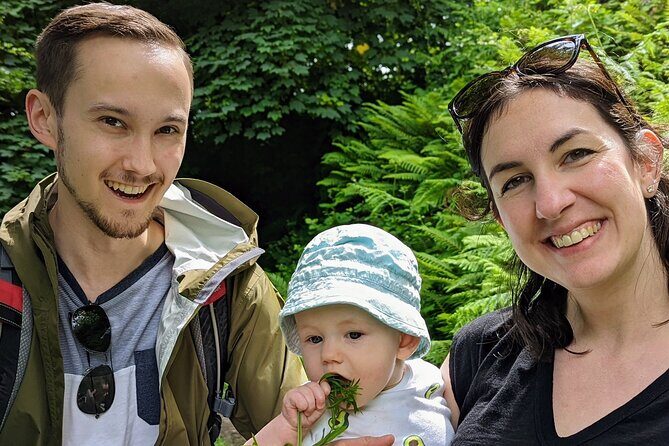
Plan on about 1 hour 45 minutes (roughly 1h40 to 1h45). In that time, you’ll do a coastal walk with stops focused on identification and interpretation, then wrap back at the same meeting point.
You start at Sandycove Slipway, Muir Cheilteach, Sandycove, Ringrone Heights, Co. Cork, Ireland and end where you started. The “same place” finish is handy: it means you won’t burn time figuring out the logistics halfway through.
What the route feels like in practice is a mix of shoreline viewing and a slower inland stretch. Accounts describe wandering when the tide goes out and then moving to viewpoints higher up for better sightlines and plant knowledge. Even without collecting anything yourself, you’ll likely get that moment where you can spot patterns—what grows where, and how the coast changes as the water line shifts.
One drawback to accept up front: there’s only so much time. If you’re hoping for hours on the sand, treat this as a guided taste of the whole coastline, not a full expedition.
You can also read our reviews of more tours and experiences in Cork.

What You’ll Learn: Seaweeds, Shellfish, and Wild Plants
This isn’t a vague nature lecture. The tour is built around identification—seaweeds, shellfish, and wild plants—plus how people historically used them for food, beauty, and medicinal purposes.
Here’s what that means for you on the ground:
- Seaweeds: You’ll learn to recognize different types and understand why locals valued them. The guide also connects these plants to the bigger coastal ecosystem, not just their names.
- Shellfish (and shoreline life): You’ll get context for how these animals fit into the tide-driven world of the beach and rocks.
- Wild plants inland or along the path: You’ll likely hear about what grows around you and what people believed each plant could do—beauty uses and medicinal folklore included.
I like that the tour mixes “what it is” with “why it mattered.” That’s the difference between remembering species names for a day versus actually understanding how the coast feeds culture.
Also note: the tour says most people can participate, and service animals are allowed. Still, because you’re on a coastal walk, bring common sense—wear footwear that won’t slip on uneven ground.
The Folklore Layer: Myths and Medicinal Stories With a Coastal Logic
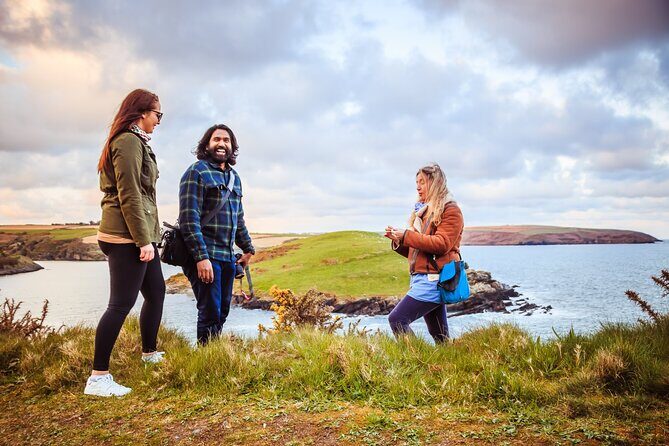
This tour doesn’t separate nature from belief. The stories are part of the package: myth, mystery, and medicinal aspects of the coast and its inhabitants.
What I find smart about this approach is that folklore often points to patterns people observed long before modern science had a label for everything. You’ll hear the coast described through the lens of local tradition—how communities explained what they saw, how they used plants, and how the sea shaped their daily life.
In other words, the folklore doesn’t feel like random spooky decoration. It connects back to practical learning. You’re not just collecting facts; you’re learning how coastal people made sense of seaweed, shoreline creatures, and plants in their world.
If you like stories with a reason—why a myth exists, what it was trying to explain—you’ll enjoy this section. If you only want scientific names and nothing else, you might still appreciate the way the guide frames the coast as a system people lived with.
Who the Guide Is and Why Her Background Shows
The guide is described as a marine biologist who spent years working with wild seabirds and marine creatures in New Zealand and Canada, then returned to Ireland in 2014. That kind of background usually shows in two ways:
First, you get explanations that sound grounded, not improvised. Second, the guide is likely to notice details most people miss—small shifts in what grows where, and the broader ecology behind the shoreline.
In accounts tied to this company, guides like Suzanne and Siobhan are praised for being engaging and story-driven, and one host even handled scheduling issues by rescheduling when a meeting point was misunderstood. That’s not “tour magic,” it’s a sign the operation cares about getting the experience right—not just checking boxes.
There’s also a family-friendly vibe in many accounts. If you’re traveling with kids, you can expect the guide to work with the group and keep things moving. That doesn’t mean it turns into a kids’ puppet show—more like a flexible, human pace.
Price and Value: Is $60.01 Worth 1h45?
At $60.01 per person for about 1 hour 45 minutes, the value comes from three things you don’t easily replicate on your own:
1) A specialist guide
You’re not guessing at what seaweeds and wild plants are. You get identification and context from someone with marine science experience.
2) A guided shoreline route
Coasts are confusing if you don’t know what you’re looking for. This tour gives you a path and timing so the learning makes sense.
3) Folklore + uses
The tour adds cultural depth. Knowing how people used plants for beauty and medicinal purposes gives you a new way to understand the coast beyond tourism photos.
Would you spend less money doing it solo? Sure—you could walk the coastline and point at things. But you’d lose the core value: identification, local context, and the story layer that ties the coast to Irish life.
Budget for weather too. This experience requires good conditions, so you may need to shift plans if the day doesn’t cooperate.




What to Bring (and What to Expect When the Tide Is Doing Its Thing)
The tour runs outdoors and depends on weather. The experience notes that you need good weather, and if it’s canceled due to poor conditions, you’ll be offered a different date or a full refund.
So what should you bring?
- Shoes with grip for rocks and uneven shoreline paths
- Weather protection (coastal wind is no joke)
- Layers you can adjust as you move from shore to higher ground
- A bit of patience if the coast is showing off—tide timing can affect what’s visible
Also, in accounts tied to the experience, people describe a picnic-style food moment with local products during the outing. The official included list doesn’t spell it out, so I can’t promise it as a universal guarantee. But if you’re planning with the mindset that you might get local tastings, you’ll be prepared—and you’ll match the vibe of what many people report.
Who This Tour Suits Best
This is a great match if you want more than sightseeing. You’ll probably love it if you’re into any of these:
- Nature learning that’s practical, not just scenic
- Coast culture—myths and medicinal stories with real-world context
- Food knowledge tied to the shoreline (seaweeds and wild plants)
- Small-group energy and a guide who talks at your level, with room for questions
It may feel less ideal if you’re looking for a long, unhurried walk with hours of free exploring. This tour is focused and timed.
FAQ
How long is the Coastal Foraging and Folklore Tour?
It runs for about 1 hour 45 minutes (approximately 1 hour 40 minutes).
Where does the tour start in Cork?
The meeting point is Sandycove Slipway, Muir Cheilteach, Sandycove, Ringrone Heights, Co. Cork, Ireland, and it ends back at the meeting point.
What will we identify during the tour?
You’ll learn to identify wild seaweeds, shellfish, and wild plants, and you’ll hear their uses for food, beauty, and medicinal purposes.
What language is the tour offered in?
The tour is offered in English.
Who is the guide?
The local guide is described as a marine biologist who worked with wild seabirds and marine creatures in New Zealand and Canada and returned home to Ireland in 2014.
Is transportation included?
No. Private transportation is not included.
Is the tour accessible for most people?
The experience notes that most travelers can participate, and service animals are allowed.
What happens if weather is bad?
This experience requires good weather. If it’s canceled due to poor weather, you’ll be offered a different date or a full refund.
When will I get confirmation, and can I cancel?
You should receive confirmation within 48 hours of booking, subject to availability. You can cancel for a full refund up to 24 hours before the experience starts.
Should You Book This Coastal Foraging Tour?
I think it’s a strong yes if you like your Ireland with a sense of place. This isn’t a checklist tour—it’s a guided way to read the coastline, learn what grows there, and understand why locals wrapped it all in lore.
Book it if you want hands-on learning, a specialist guide, and a mix of nature facts with folklore. Skip it if you’re traveling on a day where you can’t handle weather changes or you need lots of free time on the beach.
If your schedule is flexible and you’re curious about seaweed, shoreline plants, and the stories people told about them, this is the kind of tour that makes you look twice at the coast after you leave.