REVIEW · CORK
Cork Private Walking Tour With A Professional Guide
Book on Viator →Operated by Global Guide Services · Bookable on Viator
Cork makes sense on foot. I like having a private guide for just my group, and I love how the walk stitches together Cork City history, architecture, and Irish heritage stop by stop. One watch-out: it’s a compact 2-hour stroll, and entrance fees aren’t included if you want to go in.
If you’re the type who wants a quick orientation without feeling rushed, this works well. You’ll cover a lot of central Cork, from bridges and fountains to the Shandon district, and guides like Adina, Noel, Fabio, Jack, and Mary show up as excellent examples of the storytelling style you can get.
The only drawback I’d flag is simple: it’s still a walking tour, so comfy shoes matter, and if it’s raining you’ll want to dress for it.
In This Review
- Key highlights to look for before you go
- Why this Cork private walking tour is a smart use of 2 hours
- Price and group size: paying for a guide, not a crowd
- Meeting at 46 Grand Parade: start easy, finish where you began
- National Monument to Oliver Plunkett Street: the city’s story in motion
- Nano Nagle Bridge to Bishop Lucey Park: River Lee energy and public space
- English Market and nearby streets: a Cork snapshot you can use later
- St. Patrick’s Street, Father Mathew, and the march toward Shandon
- Shandon’s finish: Cork Butter Museum and St. Anne’s Church
- Guides and what they tend to do well (Adina, Noel, Fabio, Jack, Mary, Michael)
- Practical tips for a smooth 2-hour walking tour
- Should you book this Cork private walking tour?
- FAQ
- How long is the Cork private walking tour?
- How much does the tour cost?
- Is this tour private?
- What language is the tour offered in?
- Do I need to print anything for the ticket?
- Where does the tour meet, and when does it end?
- Are entrance fees included?
- Can I request changes to the route?
- Is the tour near public transportation?
- Can service animals join the tour?
Key highlights to look for before you go
- Private pacing: your local guide is with only your group.
- Route flexibility: you can ask for tweaks on the spot.
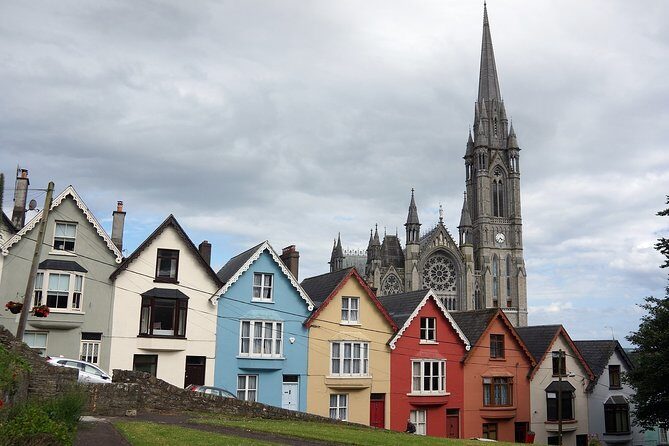
- Landmarks on both sides of Cork’s story: civic sights, churches, and market streets.
- Shandon as a finish: the walk builds toward the Shandon area and St. Anne’s Church.
- Guides who answer real questions: expect time for curious detours.
- Small logistics that help: mobile ticket, near public transportation, and the tour ends where it starts.
Why this Cork private walking tour is a smart use of 2 hours
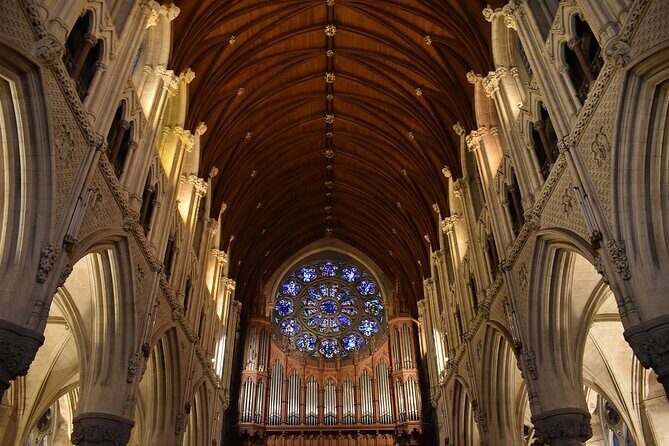
Cork can feel like a lot at first glance: streets curve, landmarks pop out, and the city’s story is written in buildings as much as in plaques. A private walking tour is the fastest way to turn all that into something you can actually remember, without hunting for context yourself.
What makes this one stand out is the structure: you’re guided through a central loop that touches major Cork touchpoints, but you’re not stuck with a rigid script. If you care more about architecture, Irish heritage, or everyday city life, your guide can steer the conversation in that direction while you walk.
And because it’s private, you’re not competing for attention at every stop. Guides in this program have a track record of sharing stories with enthusiasm and sticking around for questions, even when the weather gets awkward.
You can also read our reviews of more walking tours in Cork

Price and group size: paying for a guide, not a crowd
The price is listed as $314.98 per group for up to 15 people, for about 2 hours. That math can be surprisingly good value if you’re traveling with family, a small group of friends, or a multi-generational crew.
Think of it like this: you’re not buying “a few facts,” you’re buying time with a guide who can tailor the route and explain what you’re seeing as you move. If you’re the only adult in your party who wants history context, you’ll often get more practical satisfaction from a private guide than from a larger group tour where you may not get your questions answered.
If you’re traveling solo, it’s still a great way to get personalized guidance, but you should compare it with other tour formats and decide if you want one-on-one attention badly enough to justify the per-group cost.
Meeting at 46 Grand Parade: start easy, finish where you began
You’ll meet at 46 Grand Parade, Centre, Cork (T12 VN56). The tour ends back at the meeting point, which is one of those underrated details that makes planning your afternoon simpler.
Also, you get a mobile ticket, and the meeting location is near public transportation, so you can plug this tour into a day that already has buses, trains, or walking plans. If you hate the stress of “where exactly do we meet,” this layout helps.
Tip: arrive a few minutes early, then let your guide set the pace. In the first few minutes, you’ll get a mental map of how Cork’s center hangs together, and it makes every later stop feel easier to place.
National Monument to Oliver Plunkett Street: the city’s story in motion
The walk kicks off with big-name landmark viewing, starting at the National Monument. Even if you don’t know anything about it, this kind of opening anchor helps you orient quickly. From there, the guide can connect Cork’s public spaces to the larger themes of civic identity and Irish heritage.
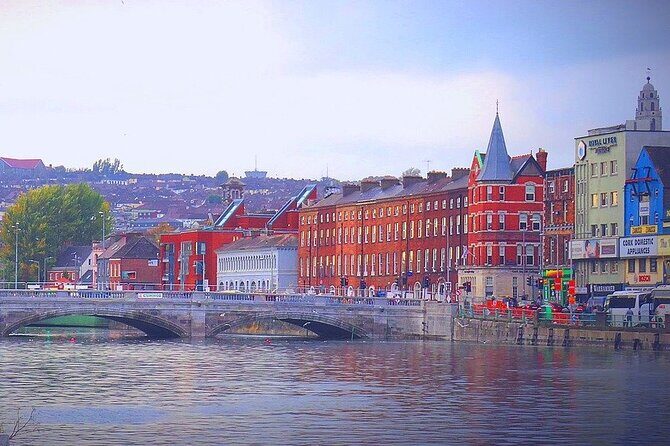
Next you move through streets and city-club territory, including Nano Nagle Bridge, the Cork City Club, and Oliver Plunkett Street. These stops work because they’re not just “pretty scenery.” You’re seeing how Cork’s historic center is stitched together by walkable corridors—so your guide can explain why the city feels the way it does when you’re standing in it.
As you continue to Berwick Fountain, the tour shifts toward the everyday landmarks that people use and pass every day. That matters because a city becomes real when you notice the spots locals recognize, not only the major monuments.
A practical payoff: after this stretch, you’ll likely understand not just what you saw, but how to navigate the rest of Cork’s center without getting turned around.
Nano Nagle Bridge to Bishop Lucey Park: River Lee energy and public space
You’ll spend time by the River Lee area as the route moves through central Cork. The Nano Nagle Bridge stop is a classic “connect-the-dots” moment: bridges are where you can see how the city’s neighborhoods relate to each other.
The walk continues toward Bishop Lucey Park and other downtown open-space views. Parks and riverfront edges often change how a city feels, and your guide will use those spots to help you read Cork’s layout like a map. This is where questions are especially useful—ask what to look for next, and your guide can point out small details you might otherwise miss.
One consideration: this segment can involve more outdoor walking time than you expect from a “short” tour. If the weather is bad, you’ll want to dress for wet pavement and keep your attention on where you’re stepping.
You can also read our reviews of more guided tours in Cork



English Market and nearby streets: a Cork snapshot you can use later
One of the most useful stops is English Market. This is where the tour shifts from “history and architecture” into “here’s what Cork looks like on a normal day.” Even if you don’t plan to buy anything, you’ll get the feeling of the market’s role in the city center.
Nearby, the route goes through Queen’s Old Castle and toward the Cork Vision Centre. The pairing is smart: you’re moving from a historic-looking site into a more modern interpretive space, which helps you see how Cork frames its past and present in the same walkable zone.
Then you’re back to key city-street landmarks, including St. Peter and Paul’s Church. Churches can be visually impressive, but they also act like history signposts. If your guide is the storytelling type, expect explanations that connect architecture and local identity without turning it into a lecture.
If you want to keep the tour useful after you finish, pay attention here. This is where your guide is likely to point out what’s worth revisiting later on your own.
St. Patrick’s Street, Father Mathew, and the march toward Shandon
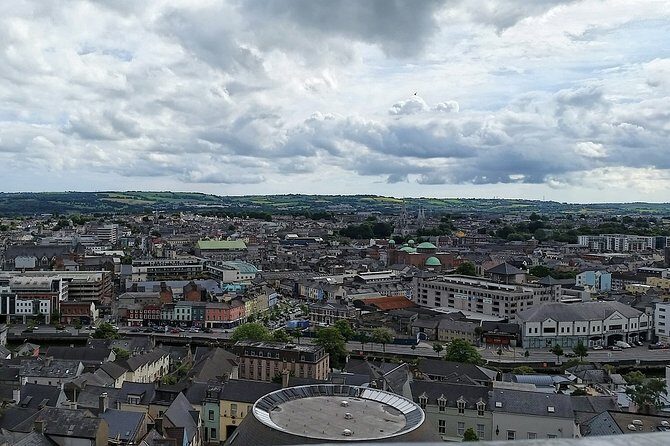
As you reach St. Patrick’s Street, the tour hits the main artery of central Cork. This stop gives you a chance to see how the city’s big public spaces and shopping streets sit beside historic buildings and religious landmarks.
You’ll also see Father Mathew Statue, a moment that can be especially meaningful if you’re curious about how Cork honors people who shaped social history. Your guide can use this as a quick doorway into the broader “Irish heritage” theme that shows up throughout the walk.
Then the tour heads into the Shandon District, where the atmosphere changes. Shandon is where Cork often feels most distinct, and the route’s final stretch is built to take you there on purpose—not just as a random add-on.
If you’re traveling with kids or family members, this is a good place to ask your guide to slow down or tailor the story. Several guides in this program are known for flexibility, including Jack tailoring the tour for a family with kids.
Shandon’s finish: Cork Butter Museum and St. Anne’s Church
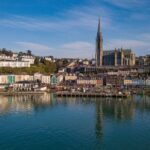
The final section leans into the Shandon area with stops including the Cork Butter Museum and St. Anne’s Church in Shandon. This is a “payoff” zone: you’ll likely feel like you’ve reached the heart of the walk’s character.
The Cork Butter Museum stop is a fun change of pace. Instead of only major monuments, you’re seeing how everyday industries and local culture can be turned into a story you can stand inside and picture. It’s one of those moments that can make the tour feel more human and less like a checklist.
Then St. Anne’s Church in Shandon closes the loop. Your guide’s job here is to help you notice what matters visually and explain why this part of Cork is so recognizable. If you’re taking photos, this is where you’ll want to pause and look around, not just snap quickly.
Pro tip: save energy for the finish. The Shandon stretch is where you want good focus, because the surrounding streets add to the mood.
Guides and what they tend to do well (Adina, Noel, Fabio, Jack, Mary, Michael)
One reason this tour earns such strong marks is the human factor: guides who bring the city to life with clear storytelling and a friendly approach.
- Adina is highlighted for being excellent, knowledgeable, and accommodating, with history explanations that land well.
- Noel is especially praised for stories about Ireland’s struggle for independence, delivered with enthusiasm and a personal, friendly vibe. That focus can make the tour feel emotionally grounded rather than just informational.
- Fabio shows up again and again as a great “intro to Cork” guide, with an emphasis on interesting local insights and attention to small details you might otherwise miss.
- Jack is praised for being flexible, including planning around rain while still keeping things fun. He’s also noted for tailoring the tour to different needs, like a family with kids.
- Mary is praised for sharing cultural history with genuine passion for Ireland.
- Michael stands out for time spent showing historic buildings and explaining Cork’s history with strong engagement.
Important note: you won’t control which guide you get. But you can control your own experience by showing up with questions ready, and by telling your guide what you want most—architecture, Irish heritage, or city life.
Practical tips for a smooth 2-hour walking tour
This is about 2 hours on foot, so plan like it’s a mini-activity, not a casual stroll. Wear shoes you can walk in comfortably, and keep water handy if you’re out in warmer weather.
Because entrance fees aren’t included, treat inside visits as an optional bonus rather than a given. If there’s a particular building you’re hoping to enter, ask your guide early on. They can often help you decide what makes sense based on time.
If rain hits, don’t panic. One guide (Jack) is specifically noted for adjusting when the weather turns, and private guides usually have more room to manage pace and routes than group tours.
Finally, remember you’re allowed to customize on the spot. A simple move that improves satisfaction: at the start, ask for one priority (for example, river views, market life, or Shandon). Then, when you reach that zone, your guide has a clear target for what to emphasize.
Should you book this Cork private walking tour?
Book it if you want a fast, high-impact orientation to Cork City center, and you like the idea of a professional guide who can answer questions while you walk. It’s also a good choice if you’re traveling with family or a small group where splitting up just isn’t worth it.
Skip it or compare it if you only want to do “the highlights” with no guided context at all, or if you’re mostly focused on paid museum entries. This tour is about seeing and understanding, and the pricing is per group, so it’s best when you can make that group-time count.
If you’re visiting for the first time and want Cork to start making sense quickly, this is a strong bet. Start here, get your bearings, then use what you learn to explore the rest of the city with confidence.
FAQ
How long is the Cork private walking tour?
It runs for about 2 hours.
How much does the tour cost?
It’s priced at $314.98 per group, up to 15 people.
Is this tour private?
Yes. It’s a private tour/activity, so only your group participates.
What language is the tour offered in?
The tour is offered in English.
Do I need to print anything for the ticket?
No. You receive a mobile ticket.
Where does the tour meet, and when does it end?
You meet at 46 Grand Parade, Centre, Cork (T12 VN56), Ireland, and the tour ends back at the meeting point.
Are entrance fees included?
No. Entrance fees are not included.
Can I request changes to the route?
Yes. The tour allows possible customizing on the spot with your local guide.
Is the tour near public transportation?
Yes, it’s near public transportation.
Can service animals join the tour?
Yes. Service animals are allowed.