REVIEW · CORK
Cork: City Gaol Tour with Audio Guide
Book on GetYourGuide →Operated by Cork City Gaol · Bookable on GetYourGuide
A jail tour in Cork feels strangely human. I love how the neo-Gothic and Georgian-looking exterior sets you up for what’s inside, then the audio guide makes the experience personal with inmate stories and daily routines. You get that contrast right away: castle-like charm outside, long, cold corridors once you step in.
Two things I especially like are the chance to focus on the West Wing at your own pace and the way the audio ties rooms to real people, including famed revolutionary Countess Constance Markievicz. One possible drawback: since it’s fully self-guided, you’ll want to give yourself time to slow down—rush it, and you’ll miss the best details.
In This Review
- Key highlights to look for
- Entering Cork City Gaol: the moment the mood changes
- How the self-guided audio tour works (and how to use it well)
- West Wing corridors: where the audio brings the people forward
- Inside the cells: lifelike figures, sound effects, and what they’re trying to do
- Exhibits that show daily patterns of inmates and wardens
- Famous inmates: Countess Constance Markievicz in context
- The grounds and perimeter walk: finish with a wider view
- Price and value: what $15 buys you in real time
- Who should book this audio-guided gaol visit?
- Should you book Cork City Gaol with an audio guide?
- FAQ
- How long does the Cork City Gaol audio tour take?
- Is the tour self-guided?
- What’s included with the ticket?
- What languages is the audio guide available in?
- Does the tour run in bad weather?
- Are hotel pickup and drop-off included?
- Are there specific start times?
- What is the cancellation window?
Key highlights to look for

- Neo-Gothic architecture outside, stark cells inside: spot the shift from “castle” feel to prison reality
- West Wing storytelling: hear everyday accounts as you walk the corridors
- Interactive-style exhibits for routine: connect what you see with how inmates and wardens actually moved through the day
- Grounds and perimeter access: end your visit with a walk around the outside area
- Audio guide that’s easy to use: clear, multi-language tracks in English plus many others
Entering Cork City Gaol: the moment the mood changes
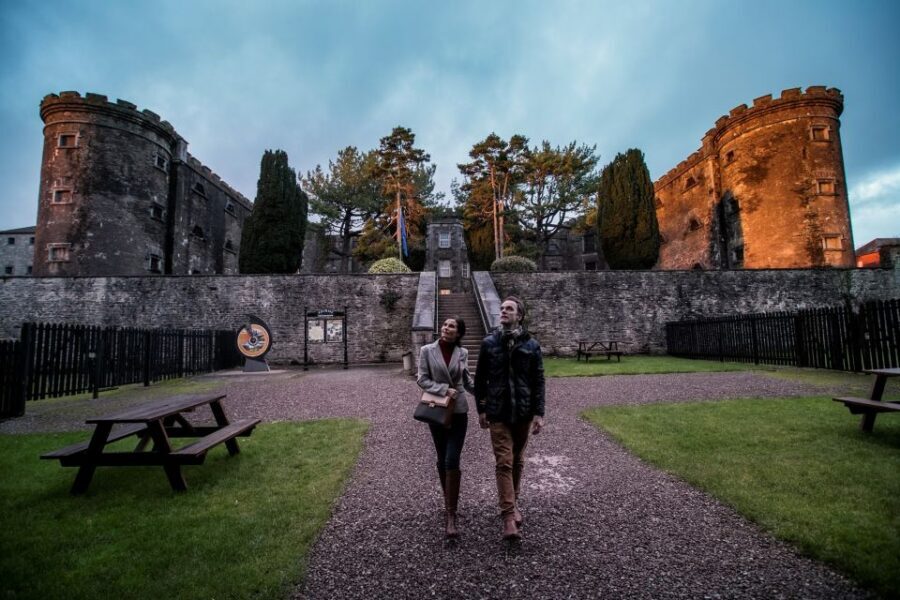
Cork City Gaol doesn’t start as a scary place. The exterior has that stately, castle-like look that blends Georgian character with neo-Gothic flair, so your brain initially treats it like a heritage building. Then you cross the threshold and the tone shifts fast: long passages, stark cells, and the kind of quiet that makes your footsteps feel louder.
I like that the site lets you arrive with curiosity, not just dread. You can take your time at the entrance, look closely at the building’s shape, and then walk inward when you’re ready for the harder themes. It’s one of the best ways to make a prison visit feel more grounded and less like a haunted-house gimmick.
You can also read our reviews of more guided tours in Cork



How the self-guided audio tour works (and how to use it well)
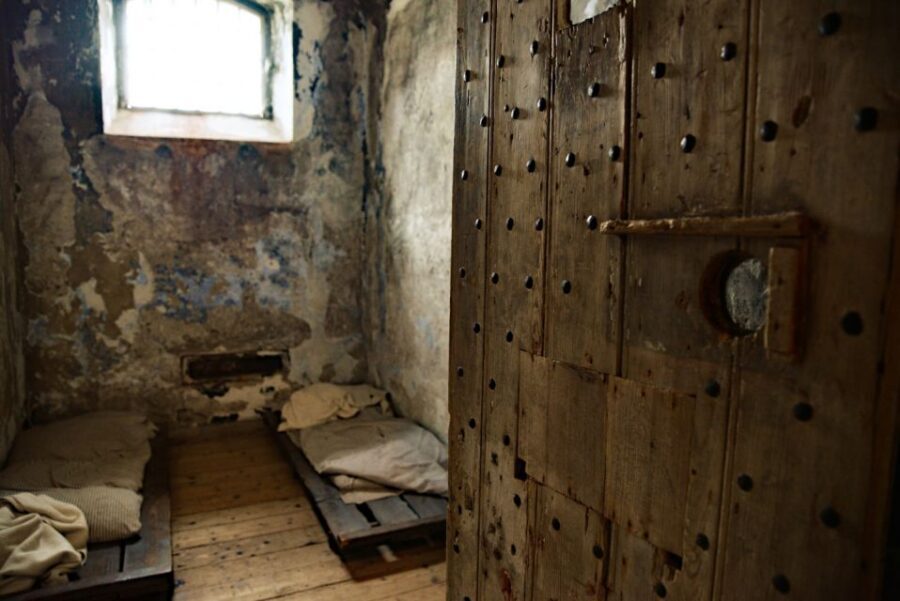
This is a self-guided experience with an audio guide. That means you’re not locked into a group schedule, which is great if you like to stop, reread signs, and go back for one more detail. It also means you’re in charge of your pacing, so plan to spend a bit more time than you think you’ll need.
The good news: the audio guide is designed to be simple to run, and reviews point out that it’s easy to use. If you want the best value, give yourself at least an hour, and often closer to 1–2 hours if you want to take in the audio plus the grounds afterward.
One practical tip: put on your “slow walking” mode as you enter. The first sections set up the story, so if you blast through early, the later stops feel less connected.
West Wing corridors: where the audio brings the people forward

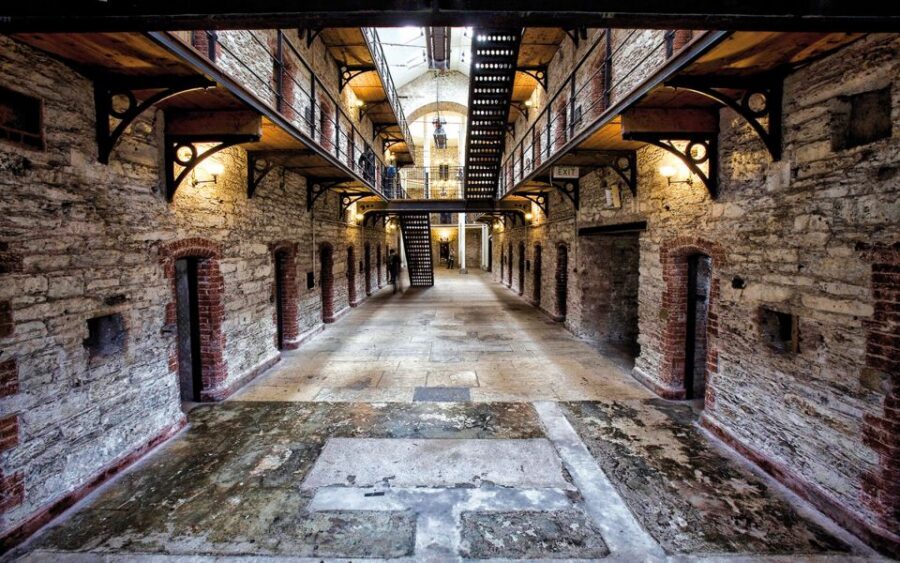
The West Wing is a standout part of the visit. As you walk it, the audio shares fascinating stories tied to what you’re seeing—so the corridors aren’t just empty space. You get the sense of how ordinary people lived in a place built to control daily motion, not comfort.
This is where the prison architecture turns into something you can mentally map. Long corridors and doorways start to feel less abstract, and more like a system. You’ll be hearing about inmates and wardens as you move, which helps the spaces click into place.
I also like that the tour encourages you to pay attention to “everyday” life, not only dramatic moments. Prison history is often told as a headline. Here, you get more of the day-to-day reality that makes it harder to forget.
Inside the cells: lifelike figures, sound effects, and what they’re trying to do
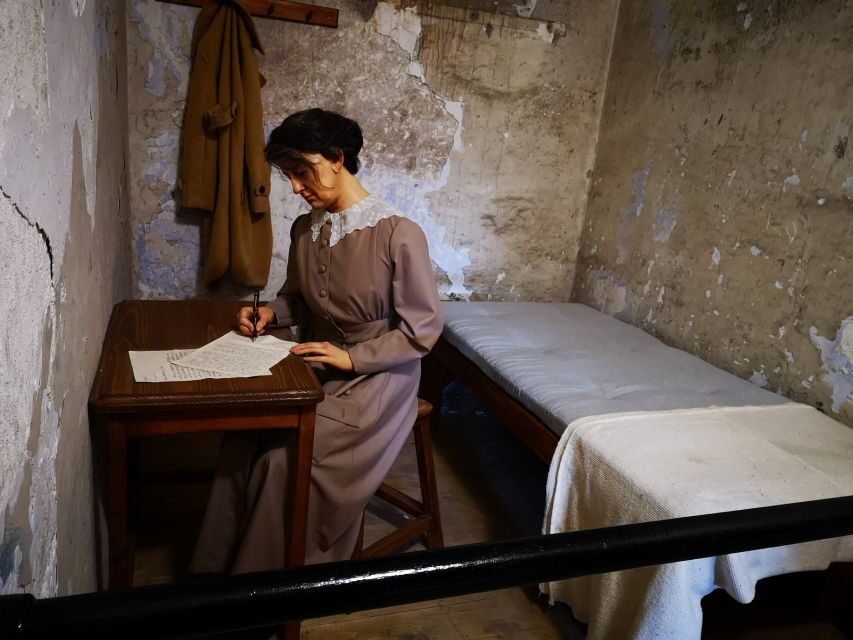
Once you move deeper into the gaol, the tour leans into sensory storytelling. Expect lifelike figures in furnished cells, plus haunting sound effects. This isn’t about jump scares—it’s about recreating an atmosphere so the history feels present.
The furnished cells matter because they help you picture constraints rather than just punishments. You can stand in one spot and imagine how the room sized your life: where you could sit, how the space shaped privacy, and what it meant to be shut in for long stretches.
Sound effects can be intense, so if you’re sensitive to audio playback, be ready to lower volume on your device if that option exists. Either way, this interior section is the emotional center of the visit.
Exhibits that show daily patterns of inmates and wardens
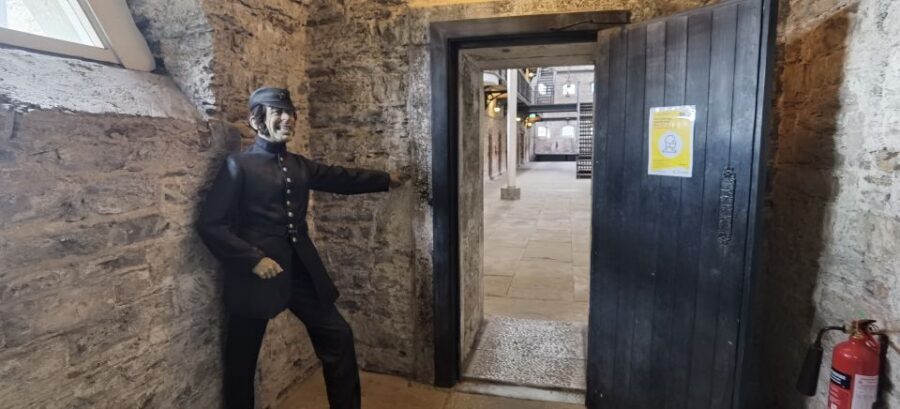
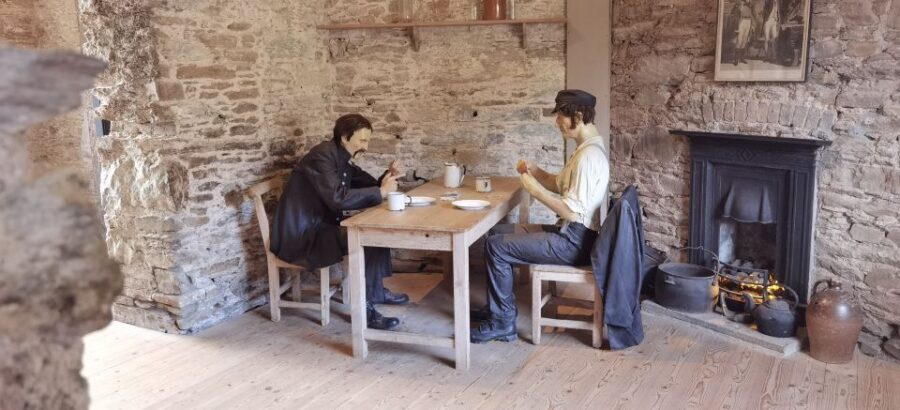
A key part of the experience is how it connects the physical setting to routines. The tour includes interactive-style exhibits that help you relive daily patterns of inmates and wardens—how the day moved, who did what, and how structure replaced freedom.
For me, this is where the visit becomes more than “see a prison.” You start understanding the gaol as an operating system. The building isn’t just old. It’s functional in a way that controlled time, movement, and behavior.
Look for moments where the audio links an exhibit to the specific space you’re standing near. When the story matches the room, it’s easier to hold onto—and harder to brush off.
You can also read our reviews of more city tours in Cork






Famous inmates: Countess Constance Markievicz in context
The audio guide doesn’t only talk about unnamed prisoners. One standout story is that of Countess Constance Markievicz. Knowing her name helps you connect the site to Ireland’s broader political and revolutionary history.
But what makes this work on-site is the contrast. You can be thinking about a major historical figure, then immediately return to the practical questions prison life raises. What did confinement do to routine? How did the institution manage different kinds of detainees? The audio helps you hold both ideas at once.
If you’re the type who likes history with names and context, this is a strong reason to schedule the visit rather than pass it by.
The grounds and perimeter walk: finish with a wider view
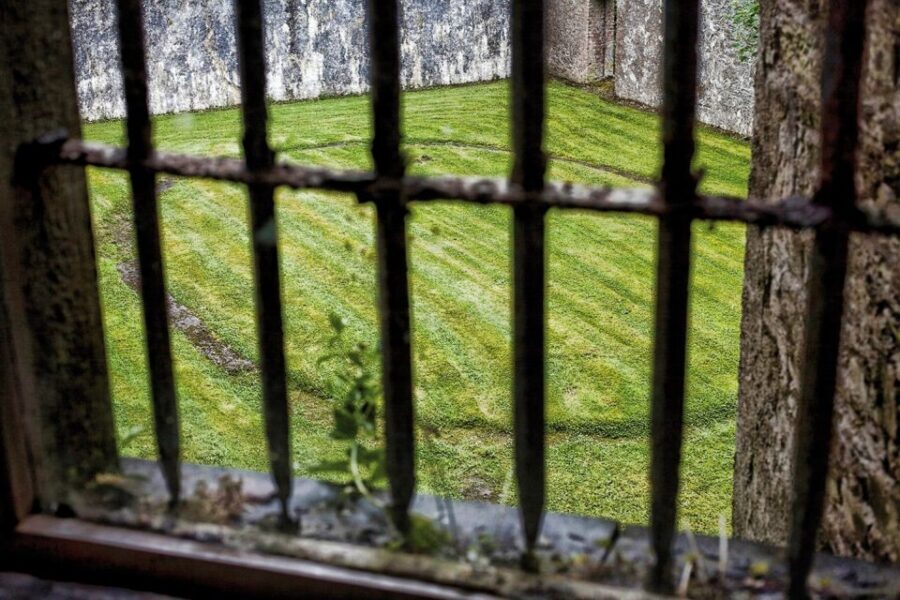
After the interior, you’ll meander to the outer buildings and walk the perimeter of the gaol grounds. This section is quieter and more open, so it gives your mind a reset. It’s also a helpful reality check: from outside, you can understand the gaol’s layout and how the building relates to the surrounding area.
I like that the ticket includes grounds and perimeter access. Even if the inside is where the emotional story lives, the outer walk helps you “read” the facility as a complete site, not just a set of rooms.
If the weather’s good, this is a pleasant time to slow down and take photos from angles you can’t get inside. If it’s wet, stick with waterproof shoes and take your time—paths can be slick.
Price and value: what $15 buys you in real time
At about $15 per person, this tour is fairly easy to justify—especially because you’re getting more than entry. The ticket includes access to the gaol, the grounds and perimeter, and an audio guide, which is the core of the storytelling.
The real value shows up in flexibility. You can stop when something catches your attention, replay sections if you want, and spend extra time in the areas that interest you most. With a typical visit running 1–2 hours, it’s also not the kind of activity that drains an entire day.
One note on planning: starting times depend on availability. If you’re traveling at busy times, check schedule options early so you’re not stuck with an awkward time slot.
Who should book this audio-guided gaol visit?

This tour fits best if you like history that’s specific and visual. You’ll enjoy it if you appreciate architecture, like hearing stories as you walk, and want a strong sense of how daily life worked inside prison walls.
It also suits solo travelers and pairs who prefer control over pacing. Because it’s self-guided, you don’t have to match someone else’s speed. If you’re traveling with someone who gets impatient in long museums, this may still work well because you can follow the audio track naturally and decide how long to linger.
If you hate audio playback in enclosed spaces, though, you might find the interior sound effects less comfortable. In that case, consider bringing ear protection or planning your volume settings before you start.
Should you book Cork City Gaol with an audio guide?
Yes, if you want a practical, story-driven way to see Cork’s heritage architecture and understand what the gaol was like day to day. For the price, the audio guide is doing the heavy lifting, and it guides you through the West Wing, furnished cells, and the grounds in a way that feels structured without feeling rushed.
I’d skip it only if you’re looking for a live guide-led Q&A or you strongly dislike self-guided sites. Otherwise, it’s a smart use of time—especially when you want history that you can walk through at your own pace, with names like Countess Constance Markievicz making the past feel connected.
FAQ
How long does the Cork City Gaol audio tour take?
Plan for about 1–2 hours to enjoy the tour, the audio presentation, and the gardens/grounds.
Is the tour self-guided?
Yes. You’ll explore on your own with an audio guide.
What’s included with the ticket?
Your ticket includes entry to Cork City Gaol, access to the grounds and perimeter, and an audio guide.
What languages is the audio guide available in?
The audio guide is available in English, Irish, Czech, Dutch, French, German, Italian, Polish, and Spanish.
Does the tour run in bad weather?
It takes place rain or shine.
Are hotel pickup and drop-off included?
No, hotel pickup and drop-off are not included.
Are there specific start times?
You’ll need to check availability to see starting times. The experience is valid for 1 day.
What is the cancellation window?
Free cancellation is available up to 24 hours in advance for a full refund.