REVIEW · CORK
Cork: Guided Historical Walking Tour
Book on GetYourGuide →Operated by Titanic Trail Guided Walking Tour Cobh · Bookable on GetYourGuide
Cork’s streets hide stories under your feet. This historical walking tour stitches together Cork’s trading-era past and the city’s modern shape as you move from landmark to landmark in about an hour. I love the way the guide uses local, personal storytelling alongside clear historical facts. I also like the smart route choice: you’ll literally follow the river’s path through the city.
The biggest potential drawback is also the simplest: it runs rain or shine, and you’ll be walking the whole time. Also, even though there’s free cancellation within a window, it’s still described as non-refundable in the fine print, so plan carefully.
If you want a quick way to understand Cork without buying a museum ticket for every stop, this is one of the easier bets in town.
In This Review
- Key highlights you will feel on the walk
- First stop: the Cork Tourist Information Centre and an efficient loop
- Following the river under Cork’s curved streets
- Cork Opera House and Shandon church: a skyline you can read
- Carey’s Lane and the Hugenot cemetery: refugees meet city space
- Coal Quay, Cornmarket Street, and Grand Parade’s public power
- Nano Nagle’s footbridge and St Finbar’s Cathedral: faith and education in the same story
- South Mall boathouse entrances and the English Market finish
- Price and value: why $26 is a good deal for this kind of context
- What to expect on the ground: pace, group feel, and practical comfort
- Who should book this Cork walking tour
- Should you book the Cork Guided Historical Walking Tour?
- FAQ
- How long is the Cork guided historical walking tour?
- Where do I meet the guide?
- Where does the tour end?
- How much does the tour cost?
- Does the tour include food or drinks?
- Is hotel pickup or drop-off included?
- What language is the tour guide?
- Is the tour wheelchair accessible?
- Is the tour affected by weather?
Key highlights you will feel on the walk
- You track the river’s route as the city curves around it, so Cork’s layout makes sense fast
- Shandon church and its clockfaces give you an instant sense of scale and local pride
- Carey’s Lane leads to the Hugenot cemetery, a stop that adds human depth to the dates
- Grand Parade and memorials help you read Cork’s public spaces instead of just passing them
- Nano Nagle’s legacy shows up in a real place name you’ll walk across
- English Market becomes a practical finish, perfect for snacks after the tour
First stop: the Cork Tourist Information Centre and an efficient loop
This tour is built for people who want Cork in one focused hit. You meet at the Cork Tourist Information Centre and should arrive about 10 minutes early. From there, you get a structured route that doesn’t waste time zigzagging across the city, and it loops back to the meeting point when you’re done.
The duration is about 75 minutes, so it’s long enough to connect the dots between landmarks but short enough that you can still build your own day afterward. The group experience also seems designed for real street conditions: the tour uses live guidance in English, and the setup is easy to follow even with the usual city noise.
If you like walking tours that leave you with a mental map, this one tends to do that quickly. You’ll see the main monuments, but you’ll also understand why they’re where they are.
You can also read our reviews of more walking tours in Cork

Following the river under Cork’s curved streets
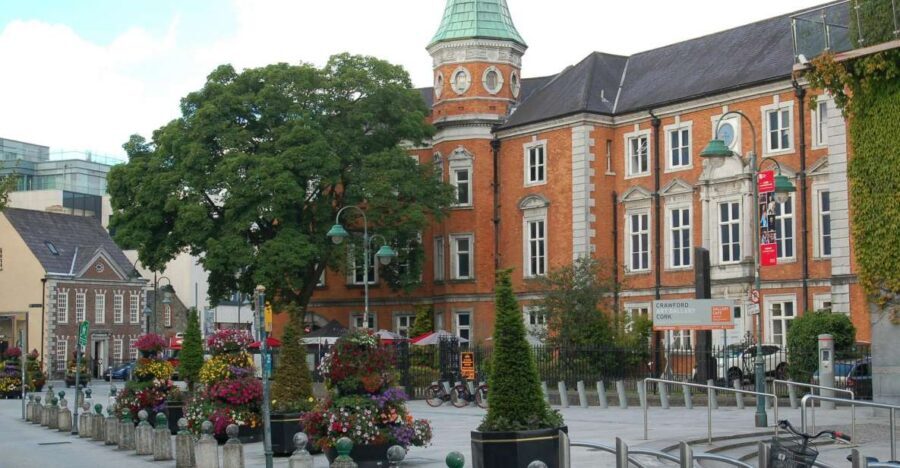
One of the clever parts is how the guide frames Cork’s geography. You walk along the curved main street while following the route of the river beneath it. That single idea changes how you see the city. Instead of treating Cork as a grid of shops and streets, you start recognizing how waterways shaped everything—trade, building choices, and where people gathered.
This is also where the maritime theme kicks in. Cork’s position made it a transatlantic and European trading hub, and the tour doesn’t just say the words. It points out how the city’s architecture and street alignments reflect that seafaring and mercantile identity.
Practical tip: keep an eye on street-level clues as you go. Doors, corners, and small shifts in street width can tell you where old access points were. If you’ve ever toured a historic city where the guide skips the “why,” you’ll appreciate how this one explains the logic as you walk.
Cork Opera House and Shandon church: a skyline you can read
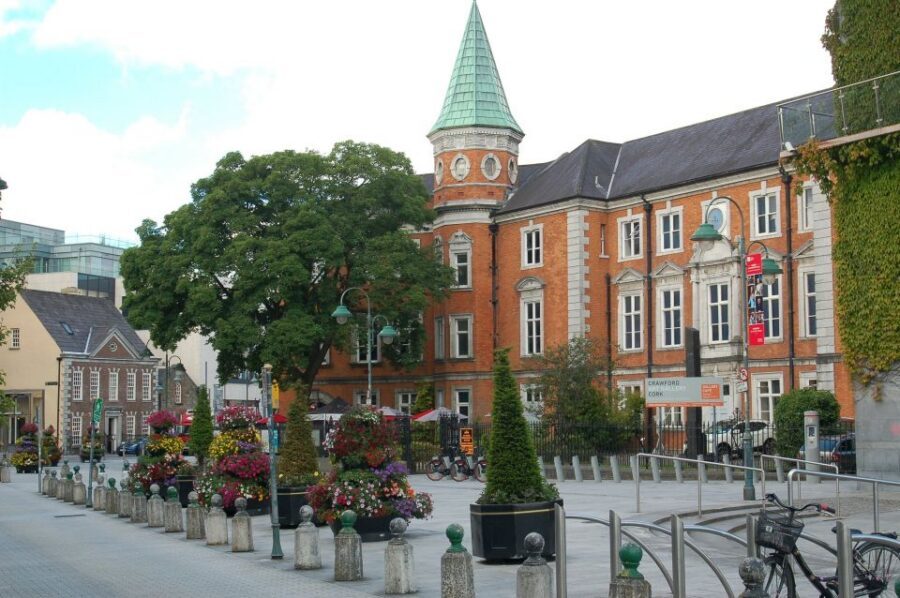
As you move through the city centre, you get two big visual anchors: Cork Opera House and Shandon church across the river. The Opera House gives you a sense of Cork as a place where culture and civic life grew alongside trade. Shandon church, on the other hand, is the postcard moment—red and white brickwork, plus clockfaces that make the tower feel both historic and lived-in.
The tower shape helps you understand why Cork’s skyline has that distinctive look. You’re not just seeing buildings; you’re seeing landmarks that acted as reference points for a city built around movement—river movement, foot traffic, and commerce.
Optional add-on idea: if the tour timing lines up with your day, you might want to revisit Shandon church for extra on-site experiences. One useful detail from a prior walk experience is that you can pull ropes to ring the bells, and there’s also a paid option to climb up the tower. The cost mentioned was 6 euros per person for that kind of add-on. That’s not part of this walking tour itself, but it can turn the area into a fuller experience if you have time.
Carey’s Lane and the Hugenot cemetery: refugees meet city space
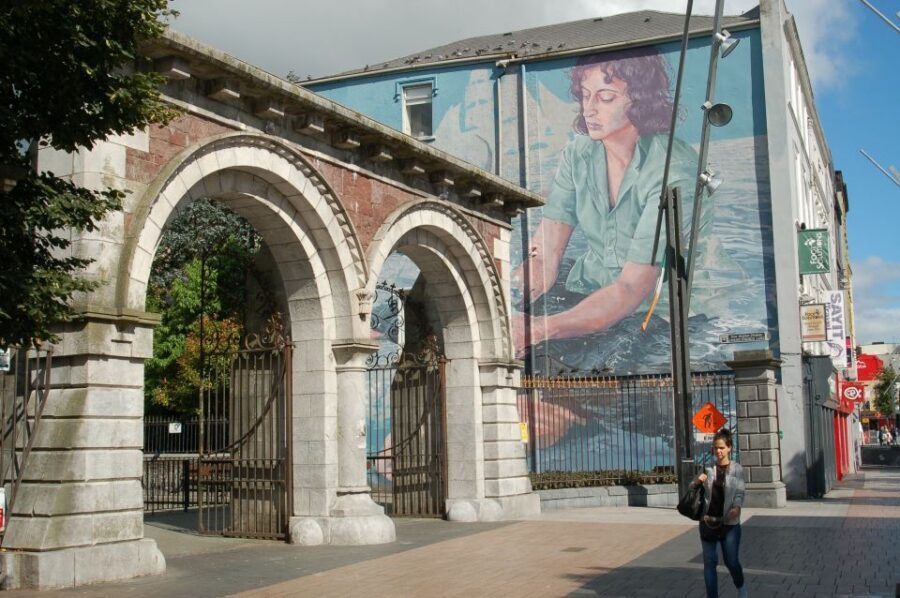
Next up, you stroll down Carey’s Lane to the Hugenot cemetery. This stop adds a different kind of meaning to your Cork map. Instead of focusing only on merchants and ships, the guide brings in the reality of people who arrived with their own histories, beliefs, and hardships.
That matters because trade cities aren’t only about goods—they’re about migration. The cemetery stop helps you connect Cork’s past to the broader European story of religious communities and refuge. It’s a quieter moment on a walking route, but it often becomes one of the most memorable parts because it adds human scale to what can otherwise feel like a list of monuments.
If you tend to skim cemetery stops, don’t here. Even if you only take a minute, let the guide’s framing sink in. You’ll understand the city better for having seen it through this lens.
Coal Quay, Cornmarket Street, and Grand Parade’s public power
After the cemetery, the route moves through areas tied to commerce and daily life: the Coal Quay and Cornmarket Street come next. This is where Cork’s trading rhythm feels close to the surface again—places that once supported movement of goods and the people who managed it.
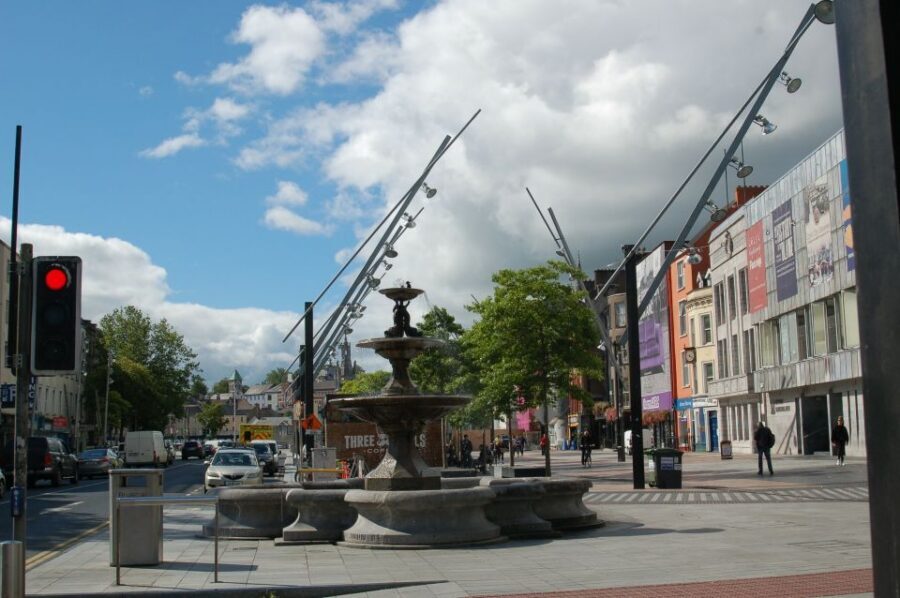
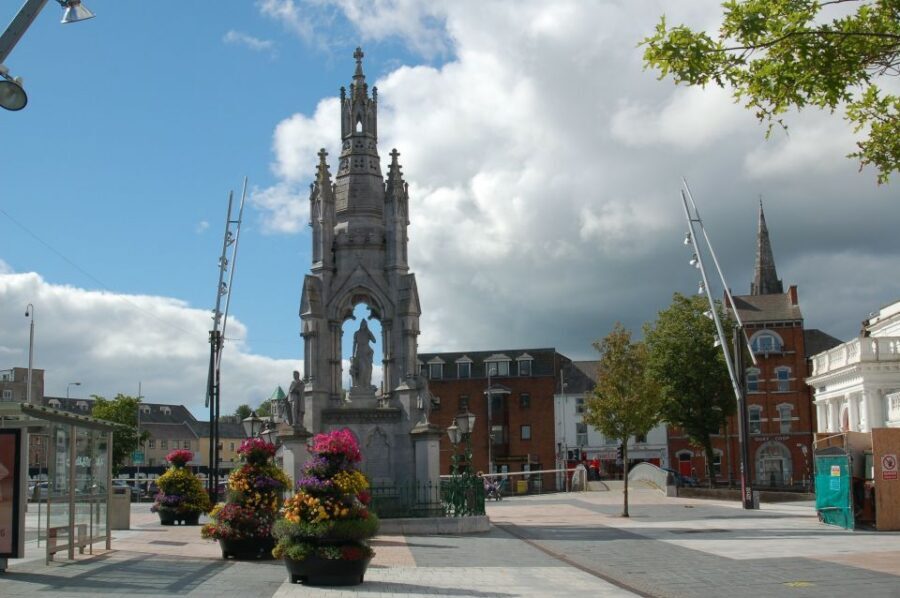
Then you hit Grand Parade, which is described as the widest street in Cork. That street width isn’t just a fun fact; it affects how you experience the space. On a broad avenue, monuments and public features become part of the town’s shared identity.
On Grand Parade, you’ll see:
- Bishop Lucy Park
- the Berwick fountain
- the National memorial
These stops are worth more than the photos. The guide uses them to connect civic pride with history, helping you read monuments as statements, not just objects. If you’ve ever wondered why memorials feel different in different cities, this is where you get an answer: the setting shapes what the monument is saying.
You can also read our reviews of more guided tours in Cork



Nano Nagle’s footbridge and St Finbar’s Cathedral: faith and education in the same story
One of the more moving segments involves Nano Nagle. You’ll hear about her humanitarian work, especially her push for education for the poorest classes. What makes this part click is that the tour places her legacy into a walkable, name-based landmark: a footbridge named in her honour.
That’s the kind of detail that helps you remember the story later. It’s not just a biography floating in your head. It’s tied to a spot you pass with your own eyes, in the middle of the city.
After that, you explore St Finbar’s Cathedral, then continue toward South Gate Bridge and Elizabeth Fort. Together, these stops give you a sense of how Cork defended, organized, and structured space around key routes.
Cathedral + fort stops also help clarify something practical: cities like this often developed in layers. Religious authority, trade routes, and defensive needs all shaped the same places, just at different times. You’ll walk away with a better sense of how those layers overlap.
South Mall boathouse entrances and the English Market finish
Later in the walk, you reach the business quarter known as South Mall. This is where you look for remnants of former boat house entrances. It’s the kind of detail you could easily miss on your own, which is why the guide’s pointing matters.
The fact that you’re seeing remnants tied to boat houses matters because it brings the maritime theme from story mode into physical reality. You start understanding that Cork’s riverfront wasn’t just scenic—it was functional, built for work.
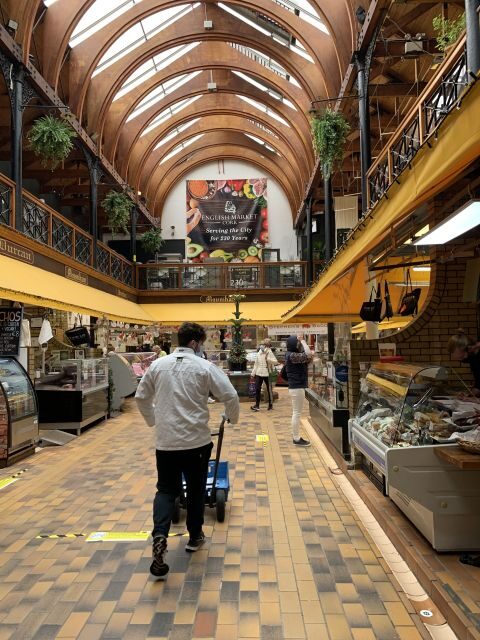
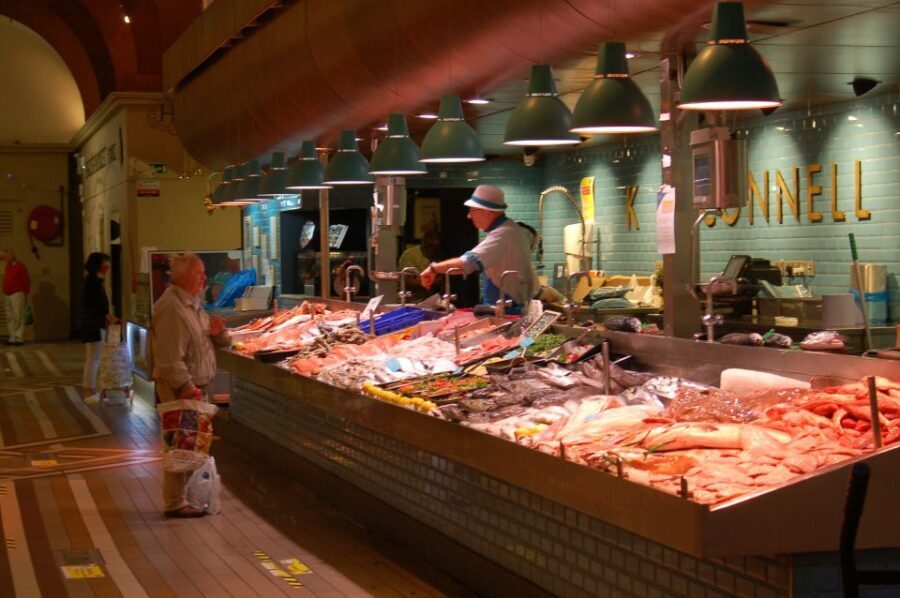
Then the tour ends in Princes Street at the main entrance to the English Market. This is a smart finish point. The English Market is the perfect place to pause, snack, and keep your Cork momentum going without planning more transport. It also works well psychologically: the tour gives you the context, then the market lets you enjoy the city right away.
If you’re wondering where to go next after a guided walk, this ending helps. You already have a central reference point and a reason to linger.
Price and value: why $26 is a good deal for this kind of context
At about $26 per person for roughly 75 minutes, the value comes from how much you get for the time. You’re not just collecting names of buildings. You’re getting a guided explanation of:
- Cork’s transatlantic and European trading role
- how the river shaped street layout
- why major landmarks are where they are
- how communities and humanitarian work fit into the same city story
That’s the difference between a quick sightseeing loop and an orientation that improves the rest of your day. If you’re paying in order to make your subsequent self-guided exploring easier, this price makes sense.
It also helps that the tour is live and guided in English. For many history walks, audio matters, and one review-style detail that supports comfort is that a headset microphone setup can make listening easier. If you struggle to hear in groups, this is a plus.
What to expect on the ground: pace, group feel, and practical comfort
The tour is straightforward: you’ll walk city centre streets, stop for key explanations, and move on. Since it’s rain or shine, plan your clothing like it’s an outdoor day, not a museum visit. Good walking shoes are a bigger deal than you think, especially if you’re taking photos and stopping to look up at clockfaces and towers.
The pacing is also important for value. With a 75-minute runtime, you shouldn’t feel dragged through long detours. You’ll see the main monuments, then finish with a practical hub.
Group size isn’t officially listed, but the tour experience tends to be manageable. One detail that came up in previous tour experiences is that groups can be around 20 people, and the use of audio assistance helps keep the guide’s voice clear. If you want a walking tour that you can actually follow without straining, this setup works.
Who should book this Cork walking tour
This is a great match if you:
- want an easy way to understand Cork fast
- like city history that connects geography to real places
- prefer walking routes that end near food and activity (English Market is a solid finish)
- travel with kids or anyone who needs a tour that’s engaging without dragging
It’s also a reasonable option if you’re planning other sights later, because the route helps you map what’s where. One review-style takeaway that matters for your planning: this kind of tour is often best early in your stay, before you’ve settled into only one neighbourhood.
Wheelchair accessibility is listed as available, which is a meaningful advantage if you need it. If you need extra time at curb cuts or want to go slowly on uneven stone, your best move is to choose shoes with grip and show up early so you don’t feel rushed.
Should you book the Cork Guided Historical Walking Tour?
Yes, if you want the simplest way to make sense of Cork in a single hour-plus walk. The route hits the landmarks people actually photograph—Shandon church, St Finbar’s Cathedral, and the big memorial areas on Grand Parade—then ties them back to trade, waterways, and people like Nano Nagle.
Skip it only if you already know Cork deeply and want something more specialized, like a long-form archaeology or maritime deep study. This tour is designed for breadth with clear explanations, not a multi-hour immersion.
If your goal is to get your bearings fast and turn the rest of your Cork day into smarter wandering, this one is a strong booking.
FAQ
How long is the Cork guided historical walking tour?
It runs for about 75 minutes.
Where do I meet the guide?
Meet at the Cork Tourist Information Centre. Arrive around 10 minutes early.
Where does the tour end?
It ends back at the meeting point.
How much does the tour cost?
The price listed is $26 per person.
Does the tour include food or drinks?
No. Food and drinks are not included.
Is hotel pickup or drop-off included?
No, hotel pickup and drop-off are not included.
What language is the tour guide?
The live tour guide provides the tour in English.
Is the tour wheelchair accessible?
Yes, it is listed as wheelchair accessible.
Is the tour affected by weather?
It takes place rain or shine. Bring weather-appropriate clothing.