Fota House makes a house visit feel like a story. With a pre-booked guided tour of this 1800s estate in Cork, you get the setting, the family drama, and the gardens all in one smooth stop, including time to take in the grounds.
I especially like two things: the Smith-Barry family household details—down to what life looked like inside the rooms—and the arboretum plantings from the southern hemisphere that change how the walk feels with every turn. One practical drawback: parts of the house may be under restoration, so not everything is always on view during your tour.
In This Review
- Key things to know before you go
- Entering Fota House: Regency elegance and the Smith-Barry household story
- Inside the rooms: what the guide points out (and why it sticks)
- Gardens and the arboretum: rare plantings you can actually walk through
- What you’ll see during the guided tour (1 to 2 hours)
- Price and value: is $15.69 worth it?
- Morning vs afternoon: choosing the timing that fits your day
- Practical logistics: parking, where to meet, and how to plan your route
- The cafe and the practical end of your tour day
- Should you book Fota House?
- FAQ
- How long is the Fota House Arboretum & Gardens admission experience?
- Does the admission ticket include the guided tour?
- Are morning and afternoon guided tours available?
- Where do I meet for the tour?
- Is parking included in the ticket price?
- Do I get a mobile ticket?
- Are there limits on group size?
- Is free cancellation available?
Key things to know before you go

- Small group size (max 10) keeps questions easy and the pace relaxed.
- Morning or afternoon guided tours help you fit it around trains, buses, or a longer Cork day.
- A local guide leads the visit, so the rooms and gardens make more sense than a self-walk.
- Admission includes the time in Fota House, but the site parking fee is separate on exit.
- Expect a living estate: some areas can be under construction, while the gardens continue to shine.
Entering Fota House: Regency elegance and the Smith-Barry household story
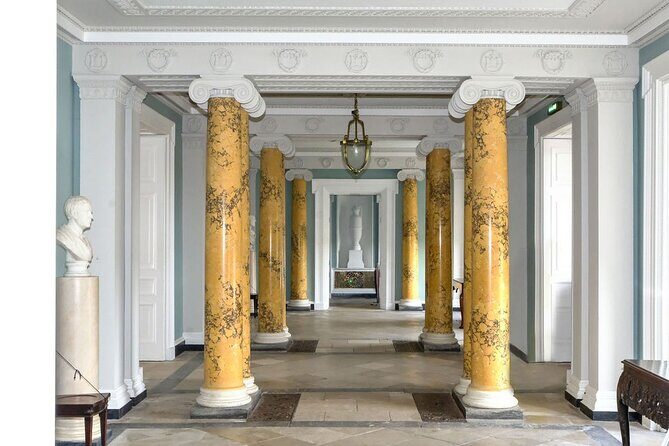
Fota House is one of those rare places where the architecture and the human story match. The main house dates from 1820, with a Regency look and neoclassical interiors that make the rooms feel formal even when you’re just walking through a corridor. If you enjoy period homes, this is the kind of estate where details are the whole point.
What makes the visit more than pretty rooms is the way the house is framed as lived-in history. The Smith-Barry family held sole ownership for 155 years, and the tour focuses not only on the family but on the household staff too. That matters. You get a fuller sense of daily life—who did what, how rooms were used, and how a major home actually ran day to day.
Restoration is part of the picture as well. You’ll hear how the home and its furniture have been worked on over time. And yes, because it’s an active heritage property, some areas can be temporarily unavailable—so the tour you get is shaped by what’s accessible that day.
A few more Cork tours and experiences worth a look


Inside the rooms: what the guide points out (and why it sticks)
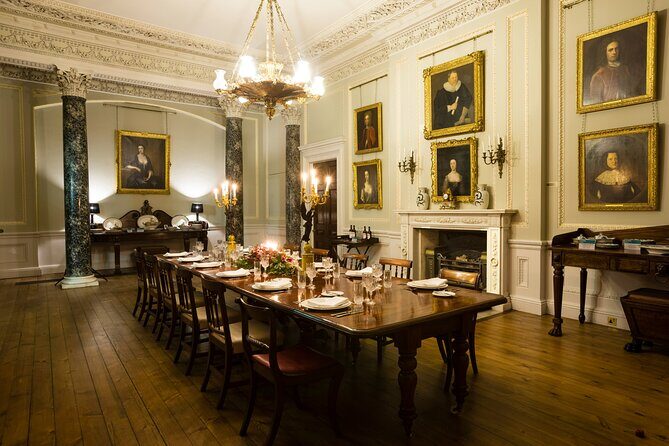
A great guided house visit doesn’t just show you where things are. It teaches you how to see them. Here, the guide brings the rooms to life with a mix of history and practical restoration context, so you come away understanding what you’re looking at and why it matters.
You’ll also hear standout details that turn the house into a memory. In one tour account, the guide used period costume and pointed out specific features like two green beige doors—the kind of detail that makes you look twice and remember the space later.
This is also where the tour’s art angle comes in. The experience includes a look at one of Ireland’s well-regarded collections of scenery paintings, tied to the estate atmosphere. Even if paintings aren’t your main interest, the guide’s framing helps them connect to the owners’ world—taste, leisure, and how art matched the setting.
If you’re the type who likes to ask questions, the small group size helps a lot. With a maximum of 10 in the tour, you’re less likely to feel like you’re being rushed through the next room.
Gardens and the arboretum: rare plantings you can actually walk through
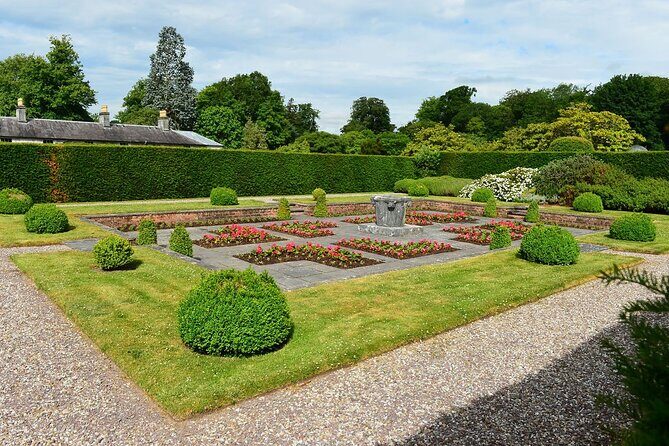
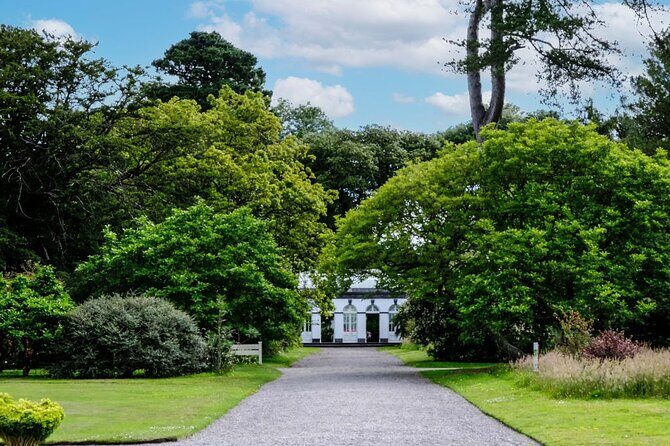
Once you’re outside, the experience shifts gears in the best way. The estate spans 115 acres (within a larger original 780-acre property), so you’re not stuck in a tiny landscaped circle. The arboretum is the star: it includes rare and exotic plantings, including species originally from the southern hemisphere.
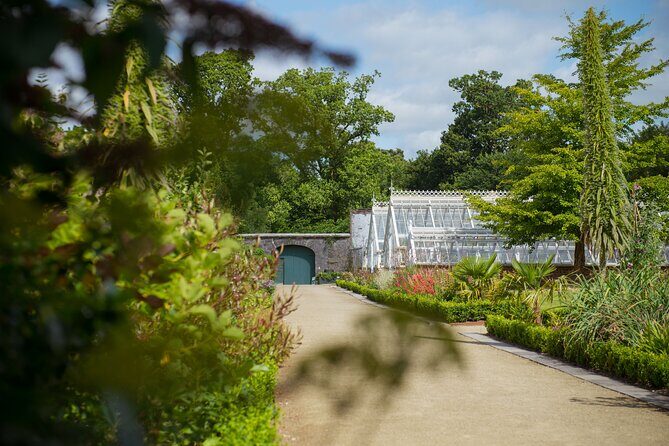
Why this matters for you: these collections aren’t just about having plants. They create a changing sensory walk—think differences in form, leaf texture, and seasonal color. The grounds also include formal and working gardens that evolve through the year, so the estate feels different depending on when you go.
In at least one experience report, the grounds were described as amazing, with landscapers actively working to maintain the look. That’s a good sign if you care about upkeep and presentation. It also means what you see may reflect the current stage of seasonal preparation, not just a static snapshot.
If you’re short on time, don’t try to do everything on your own after the tour. The guided portion gives you a route and the meaning behind what you’re seeing. Then, if you have energy left, you can linger near the spots that grabbed you most.
What you’ll see during the guided tour (1 to 2 hours)
The advertised duration is about 1 to 2 hours. In plain terms, it’s long enough to feel like you made progress—house context plus time in the gardens—without turning into an all-day commitment.
The itinerary is straightforward: the tour centers on Fota House itself. The timing generally works like this:
- You start at the house and get the key context on the property and the family.
- The guide then leads you through the spaces and points out the restoration and period details.
- You finish with time to take in the arboretum/gardens elements included in the tour route.
One heads-up from the experience accounts: if restoration work is happening, you may not see every room or section you expected. The silver lining is that even with partial availability, the overall house-and-garden combo still feels worth it, and it gives you a reason to return if you’re local or traveling slowly.
Price and value: is $15.69 worth it?
At $15.69 per person, this ticket price is competitive if you compare it to other heritage house-and-garden experiences in the region—mainly because what you pay for isn’t only entry. You’re getting the admission included, plus a local guide guiding you through the story and visuals.
Here’s where the value lands for me:
- You’re not guessing. A guide helps the house make sense fast, especially when you’re dealing with a property that’s both architectural and operational.
- You get more than walls. The arboretum and gardens are part of the overall feel of the day, not an add-on.
- Small group helps you feel the experience, not just pass through it. With a max of 10, the tour is less impersonal.
Two practical money notes. First, the tour duration is short, so you’re not paying for a long time commitment. Second, there’s €3 site parking that’s not included, payable on exit by card or cash—so if you’re driving, factor that in.
Also, this one tends to sell well. The average booking lead time is 55 days, so if you’re visiting during peak season or have a tight schedule, book ahead.






Morning vs afternoon: choosing the timing that fits your day
You can choose a morning or afternoon guided tour. That choice sounds simple, but it can change how enjoyable the grounds feel.
Morning tours often work well if:
- You want a quieter start for photos and calmer pacing around the gardens.
- You’re combining it with other Cork-area plans and want the day to remain flexible.
Afternoon tours can be great if:
- You’re building your day around a slower start.
- You like ending your sightseeing with more time outside, while you still have daylight.
Either way, keep the 1 to 2 hour window in mind. Don’t schedule a long bus transfer right afterward unless you’ve got buffers. Heritage sites are beautiful, but they also move at a human pace.
Practical logistics: parking, where to meet, and how to plan your route

Meeting is straightforward: start at Fota House, Carrigtohill, Fota, Co. Cork, Ireland, and the activity ends back at the meeting point.
If you’re driving, remember the extra cost: €3 site parking is payable on exit by card or cash. That’s small, but it’s also one of those details that can surprise you if you only budget for the ticket.
If you’re coming by train or from a cruise day, do yourself a favor and check the full door-to-door plan. One account called out a situation where it wasn’t as close to the ship as expected—requiring a longer rail portion and a walk. Even if your route is different, this is a reminder that the “distance on a map” can be very different from the time it takes in real life.
For anyone bringing kids: children must be accompanied by an adult. The experience notes say most people can participate, so it’s broadly friendly, but it’s still a guided walk through a property with outdoor space.
The cafe and the practical end of your tour day
A house-and-gardens visit pairs naturally with a pause, and there’s a small cafe on site. If you need caffeine or a break after the walk, this makes the whole day feel less rushed.
One reason this matters: after a guided experience, you’ll often want to sit for five to ten minutes and replay what you learned—like the restoration story or the specific details your guide pointed out. Having a cafe option on site makes that easier.
And if you end up wanting more of the estate, plan it like this: do your guided route first, then only add extra walking if you still have energy. This is a big property, and it’s easy to overdo it if you try to “complete” everything.
Should you book Fota House?
If you like heritage homes, period interiors, and gardens with real botanical personality, book it. The combination of a guided walkthrough, a strong family-story angle, and the arboretum plantings makes this more satisfying than a generic garden entry.
I’d especially recommend it if you want:
- A short, high-impact visit (about 1 to 2 hours).
- A small group experience where you can actually hear the details.
- A day activity that feels authentic rather than checklist tourism.
Skip it or rethink your plan if:
- You’re expecting every room and corner to be fully open. Some areas may be under restoration depending on the day.
- You don’t drive and your transit planning depends on exact timing. The site is reachable, but you should confirm your route and walking time.
If you can, choose the tour time that best matches your energy level—morning if you want calm outdoors, afternoon if you want a relaxed pace.
FAQ
How long is the Fota House Arboretum & Gardens admission experience?
It’s approximately 1 to 2 hours.
Does the admission ticket include the guided tour?
Yes. The experience includes a local guide and the admission ticket is included.
Are morning and afternoon guided tours available?
Yes. You can choose from morning and afternoon guided tours.
Where do I meet for the tour?
You meet at Fota House, Carrigtohill, Fota, Co. Cork, Ireland, and the tour ends back at the meeting point.
Is parking included in the ticket price?
No. Parking has a €3 site parking fee, payable on exit from the car park by card or cash.
Do I get a mobile ticket?
Yes. The ticket is a mobile ticket.
Are there limits on group size?
Yes. The tour has a maximum of 10 travelers.
Is free cancellation available?
Yes, you can cancel for a full refund up to 24 hours in advance of the experience’s start time.