REVIEW · CORK
Cork City Ramble
Book on Viator →Operated by The Titanic Trail Ltd · Bookable on Viator
Cork City clicks into place fast. I love how this short walk gives you instant orientation in the centre while unpacking Cork’s merchant and maritime roots. You also get that personal guide touch, with names like Noel, Mary Ryan, and Aidean showing up in the guide crew you might be matched with.
My other big win is the pacing. In about an hour and a quarter, you hit major landmarks like St Patrick Street and Rory Gallagher Place, plus you get quick context that helps you spot what you’d otherwise miss while walking on your own. The format also keeps things active without turning into a marathon.
One thing to consider: the route runs through busy streets, and in noisy areas it can be harder to catch every word if you’re not near the guide. If you know you struggle with voices in crowds, plan to stay up front and keep your phone volume off so you can focus.
In This Review
- Key highlights I’d plan around
- Getting oriented at the Tourist Information Centre on St Patrick’s Street
- St Patrick Street: the main drag, plus the clues most people miss
- A quick look at Cork’s newest street
- Crawford Art Gallery: Cork’s arts story in miniature
- Rory Gallagher Place: music history with Cork roots
- Huguenot Cemetery and the people behind Cork’s influence
- Grand Parade: Berwick Fountain, Bishop Lucey Park, and civic landmarks
- Nano Nagle Bridge: a woman-named crossing with big context
- South Mall: commerce street details, war memorials, and maritime echoes
- English Market finish: turn your walk into a food plan
- Pace, weather, and how to make the most of the hour
- Value check: what $36.30 buys you in real terms
- Who should book this walk (and who might not)
- Should you book the Cork City Ramble?
- FAQ
- How long is the Cork City Ramble?
- Where do I meet the guide, and where does the tour end?
- What time does the tour start?
- What language is the tour offered in?
- How large are the groups?
- What happens if the weather is bad?
Key highlights I’d plan around
- A fast city-center orientation that helps you navigate Cork’s layout right away
- St Patrick Street boathouse entrances and other merchant-era clues you’d likely walk past
- Rory Gallagher Place with a memorial stop that links Cork to big music history
- Huguenot Cemetery explaining how arrival and trade shaped civic life
- Grand Parade, Nano Nagle Bridge, South Mall with practical “why this matters” storytelling
- English Market finish so you can turn sightseeing into a food plan immediately
Getting oriented at the Tourist Information Centre on St Patrick’s Street
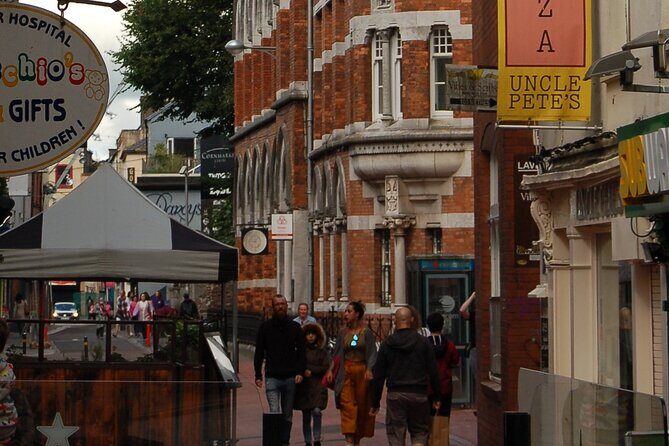
The tour starts at 125 St Patrick’s St, in the centre of Cork, right by the City Tourist Information Centre. It’s a clean way to begin because you’re not guessing where to go or which direction makes sense. You’ll meet your guide there, get a quick health and safety check, and then the ramble moves off on foot.
This is the kind of start that matters more than it sounds. When you’re new to Cork, the streets can feel tightly packed and easy to misread. A guide-led start helps you learn the city’s “mental map” early, so later landmarks make more sense instead of just looking pretty.
Also, the tour is set up for small groups. The maximum group size is 25, which is large enough to feel social, but small enough that most people can still hear the guide if they stay within the front half.
You can also read our reviews of more city tours in Cork


St Patrick Street: the main drag, plus the clues most people miss
St Patrick Street is one of Cork’s big identifiers, and you spend a focused chunk of time here. You’ll walk the meandering route of the Main Street and you’ll see remaining boathouse entrances—signs of a city that grew around waterways and trade.
Why I like this stop: it doesn’t treat the street like a generic shopping strip. The guide frames it as a working corridor, where merchant activity and shipping logic shaped what built where. You’ll start noticing small bits—doorways, entry shapes, and street alignments—that normally get ignored at normal walking speed.
If you’re planning your own day afterward, this is a gift. Once you understand the street’s layout and purpose, choosing where to wander feels easier. You’re not just walking; you’re reading the city as you go.
A quick look at Cork’s newest street
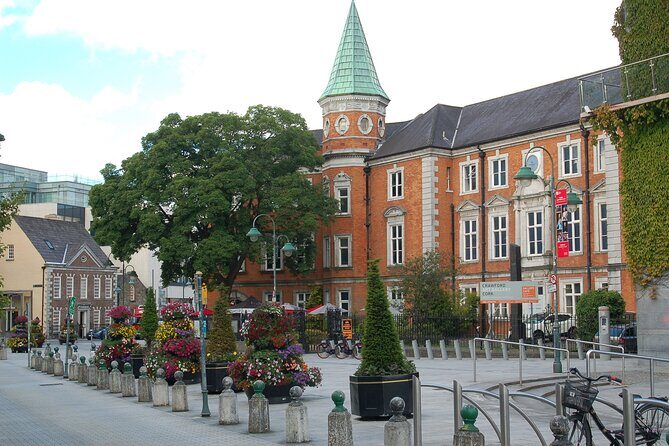
After the classic landmark stretch, you get a short segment walking along Cork’s newest street. The point here isn’t to pretend Cork is stuck in the past. It’s to show the city keeps changing while still reflecting the old commercial logic underneath.
This kind of stop works well in a 75-minute tour because it gives you a rhythm break. You shift from old waterfront-era details to something more contemporary, and it keeps the story from feeling like a museum-only experience.
Crawford Art Gallery: Cork’s arts story in miniature
Next up is Crawford Art Gallery. You get a brief introduction to the emergence of Cork’s most renowned gallery and what you might expect from its exhibits. Admission at this stop is listed as free, so you can treat it as a “context stop” rather than a pricey add-on.
Even if art galleries aren’t your main interest, I think this one earns its place. It helps you understand that Cork isn’t only defined by shipping, trade, and political history. It also has a cultural backbone—and the gallery’s story is part of why people still care about the city’s centre.
Rory Gallagher Place: music history with Cork roots
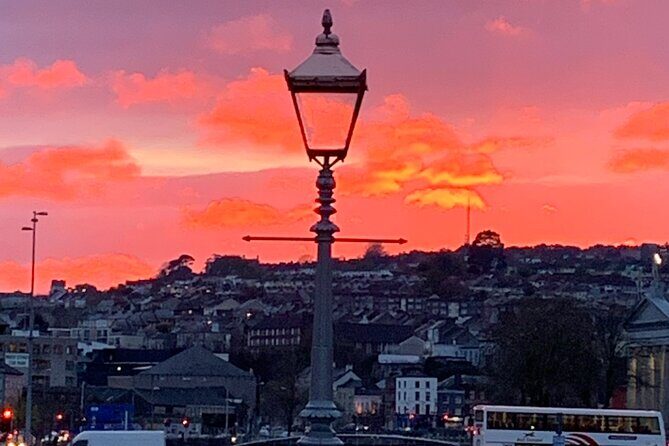
Rory Gallagher Place is a short stop, but it carries a big cultural punch. You’ll visit the memorial and hear about Rory Gallagher’s connection to Cork, plus his musical achievements.
I like that this doesn’t turn into a fan-only detour. The guide uses the memorial to connect place to identity: why a performer’s story can become part of a city’s sense of self. It’s one of those stops that works even if you only know the basics. You still walk away with a clearer reason for why the site matters.






Huguenot Cemetery and the people behind Cork’s influence
The Huguenot Cemetery stop is short, but it’s built around a specific human story. You’ll hear about the Huguenots’ arrival in Cork and their later influence on the commercial and political life of the city.
This is one of the stops that changes how you think about Cork’s “merchant history.” It’s not just about ships and streets. It’s about people—arrivals, networks, and the ripple effects when newcomers integrate and become part of local power structures.
If you’re the type who likes your history with names and causes, this fits. It gives you a clear theme to carry into the rest of the walk: Cork’s importance came from trade, yes, but also from who shaped it.
Grand Parade: Berwick Fountain, Bishop Lucey Park, and civic landmarks
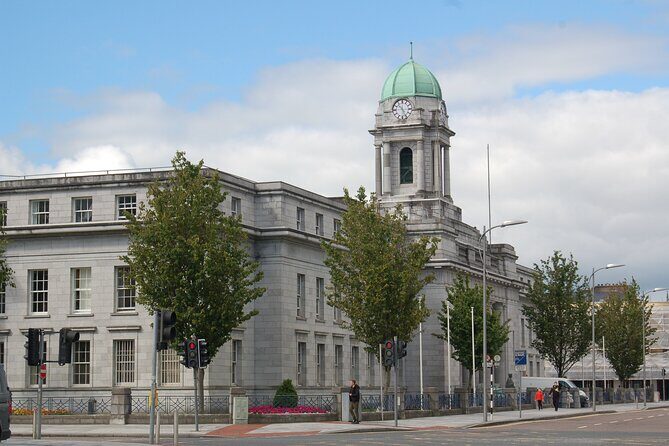
Grand Parade is another street that deserves a guided explanation. Here you’ll stroll along and learn about the Berwick Fountain, Bishop Lucey Park, and the Grand Lodge of Tuckey Street.
This stop feels like the “civic” side of Cork: how the city showcases identity through public spaces, monuments, and well-known addresses. You’re not just seeing architecture; you’re seeing why it was highlighted and what roles those landmarks played for the community.
It’s also a useful break in the walking. The route keeps you moving, but you get enough “look around” time to actually absorb what you’re passing.
Nano Nagle Bridge: a woman-named crossing with big context
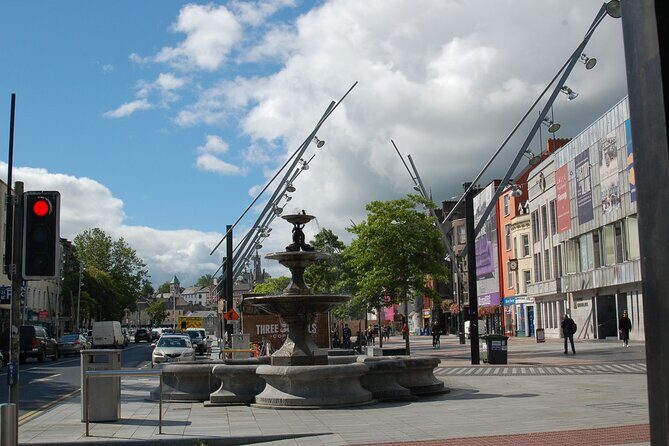
At Nano Nagle Bridge, the story turns to Nano Nagle and her pioneering achievements. You’ll learn about why this is the first bridge in Cork city named after a woman, and you’ll also see nearby locations connected to the Fortress and the Cathedral.
This stop works because it connects geography with people. A bridge sounds ordinary until someone gives you the backstory, and then it becomes a focal point. You’ll leave with the feeling that Cork built its identity through more than trade and politics—it also elevated figures who changed education, religion, and local life.
If you like photo stops, this is one. It’s a natural place to pause and take a breath while still staying on schedule.
South Mall: commerce street details, war memorials, and maritime echoes
South Mall brings you back to the commercial theme. You’ll learn about the street’s business importance and see more examples of the boathouse entrances. The guide also points out the war memorial and the National memorial.
What I find helpful here is the layering. You see maritime-era traces, then you see how the city remembers later conflicts and national events. The city’s story doesn’t reset every generation. It accumulates.
Also, this part of the walk helps you understand that Cork’s “centre” isn’t just about entertainment or shopping. It’s tied to how the economy worked and how public memory shows up in everyday spaces.
English Market finish: turn your walk into a food plan
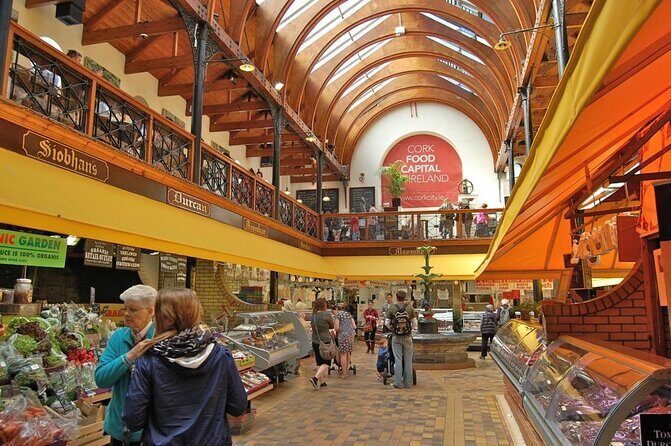
The tour concludes outside the main entrance to the English Market, at 2–3 Princes St, in the centre. You’ll learn the market’s origin and how it operates, including the fact that Queen Elizabeth visited, and you’ll get a sense of the wide array of foodstuffs and traditional fare you can find there.
This ending is smart because it gives you options immediately. After a guided walk, you’re primed to keep exploring, and the English Market is exactly the kind of place where you can snack, browse, or plan lunch without needing transport or extra timing.
A few guides have also been noted as building in time for tasting fresh food right at the market. Even if you don’t do a formal sampling, ending here means you can follow your appetite while the city is still fresh in your head.
Pace, weather, and how to make the most of the hour
The tour runs for about 1 hour 15 minutes, and it’s designed to be doable for most people. There’s still a fair amount of walking, and it stays outdoors. That’s why good weather matters here: the experience requires good weather, and if it’s cancelled due to poor weather you’ll be offered a different date or a full refund.
For what to wear, think practical first. Comfortable walking shoes matter more than fashion, and a light rain layer is a smart idea if Cork decides to do what it often does in shoulder seasons. The route is centre-city, so you’ll likely be crossing busy areas—stay aware and keep your attention on the guide and your footing.
Sound is another practical factor. If the street is noisy, try not to fall behind the group. I’d rather you hear the story clearly than only see the landmarks.
Value check: what $36.30 buys you in real terms
At $36.30 per person, this isn’t a high-ticket experience, but it’s also not just “a casual stroll.” You’re paying for context: a guided route that stitches together merchant history, maritime clues, arts culture, and civic landmarks into one compact loop.
The value gets better because some stops include admission. Specifically, the Tourist Information Centre stop includes an admission ticket, St Patrick Street includes an admission ticket, and Rory Gallagher Place and the Huguenot Cemetery both include admission tickets as well. Other key areas like Crawford Art Gallery and several street stops are listed as free at the time you visit them.
In other words, your money isn’t only going toward a guide’s voice. It also covers entry where entry matters. For a 75-minute outing, that’s a good balance.
Finally, there’s the timing advantage: it starts at 12:00 pm and ends right where you can keep going. You’re not paying for a tour that leaves you far from food, direction, or your next move.
Who should book this walk (and who might not)
This is a great fit if you want a clear introduction to Cork City centre without spending half a day wandering aimlessly. It’s also ideal if you like history told through place—streets, bridges, memorials, and market life—rather than through long speeches.
It may not be your best choice if you hate walking in crowds or you rely heavily on being able to hear every word from any distance. And if you’re expecting lots of indoor time or a slow, relaxed pace, this one is more “move and learn” than “linger and browse.”
If you’re doing Cork for the first time and you want your second half of the day to feel more confident, this kind of structured introduction pays off.
Should you book the Cork City Ramble?
Yes, if your priority is getting your bearings quickly and learning how Cork centre grew—through trade, people, and the river-side logic that shaped the streets. The price is reasonable for the time and the fact that certain stops include admission, and the finish at the English Market is a practical payoff.
Before you book, just plan for an outdoor walking experience in changing weather, and stay near the front for the best chance at hearing the guide. If you do those two things, you’ll come away with a much stronger sense of what you’re looking at and where to go next.
FAQ
How long is the Cork City Ramble?
The walk is listed at about 1 hour 15 minutes.
Where do I meet the guide, and where does the tour end?
You start at 125 St Patrick’s St, Centre, Cork, and it ends outside the main entrance to the English Market at 2–3 Princes St, Centre, Cork.
What time does the tour start?
The start time is 12:00 pm.
What language is the tour offered in?
The tour is offered in English.
How large are the groups?
The tour has a maximum of 25 travelers.
What happens if the weather is bad?
The experience requires good weather. If it’s cancelled due to poor weather, you’ll be offered a different date or a full refund.