REVIEW · CORK
Visite guidée de Cork city en français avec guide
Book on GetYourGuide →Operated by Un loup chez les rebelles de Cork · Bookable on GetYourGuide
Cork tells its story on foot. I love how the guide explains Cork’s rebel-era history in French, and I love that the walk naturally finishes at the English Market so you can turn facts into a meal. The only catch: this is an outdoor walking tour, so there’s no building entry and toilet access isn’t included.
You start at the Cork Tourist Office, and you’ll meet your guide in red. If you want the smoothest experience, arrive about 10 minutes early so tickets can be validated on time.
One more reason this works: your guide is an expat in Ireland since 2015, so you’re not only getting monument facts. You’re also getting practical answers about life in Cork, with a solid amount of time on your feet, so bring comfortable shoes and rain gear.
In This Review
- Key reasons this Cork walk is worth your time
- From the Cork Tourist Office: start smart and stay on time
- Learning Cork’s rebel past through street-level stories
- Victorian Cork to the MET and Opera: seeing big names without the tickets
- Art, outsiders, and the Huguenot cemetery at street level
- Churches and city nerves: Peter and Paul, St Finbarr, Washington Street
- English Market finish: use the walk to choose your best lunch
- Why the expat guide perspective is part of the value
- Price and what you’re actually buying for €32-ish
- Comfort and timing tips for Cork rain and cobblestones
- Who should book this French Cork city tour
- Should you book this Cork walk with a French guide?
- FAQ
- What language is the tour offered in?
- Where do I meet the guide for the Cork walking tour?
- How long does the visit last?
- Does the tour include entering buildings?
- What’s included in the price?
- Are toilet facilities included?
- Do I need to bring anything?
- Is the tour suitable for wheelchair users?
- Can I cancel and get a refund?
Key reasons this Cork walk is worth your time
- French, certified guidance with a guide registered with the Cork Guides Association (ATGI)
- A stop-by-stop story built around about 20 buildings, statues, and monuments
- Funny anecdotes that help you remember what you’re looking at
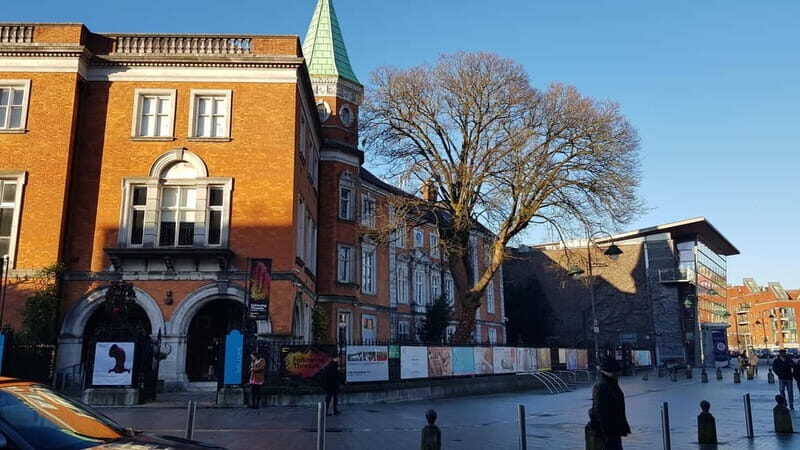
- A real Cork mix: Victorian quarter, opera, art spaces, churches, and the Huguenot cemetery
- English Market payoff at the end, perfect for choosing lunch or snacks
From the Cork Tourist Office: start smart and stay on time
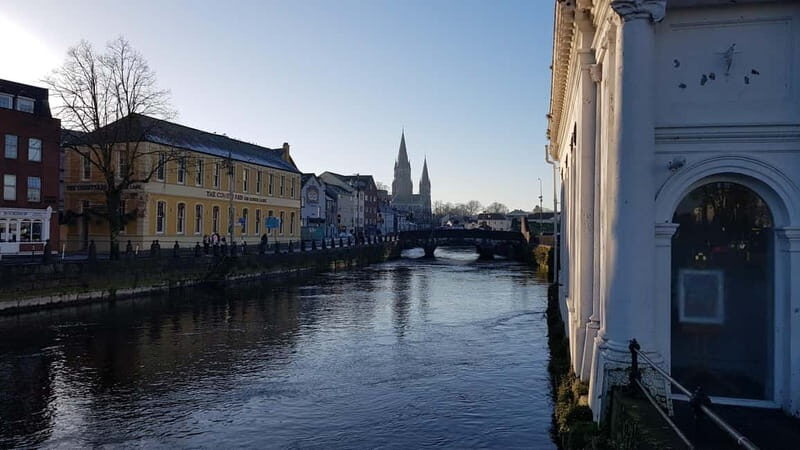
Plan to begin where tourists actually orient themselves: in front of the Cork Tourist Office. Your guide will be easy to spot in red clothing, and the tour returns to the same meeting point when you’re done.
Here’s the practical bit that makes or breaks the first five minutes: the guide asks you to arrive 10 minutes early to validate your ticket(s). Cork is walkable, but waiting for late arrivals cuts into the time you paid for.
You also get a tour rhythm that works even when the weather turns. One of the big advantages of doing a guided city walk in Ireland is that someone plans around rain instead of pretending it won’t show up. The pace is set for a city-centre walk, not for a marathon.
If you’re driving, there’s a nearby option mentioned as Blackash outside Cork city for €5 per day, and it includes the bus for all passengers. That’s useful because once you get into the centre, you’ll be doing this on foot anyway.
You can also read our reviews of more guided tours in Cork



Learning Cork’s rebel past through street-level stories
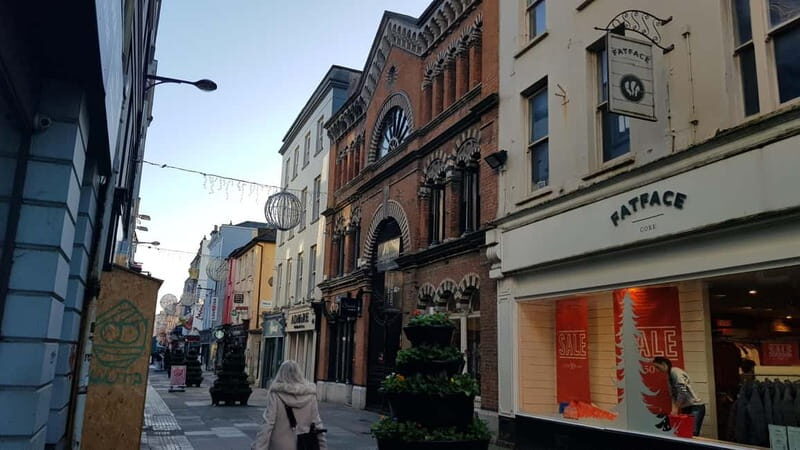
This walk is built around the idea that Cork’s centre isn’t just scenery. You’ll get the story behind what you’re looking at—especially the sense of Cork as a city shaped by conflict, change, and stubborn identity, often described as a city of rebels.
A key part of the experience is that the guide explains history of the city centre around real landmarks you can see right there on the street. Instead of memorizing dates, you learn what each place meant for Cork and why it ended up where it is.
The tour also leans hard into anecdotes. You’ll hear funny bits alongside the factual context, and that combination does something simple: it helps the city stick in your mind. When your brain can laugh and make a connection, you remember directions, too.
The route includes major symbolic stops such as the Father Mathew statue and the Victorian quarter. You don’t need to be a history scholar to get something out of it. The guide’s job is to translate the city into a walkable narrative you can follow without getting lost.
One thing to keep in mind: this is not a museum-style tour. If your dream is to sit down and read plaques inside buildings all day, you may want a different type of experience.
Victorian Cork to the MET and Opera: seeing big names without the tickets
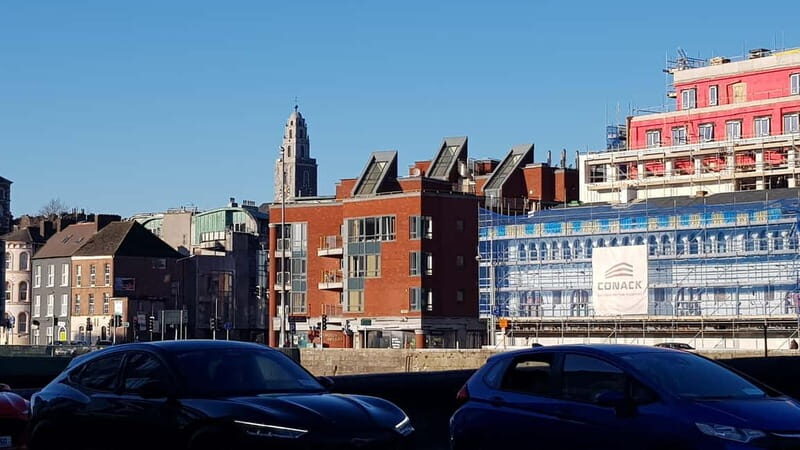
Cork has architecture that can look impressive from a distance, but harder to understand when you’re on your own. That’s where the guided approach pays off: you don’t just pass by the Cork Opera, the MET, and other landmarks. You learn what makes them part of Cork’s story.
What I like about this is how you can spot details while you’re walking. When someone tells you what to look for—scale, placement, style—you stop treating the buildings like background and start treating them like evidence.
The tour includes time for the main streetscape stops in the city centre, and the guide uses a mostly outdoor format. That means you get the big-picture overview without getting stuck in lines or entrance logistics.
A note on expectations: since the tour doesn’t enter buildings, the experience is about your street-view and your listening. If you’re hoping for interior visits or guided access to collections, this tour won’t fully match that goal.
Still, for first-time Cork—or for anyone who wants context fast—this kind of outside viewing is a strong way to get your bearings quickly.
Art, outsiders, and the Huguenot cemetery at street level
Cork isn’t only about famous Irish landmarks. It also holds evidence of smaller communities and changing identities over time. That theme shows up in the route with stops like the Crawford Gallery and the Huguenot cemetery.
With the gallery, you get a sense of why art and culture matter in the city centre, without needing to pay for entry as part of this walk. From the outside, the building still helps you understand Cork’s priorities: education, culture, and public life.
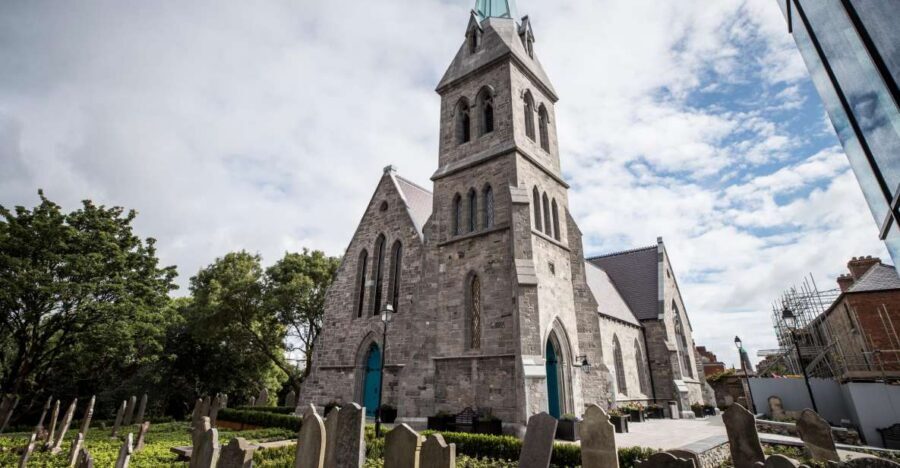
Then comes the Huguenot cemetery. Cemeteries can be sensitive places, so what helps here is that a guide frames what you’re seeing and gives you context for reading the site respectfully. You’ll hear an explanation that ties the cemetery to the city’s mix of people and histories.
I like this stop because it adds a different angle to the Cork story. Most city walks focus only on politics and major churches. This includes a landmark that points to migration and community—small signals that the city has always been shaped by outsiders as well as locals.
If you’re the type who enjoys noticing patterns—who lived where, what communities left behind—you’ll probably enjoy this portion a lot.
Churches and city nerves: Peter and Paul, St Finbarr, Washington Street
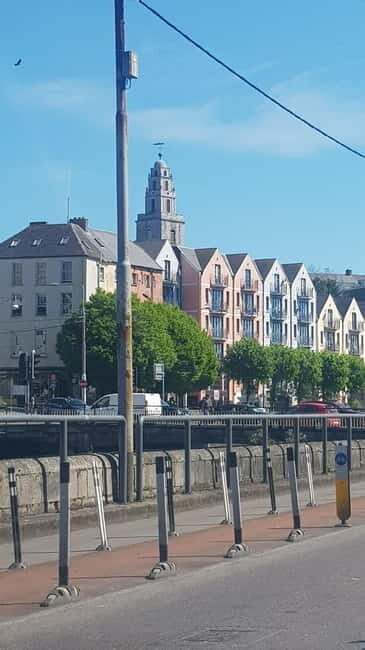
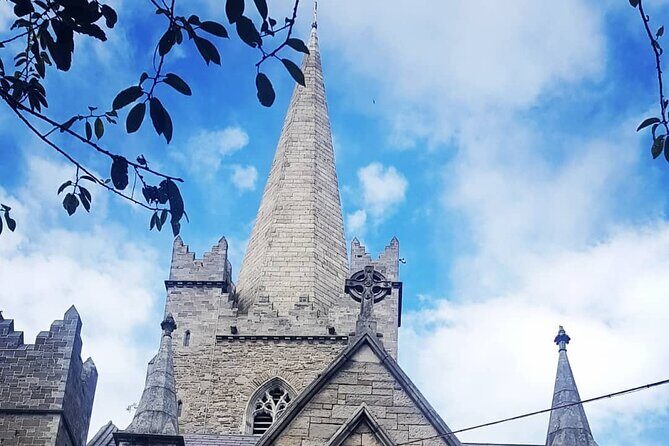
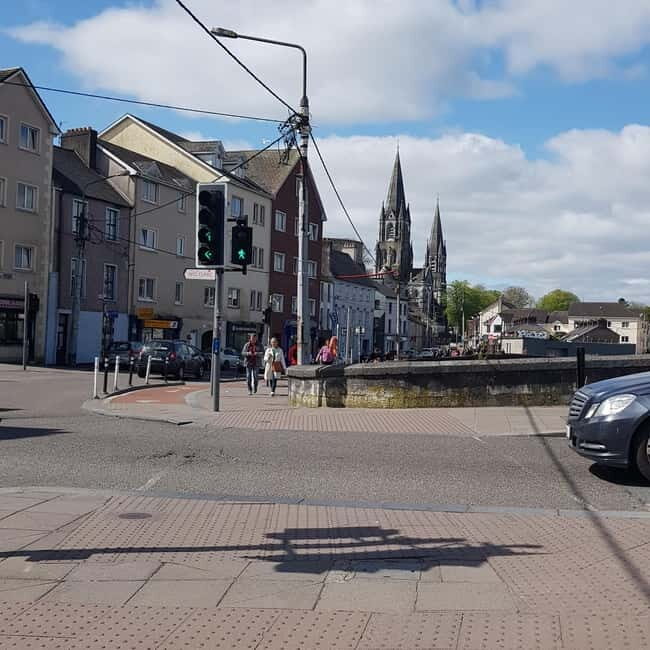
Cork’s religious buildings do more than mark faith. They mark time, community, and how neighbourhoods grow around institutions. On this walk, you’ll see stops such as Peter and Paul church and St Finbarr, plus key sections of the city that connect them to daily life.
You’ll also spend time on streets like Washington Street, which helps the tour feel like movement through a living city rather than a sequence of monuments. Streets are where history becomes practical: where people actually walk, shop, pause, and plan their day.
The guide explains the history tied to these places and keeps things conversational. That matters because churches can look similar if you don’t know what separates them in the local story. The guide’s explanations turn the visual into meaning.
One more detail: you’ll likely be covering enough ground that you’ll want to focus on your footing and weather cover. Churches and street views are great for photos, but the tour rules include no video recording, so you’ll be taking still photos if you’re photographing at all.
You can also read our reviews of more city tours in Cork





English Market finish: use the walk to choose your best lunch
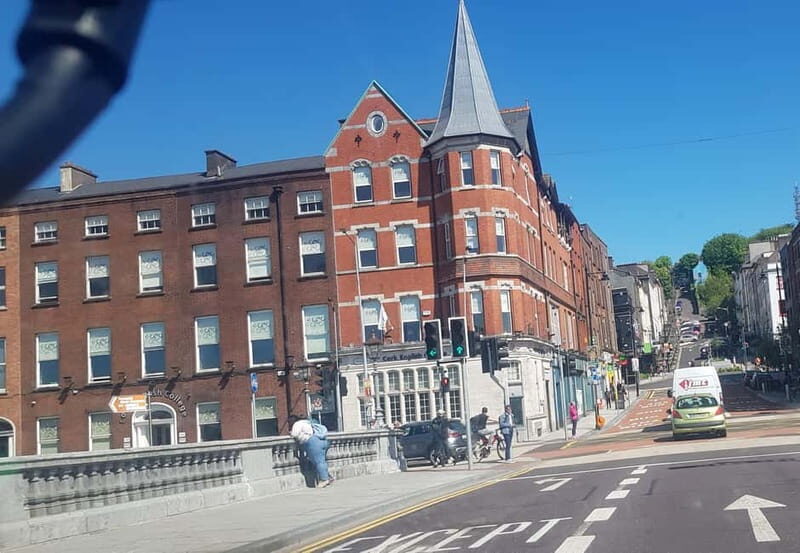
The tour ends at the right place for a city-centre finale: the English Market. This is where your notes stop being theory and start becoming a lunch plan.
Even if you already know Cork food, you’ll get value from the timing. Coming off a walking tour, you’re ready for something warm, something local, and something that feels like Cork instead of generic tourist eating. The market is a perfect transition from stories to taste.
Because the tour doesn’t include building entry, the final stop also works as your payoff. You’ve spent time learning about Cork’s centre. Now you can spend time sampling what that centre is known for.
If you want to keep it simple, treat the English Market as your base point for the next hour: grab a snack, reassess the weather, and decide whether you want to wander further on foot afterward. End-of-tour location is underrated. This one is a strong choice.
Why the expat guide perspective is part of the value
This isn’t only a professional guiding badge. Your guide is also an expat in Ireland since 2015, with work experience in hospitality and travel-focused companies. That shows up in the kind of answers you can ask after the main story.
I like tours where the guide can talk about what it feels like to live in the country, not just what to see. The guide on this walk can handle questions about Ireland and Cork, and the expat background often helps you understand what newcomers might find surprising.
You also get another advantage: the guide is a national Irish guide and can guide in French across the Republic of Ireland. That means the “French guide in Cork” isn’t just a one-city trick. If you later want another stop outside the city centre, there’s a path to keep your trip coherent.
The same goes for private options. The guide mentions that private visits and car guidance are possible on request in Cork or outside Cork. That can be a good solution if you want to match your pace and interests.
Price and what you’re actually buying for €32-ish

The price is listed around $32 per person (and the tour is about a two-hour accompaniment, with a duration window that can run 1 to 3 hours depending on availability and pacing). For a city-centre walking tour, this sits in a reasonable range when you compare it to self-guided exploring plus the time you’d spend figuring out context.
What you’re paying for isn’t just movement. You’re paying for a guide who is registered and insured by ATGI, which matters for peace of mind. You’re also paying for someone to explain roughly 20 buildings, statues, and monuments, with anecdotes that make the walk feel lighter.
Now, the fine print that affects value: you’re not entering buildings, and entrance fees aren’t included. Also, toilet access used by visitors isn’t included in the price.
That doesn’t make the tour bad—it just means you should plan your day like it’s an outdoor orientation walk. Treat it as a guided “set your bearings” experience, then spend money and time on places you want to enter or eat.
Comfort and timing tips for Cork rain and cobblestones
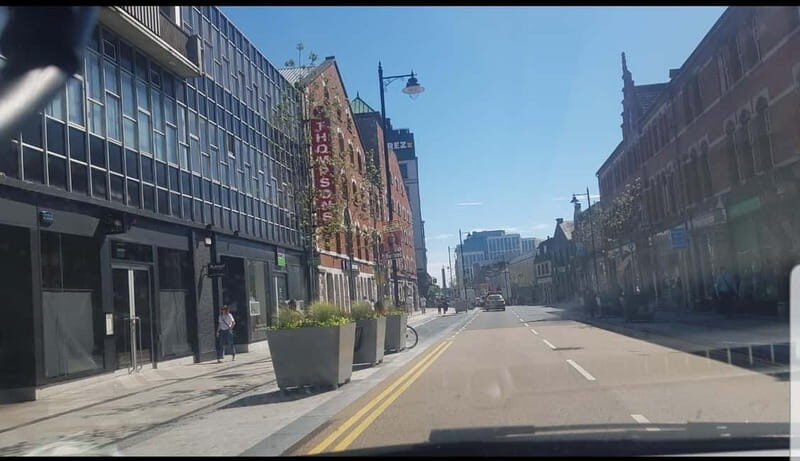
This tour is designed around walking. Bring comfortable shoes—and the guide explicitly recommends hiking shoes too. If you’re used to regular city sneakers, you’ll be fine, but if you hate sore feet, take the extra support.
Rain gear is a must in Ireland, and this one is no exception. Even when the weather looks rough, the guide’s job includes keeping the experience moving and helping you avoid unnecessary discomfort.
You also need to respect the tour rules:
- No high-heeled shoes
- No video recording
- Not suitable for party groups
And there’s one more practical point: the tour isn’t listed as suitable for wheelchair users. If mobility is a concern, you’ll want to look for a different format that matches accessibility needs.
Who should book this French Cork city tour
This is a smart choice if you want a French-language explanation of Cork without spending your day in museums. It’s great for first-time Cork visitors because it covers the city centre landmarks you’ll hear about later.
I also think it fits well if you like city walks that tell stories, not just facts. The funny anecdotes and the “history through places” approach make the experience feel like learning something, not like being herded from stop to stop.
Because the guide ends at the English Market, it’s also a good pick for people who want a built-in food plan rather than guessing where to eat. You leave with local direction and a natural lunch window.
On the other hand, if you specifically want indoor visits, deep museum time, or an accessibility-friendly route, this format may not be the right fit. It’s a walking tour with outdoor viewing and explanations.
Should you book this Cork walk with a French guide?
Yes, if your priority is context, stories, and a smooth start to Cork. The combination of a certified French guide, a city-centre route full of recognizable monuments, and an ending at the English Market makes it a practical way to see more, remember more, and plan your day better.
If you’re picky about entrances and want indoor time, you might feel slightly held back. But for most visitors who want Cork explained in a language they’re comfortable with, this is an easy recommendation.
FAQ
What language is the tour offered in?
The tour is offered in French.
Where do I meet the guide for the Cork walking tour?
You meet in front of the Cork Tourist Office. The guide will be in red clothing.
How long does the visit last?
The duration is listed as 1 to 3 hours. You’ll need to check availability to see the starting times.
Does the tour include entering buildings?
No. The tour does not include entering any buildings, so entrance fees are not included.
What’s included in the price?
The price includes a two-hour accompaniment by a qualified, registered guide (registered and insured by ATGI).
Are toilet facilities included?
No. Access to toilets used by visitors is not included in the price.
Do I need to bring anything?
Bring comfortable shoes (hiking shoes are recommended) and rain gear.
Is the tour suitable for wheelchair users?
No, it is not suitable for wheelchair users.
Can I cancel and get a refund?
Yes. Free cancellation is available up to 24 hours in advance for a full refund.