REVIEW · DUBLIN
Dublin Private Highlights & History of 1916 Easter Rising Tour
Book on Viator →Operated by Withlocals · Bookable on Viator
Dublin history fits neatly into three hours. This private walk ties the 1916 Easter Rising theme to what you can see today, led by a local host and anchored at Dublin Castle. It’s built for people who want more than a photo stop loop.
I love that it’s truly private for just you and your guide, so you can ask questions and set the pace without squeezing into a big-group rhythm. I also like that several anchor sites come with free admission tickets, which makes the tour feel less like a ticket-shopping errand and more like guided time.
One possible drawback: it’s short, around 3 hours on foot, so you’ll want comfortable shoes and you may not get every extra stop you’ve heard about unless your guide’s route includes it.
In This Review
- Key Things to Know Before You Go
- Why This 3-Hour Private Walk Works for First-Time Dublin
- Dublin Castle: Built in 1204, Now a Center of Power
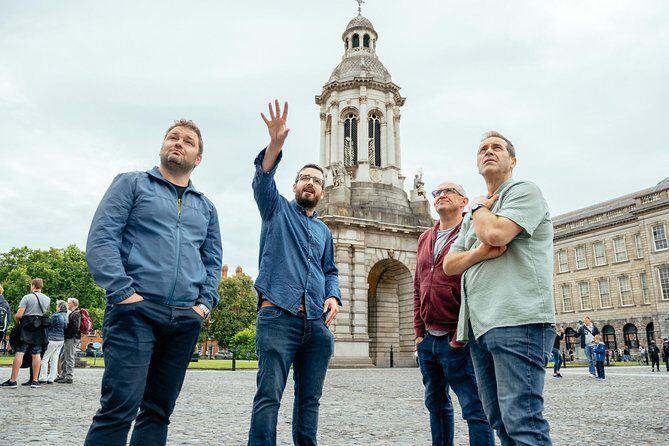
- Trinity College Dublin in 10 Minutes: See the Campus Character
- Christ Church Cathedral: Nearly 1,000 Years of a Working Church
- The Optional Extra Stops: Streets and Landmarks Your Guide May Add
- The Included Drink/Tasting and Why Food Stops Matter
- Price and Value: Is $135.50 Per Person a Smart Spend?
- Logistics That Affect Your Day (Without Making It Complicated)
- Should You Book This Dublin Private Highlights Tour?
Key Things to Know Before You Go
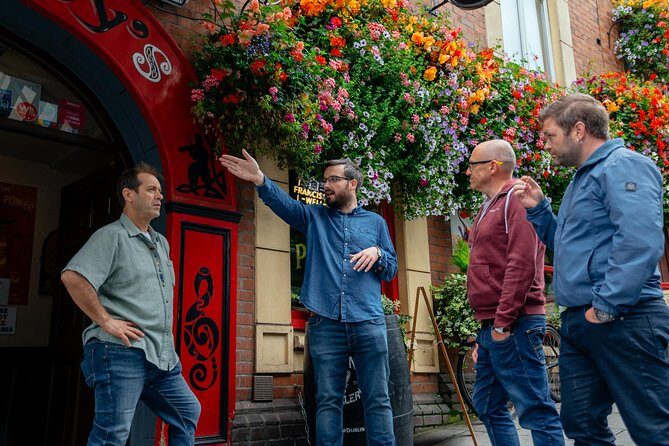
- Private one-on-one time: You’re with only your local guide, so the story can match your interests instead of a fixed script.
- Free entry at the main anchors: Dublin Castle, Trinity College Dublin, and Christ Church Cathedral are listed as free-ticket stops.
- Fast, focused route: Expect quick looks and smart prioritizing, not hours at each building.
- A local drink/tasting is included on the 3h option: If you book the Private Highlights Tour – 3h option, you get one included drink/tasting.
- Guides often add extra Dublin streets: Some routes include areas like Grafton Street and the Guinness Factory area, depending on your host’s plan.
- You meet near transit and finish central Dublin: No hotel pickup, and you’ll end in the city center.
Why This 3-Hour Private Walk Works for First-Time Dublin

If Dublin is new to you, this kind of tour helps fast. Three hours is enough time to get oriented, learn what matters, and leave with a clearer sense of where to go next. It also beats the usual group-tour tradeoff where you spend half the time waiting for people and the other half rushing to catch up.
Because it’s private, your guide can read the room. If you care more about politics and social change, you’ll likely get that angle. If you’re more into architecture and institutions, your stops can tilt that way. In the reviews, I saw how guides like Eamon and Derek bring their own style—Eamon for warm storytelling and Derek for sharp political and historical context—while still keeping everyone moving.
The biggest value to me is this: you’re not just seeing landmarks. You’re getting a local’s way of understanding the city. And those add-on recommendations can matter more than the fifth photo of the same façade.
You can also read our reviews of more private tours in Dublin


Dublin Castle: Built in 1204, Now a Center of Power
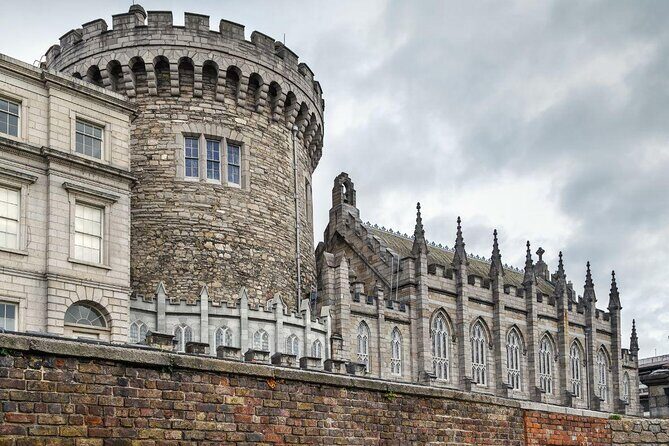
Your tour starts at Dublin Castle, with a listed visit time of about 30 minutes. The building dates back to 1204, built by King John (yes, the infamous Robin Hood character), and it still functions as a major Irish government complex and conference center.
Even if you only have a short time, Dublin Castle is a strong first stop because it’s the kind of place that invites questions. Your guide can help you connect the building’s long timeline—far beyond 1916—to how Dublin’s civic life has evolved. That’s one of the hidden benefits of starting here: the earlier layers make the later story easier to picture.
Practical tips for the castle stop:
- Plan for quick orientation, not a slow museum crawl.
- Bring an eye for contrasts: medieval roots next to modern institutional life.
- If you like photos, ask your guide when they think the best angle is; guides often know where the light and lines of sight are simplest.
Also, the ticket note is your friend here: it’s listed as free admission ticket for this stop. So you can spend your time listening instead of queue-checking.
Trinity College Dublin in 10 Minutes: See the Campus Character
Next up is Trinity College Dublin, with a listed stop time of around 10 minutes. The tour frames it as a university with Georgian buildings, known for humanities, science, and medical programs.
Ten minutes sounds brief because it is brief. But that’s exactly why it works inside a 3-hour highlights plan: you get the vibe and the context, without pretending you can do the whole campus justice in one walk-by. Your guide can also help you spot the architectural cues that make the area feel distinctly Dublin.
What I’d do in your shoes:
- Use this stop to ask your guide what Trinity represents in Dublin’s story.
- Focus on the feel of the place—its institutional style and streetscape—rather than trying to tick every major point.
Since the stop is also listed as free admission ticket, it’s a low-friction way to add a major landmark to your route.
Christ Church Cathedral: Nearly 1,000 Years of a Working Church
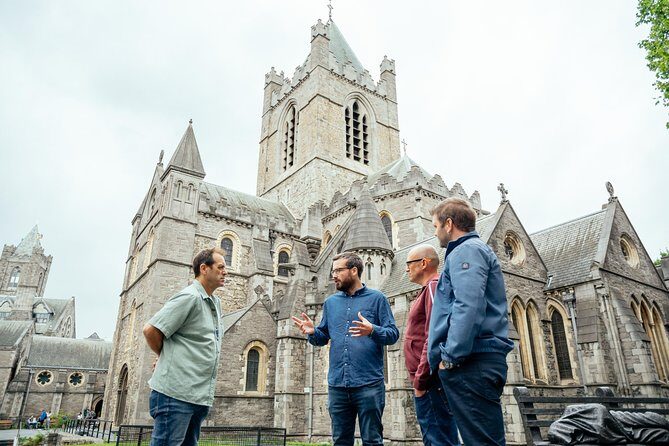
Christ Church Cathedral is the third anchor, with about 20 minutes on the clock. This one has serious age on its side: it’s almost 1,000 years old and was founded circa 1028. The tour also notes its Viking origins, and it’s described as Dublin’s oldest working structure.
This is the stop where you’ll probably slow down a bit, even if your guide keeps a brisk pace. A building with that kind of continuity helps you understand Dublin as more than a modern city with a few old photos. It’s a reminder that people have built, worshiped, and lived in these spaces for generations.
What makes the cathedral visit worth the time:
- The scale and age make the 1916 theme feel less like an isolated event and more like one chapter in a long city story.
- You can see layers of Dublin’s identity—religion, power, daily life—stacked across time.
Just like the others, it’s listed with free admission ticket. You’ll spend your time inside the experience rather than managing access steps.
The Optional Extra Stops: Streets and Landmarks Your Guide May Add
The itinerary notes that additional stops depend on your host and their chosen route. So think of the three anchor landmarks as your guaranteed spine, then treat everything else as flexible add-ons that are customized to your interests.
Some route patterns show up in guide stories from past guests:
- Grafton Street has been included on at least one version, which makes sense if your guide wants a lively city-street feel.
- Temple Square and the Guinness Factory area have also shown up in some routes, giving you a practical sense of where Dublin’s modern icons sit relative to the older core.
- A guide might also add small, human-scale breaks like ice cream stops. One mention specifically called out Murphy’s, and that kind of stop is useful because it keeps energy up when you’re walking fast.
Here’s how to make these optional parts work for you:
- At the start, tell your guide what you want most (history, architecture, everyday Dublin life, or a mix).
- Ask them what they’d cut if you want fewer stops and more time to read details.
- If you’re family traveling or you’ve got limited stamina, say so early. In reviews, guides like Eamon and Brendan were described as tailoring for kids and for people who need shorter legs and more breaks.
Because routes vary, you should go in with the mindset of matching the day to your group, not expecting one fixed checklist.
You can also read our reviews of more historical tours in Dublin





The Included Drink/Tasting and Why Food Stops Matter

This tour includes a local drink/tasting if you book the Private Highlights Tour – 3h option. It’s a small line item, but it changes the feel of the day. A tasting stop is often when the guide shifts from facts to lived experience—what locals order, what places are worth your time, and what to skip if you only have one day.
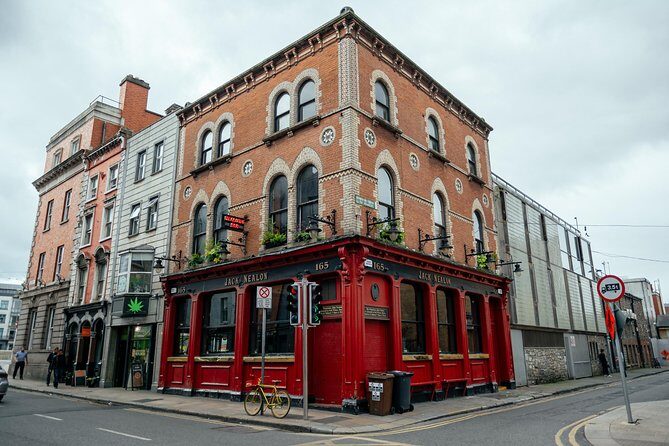
And even when the tasting itself is the only guaranteed food/drink moment, guides often support it with practical next-step ideas. In the reviews, guides have shared lists of pubs and restaurants afterward (Eamon was specifically mentioned for an emailed spreadsheet), and some have even brought guests toward an Irish breakfast experience while touring. Other mentions include bringing the group to an authentic Irish pub and adding a sweet stop like ice cream.
Important note: your tour isn’t advertised as a full meal tour. Extra food and drinks are not included. Still, having a guided intro can help you avoid the classic Dublin problem: wandering into a place that looks perfect but isn’t the best choice for your group and your budget.
If you plan ahead, this is how to use it:
- Ask your guide what the tasting pairs with, what’s nearby, and where locals go when they want something easy after a busy day.
- If you’re trying to keep costs steady, you’ll have a shortlist ready before you start walking at night.
Price and Value: Is $135.50 Per Person a Smart Spend?
At $135.50 per person for about 3 hours, this isn’t a cheap impulse buy. The value comes from what you avoid: group logistics, waiting, and the generic script.
You’re paying for:
- A private local guide, not just a paid walking route.
- Efficient time use across three major anchor sites.
- Free entry for those anchors, which keeps your spending from stacking up.
- The included drink/tasting (on the 3h option).
When it makes the most sense:
- You’re a first-timer who wants direction quickly.
- Your group has different interests and you don’t want everyone dragged along the same history track.
- You value personal pacing. Several reviews mention guides adjusting pace and tailoring the tour, including versions that worked well with kids.
When you might rethink it:
- If you’re happy doing Dublin’s center on your own with a guidebook and a walking map, this will feel pricier.
- If you’re expecting long sits in each building, the format is built for short visits and movement, not deep time inside every site.
My take: it’s good value when you use the private angle. If you show up ready to ask questions, you’ll likely feel you got your money’s worth.
Logistics That Affect Your Day (Without Making It Complicated)
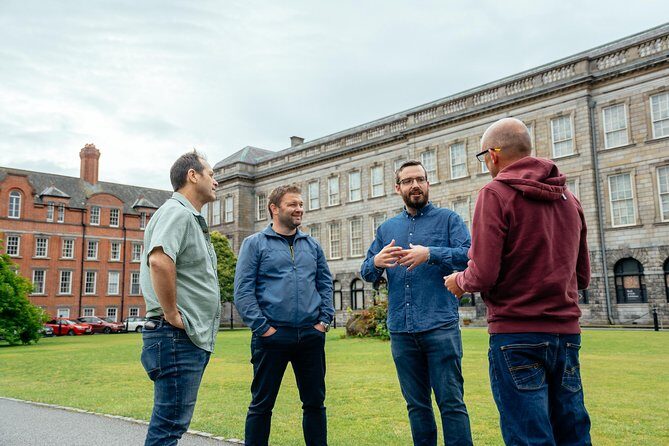
A few practical items matter more than people expect on a walking history tour:
- There’s no hotel pickup or drop-off. You’ll meet in Dublin and then finish in the center of Dublin.
- It’s near public transportation, which is helpful if you’re arriving from elsewhere in the city.
- You should have moderate physical fitness. This is not described as a hiking tour, but you are walking and moving.
- You’ll get a mobile ticket, which helps reduce friction day-of.
One more gentle note: because the tour is private, the day can feel smooth and direct. But if your group has tight timing (like a theater reservation or a hard dinner window), talk to your guide early about what you need to prioritize so you’re not rushed at the end.
Should You Book This Dublin Private Highlights Tour?
I’d book it if you want Dublin history with a personal touch and you only have a short window. The combination of free entry at major anchors, private guide time, and a drink/tasting option makes it feel structured but not rigid.
Choose it especially if:
- You’re in Dublin for the first time and want a fast orientation.
- Your group includes kids or mixed interests and you want tailoring.
- You care about the 1916 Easter Rising theme but also want the broader city context that makes that era feel grounded.
Skip it (or at least be cautious) if:
- You’re expecting lots of time inside buildings.
- You prefer independent exploring with minimal guidance.
- You need a very specific set of stops every time—because routes can vary based on your host.
If you like your history with local voices, and you want your three hours to count, this is a solid way to start Dublin the smart way.