One good walk can fix your Dublin map fast. I love the custom itinerary that actually follows your interests, and I love the way your local host connects history to everyday streets instead of reciting facts. The main catch: it’s a mostly walking experience, and you’ll want to set expectations on pace and stops early, or the day can feel rushed.
This is the kind of tour that’s built around a short online questionnaire and then shaped by your guide. You might start at the Molly Malone Statue on Suffolk Street and end back near there, then branch toward areas like St Patrick’s Cathedral, the Grand Canal, or even the Docklands depending on your route and your time.
In This Review
- Key things that make this Dublin tour work
- Price and what you’re really paying for
- Where the walk starts: Molly Malone and central Dublin flow
- The questionnaire: your route starts before you even meet
- Stop-by-stop: what you’ll see and why it’s worth your time
- 1) The historic heart of Dublin: from Viking foundations to Georgian streets
- 2) Trinity College area and the student rhythm near the shopping street
- 3) Old Quarter alleyways: pubs, small shops, and the Dublin people actually use
- 4) Gardens by the cathedral: saints, writers, and rebels
- 5) Finish along the Grand Canal or head toward Docklands
- Pace, breaks, and how to avoid a rushed walk
- Guide quality: the names you might meet
- What to do with tickets and food: plan smart
- Who this tour suits best
- Should you book this private Dublin walking tour?
Key things that make this Dublin tour work
- Private and adjustable: you pick the time and the route gets built around you
- Questionnaire-first planning: you share interests up front, then your host tailors the day
- Local-style history: Viking foundations, Georgian streets, and university life explained on foot
- Flexible length: book a duration that fits your energy, not just the clock
- Lots of guide names showed up in practice: Maria, Dara, Ian, Cillian, Jose Luis, and Mick were all highlighted for their approach
- Walking means real neighborhoods: alleyways, pubs, and small shops show up naturally on the route
Price and what you’re really paying for
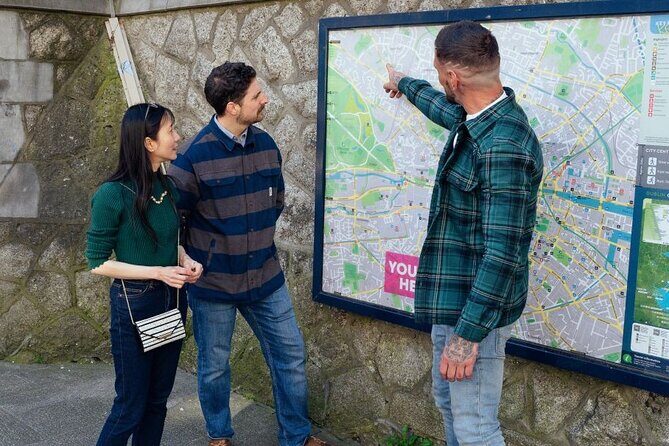
At $84.73 per person for a 2 to 5 hour private walking tour, this isn’t priced like a quick group sightseeing pass. You’re paying for three things that matter in Dublin:
First, privacy. You’re not stuck with a fixed group pace or a one-size-fits-all route. Second, personalization. The online questionnaire helps your host steer the day toward what you actually care about, whether that’s literary Dublin, pubs, architecture, or a calmer historical overview. Third, flexibility. You can choose the start time and duration, and the guide can adjust along the way.
What’s not included is also part of the value picture. There are no attraction tickets, and there’s no food or drinks included. So if you want Trinity College areas or the Book of Kells exhibits, budget for tickets separately. You’ll still get the best part on this tour: the context and the local logic for where to go next.
You can also read our reviews of more private tours in Dublin


Where the walk starts: Molly Malone and central Dublin flow
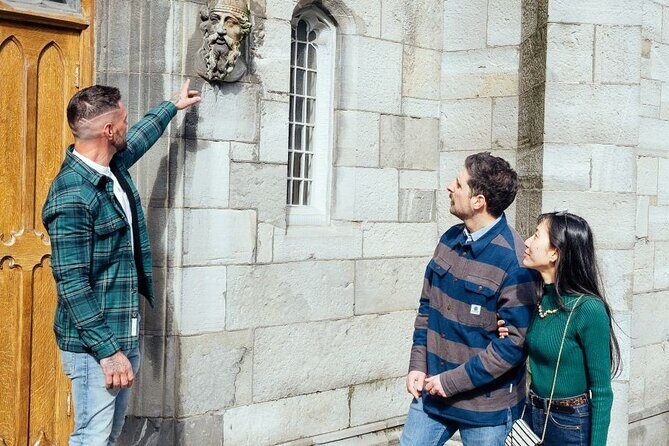
The tour starts at the Molly Malone Statue on Suffolk Street in Dublin 2 (D02 KX03). If you choose the central meeting point, it keeps everything simple and usually cuts down on any transfer time.
Pickup is offered on foot if your accommodation is central. No private vehicle is part of the deal. That’s normal for a city-center walk, but it does mean you should plan for street-to-street movement and the kind of stepping pace that comes with downtown sidewalks.
If you’re arriving the same day and you’re tired, this is exactly where choosing a shorter duration helps. A 2-hour version keeps it focused. A 4 to 5 hour version turns it into a full neighborhood story.
The questionnaire: your route starts before you even meet
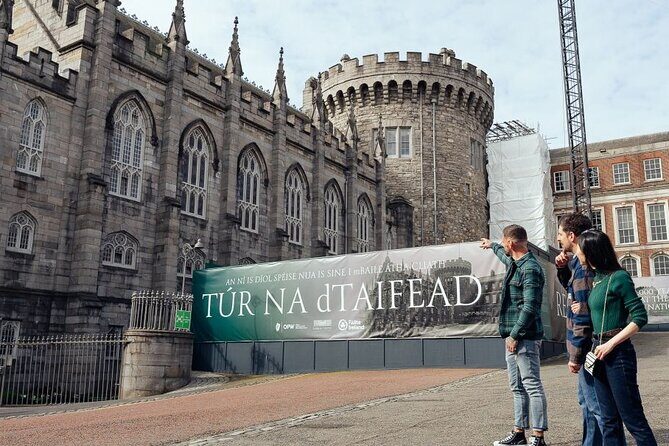
After booking, you get a short online questionnaire. It’s meant to connect you to a local host and shape the itinerary to your interests and must-sees.
This is one of the most useful parts of the experience, because Dublin can go a lot of directions. You might be after:
- literary and historical Dublin details
- university stops and book-related sites
- craft pubs and traditional vibes
- cathedral gardens and quieter streets
- photo-focused city moments
A word of practical advice: if photography matters to you, say it clearly. One guest feedback pointed out a mismatch when the guide knew a lot but wasn’t focused on picture spots. If you want the best angles, ask for that up front so your host matches your style.
Stop-by-stop: what you’ll see and why it’s worth your time
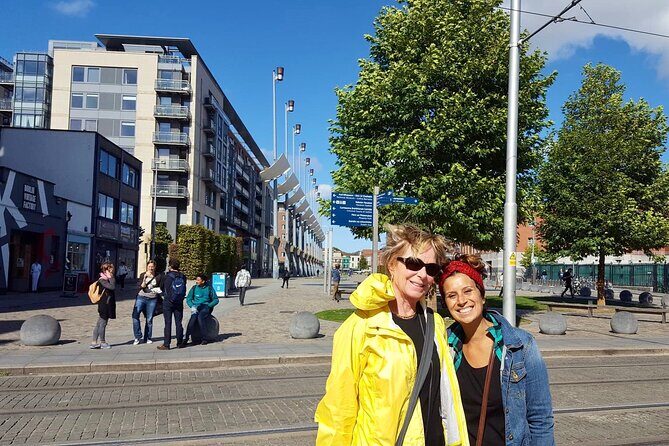
1) The historic heart of Dublin: from Viking foundations to Georgian streets
Early on, your walk covers Dublin’s older layers: Viking foundations and later Georgian architecture. This is where the city starts to make sense fast.
What you’re doing here is more than sightseeing. You’re learning how Dublin’s street pattern, building styles, and neighborhoods evolved. On foot, you can spot the transitions yourself, and your guide can point out how the same corner can feel totally different depending on the era you’re looking for.
Possible drawback to watch for: if you’re hoping for lots of museum-style time, this first stretch is still a walk-and-explain approach. It’s ideal for orientation, not for long indoor stops.






2) Trinity College area and the student rhythm near the shopping street
Next, you head toward Ireland’s oldest university and down its most famous shopping street. In practical terms, this often means Trinity College context and the energy of the area around it.
In guide-driven versions, you may also get pointed toward the university’s famous highlights. One guest specifically mentioned Trinity College library and Book of Kells exhibits. Tickets aren’t included here, so you’ll be making choices based on time and ticket cost. The tour’s job is to tell you what’s special and how to visit efficiently.
Why it works: university Dublin is not only history. It’s also present-day life, student movement, and street performers. That blend makes the university area feel like a living district, not just a postcard.
3) Old Quarter alleyways: pubs, small shops, and the Dublin people actually use
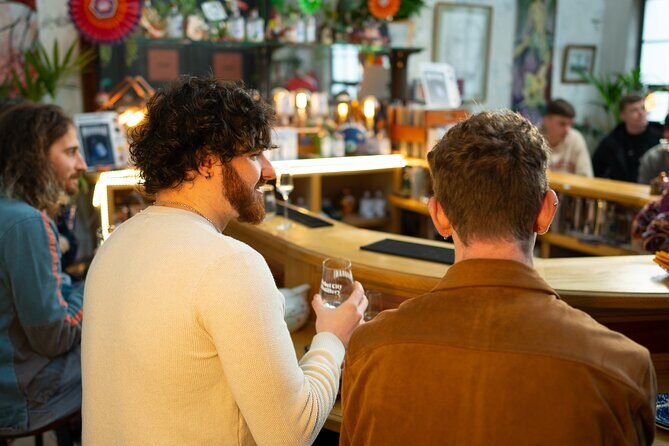
Then comes the part most people miss when they only follow the biggest walking routes: narrow alleys with colorful pubs, artisan shops, and small local places.
This is where you get the feel of the city. Your host can share stories that explain why certain pubs feel like landmarks and how neighborhoods built reputations long before social media made them famous.
One review mentioned a guide taking extra time and making the day feel like conversation rather than a lecture. That’s the sweet spot for this leg: talk, ask questions, and let the alleyway route turn into your personal Dublin thread.
4) Gardens by the cathedral: saints, writers, and rebels
After the lively alley stretch, you shift to a calmer scene: peaceful gardens around Dublin’s iconic cathedral. St Patrick’s Cathedral is the standout name that shows up in guide-driven versions.
This stop is a nice rhythm change. You get a break from the sidewalk hustle, and your host can connect the cathedral area to the bigger Irish identity story. One consistent theme in the experience is the mix of saints, writers, and rebels shaping how people understand Ireland today.
Consideration: if your day has been long and you’re sensitive to walking time, plan a comfortable pace here. This is where you’ll probably appreciate slowing down for photos and just standing quietly for a minute or two.
5) Finish along the Grand Canal or head toward Docklands
At the end, you’ll either walk along the Grand Canal or explore the modern Docklands area. This end section is a smart way to compare Dublin’s two tempos.
Grand Canal tends to feel more local and relaxed, while Docklands shifts to modern Dublin and a different skyline mood. Your host may also recommend a nearby pub or café so you don’t end the walk with no plan.
This is also a good place to ask for advice about your next move. If you want Irish music, a pub meal, or a calm drink after walking, this is where your guide’s local knowledge matters most.
Pace, breaks, and how to avoid a rushed walk

Walking tours live or die on pace. Most guides in this experience are praised for fun, humor, and flexibility. Still, one guest reported a speed-walk feel with no breaks during a 3-hour tour, and no refreshment stop until the very end.
So here’s what I’d do if you want a smooth day:
- Tell your host your ideal pace early. Not later.
- Ask whether you can stop for a quick drink or snack midway if your tour is 3 hours or more.
- If you requested traditional Irish music, confirm how that will show up in the itinerary. Ask what kind of place is realistic within walking time.
If you set that expectation, you’re far more likely to get the relaxed, chatty Dublin experience that many guides are praised for.
Guide quality: the names you might meet

One big reason this tour earns a 4.8 rating is how often guides are described as engaging and accommodating. Multiple guide names came up in standout feedback:
- Maria: friendly, knowledgeable, and able to tailor the walk
- Dara: paced well and shaped the tour around interests
- Ian: strong Irish and Dublin history, receptive to guest needs
- Cillian: delivered highlights and history, plus flexible group handling
- Jose Luis: created an easy conversation feel and added thoughtful extras, like a traditional Irish Victorian pub suggestion
- Mick: interwove history, art, and culture, with sites beyond typical group tours
- Jason, Wilbur, Patrick, Derek, Dominick, Owen, Caroline: each highlighted for their style and ability to answer questions
Since it’s private, you’re not stuck with a generic tour script. If you connect well with your guide, the walking turns into a personal Dublin lesson.
What to do with tickets and food: plan smart
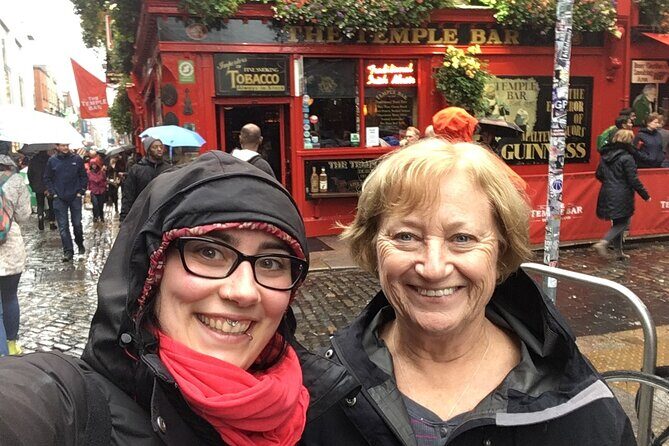
Food, drinks, and tickets are not included. That means you should decide in advance how you want to handle the day:
- If you want Trinity College or Book of Kells areas, plan for tickets separately and time your day accordingly.
- If you want a traditional Irish meal, treat it as a recommendation or a stop choice, not a included item.
In one guide-driven example, a host took guests to a traditional Irish meal at Boxty’s and even tied it into the day’s flow. That sort of local lunch suggestion is exactly what you’re paying for: not the food cost, but the right place at the right time.
Who this tour suits best
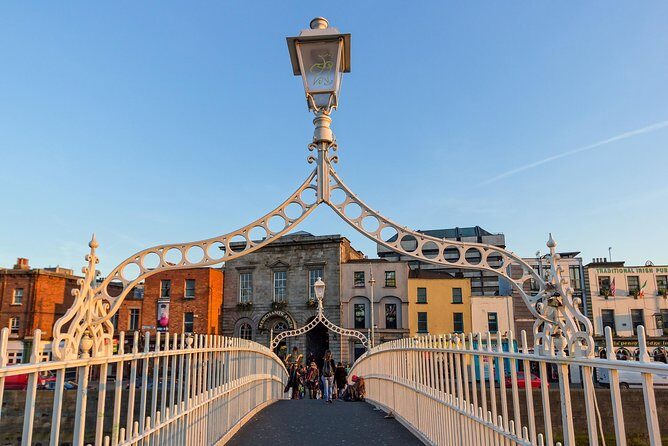
This tour is a great fit if you:
- want a first-time Dublin orientation without a rigid bus-style route
- care more about stories and local context than ticking off a checklist
- prefer walking and want to see street-level Dublin
- like the idea of picking your start time and choosing your duration
- enjoy asking questions and building a back-and-forth with your guide
It’s less ideal if you want a heavily photography-driven plan and didn’t communicate that ahead of time. The same goes if you hate walking. You can shorten the tour, but the format is still primarily on foot.
Should you book this private Dublin walking tour?
I’d book it if you want Dublin to feel personal fast. The big win is the custom itinerary built from your questionnaire, paired with a local host who can shift the day toward history, university life, cathedral gardens, alley pubs, and either the Grand Canal or Docklands.
Skip it or modify your expectations if you’re trying to do this tour as a substitute for ticketed attractions and full meals. It’s not designed to hand you entry tickets or set menus. It’s designed to make you understand what you’re seeing and where to go next.
If you decide to book, send a clear note through the questionnaire about pace, any photo goals, and whether you want a midpoint refreshment stop. You’ll get a better walk. And Dublin is too good to rush.