REVIEW · DUBLIN
Dublin: Treasures of Ireland Museums Private Tour
Book on GetYourGuide →Operated by DublinTourGuide · Bookable on GetYourGuide
Dublin’s museums make more sense with a guide. In this private 3-hour experience, you see the best highlights across the National Gallery, National Library, and National Museum, with explanations that connect art and objects to major moments in Irish history.
I love how the tour treats paintings, books, and archaeology like clues in one story. I also like that it’s structured for momentum: 40 minutes per stop, plus a mid-tour break so you stay switched on instead of fading. One possible drawback: because you focus on highlights (not a full museum sweep), slow wanderers who want every room might feel a bit rushed.
In This Review
- Key highlights worth planning around
- Why Irish art and archaeology click when someone narrates the connections
- National Gallery of Ireland: from conquest symbols to civil-war meaning
- National Library of Ireland: Yeats and the power of words in national identity
- National Museum of Ireland (Archaeology): Tara Brooch and Ardagh Chalice in context
- How the 3-hour pace keeps the story moving (and why the break helps)
- Price and value for a private group of up to 5
- What you’ll likely enjoy most (and who should skip it)
- Meeting at Merrion Square West and finishing back where you started
- Book it or skip it? My honest recommendation
- FAQ
- How long is the Dublin Treasures of Ireland Museums private tour?
- Where does the tour meet?
- Which museums are included?
- Is this tour private?
- Is the tour wheelchair accessible?
- What’s included in the price?
Key highlights worth planning around
- A single story across three institutions: art, literature, and archaeology all linked to the same big historical narrative
- The National Gallery’s political paintings: symbolic works tied to the Norman Conquest and the Irish Civil War
- Yeats-focused literary insight: you’ll hear about W.B. Yeats and how his life and work fit the country’s changing moods
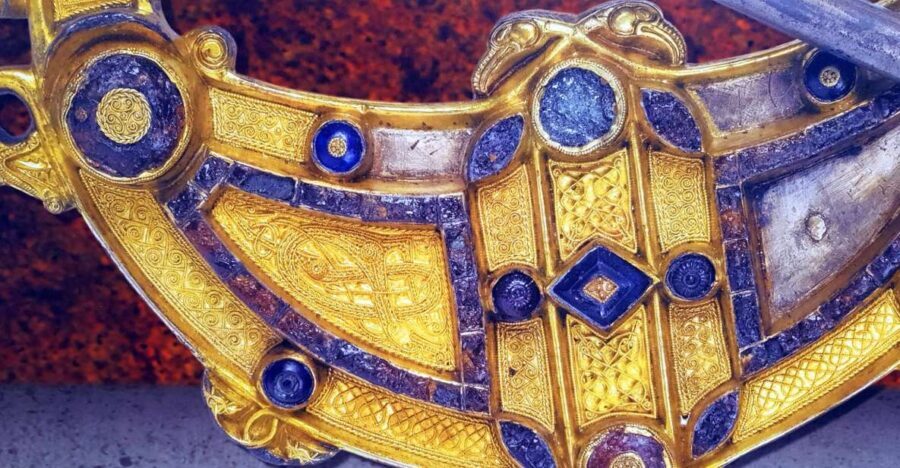
- Golden Age artifacts with real context: the Tara Brooch and the Ardagh Chalice connected to 500–800 AD
- Explanations that act like translation: the guide shows you how each piece becomes a word in the story of Irish culture
- You get a private guide, not a crowd script: plus the tour is designed for a group size of up to 5
Why Irish art and archaeology click when someone narrates the connections
Dublin’s museum power is not just in what’s on the walls or in the cases. It’s in the meaning. What makes this tour stand out is the way your guide ties each stop to the next, so you don’t experience three separate museum visits—you experience one connected historical storyline.
The best part is the framing. You’re not handed facts and sent on your way. Instead, you’re guided to see how a painting, a literary figure, and a treasured artifact can all point to the same turning points: invasions, national identity, religious change, conflict, and cultural achievement. That approach makes the objects feel less like collectibles and more like evidence.
For me, that also improves your memory. If you’re the type who forgets what you saw by the end of the day, this tour helps you remember why it matters. You’re learning through links—word to word—rather than trying to absorb everything at once.
You can also read our reviews of more private tours in Dublin

National Gallery of Ireland: from conquest symbols to civil-war meaning
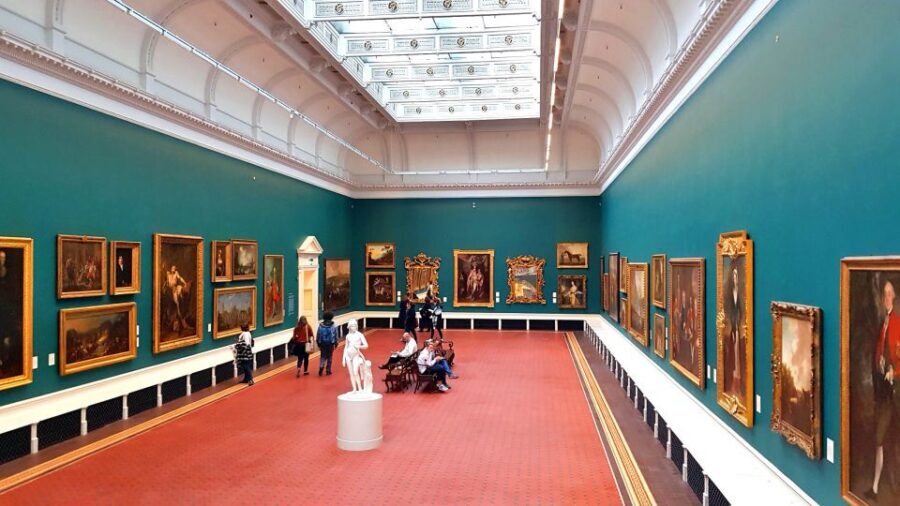
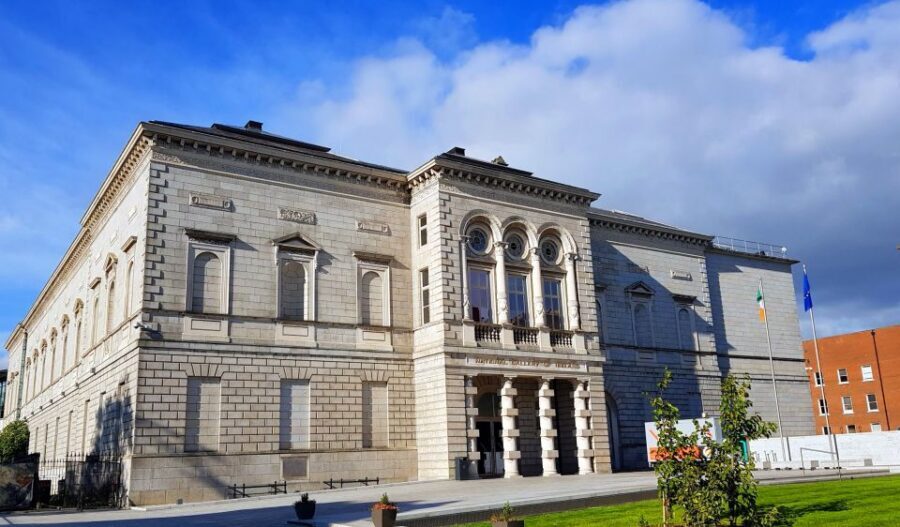
Your day starts at the National Gallery of Ireland on Merrion Square West, where your guide meets you outside. The tour begins with the visual language of Irish history, using key works to show how conflict and change get translated into symbols.
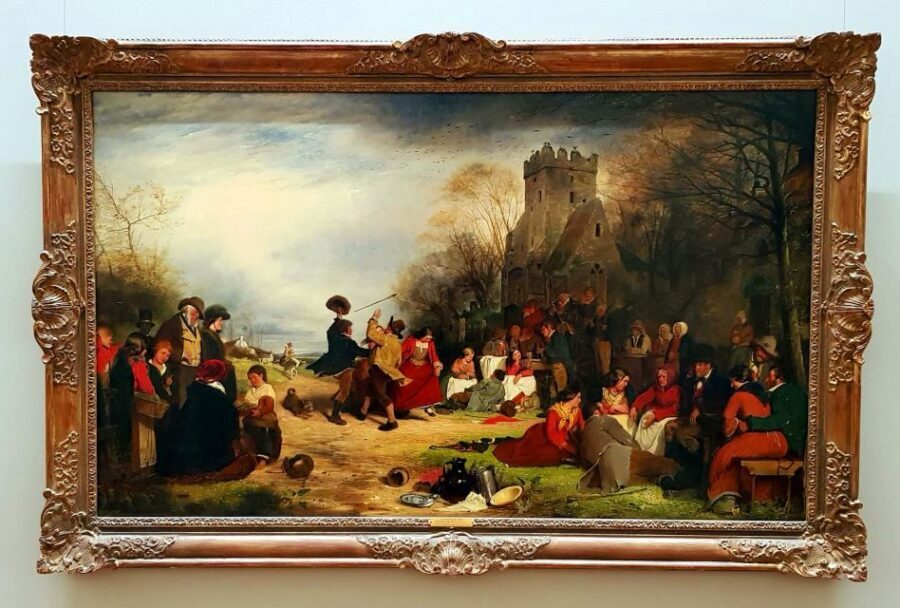
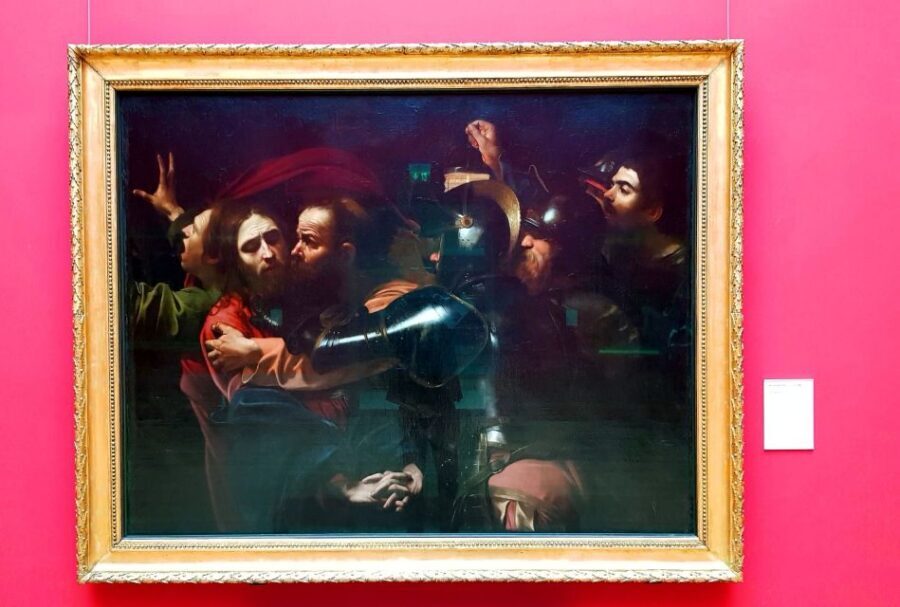
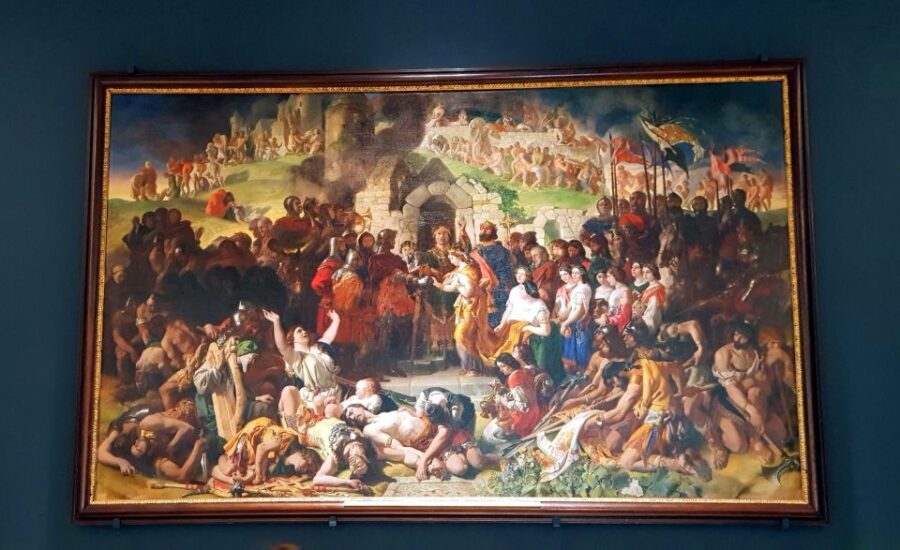
You’ll spend 40 minutes here, focused on the highlights. One of the most interesting themes tied to this stop is how the guide uses paintings that represent major historical events. The tour specifically calls out works connected to the Norman Conquest of Ireland and the Irish Civil War—two events that shaped how Ireland was governed and how people understood their own identity.
You might expect a traditional art talk that just catalogs names and dates. Instead, the guide pushes you to ask a better question: what is the painting trying to communicate about power, struggle, and belonging? When the explanation connects the imagery to the historical moment, the art becomes easier to read. Even if you’re not an expert, you can follow the meaning.
A practical tip: with only 40 minutes, you’ll want to listen actively and decide early where to look. Pick a couple of highlighted works and let the guide’s story pull you from one image to the next.
National Library of Ireland: Yeats and the power of words in national identity
Next you head to the National Library of Ireland for another 40-minute stop. This is a smart shift in tone. After visual history in the gallery, you move into the history of ideas—through writers and the cultural weight of language.
The tour’s narrative focus here includes W.B. Yeats, described as Ireland’s greatest poet. You’ll get insight into Yeats’ life and work and how they connect to the larger forces shaping Ireland over time. That matters, because Ireland’s story isn’t only about armies and rulers. It’s also about how people used literature, myth, and language to explain who they were.
If you’ve ever felt like Irish history is hard to place in your head, this stop can help you anchor it. Yeats becomes a thread. He’s not taught as trivia. Instead, you see him as part of the country’s shifting identity—how cultural ambition and political change can travel together.
One consideration: if you’re not naturally drawn to literature, you may still find the explanations useful, but you’ll enjoy it most if you’re open to learning how words can be historical evidence too. This stop is built to make you look at literature with the same seriousness as artifacts.
National Museum of Ireland (Archaeology): Tara Brooch and Ardagh Chalice in context
The final stop takes you into archaeology at the National Museum of Ireland, finishing where the archaeology focus sits. This is where the tour gives you a direct hit of early Irish craftsmanship and prestige.
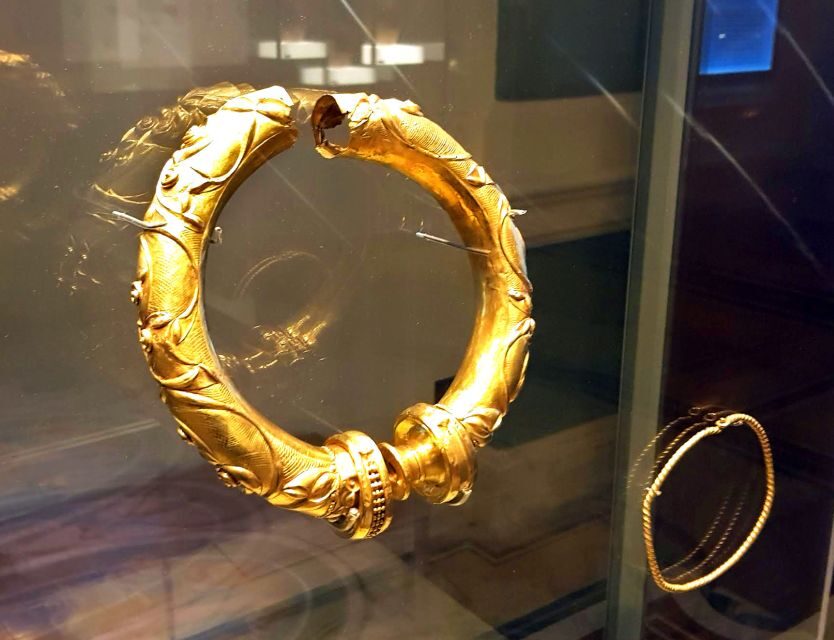
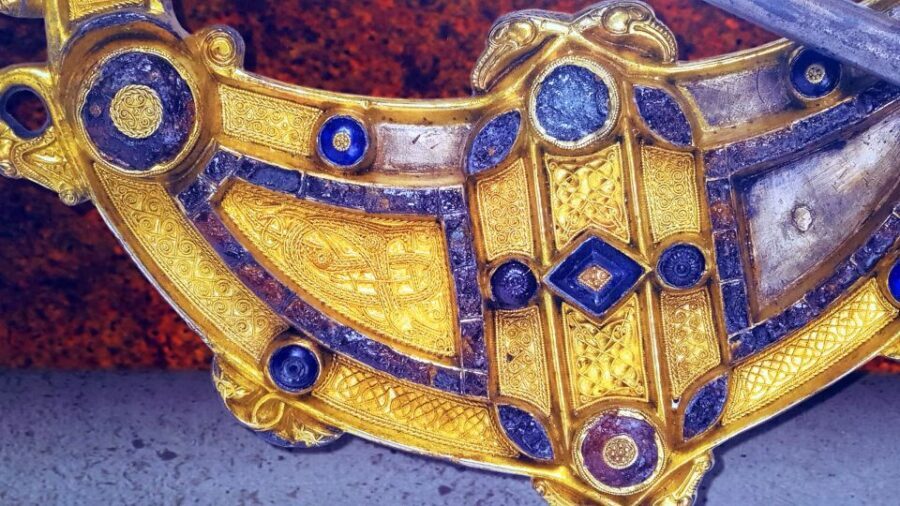
You’ll spend 40 minutes here, and the highlights named include the Tara Brooch and the Ardagh Chalice. These aren’t introduced as isolated objects. You get them connected to Ireland’s Golden Age, roughly 500–800 AD, and to what that era meant culturally.
For me, what turns this from a standard museum visit into a memorable one is the guide’s emphasis on context. The objects are impressive on their own—bright, intricate, and unmistakably skilled. But the tour also explains why they matter: what they suggest about status, belief, and the kind of society that produced such work.
The tour also frames the pieces as part of a bigger timeline. When you connect the early craftsmanship to later historical struggles and cultural evolution, you start to see why Irish identity can feel both ancient and constantly reshaped. The guide’s method—connecting each piece as a “word” in the story—helps you build that timeline in your head.
Quick practical note: if you’re a photo person, you’ll likely have time for a few shots, but the tour is timed. Stay attentive first, then snap pictures when the guide points out the key features that support the explanation.
How the 3-hour pace keeps the story moving (and why the break helps)
This tour is designed to keep you engaged for 3 hours, with a break half-way through. That structure is more than a comfort perk. It prevents the usual museum problem: starting strong, then losing track while you’re standing in front of a room that needs more attention than your brain can spare.
Here, you get a rhythm: gallery visuals, library ideas, archaeology objects. Each stop changes the type of information you’re taking in, which makes it easier to stay mentally present. The guide also keeps the storytelling thread tight, so you’re not just seeing three different themes—you’re following a single narrative line.
You should go into this expecting highlights, not a full inventory. That focus is exactly what makes the time work. If you want a museum marathon with slow wandering through every gallery, you’ll probably prefer self-guided time. But if you want to see the right pieces and understand why they matter, the structure is a big win.
You can also read our reviews of more museum experiences in Dublin






Price and value for a private group of up to 5
The price is $492 per group for up to 5 people, for a total of 3 hours. That’s the key math.
- Up to 5 people: about $98 per person
- 4 people: about $123 per person
- 3 people: about $164 per person
- 2 people: about $246 per person
- 1 person: $492 per person
So the value depends on how you travel. If you’re part of a small group, this can be a very reasonable way to get expert interpretation across major national museums without wasting time hunting for what’s worth your attention.
If you’re traveling solo, the price is steeper, but you’re still paying for something specific: a private Irish guide, plus entry to the museums. In practice, that means you’re not only paying for access—you’re paying for someone to give the “why,” and to manage the sequence so the story makes sense by the end.
From a planning point of view, I’d treat this as a smart investment if you care about understanding Irish history through culture. If you just want general sightseeing with no narration, you could build a cheaper day with independent tickets. But if you want meaning, this private format is the shortcut.
What you’ll likely enjoy most (and who should skip it)
This is a good fit for you if you like history but also want it explained in human terms. The tour leans on art, literature, and archaeology, so it’s for people who enjoy culture as evidence. It’s also ideal if you want a focused route through three major Dublin institutions without getting stuck in the wrong rooms.
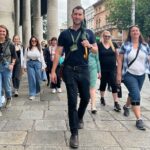
It’s also a strong choice if you want a guide who can read the room and keep the group moving. The private format matters here: you’re not squeezed into the edges of a big crowd, and the guide has room to connect the dots clearly.
Who might not love it: if you prefer deep, slow museum time with lots of independent exploring, this will likely feel like a fast scan. You’re seeing highlights only. Also, if you strongly dislike guided narration or you’re traveling with someone who hates stopping to listen, you’ll need to decide whether a guided “story day” fits your style.
Meeting at Merrion Square West and finishing back where you started
The meeting point is outside the National Gallery on Merrion Square West. The tour ends back at the meeting point, though it finishes at the National Museum of Ireland (Archaeology) before returning to where you started.
That matters because it keeps your day simple. You don’t need to coordinate separate pickups or puzzle out transport between institutions. You just show up, follow the guide’s pace, and you’re returned to your starting point.
The tour also runs with a live English-speaking guide, and it’s wheelchair accessible. If mobility is part of your planning, that’s a helpful baseline.
Book it or skip it? My honest recommendation
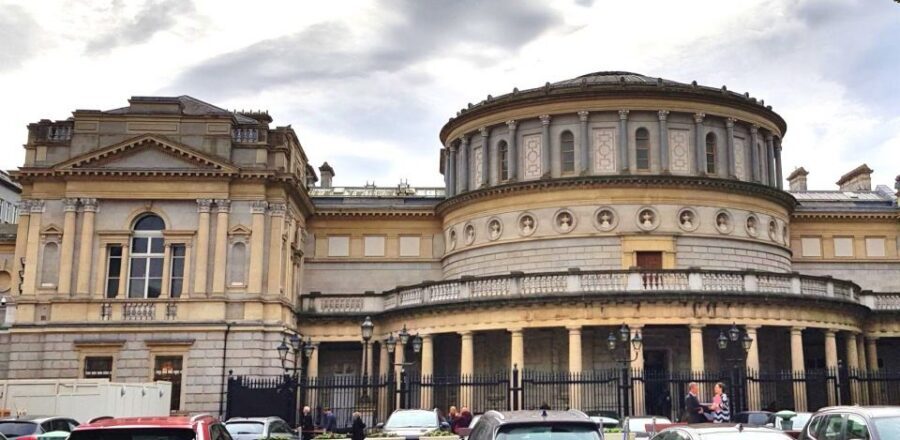
I’d book this tour if you want a guided, story-first way to understand Irish history through three of Dublin’s most important cultural spaces. The biggest reason is the connection-making: you don’t just look at works like isolated items. You learn how the pieces fit together—Norman Conquest symbols and Irish Civil War painting themes in the gallery, Yeats as a literary anchor, and Golden Age objects like the Tara Brooch and the Ardagh Chalice in archaeology.
Skip it if your goal is maximum museum coverage or you want to wander freely at your own speed. This tour is built for highlights and understanding, not exhaustive browsing.
If you’re traveling with 2 to 5 people, the private price can feel surprisingly efficient for what you get: expert interpretation plus entry, with a pacing plan that keeps you engaged for the full 3 hours.
FAQ
How long is the Dublin Treasures of Ireland Museums private tour?
It lasts 3 hours.
Where does the tour meet?
The guide meets you outside the National Gallery on Merrion Square West.
Which museums are included?
You visit the National Gallery of Ireland, the National Library of Ireland, and the National Museum of Ireland (Archaeology).
Is this tour private?
Yes. It’s a private group experience, priced for a group up to 5.
Is the tour wheelchair accessible?
Yes, the tour is wheelchair accessible.
What’s included in the price?
The price includes a private Irish guide and entry to the museums. Food and drink are not included.