REVIEW · DUBLIN
Dublin Full-Day Tour through Boyne Valley
Book on Viator →Operated by Ger Healy · Bookable on Viator
Ancient Ireland, packed into one smooth day. This Boyne Valley full-day tour strings together the key prehistoric, religious, and medieval stops around the River Boyne, so you don’t waste time hunting for locations. I like the way it moves from Cistercian abbeys to Newgrange to big Norman stonework, all in one go.
Two things I really like: hotel pickup that saves you from arranging transport, and the focus on the sites themselves (not just a long drive). You also get private transportation with parking fees covered, plus bottled water to keep the day comfortable.
The main consideration: Newgrange and Trim Castle have admissions that are not included, so you’ll want to budget extra and plan for a bit of waiting while timed elements run.
In This Review
- Key highlights worth planning for
- Why the Boyne Valley works so well for a day from Dublin
- Hotel pickup, private van, and a realistic 6–8 hour rhythm
- Mellifont Abbey: the first Cistercian abbey in Ireland
- Newgrange at Brú na Bóinne: ceremony you can actually picture
- Hill of Slane: the Paschal fire legend in context
- Hill of Tara: Ireland’s ancient seat of power, before it was a name
- Bective Abbey to Trim Castle: from calm ruins to big Norman walls
- Price and what’s included: where your money really goes
- Who this tour fits best (and who might want a different plan)
- Should you book this Boyne Valley full-day tour?
- FAQ
- What cities and areas does the tour cover?
- How long is the Dublin Boyne Valley full-day tour?
- Is pickup included?
- Is this a private tour?
- Do I need to buy tickets for Newgrange?
- Are admissions included for the other stops?
- What language is the tour offered in?
- What’s included in the tour price?
- Is lunch included?
- Is there a fitness requirement?
- Can I bring a service animal?
Key highlights worth planning for
- Cistercian abbeys in two different counties, with both Mellifont Abbey and Bective Abbey included in the day
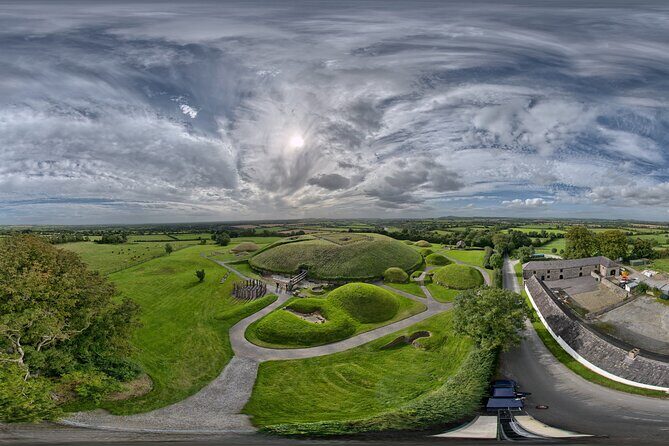
- Newgrange at Brú na Bóinne UNESCO, plus a 3-hour block so you’re not rushed
- Saint Patrick’s story at Hill of Slane, tied to the legendary Paschal fire from 433 AD
- Hill of Tara, the ancient seat of power that connects prehistoric Ireland to later Irish identity
- Trim Castle for real medieval scale, including walkways for a close look at the keep and defensive design
Why the Boyne Valley works so well for a day from Dublin
If you’ve only got one full day in the Dublin area, the Boyne Valley is one of the best “single-region” picks in Ireland. You’re not jumping between random spots. You’re moving through one meaningful corridor where prehistoric monuments, early Christian legends, and medieval power centers all sit within reach.
This kind of day tour is also practical for first-timers. A full day means you get time for stops that usually feel too short when you travel independently—especially anything that involves timed entry or a lot of walking once you’re on site. And because this is a private group (up to 6), you can settle into the day without feeling like you’re fighting for space.
You’ll also get a storyline without needing to be an archaeologist. The day naturally layers three eras:
- ceremonial prehistory (Newgrange),
- early Christianity and the Patrick legends (Slane and Tara),
- and the Norman/medieval era (Trim Castle and the abbeys).
That layering is the real value. It turns “places I’ve heard of” into a connected understanding of how Ireland’s past kept getting rewritten—by religion, by politics, and by stone.
A few more Dublin tours and experiences worth a look

Hotel pickup, private van, and a realistic 6–8 hour rhythm
This is a private tour, and it’s set up around pickup from your hotel. That matters more than it sounds. When you’re coming from Dublin, shaving off the hassle of getting to a meeting point buys you real daylight for the sites.
The tour runs about 6 to 8 hours, and the service window is listed from 7:00 AM to 6:00 PM. That usually means you’ll start early enough to beat the heaviest crowds at key attractions, but late enough that you’re not waking up in the dark unless you book the earliest slot.
The transport is private, and you’ll have parking handled and bottled water included. Those are small “comfort details” that make a big difference on a day with multiple stops—especially when you want to keep your head in the history instead of thinking about logistics.
One more practical point: bring layers. Outdoor sites can change quickly with Ireland weather, and abbeys plus castle grounds mean you’ll be exposed more than you’d expect from a drive-and-look itinerary. Also, plan on a moderate pace. There’s no mention of heavy hiking, but you will move around each stop.
Mellifont Abbey: the first Cistercian abbey in Ireland
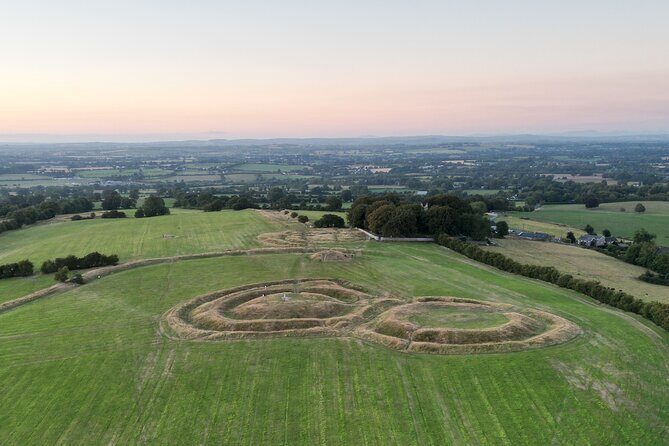
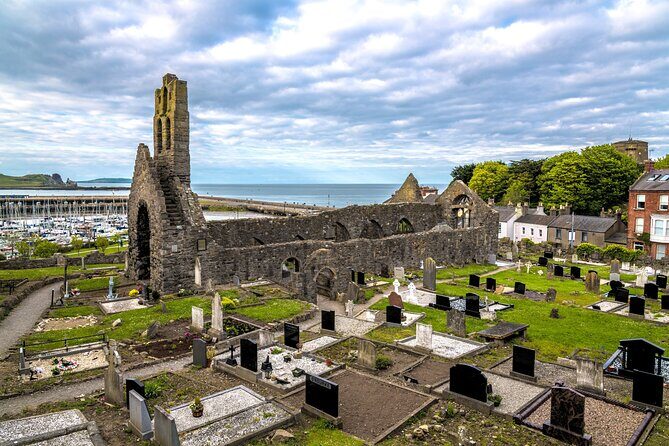
Your first stop is Mellifont Abbey, near Drogheda in County Louth, with about 45 minutes on the grounds. If you care about how monastic life shaped Ireland’s built environment, this is a strong opening.
Mellifont was founded in 1142 by Saint Malachy, Archbishop of Armagh. It’s also noted as the first Cistercian abbey in Ireland, which gives it a “starting point” feel for the story of how Cistercians arrived and spread. Even if you’re not a religious-history fan, that matters because it frames the later abbeys you’ll see the same day.
Admissions here are listed as free, so you can spend more of your money where it counts—like Newgrange. You’ll get a chance to look closely at the remains and get your bearings for the rest of the day’s religious sites. The main drawback is also typical for abbey ruins: your time can feel a little “open-ended.” If you like structure, you’ll want to pay attention to what your guide emphasizes so you don’t just wander without a point.
Newgrange at Brú na Bóinne: ceremony you can actually picture
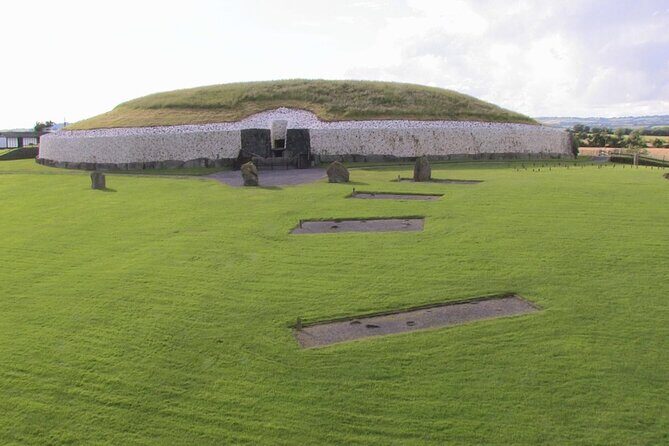
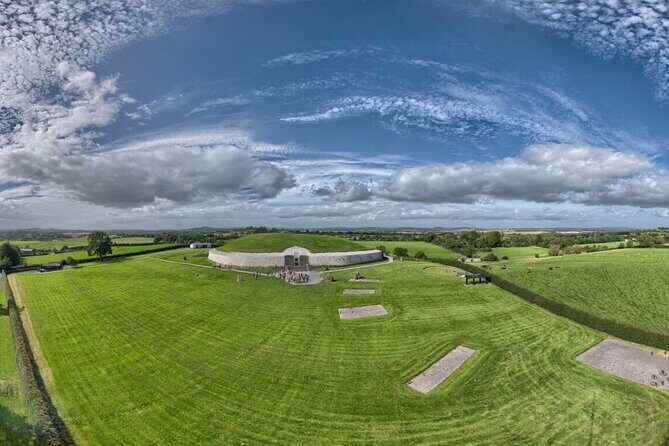
Next comes Newgrange in County Meath, with a generous 3-hour visit. This is the stop that most people talk about—because it’s one of those places that immediately signals, yes, Ireland was doing advanced building long before many other famous landmarks.
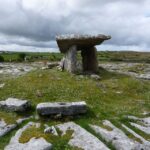
Newgrange dates to around 3200 BC, and the tour description frames it as older than both Stonehenge and the Great Pyramids of Giza. It sits inside the Brú na Bóinne UNESCO World Heritage Site, alongside Knowth and Dowth. That UNESCO context helps. You’re not seeing one monument in isolation—you’re seeing part of a larger prehistoric ceremonial landscape.
Here’s what to plan for: the Newgrange tour + exhibition fee is €18.00 per booking, and it’s not included in the base tour price. The day still works out well because the Newgrange stop is long enough to cover the experience without feeling chopped into tiny segments.
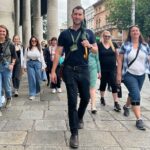
Also, the best practical tip I can give: don’t underestimate how much the guide can shape your experience at Newgrange. One of the strongest bits of feedback tied to this tour is that the host, Ger Healy, was able to help the group get access to the inner chamber at Newgrange. That’s the kind of detail that can turn a “good visit” into a memorable one—but it’s also the kind of thing that may depend on timing and availability, so don’t treat it as a guarantee. Still, having a guide who knows how to maximize the day is a real advantage.
If you want authentic value, this is where you should focus. Skip the urge to cram extra stops later. Newgrange already delivers the wow-factor, and the long block lets you absorb it.
Hill of Slane: the Paschal fire legend in context
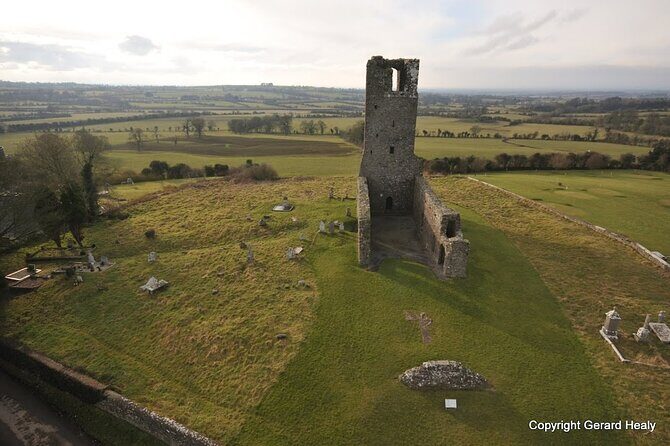
After Newgrange, you’ll head to Hill of Slane, with about 35 minutes. Admissions are listed as included, so you don’t need to scramble for tickets for this site.
Hill of Slane is strongly associated with Saint Patrick. The tour info points to a legend from 433 AD, when Patrick lit the first Paschal fire there as a challenge to the pagan high kings at nearby Tara. Whether you treat it as history, legend, or both, it’s a story that explains why these places became emotionally powerful.
What you’ll likely enjoy here is the short duration paired with strong narrative meaning. It’s not just a hill with a view; it’s a hill that became part of Ireland’s Christian origin stories. And because it’s only 35 minutes, it works even if you’re feeling a bit “site fatigue” after Newgrange.
Possible consideration: because the stop is time-limited, you’ll want to be ready to move when the group moves. This isn’t the place to stop and take your time like you would at a museum you can pace freely.


Hill of Tara: Ireland’s ancient seat of power, before it was a name
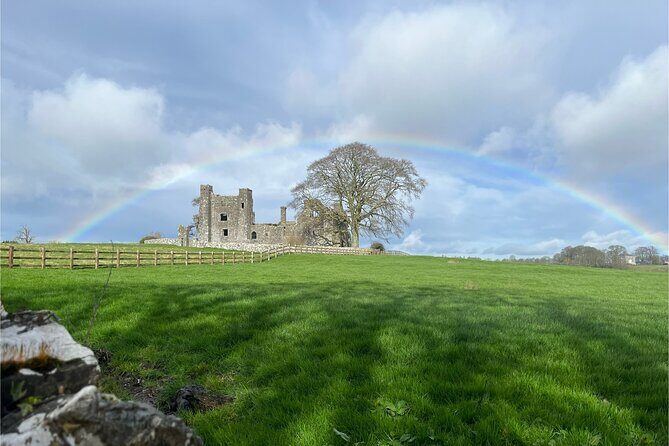
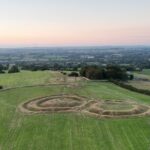
Next is Hill of Tara, with around 45 minutes and admission included. If you’ve ever wondered why Tara shows up so often in Irish storytelling, this is the reason: it’s one of the country’s most important archaeological and historical sites.
The tour description frames it as the ancient seat of power in Ireland. That’s the key idea. Even if you don’t catch every detail on the ground, you’ll understand the scale of what “power” meant here—this was the place where authority was performed and recognized.
Tara also has a special place in Irish recent history as an independent fledgling nation, which adds a second layer to what you’re seeing. You’re not just looking at ancient earthworks; you’re seeing a site that got reused in cultural meaning across time.
A practical note: Tara can feel more atmospheric than “hands-on.” It’s not like a fully intact building. You’ll get more out of it if you let your guide interpret what you’re looking at rather than treating it like a checklist.
Bective Abbey to Trim Castle: from calm ruins to big Norman walls
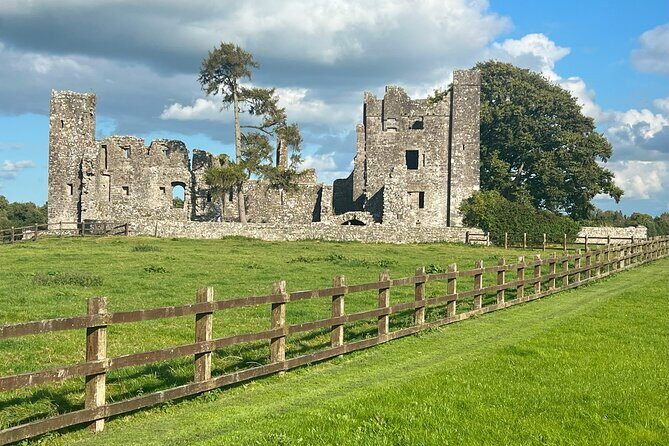
After Tara, the day shifts from religious sites to medieval muscle. First up is Bective Abbey, near the River Boyne in County Meath, with about 35 minutes and free admission.
Bective Abbey is described as a well-preserved Cistercian abbey founded in 1147 by Murchad O’Melaghlin, King of Meath. It’s also identified as the second Cistercian abbey in Ireland, following Mellifont Abbey. That makes it a useful “compare and contrast” stop. You’re essentially seeing Cistercian architecture and monastic remains continue to develop after that first arrival story at Mellifont.
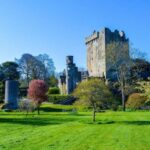
Then you’ll finish with Trim Castle in Trim, County Meath, for about 2 hours. This is a major highlight because Trim Castle is described as the largest Anglo-Norman castle in Ireland. It was built over about 30 years in the late 12th century by Hugh de Lacy and his son Walter.
What I like about Trim in a tour context is that it gives you scale. The castle features a monumental three-story keep that’s cruciform in shape, surrounded by a curtain wall, moat, and defensive towers. And unlike some ruins, there are modern walkways that let you explore the interior spaces and get a close look at what made it defensible.
The tour description also adds two fun context boosts: visits from King John and Richard II, and it being a filming location for Braveheart. Those facts don’t replace the stone, but they help you connect what you see with cultural memory.
Admission for Trim Castle is listed as not included, so plan on paying separately if you want the full experience inside. If you’re short on time once you arrive, Trim is the kind of place where being inside (or at least close to interior spaces via walkways) helps you understand the whole defensive plan.
Price and what’s included: where your money really goes
The tour is listed at $1,087.16 per group (up to 6), and the average booking timing is around 66 days in advance. That sounds high at first glance until you think about what’s covered: it’s private transportation for your group, with parking fees handled and bottled water provided, plus hotel pickup.
In other words, this price is for convenience plus time. If you split the cost among up to six people, the per-person hit can drop quickly—especially compared with cobbling together separate transport and tickets with less flexibility.
Here’s what’s included:
- private transportation,
- parking fees,
- bottled water,
- hotel pickup,
- mobile ticket.
Here’s what’s not included (and should be in your budget):
- Lunch (not included),
- Newgrange tour + exhibition €18 per booking,
- Trim Castle admission (not included).
A smarter way to plan value is to treat Newgrange and Trim Castle admissions as part of the “you’re paying for the main attractions” equation. The rest of the day includes free sites like Mellifont Abbey and Bective Abbey, plus admission-included stops at Hill of Slane and Hill of Tara. That mix is what keeps the day feeling balanced rather than nickel-and-dimed.
Two quick prep ideas that keep you comfortable:
- bring a snack or plan to eat before/after, since lunch isn’t included;
- wear shoes you’re fine with for uneven ground at abbeys and earthworks.
Who this tour fits best (and who might want a different plan)
This is a great match if you want:
- a one-day arc through the Boyne Valley without driving yourself,
- a private-group pace (up to 6),
- and strong priority on famous sites that normally chew up time when you’re coordinating solo.
It’s also ideal for people who appreciate context. Abbeys and earthworks can blur together if you’re just reading placards. A guide helps you see why each stop matters in the broader story.
You might look elsewhere if you’re the kind of traveler who needs long, unstructured time at each site. Most stops are 35–45 minutes, with longer time only at Newgrange (3 hours) and Trim Castle (2 hours). It’s efficient, not slow.
Should you book this Boyne Valley full-day tour?
I’d book it if you want one day that hits the big three categories: prehistoric ceremony (Newgrange), Christian legend and ancient power (Slane and Tara), and medieval fortification (Trim Castle)—all without the stress of transport planning. The value improves when you’re traveling with a small group, because the private van and pickup aren’t “per person” in the way some tours are.
The decision turns on two things:
- Are you okay budgeting separately for Newgrange (€18 tour + exhibition) and Trim Castle admissions? If yes, the day is well balanced.
- Do you want a guide who can help you maximize key moments? Feedback tied to this tour highlights Ger Healy doing exactly that at Newgrange.
If both check out for you, this is a strong, efficient way to see the Boyne Valley properly.
FAQ
What cities and areas does the tour cover?
It runs from Dublin and focuses on the Boyne Valley area around County Meath, County Louth, and Trim, with multiple stops including Mellifont Abbey, Newgrange, Hill of Slane, Hill of Tara, Bective Abbey, and Trim Castle.
How long is the Dublin Boyne Valley full-day tour?
The duration is listed as about 6 to 8 hours.
Is pickup included?
Yes. The tour offers pickup from your hotel.
Is this a private tour?
Yes. It’s a private experience, and only your group participates (up to 6 people).
Do I need to buy tickets for Newgrange?
Yes. The Newgrange tour + exhibition admission is €18.00 per booking and is not included.
Are admissions included for the other stops?
Hill of Slane and Hill of Tara include admission. Mellifont Abbey and Bective Abbey are listed as free. Trim Castle admission is not included.
What language is the tour offered in?
The tour is offered in English.
What’s included in the tour price?
Included are private transportation, parking fees, and bottled water.
Is lunch included?
No. Lunch is not included.
Is there a fitness requirement?
The tour notes a moderate physical fitness level is recommended.
Can I bring a service animal?
Yes. Service animals are allowed.