REVIEW · DUBLIN
Dublin EPIC Museum Admission Ticket
Book on Viator →Operated by EPIC The Irish Emigration Museum · Bookable on Viator
This story starts with a family name. EPIC The Irish Emigration Museum is a high-tech, self-guided walk through why over 10 million Irish people left and what happened next for both emigrants and descendants worldwide. I like that it’s set up for a no-stress, self-paced visit, and I also love the stamp-and-passport idea that makes you pay attention without it feeling like homework. One thing to consider: the museum covers a huge topic, so if you prefer quick history bursts, you might feel information overload.
You’ll find it in Dublin’s CHQ building, a short walk from O’Connell Street or Trinity College, and check in with your voucher to get your play passport for the journey. I also appreciate that the staff are positioned around the building, so if a screen, gallery, or timeline leaves you with questions, you can ask. The main drawback is that a few exhibits use lots of screens and audio at once, which can feel distracting in busy moments—or if you’re wearing headphones while watching nearby displays.
In This Review
- Key things to know before you go
- Entering EPIC at CHQ: tickets, your passport, and first impressions
- The self-guided flow through 20 galleries (and what each type of stop does)
- Using the free audio guide app so the stories land
- The stamp passport: why it works better than you’d expect
- What the museum teaches: reasons, routes, and lasting impact
- Time planning: 90 minutes baseline, 3 hours when you read everything
- Irish Family History Centre add-on: when genealogy advice is worth paying for
- Staff help and the tech balance: what makes the experience feel smooth
- Price and value at about $25.40 per person
- Who should book EPIC (and who might want to adjust expectations)
- Should you book EPIC The Irish Emigration Museum?
- FAQ
- Do I need to prebook admission to EPIC?
- How long does an EPIC visit take?
- Where is EPIC The Irish Emigration Museum in Dublin?
- Is entry self-guided or do I join a group?
- Do I get a souvenir or guide materials with admission?
- What if I can’t download the audio guide app?
- Can I add the Irish Family History Centre?
Key things to know before you go

- Prebook your entry so you don’t waste time trying to get tickets for a popular Dublin attraction
- 20 galleries, self-guided means you can enter any time during opening hours and move at your own speed
- Your play passport + stamps turns the visit into a simple route you can actually finish
- Free audio guide app (9 languages) helps the exhibits make more sense, especially if you like context
- Extra Irish Family History Centre is separate, and it’s worth it only if you want heritage and genealogy help
- Allow 1.5 hours as a baseline—some people stretch it closer to 3 hours depending on how closely you read and interact
Entering EPIC at CHQ: tickets, your passport, and first impressions
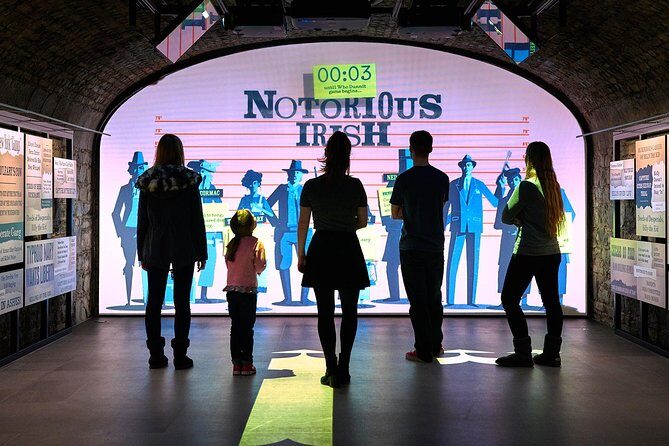
EPIC lives in Dublin’s CHQ building, and that location is handy for planning. You can pair it with a morning around O’Connell Street or fit it between sightseeing blocks near Trinity College. The museum also works well when you want to move indoors without giving up momentum, since you can start whenever you like during opening hours.
Once you arrive, you check in using your voucher, either electronic or paper. After that, you pick up your passport for the experience. This passport isn’t just a souvenir—it’s part of how the museum guides you through the 20 galleries. You’ll be prompted to collect stamps as you go, so it naturally encourages you to slow down just enough to take each stop in.
My favorite early moment is the way the building gets you into the theme immediately. It’s not one hallway of facts—it feels like a route through stories, with staff spread around so you’re not stuck guessing what you’re looking at. That matters because the subject matter is big: Irish emigration, including the hardships, the reasons people left, and the ripple effects around the world.
Tip: If you’re prone to rushing, start with the galleries you’re most curious about, but keep an eye on the stamp flow so you don’t miss sections you’d regret skipping.
A few more Dublin tours and experiences worth a look



The self-guided flow through 20 galleries (and what each type of stop does)
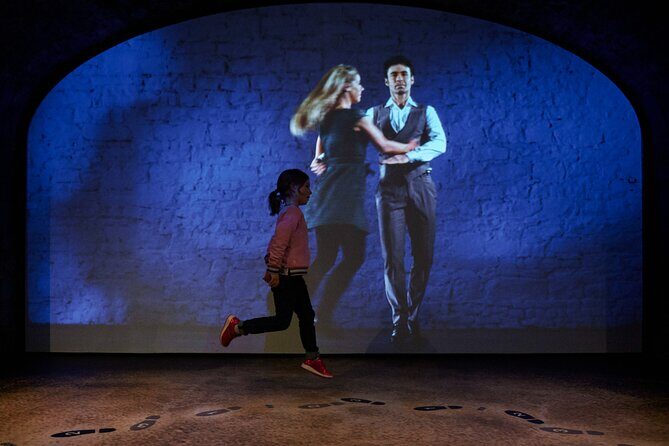
This is a self-guided museum tour through 20 state-of-the-art galleries. The layout is designed so you can enter at your chosen time and keep going without matching a group pace. In practice, that gives you control over your energy level: you can power through interactive screens quickly or stop longer when a story pulls you in.
Most visits take about 1.5 hours, but the experience is built for variable pacing. If you’re reading carefully, interacting with more of the displays, or pausing for photos, it’s easy to extend. If you’re skimming, you might feel ready to move on sooner. Either way, the route is still coherent because of the passport concept and the steady progression through galleries.
Here’s what this structure means for you:
- You can choose how emotional or analytical you want to be. Some galleries are designed to hit you fast, while others offer more context so you can make sense of the timeline.
- You can take breaks inside the museum without feeling like you’re breaking a tour schedule.
- If you travel with different interests—someone loves history, someone likes interactive tech, someone is there for family context—you can still keep everyone together at a workable pace.
Using the free audio guide app so the stories land

EPIC offers a free audio guide app for iPhone and Android in nine languages. This is one of the best value-adds in the whole ticket package, because it turns “interesting screens” into “understand what you’re seeing.”
The audio guide is especially helpful in a museum like this, where one gallery can cover a lot of ground—reasons for departure, where people went, and how those choices changed communities. If you’re the type who reads fast and misses the meaning behind the visuals, audio helps you catch the intent.
You also have a fallback option: if you can’t download the app, audio guide devices in nine languages are available for an additional €2. That keeps the experience from becoming all-or-nothing depending on your phone battery or data plan.
Practical advice: If you do use audio, try not to run it at the same time as multiple video screens close together. A couple of exhibits can feel busy that way, and you’ll get more out of it if you give your attention to one channel at a time.
The stamp passport: why it works better than you’d expect
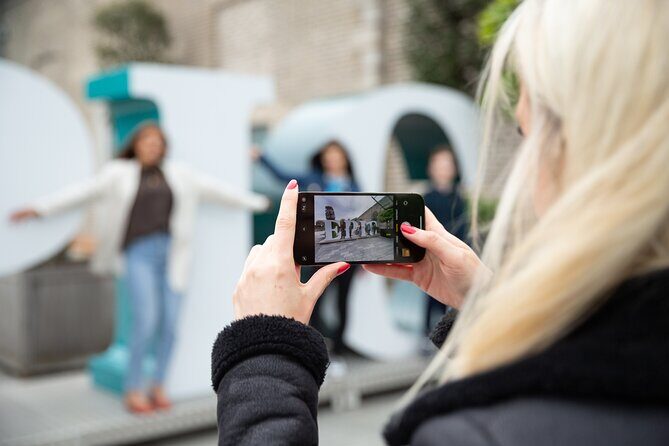
The passport-stamping idea is simple: you collect a stamp at each gallery as you move through the museum. But it’s surprisingly effective. It gives you a physical sense of progress, and it helps keep the museum from feeling like a blur of screens.
This matters because EPIC covers a huge arc. You’re not just learning that people emigrated—you’re learning why more than 10 million Irish people left the island, what struggles and triumphs came with leaving, and where they went. The museum also connects the Irish story to the global Irish diaspora, including people around the world who claim Irish ancestry today.
The passport also helps families and mixed-age groups. Even if some exhibits aren’t perfect for every kid’s attention span, the stamping makes it feel like a game with rules. For adults, it turns the visit into a self-imposed checklist that keeps you from drifting too fast.
If you love souvenirs, your passport is also included as a free memento. So you get a practical tool and a keepsake, without extra ticket add-ons.
What the museum teaches: reasons, routes, and lasting impact

EPIC’s core theme is Irish emigration—and it covers it in a way that tries to connect cause and outcome. You’ll learn the reasons behind the departures, including the pressure points that shaped Irish life and pushed people to leave. You’ll also see how leaving wasn’t a single moment; it was a long chain of decisions, journeys, and consequences.
The museum also builds in context about destinations. You’ll explore where people went and why those routes mattered. And it doesn’t stop with emigrants as a finished story. It highlights the wider global picture by pointing to the scale of Irish ancestry around the world—70 million people who claim Irish roots.
Some exhibits focus on personal stories and recognizable themes like courage, endurance, and discovery. Other parts reflect on achievements and influence—Irish people and their descendants contributing to music, sport, politics, inventions, and more. That wide-angle approach is one reason the museum can feel emotional for many visitors, even if you’re not Irish yourself.
One caution: The topic is big, and the museum doesn’t always slow down to match a beginner level. If you want a lighter, quick overview, you may want to pick your favorite sections and not try to read every screen closely.
You can also read our reviews of more museum experiences in Dublin





Time planning: 90 minutes baseline, 3 hours when you read everything
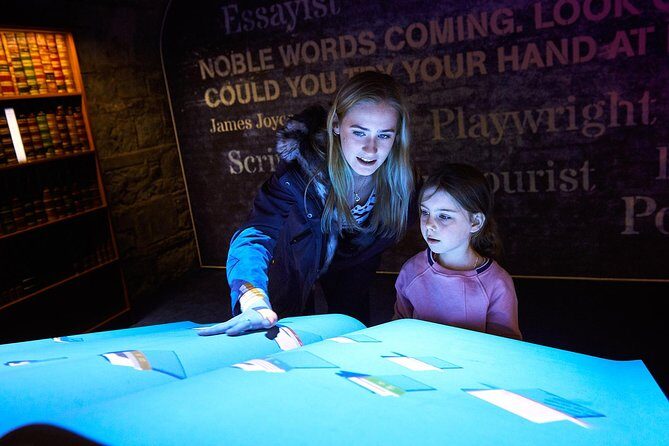
On average, you’ll spend about 1.5 hours at EPIC. But don’t treat that like a strict timer. The museum is designed for self-guided pacing, and it’s realistic to stretch toward 3 hours if you’re engaging with interactive displays and taking time with personal stories.
In my view, the museum works best when you plan for a calm block, not a squeeze between trains. If you arrive with enough time, you can slow down when something catches your eye rather than rushing just to “finish.” If you’re short on time, you can still complete the full route because the passport stamps keep you moving through all 20 galleries.
A nice extra detail: if you don’t finish in one visit, you may be able to return another day. That flexibility is useful if you’re visiting during a packed schedule and want a second pass for the sections that landed with you.
Tip: If you’re traveling with anyone who tires easily indoors, set a personal goal like completing the passport stamps first, then decide whether to linger.
Irish Family History Centre add-on: when genealogy advice is worth paying for
Standard admission covers EPIC’s 20 galleries and your passport. But there’s an extra-fee option: entry to the Irish Family History Centre. If you’re paying attention to your family background, this can be the best use of extra money.
In the Family History Centre, you can learn about Irish heritage and ancestors and explore what makes your family story unique. The experience also allows you to schedule a consultation with a professional genealogist, which is a big deal if you want more than general history—you want help making sense of names, lines, and dates.
That said, it’s not built for everyone. If you’re mainly there to understand Irish emigration broadly, the base EPIC museum alone is already a full experience. Save the add-on if you feel a personal pull toward your roots and you’re ready to work with the details.
Practical fit: If you’ve got family records, letters, or even just a surname and an approximate time period, you’re more likely to get value from the extra center.
Staff help and the tech balance: what makes the experience feel smooth

One of the standout strengths here is the support you can access. Staff are placed throughout the building, and they can answer questions if you get stuck on what an exhibit is trying to say. That makes a difference in a high-tech museum, where it’s easy to feel like you’re standing in front of an impressive screen but not sure what it means.
The museum is also widely praised for being well organized. The flow through galleries feels logical, and the interactive setup keeps you engaged without requiring you to be a museum expert. A lot of visitors appreciate that the experience is understandable and not written like a dense textbook.
There’s also a small reality to acknowledge: some exhibits can be visually busy, and a couple of screens with audio running at the same time can create distractions. If you’re sensitive to that, you might want to pace yourself, lower audio volume, or take short pauses when you notice you’re getting overloaded.
Price and value at about $25.40 per person
At $25.40 per person, the ticket price isn’t just for entry—it includes a lot of extras that reduce friction. You get your souvenir passport, and you get access to the free audio guide app in nine languages. That audio piece matters: it helps you move through the exhibits with context instead of feeling like you’re only skimming big visuals.
You’re also paying for convenience. Prebooking helps you avoid hassle at a popular attraction. When you’re in Dublin and your day is already packed, skipping that uncertainty can be worth real money in time and stress.
In value terms, EPIC works best when you plan to actually use the passport stamping and audio. If you do, you’ll likely spend the bulk of your visit taking in the full story arc across 20 galleries. If you arrive and rush without reading or listening, the price can feel like it’s buying potential rather than satisfaction.
My take: If you’re even moderately interested in Irish history, diaspora stories, or interactive museums, this ticket is a solid use of your limited sightseeing hours.
Who should book EPIC (and who might want to adjust expectations)
EPIC is a great match if you want history that uses modern storytelling tools. It’s especially fitting for you if you like self-paced experiences, interactive exhibits, and a museum that connects the Irish story to the present-day world.
It also suits families well. The passport stamps give kids something concrete to do, and adults still get plenty of context without needing a live guide for every room.
Consider tempering expectations if you prefer quiet, text-heavy exhibits or if you don’t enjoy audio/tech components. The museum covers a huge topic, and some people may find it information-heavy. That doesn’t mean it’s bad—it means it has a lot of moving parts, and you’ll enjoy it more if you’re open to a tour that uses screens, sound, and stories.
Should you book EPIC The Irish Emigration Museum?
Yes, I think you should book EPIC if you want a high-quality Dublin attraction that’s educational and emotionally resonant without requiring you to follow a strict schedule. The self-guided format, the included stamp passport, and the free audio guide app are the big reasons it delivers real value for the price.
I’d book it sooner rather than later if your trip is during a busy time, since prebooking helps you lock in entry. And if Irish emigration connects to your family story, look closely at the Irish Family History Centre add-on—you can turn general history into something personal with guidance from a professional genealogist.
If you’re short on time, aim for a full passport-stamp route first, then decide how long you want to linger. That way you leave feeling like you completed the experience, not like you just watched a few screens.
FAQ
Do I need to prebook admission to EPIC?
Prebooking is recommended because it helps you avoid hassle and guarantees your entry to this popular attraction.
How long does an EPIC visit take?
The experience typically takes about 1.5 hours, though the ticket lets you explore at your own pace and some people spend closer to 3 hours.
Where is EPIC The Irish Emigration Museum in Dublin?
It’s in Dublin’s CHQ building, within a short walk of O’Connell Street or Trinity College.
Is entry self-guided or do I join a group?
It’s a self-guided tour. You can enter at your chosen time during opening hours and explore the galleries at your own pace.
Do I get a souvenir or guide materials with admission?
Yes. You get a free souvenir passport, and you can download a free audio guide app (nine languages) for iPhone and Android.
What if I can’t download the audio guide app?
If you can’t download it, audio guide devices in nine languages are available for an additional €2.
Can I add the Irish Family History Centre?
Entry to the Irish Family History Centre is not included with standard admission. It requires an extra admission fee, and it can include scheduling a consultation with a professional genealogist.