REVIEW · DUBLIN
Dublin LGBTQ Pride Historical and Cultural Walking Tour
Book on Viator →Operated by Original Dublin · Bookable on Viator
Queer Dublin walks fast with big stories. This 2-hour LGBTQ Pride historical and cultural walking tour strings together famous landmarks and the people who fought, performed, organized, and survived. It’s built for first-time visitors who want more than surface-level sightseeing, without turning into a stuffy lecture.
What I like most is how the route mixes high-profile places with smaller, specific LGBTQ+ touchpoints. You’ll meet in central Temple Bar, and the tour’s stops are timed so you keep moving while still hearing enough story to make each location click—especially with guides like Deidre and Helena, who are known for being energetic and very focused on people who might get missed in typical history tours.
One consideration: the schedule is tight, with short stops that are roughly 10 minutes each, so it’s not the right choice if you want to linger in every building. Also, admission at Trinity College Dublin is not included, so you’ll want to plan for that extra ticket cost if you stop there.
In This Review
- Key highlights worth showing up for
- Where it starts: Temple Bar’s 3 Crown Alley meetup
- Tempo and fitness: a short-stops walking tour that still moves
- Temple Bar to the photographed bridge: queer Dublin in motion
- GPO Museum: Easter Rising and the queer figures tied to it
- Abbey Theatre: culture as a battleground and a stage
- Liberty Hall: Pride history, tragedy, and trans activism
- Trinity College Dublin: the famous arch and LGBTQI+ alumni
- Meeting House Square in the 1980s: Sean Harrington’s spot for hope
- Temple Bar headquarters site: café, disco, cinema, and community
- The George Bar: an old operating institution in the middle of it all
- Dublin Castle finish: 18th-century splendor in the tour’s final minutes
- Price and value: why this feels fair for what you get
- What you’ll remember after: the tour’s strongest selling points
- Who should book this walking tour (and who might not love it)
- Should you book this tour?
- FAQ
- How long is the Dublin LGBTQ Pride Historical and Cultural Walking Tour?
- What is the price per person?
- Where does the tour start and end?
- Is the tour offered in English?
- Do I need to worry about admissions at the stops?
- How big is the group?
- Is moderate physical fitness required?
- Are service animals allowed?
- Is there free cancellation?
Key highlights worth showing up for
- Temple Bar meeting point that’s easy to find, right in the area most people base themselves
- GPO Museum + 1916 Easter Rising framed through queer figures tied to that moment in Irish history
- Abbey Theatre as a gateway to Irish LGBTQ+ cultural icons and their influence
- Liberty Hall linking Pride history to trans activism and political struggle
- Old-school queer nightlife stops, including a long-running gay headquarters site and Dublin’s George Bar
- A finish at Dublin Castle’s upper courtyard, ending in the heart of the city’s 1,200+ years of history
Where it starts: Temple Bar’s 3 Crown Alley meetup
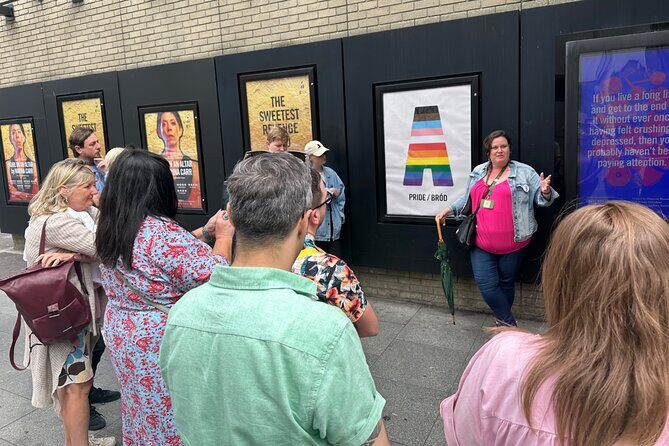
The tour begins at 3 Crown Alley, Temple Bar. That matters because Temple Bar is a reliable hub: you’re unlikely to arrive somewhere confusing or disconnected from the city center. Plus, starting in the middle of the action sets expectations. This isn’t a tour that hides the story behind outer-ring streets.
You’ll start with a simple group-and-guide moment, then head out on foot from there. With English as the offered language and a mobile ticket, it’s the kind of experience that’s straightforward to actually use on a travel day—no complicated paperwork, no hunting down a meeting room in the wrong building.
You can also read our reviews of more walking tours in Dublin
Tempo and fitness: a short-stops walking tour that still moves
Plan on about 2 hours total and a moderate pace. The tour also lists a moderate physical fitness level requirement, which basically tells you what to expect: you should be comfortable walking several blocks in the city center and keeping up when the group shifts between stops.
The big “format” choice here is time. Each stop is roughly 10 minutes, so you get quick context and a clear sense of why the site matters, but you’re not stuck in one place for half an hour. If you love a sprint-style itinerary, you’ll enjoy it. If you prefer slow museum browsing, you might feel a little rushed.
Temple Bar to the photographed bridge: queer Dublin in motion
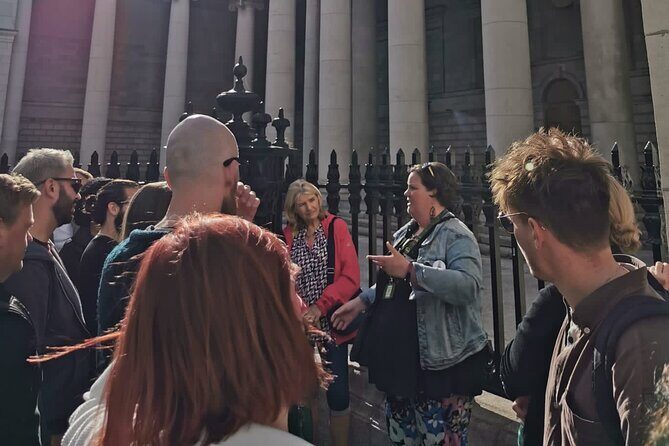
After meeting up, you head out to some of the most recognizable parts of central Dublin. One early highlight is a walk across Dublin’s most photographed bridge. You don’t just use the bridge as a photo op; you use it as a transition point—moving from present-day Temple Bar into the stories that connect Irish society, law, culture, and identity.
This kind of in-city routing is useful because it trains your eye. Even before you reach the formal sites, you start seeing the city as a chain of locations where communities gathered, pushed back, and found ways to exist openly.
GPO Museum: Easter Rising and the queer figures tied to it
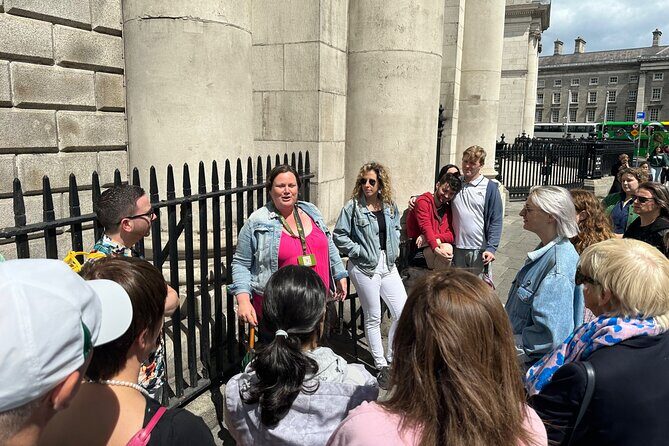
Next comes the GPO Museum, one of Ireland’s major historic buildings, and a key stage for the 1916 Easter Rising. What makes this stop especially valuable is the framing: instead of treating LGBTQ+ history as a separate storyline, the tour places queer figures inside major national moments—so you learn how identities and activism intersect with bigger political upheavals.
You also get a practical benefit here. The stop is marked with free admission ticket time within the tour flow, which helps keep the cost sensible while still giving you access to an important site. Even if you’re not a museum devotee, this stop is a strong anchor because it’s tied to a moment everyone recognizes, then gets retold with LGBTQ+ presence in focus.
Abbey Theatre: culture as a battleground and a stage
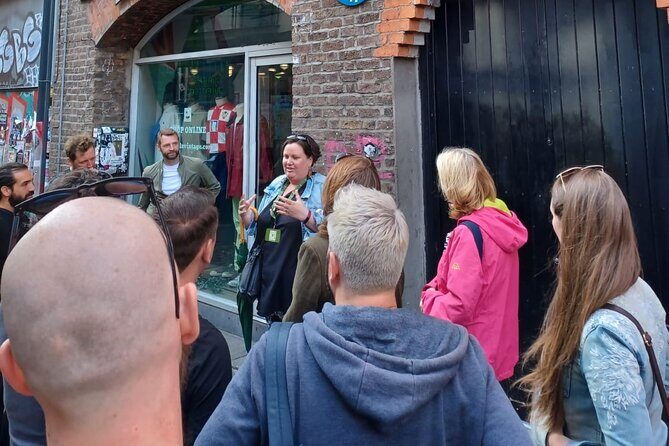
The Abbey Theatre is the next major cultural stop, and it’s a smart choice. It’s Ireland’s national stage, so it naturally links performance, public ideas, and who gets to be seen.
Here, the tour focuses on an Irish LGBTQ+ icon and their role in shaping modern Ireland. That matters because theatre isn’t just entertainment. It’s a public space where stories become accepted language. When the tour connects queer identity to cultural influence, you start to understand how change spreads—not only through marches, but through art, audiences, and the people willing to put their lives on stage.
You can also read our reviews of more historical tours in Dublin






Liberty Hall: Pride history, tragedy, and trans activism
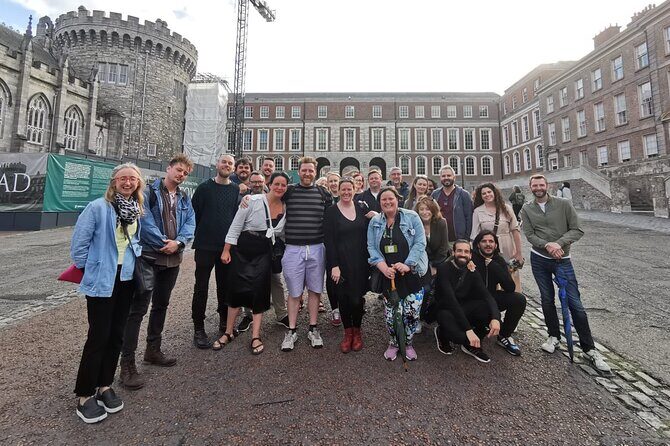
Then you reach Liberty Hall, a stop that shifts the mood in the right way—serious, political, and human. The tour talks about the circumstances around Ireland’s first ever gay pride parade, including how complicated and risky visibility could be.
It also includes a focus on one of Ireland’s inspirational trans activists. Even with short stop timing, the message is clear: trans history in Ireland isn’t just a later chapter. It’s part of how communities organized, argued for rights, and survived pushback.
If you’re someone who likes tours that don’t gloss over harm, this is the section where you’ll feel the weight. It’s also the section where the tour’s value is strongest—because it’s not treating Pride as a simple feel-good event. It’s showing what it cost to make it possible.
Trinity College Dublin: the famous arch and LGBTQI+ alumni
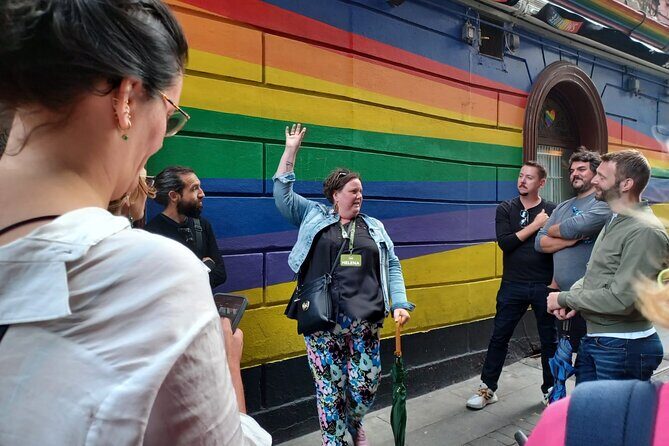
From there, you head to Trinity College Dublin, one of the oldest and best-known academic sites in Ireland. The tour points you to the area around the famous old arch and the College Green surroundings, using the setting to talk about notable LGBTQI+ alumni connected to the university.
One practical detail: admission at Trinity College Dublin is not included. That doesn’t make the stop pointless—college architecture and the atmosphere around it still work well for a guided explanation—but it does mean you should be prepared for a separate ticket if you want full access to interior spaces.
This stop is a nice reminder that identity history isn’t only about nightlife and politics. It also lives in education, institutions, and public achievement—often after long periods of exclusion.
Meeting House Square in the 1980s: Sean Harrington’s spot for hope
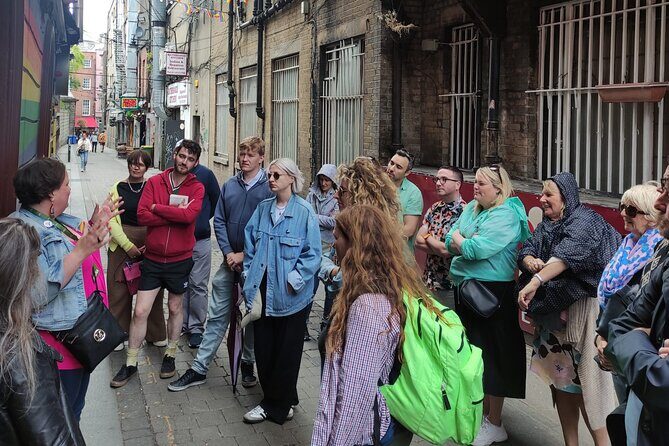
The walk loops back through the city with a stop at Meeting House Square by Sean Harrington Architects. This section focuses on the 1980s and the people who brought hope and light to a community during hard times.
The 1980s can feel like a blur when you only hear broad headlines. Here, you get grounded talk about thinkers and change-makers—enough to help you place names and themes in order. Even in a short stop window, this is the point where the tour starts to feel less like a list of famous sites and more like a story with emotional movement.
Temple Bar headquarters site: café, disco, cinema, and community
Back in Temple Bar again, the tour points out the site connected to Ireland’s first ever “bona fide” gay headquarters, described with practical details like a café, disco, and cinema. That mix matters because it shows what a community space actually did day-to-day.
It’s easy to imagine “headquarters” as just an office. But listing everyday hangouts alongside meeting points helps you picture how queer life built itself—social spaces that also supported culture, conversation, and connection.
If you want a tour that includes nightlife without turning into a bar crawl, this is one of the places where the itinerary walks that line well.
The George Bar: an old operating institution in the middle of it all
Next up is The George Bar, described as Dublin’s oldest operating gay bar. The best part of this stop is how it’s treated as more than a landmark with a history of parties. The tour talks about why the pub still matters at the center of LGBTQ+ life.
A long-running bar becomes a kind of informal archive. The people who return year after year carry stories forward. And when the tour explains that continuity, you start understanding why some places keep their importance even as the city changes around them.
Dublin Castle finish: 18th-century splendor in the tour’s final minutes
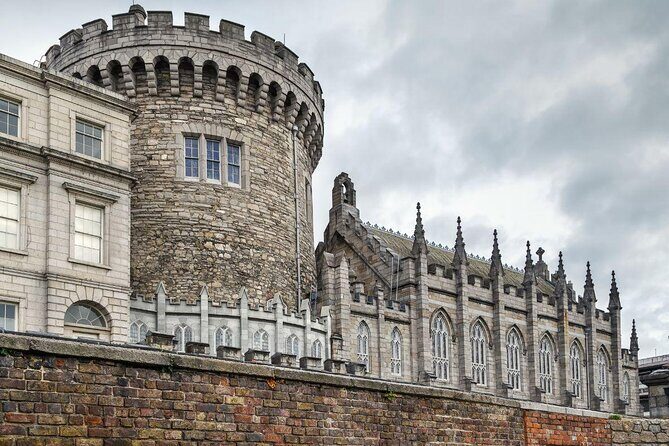
The tour ends at Dublin Castle, specifically the upper courtyard. It’s a strong finish because the tour closes with an obvious symbol of authority and longevity—1,200 years of history connected to the site, and an 18th-century feel to its grandeur.
Ending here works well for a walking tour with political and cultural themes. You’ve spent the last hours tracking how communities fought for visibility and recognition. Then you step into the kind of place that historically represented power, and you get a final sense of scale.
Price and value: why this feels fair for what you get
At $29.02 per person for about 2 hours, this tour earns its price through balance. Most stops include free admission tickets as part of the tour flow, meaning your guided storytelling is paired with access to major places without you paying for every individual entry.
The one clear cost wrinkle is Trinity College Dublin, where admission is not included. Still, even with that caveat, the overall value tends to make sense because the itinerary is built around high-visibility city-center locations rather than requiring extra travel or repeated ticket purchases.
What you’ll remember after: the tour’s strongest selling points
The biggest “why” behind this tour is how guides bring the story to life. Names like Deidre and Helena come up with the same themes: energetic delivery, clear knowledge, and a focus on people whose contributions might not show up on standard sightseeing tours.
It also helps that the route isn’t just checking boxes. It connects queer history to Irish history and culture, using theatres, museums, institutions, and nightlife sites in a way that feels practical. You finish with a mental map of where things happened and why they mattered.
Finally, the tour runs as a small-group experience with a max size of 100 travelers. That usually helps keep the pace human and the explanations understandable, especially on a walking route with short stop times.
Who should book this walking tour (and who might not love it)
Book it if you want:
- A fast, city-center overview of LGBTQ+ Pride history and culture
- A queer lens applied to recognizable Dublin landmarks
- A guide-led route that includes both big institutions and community spaces
- A tour format that keeps moving instead of staying in one building
Consider something else if you:
- Need long breaks or extra time inside museums and colleges
- Prefer tours where you can spend 30–60 minutes per stop
- Don’t want to deal with any extra admission cost at Trinity College Dublin
Should you book this tour?
Yes, if you like walking tours that connect landmarks to real people and real politics—without making it a dry history lesson. The route makes sense for first-timers, and the combination of Temple Bar, GPO Museum, Abbey Theatre, Pride-linked stops, and a George Bar finish at Dublin Castle gives you a rounded picture of queer Dublin in a short time.
If you hate fast pacing, then plan to treat it as an overview, not a deep museum day. But for most travelers looking for one strong, coherent LGBTQ+ historical experience in Dublin, this is a smart pick.
FAQ
How long is the Dublin LGBTQ Pride Historical and Cultural Walking Tour?
It runs for about 2 hours.
What is the price per person?
The price is $29.02 per person.
Where does the tour start and end?
It starts at 3 Crown Alley, Temple Bar, Dublin (D02 CX67), and it ends in the upper courtyard of historic Dublin Castle.
Is the tour offered in English?
Yes, it is offered in English.
Do I need to worry about admissions at the stops?
Many stops are listed with free admission tickets during the tour, but admission at Trinity College Dublin is not included.
How big is the group?
The tour has a maximum of 100 travelers.
Is moderate physical fitness required?
Yes. Travelers should have a moderate physical fitness level.
Are service animals allowed?
Yes, service animals are allowed.
Is there free cancellation?
Yes. You can cancel up to 24 hours in advance for a full refund.