Dublin talks fast on foot. This 2-hour Dublin city-centre walk strings together the Vikings, medieval lanes, Georgian boulevards, and Victorian grit—stopping at big names like Dublin Castle and Trinity College. You’re with a fully accredited, English-speaking guide who keeps the story moving from one era to the next.
I especially like how the tour turns famous sights into real scenes you can picture—think Dublin Castle, Christchurch Cathedral, and Trinity College as chapter headings in a longer saga. I also love the energy from the guides; names like Ian, Keith, and Kieran pop up again and again for witty, funny storytelling that makes the facts easier to remember.
One consideration: the tour is listed as 2 hours, but at least one run has stretched close to 3 without a proper snack/loo break. So bring comfy shoes and be ready to power through with water in your bag.
In This Review
- Key highlights worth planning for
- Meeting Outside The Old Storehouse and Finding Your Tour
- The 2-Hour Arc: Vikings, Medieval Dublin, Georgian Streets, Victorian Slums
- Dublin Castle and Christchurch Cathedral: Power and Faith in the Same Walk
- Trinity College: The University as a Modern Turning Point
- Temple Bar to the River Liffey: Bridges, Music Energy, and Street Stories
- The GPO and O’Connell Bridge Area: Why This Corner Matters
- Viking Dublin and Smock Alley Theatre: Layers Other Walks Skip
- How the Accredited Guide Makes the Difference (Especially With Humor)
- Price and Value: Why $27 Can Be a Smart First Dublin Move
- Practical Tips to Get the Most From This Walking Day
- Should You Book This Dublin Highlights Walking Tour?
Key highlights worth planning for
- A full 1,000-year storyline from Viking Dublin to later Georgian and Victorian periods
- Major landmarks plus side streets, including Dublin Castle, Christchurch Cathedral, Trinity College, and more
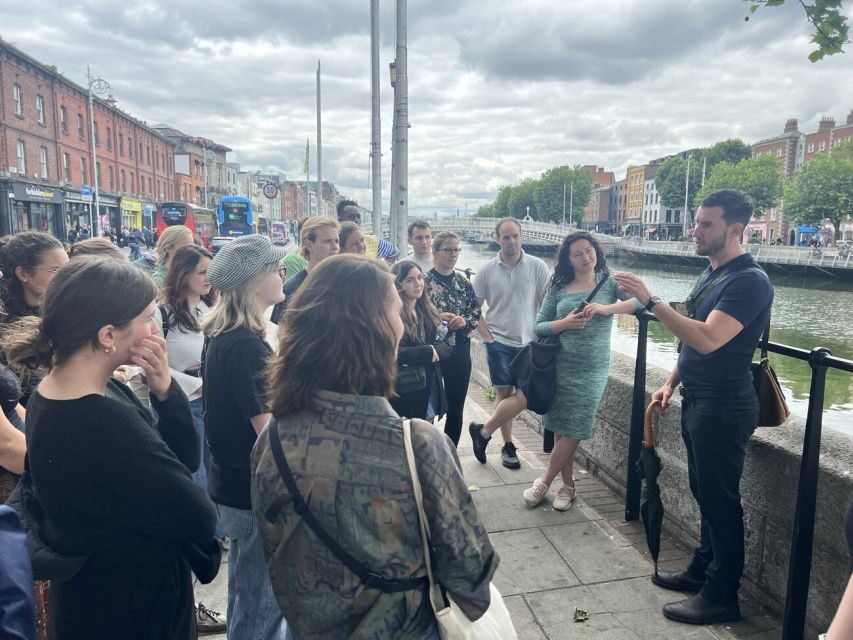
- River and bridge moments along the River Liffey, with stops like Ha’penny Bridge and O’Connell Bridge
- Character-led Dublin with stories about writers, rebels, rock stars, and rogues
- Local guidance for your next moves, including tips on where to eat, drink, see live music, and shop
- Humor that actually lands, with guides like Dave, Alan, Helena, and Karl noted for fun pacing
Meeting Outside The Old Storehouse and Finding Your Tour
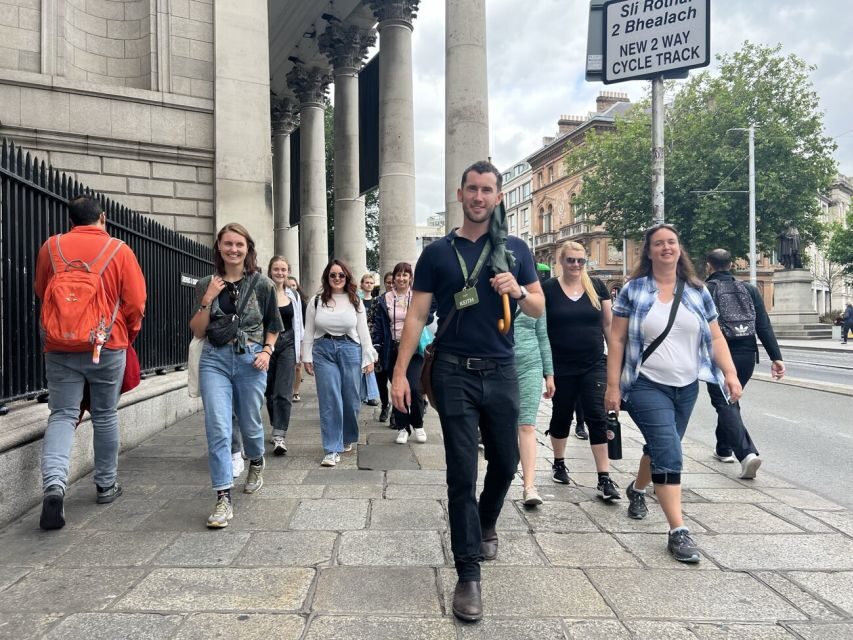
The tour starts in the city centre, outside The Old Storehouse pub. Plan to arrive about 10 minutes early and look for the green umbrella—that’s your simplest shortcut to the right group.
This is a walking tour, so you’ll want to dress for Dublin weather and wear shoes that can handle cobblestones and uneven sidewalks. The good news: because it loops back to the same meeting point at the end, you’re not stuck figuring out your way home.
Also note what’s not included. There’s no hotel pickup and no food or drinks. That’s normal for a city-walk format, but it matters for pacing—especially if your day includes a late lunch or a packed evening plan.
You can also read our reviews of more walking tours in Dublin



The 2-Hour Arc: Vikings, Medieval Dublin, Georgian Streets, Victorian Slums
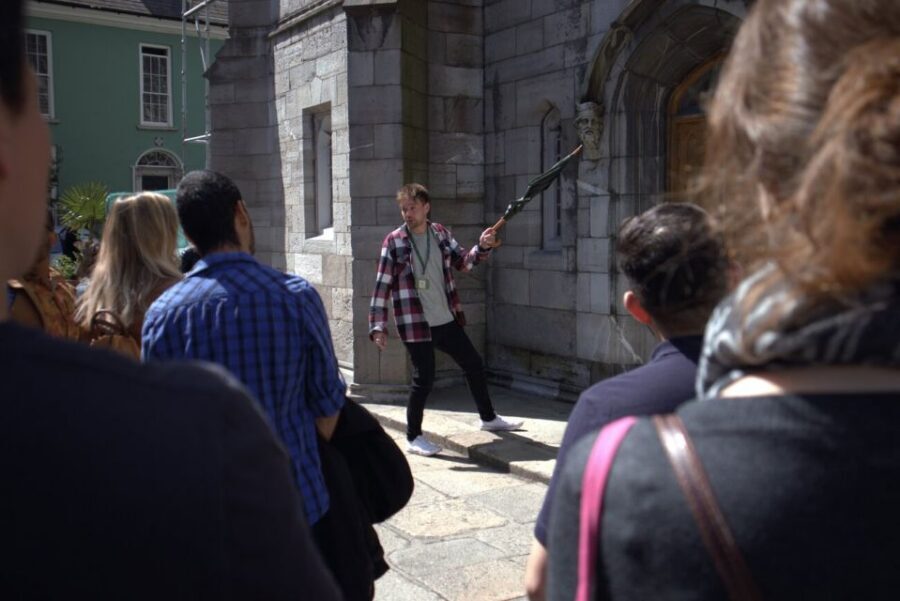
What makes this walk feel worth it is the timeline. The guide is set up to cover over 1,000 years of Dublin in one continuous, on-foot route, moving through different parts of the city’s past as you go.
You’ll cover the early “Viking origins” phase, then transition through medieval Dublin and into later periods, including Georgian boulevards and Victorian slums. That time-jumping structure is more useful than it sounds. Instead of seeing buildings as random stops, you start connecting the dots between what you’re looking at and why the city looks the way it does today.
The tour also leans on people—not just dates. The story includes writers and rebels, rock stars and rogues, and the repeated rise, fall, and rise again of Dublin. If you like history that feels human (and a little messy), this approach tends to click fast.
One practical tip: if you’re visiting Dublin for the first time, do this early. You’ll get a mental map for where the landmarks sit, and your later self-guided wandering will feel smoother.
Dublin Castle and Christchurch Cathedral: Power and Faith in the Same Walk
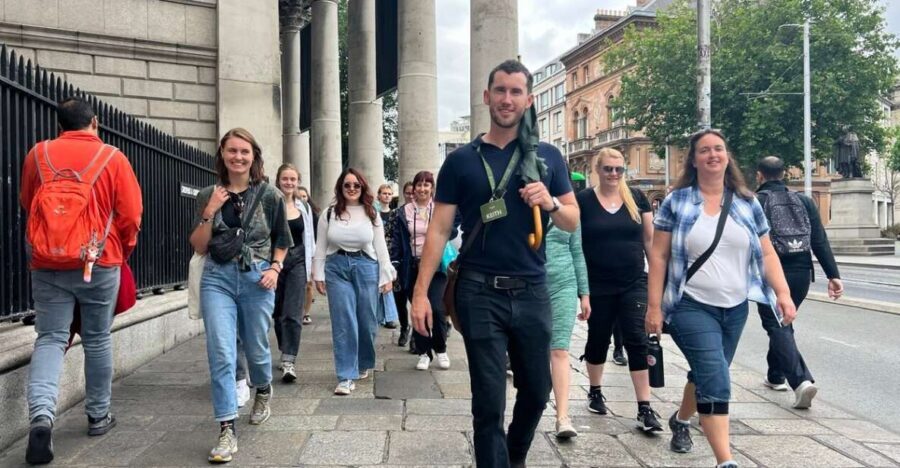
Two of the biggest “you’re really in Dublin now” stops are Dublin Castle and Christchurch Cathedral. You’ll pass these landmarks as part of the must-see set, but the value is how the guide frames them.
Dublin Castle is the kind of place that can look like just another impressive building if you’re moving quickly. Here, it’s treated like a hinge in the story—where you can understand how power shaped the city over time. Christchurch Cathedral works as a counterpoint: faith, ceremony, and the long endurance of key institutions.
The standout feature of these stops isn’t just the architecture; it’s the way the guide connects what you see with what happened around it. That’s why the tone of the tour matters. Multiple guides (Ian, Keith, Alan, and others) are praised for mixing serious story threads with humor, which makes it easier to stay focused during a lot of outdoor walking.
If you’re the type who likes “why does this matter?” moments, these stops will feel less touristy and more like part of a narrative you can follow.
Trinity College: The University as a Modern Turning Point
Trinity College shows up on the tour for a reason. It’s one of Dublin’s most recognizable institutions, and it anchors the sense that the city isn’t only about ancient streets—it’s also about ideas and influence.
During your walk, you’ll reach Trinity as part of the major highlights list, and the guide’s job is to connect it to the broader story of Dublin across centuries. That matters because universities can feel intimidating or distant if you only view them as a campus. With the tour framing, you’re more likely to see Trinity as part of how Dublin evolved—socially, culturally, and politically.
Trinity also helps balance the tour’s other “older Dublin” energy. If you’ve been thinking the day will mostly be medieval and old-world vibes, this stop gives you perspective on how the city continues to shape its own identity.
Temple Bar to the River Liffey: Bridges, Music Energy, and Street Stories
The walk doesn’t ignore Dublin’s famous personality. Temple Bar is included, and you’ll also get time along the River Liffey, plus a couple of the city’s best-known bridges.
This is where the tour’s “characters” theme comes through. Dublin isn’t just a stack of buildings; it’s a place of storytellers and performers. The guide talks about writers, rebels, rock stars, and rogues, and that lens can make the river corridor and surrounding streets feel like stage sets instead of just scenery.
Ha’penny Bridge is one of the stops you’ll visit. It’s a classic photo spot, sure, but on a guided walk it also becomes a way to understand how people move and where the city’s flow concentrates. Then there’s O’Connell Bridge, another landmark stop that helps you orient yourself along the river axis.
If you want a practical payoff: this part of the tour is also where you’ll likely start getting direction for the rest of your trip—where to eat, drink, and catch live music. That advice is repeatedly mentioned as a big reason people rank the tour highly.






The GPO and O’Connell Bridge Area: Why This Corner Matters
You’ll also pass The GPO (General Post Office), another Dublin anchor point on the highlights list. In a city-centred walk like this, the GPO area works well because it sits at the intersection of major routes and major stories.
Even if you’re not into “marker spotting,” The GPO stop can change how you read the city streets. It’s a place where civic history and everyday movement overlap. With a guide narrating the context, it’s not just a landmark you walk past—it becomes a moment that explains why certain streets feel more important than others.
This is also a good time to pay attention to the city’s layout. Dublin is compact, but the way major thoroughfares funnel people creates its own rhythm. If you catch that rhythm during the tour, your self-guided wandering afterwards becomes easier.
Viking Dublin and Smock Alley Theatre: Layers Other Walks Skip
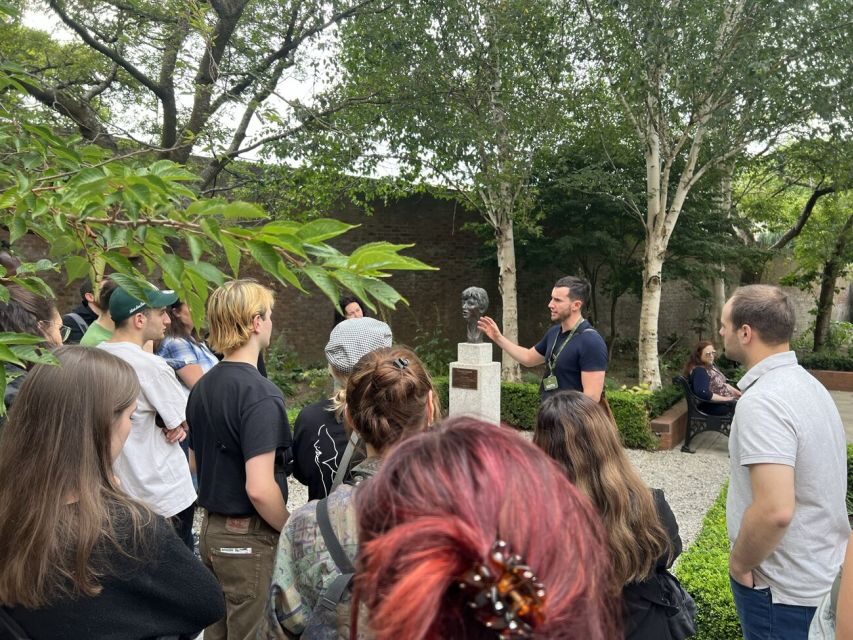
Not every walking tour gives you both the deep past and the cultural “present.” This one tries to do that with stops like Viking Dublin and Smock Alley Theatre.
The Viking Dublin element is useful because it gives you context for how Dublin started and why the city’s early footprint matters. Even if you don’t see obvious Viking-era ruins from street level, the guide’s explanation helps you stop treating early Dublin as abstract.
Then Smock Alley Theatre adds a different kind of Dublin layer. It’s a reminder that Dublin’s history isn’t only political and architectural—it’s also creative and performance-driven. That matters if you’re the kind of visitor who wants the city to feel alive, not frozen in a museum timeline.
This combination is one of the tour’s strongest points: you end up with the “why” behind the city and the “how” behind what it feels like today.
How the Accredited Guide Makes the Difference (Especially With Humor)
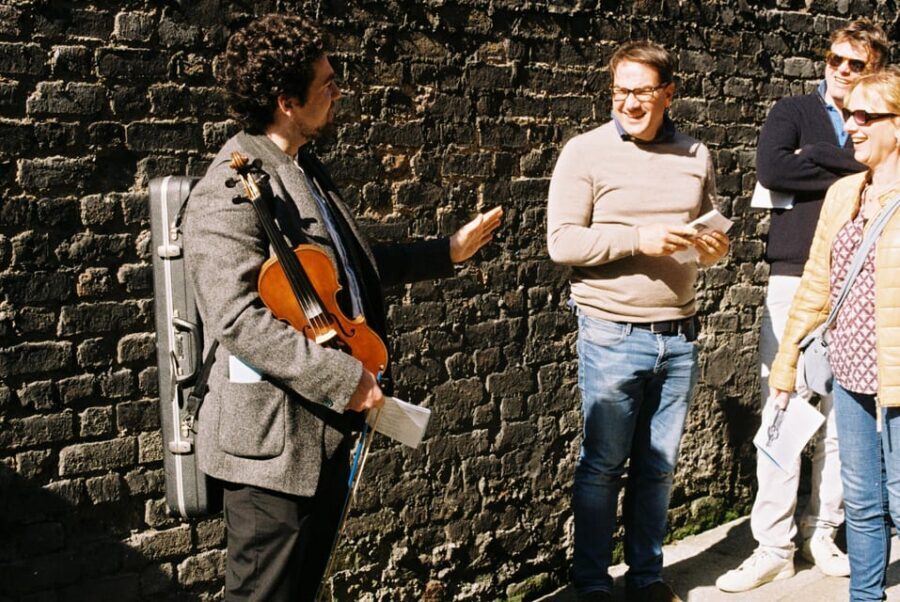
This tour is led by a fully accredited professional guide, and the guide style shows up in the feedback again and again. People mention guides like Dave, Alan, Helena, James, Gemma, Karl, and Chris for being funny, organized, and strong storytellers.
That combination matters. Dublin history can be heavy if it’s only dates and events. When the guide uses humor and keeps the pacing lively, you stay with them instead of drifting off. It’s also practical: a good guide doesn’t just explain what you’re looking at—they help you remember it, and they point you toward what to do next.
The tour includes tips and recommendations to help you make the most of your trip to Ireland. The best value here is that it’s not generic advice. People specifically call out recommendations for where to eat and drink, where to find live music, and even what tourist-trap areas to avoid. If you’re trying to make one city day count, that kind of help is gold.
Price and Value: Why $27 Can Be a Smart First Dublin Move
At $27 per person, this is priced like an excellent “orientation” tour. You’re not just buying a stroll. You’re buying a structured timeline that hits many of Dublin’s top landmarks—Dublin Castle, Christchurch Cathedral, Trinity College, Temple Bar, the River Liffey corridor, Ha’penny Bridge, O’Connell Bridge, the GPO—plus the Viking and medieval story threads that connect them.
Two hours is the posted length, so you get a condensed overview rather than a half-day commitment. Even if you’re the sort who prefers to explore on your own, this format gives you a reference point. After the walk, you can return to the places you loved and ignore the ones that didn’t land.
One fair “value” reality check: if your run runs long (there’s at least one note about a nearly 3-hour stretch without a snack/loo break), you’ll want to plan for that. But even then, the tour still seems to deliver because the storytelling and guidance are what people consistently praise.
If you’re budgeting, choose this kind of guided walk early, then spend the rest of your time exploring by taste and curiosity.
Practical Tips to Get the Most From This Walking Day
Here are the small choices that make a big difference with this kind of city walk.
- Bring comfortable shoes and a light layer. Dublin sidewalks and weather can be unpredictable.
- Give yourself time after the tour to follow the guide’s food and music suggestions. The tour’s recommendations are designed for the same trip window.
- If you’re doing other attractions that day, pick time slots that won’t crowd you. The tour is listed as 2 hours, but it can run longer.
- Consider doing it on a day with decent weather. Since you’re outside for most of it, heavy rain can reduce the enjoyment.
Also, keep an eye on the “character” storytelling. When the guide mentions writers, rebels, rock stars, and rogues, listen for how they connect to the places you’re seeing. That’s where Dublin feels like a living city instead of a list of points.
Should You Book This Dublin Highlights Walking Tour?
I think you should book it if you want a first-time-friendly Dublin overview with real context and a guide who keeps things moving. The strongest reasons to choose this tour are the mix of major landmarks and story-driven side stops, plus the repeated emphasis on humor and guide energy. If you like history that feels readable and streets that feel connected, this format fits.
You might skip it—or at least plan differently—if you need frequent breaks or long pauses to recover during walking tours. One note flags that some tours can stretch close to 3 hours without a proper break, so build in your own flexibility.
If you’re short on time in Dublin but want your day to feel guided and useful, this is the kind of tour that helps you work smarter while still enjoying the city your way.