REVIEW · DUBLIN
Dublin: LGBT Pride Walking Tour with Queer History
Book on GetYourGuide →Operated by Original Dublin · Bookable on GetYourGuide
A walking tour that turns Dublin into a living timeline. You get a guided route through key spots tied to Ireland’s LGBTQ+ history, with people like Panti Bliss and Dr Lydia Foy brought to life in plain, human terms. I especially like how the stops (Liberty Hall, Trinity College, the Diceman’s Corner, and more) anchor the stories so they stick, and I also like the energy of guide Helena, who makes the two hours feel like you’re chatting with a friend while learning. One consideration: it is a city walk with meaningful, sometimes heavy topics, so wear comfortable shoes and don’t expect it to be only upbeat sightseeing.
If your idea of Pride includes the hard-won legal and social fights, this tour matches that mood. The pacing is meant to keep moving, while still giving you context for how Ireland’s queer community pushed for recognition and equal rights. And because it’s based on real places, you’ll leave with a Dublin map in your head, not just a list of names.
In This Review
- Key Highlights You Should Know Before You Go
- Getting Started Outside the Old Storehouse Bar and That Green Umbrella
- Why Dublin’s Queer History Walk Feels Different Than Usual Sightseeing
- Liberty Hall: The First Pride Protest and the Long Road to Recognition
- General Post Office Stop: Panti Bliss and Revolutionary Queer Stories
- Trinity College and the Sexual Liberation Movement
- Hirschfield Centre and Dr Lydia Foy: Gender Recognition in Focus
- The Diceman’s Corner and the George: Where Dublin’s LGBTQ+ Life Shows Up in Real Places
- Price and Value: Is $27 for Two Hours Worth It?
- Timing, Comfort, and What to Do Before the Tour Starts
- Who This Tour Best Suits (and Who Might Want Something Else)
- Should You Book the Dublin LGBT Pride Walking Tour?
- FAQ
- FAQ
- What is the duration of the Dublin LGBT Pride Walking Tour?
- How much does the tour cost?
- Where do I meet the guide?
- What does the tour include?
- What language is the tour offered in?
- Is the tour wheelchair accessible?
- What should I bring?
- When does the tour end?
- Can I get a refund if my plans change?
- Is there a way to book without paying right away?
Key Highlights You Should Know Before You Go
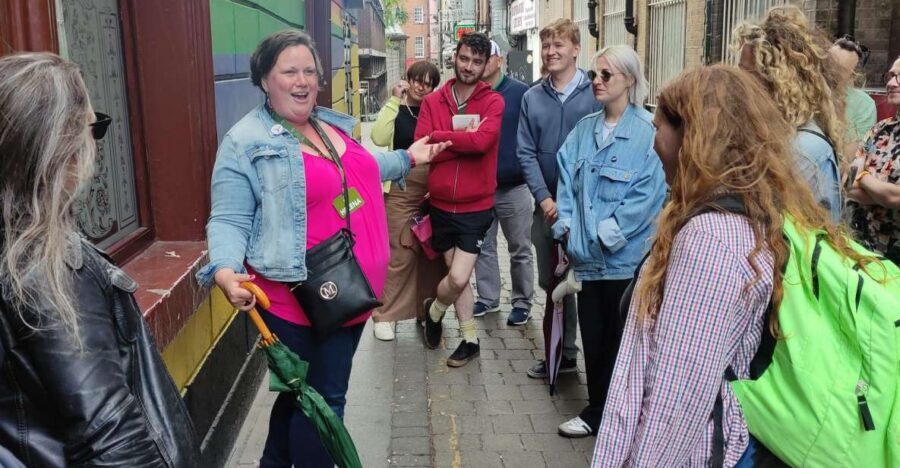
- Green-umbrella meeting point: You start outside the Old Storehouse Bar & Restaurant, where you’ll spot the guide carrying a green umbrella.
- Stories tied to major landmarks: Expect stops linked to Liberty Hall, Trinity College, the General Post Office, and more.
- Names you’ll remember: The tour spotlights figures such as Panti Bliss and Dr Lydia Foy, plus other key personalities.
- Beyond the past: You’ll hear how Ireland moved from exclusion and abuse toward recognition and marriage equality.
- Tour guide energy matters: Multiple participants praised Helena for humor, warmth, and answering questions clearly.
- Two hours that move fast: It’s timed for an efficient walking introduction rather than a slow, stop-and-stare museum visit.
Getting Started Outside the Old Storehouse Bar and That Green Umbrella
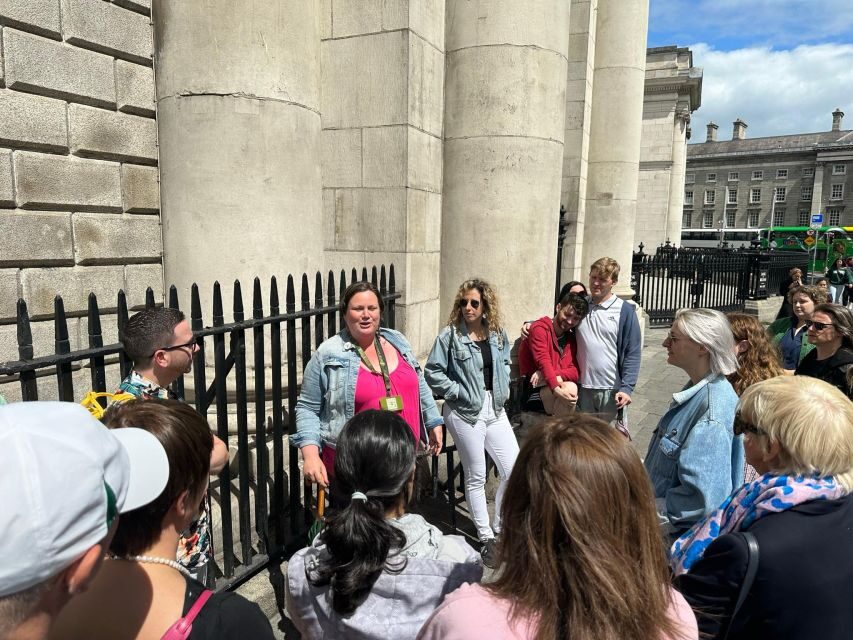
This tour keeps things simple from the first minute. You meet your guide directly outside the Old Storehouse Bar & Restaurant, and the easiest way to find them is to look for someone carrying a green umbrella.
From there, you head out on foot and stay on a steady route through central Dublin. The experience is designed for a smooth flow, so you’ll spend less time figuring out where to go next and more time listening.
If you like getting your bearings fast, a walking tour is a smart choice. You learn where the stories happened right where you stand, and that makes the city feel less like a backdrop and more like a document you can read.
You can also read our reviews of more walking tours in Dublin



Why Dublin’s Queer History Walk Feels Different Than Usual Sightseeing
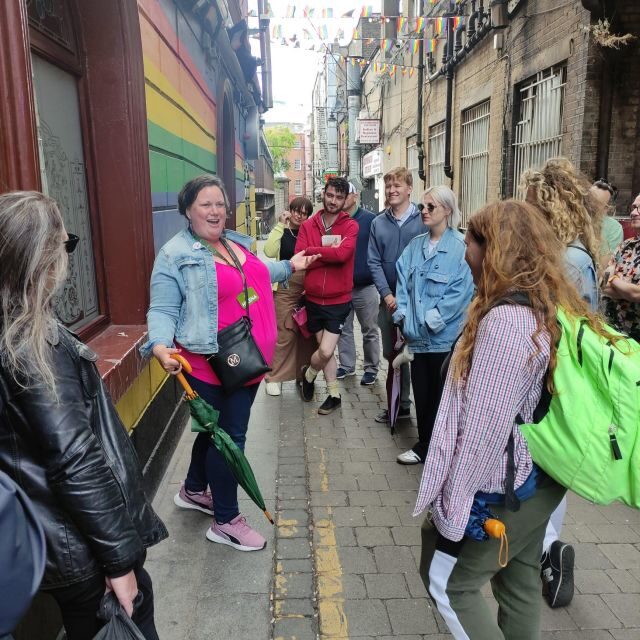
A lot of tours show you landmarks. This one connects landmarks to people and pressure points in society. You’ll cover Irish revolutionaries and civil rights agitators, along with Pride March pioneers and gender identity trailblazers—so the story isn’t a single-issue straight line.
I like that the tour frames progress in human terms. You hear how the situation changed over time, from exclusion and abuse toward wider recognition, including marriage equality. That “then and now” balance helps you understand why Pride events exist beyond one weekend.
You should also know the tone can be emotional. Even when the guide brings wit and humor, the themes include struggle and discrimination. If you prefer only light entertainment, this may feel heavier than a standard city stroll.
Liberty Hall: The First Pride Protest and the Long Road to Recognition
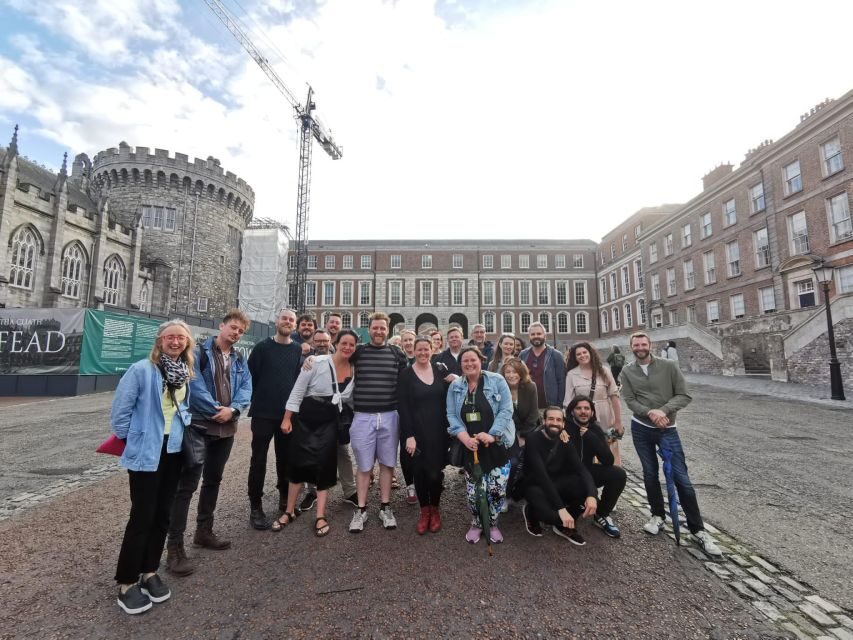
Liberty Hall is one of the tour’s anchor points, both for its location and for what it represents. The walk explains the idea of the first Pride protest there, using the place as a shortcut into Ireland’s queer political story.
This stop matters because it shows Pride as more than celebration. It’s also a response to exclusion, and it’s tied to organizing for recognition. When you hear that context, you’ll likely see the word Pride differently in Dublin—less like a slogan and more like a record of action.
You’ll also get a sense of how later legal and social changes connected back to people who demanded visibility. In other words, this is not a history lesson stuck in the past; it’s presented as a chain of cause and effect.
General Post Office Stop: Panti Bliss and Revolutionary Queer Stories
Another key moment comes around the General Post Office area. That’s where you’ll hear stories connected to Panti Bliss—framed as revolutionary queer figures who shaped public conversation.
This is one of those stops where the city’s famous “big building” factor can help you concentrate. You’re looking at a recognizable Dublin setting while the guide connects it to a person and a public moment.
From the way the tour is taught, I think you’ll get more than a quick name drop. The goal is to show how queer visibility and activism can reach into mainstream life, not stay on the edges.
Trinity College and the Sexual Liberation Movement
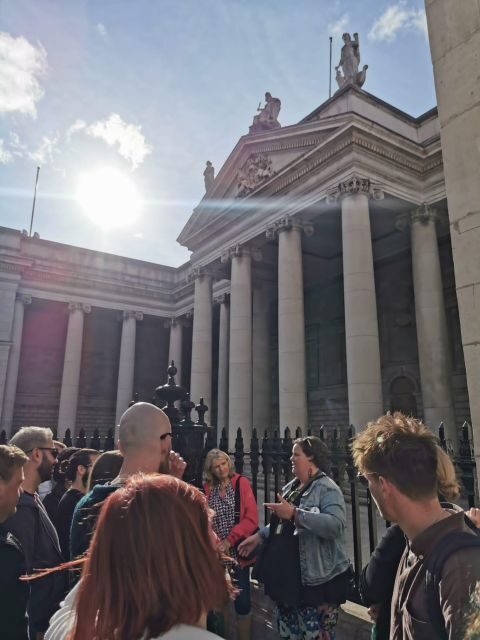
Trinity College is part of the route for a reason: it’s tied into discussions of broader social change, including the Sexual Liberation Movement. The tour uses the campus area as a backdrop to explain how attitudes shifted and what that shift required.
For me, this is where the walking tour becomes more than “where were they.” It becomes “why did it matter here.” When you hear how movements connect to institutions and public debate, you start to understand how equality doesn’t happen by accident.
If you enjoy history that connects to culture and politics, this segment is one to lean into. Ask questions if you’re curious—participants have specifically praised Helena for being able to answer questions and keep things clear.
You can also read our reviews of more historical tours in Dublin






Hirschfield Centre and Dr Lydia Foy: Gender Recognition in Focus
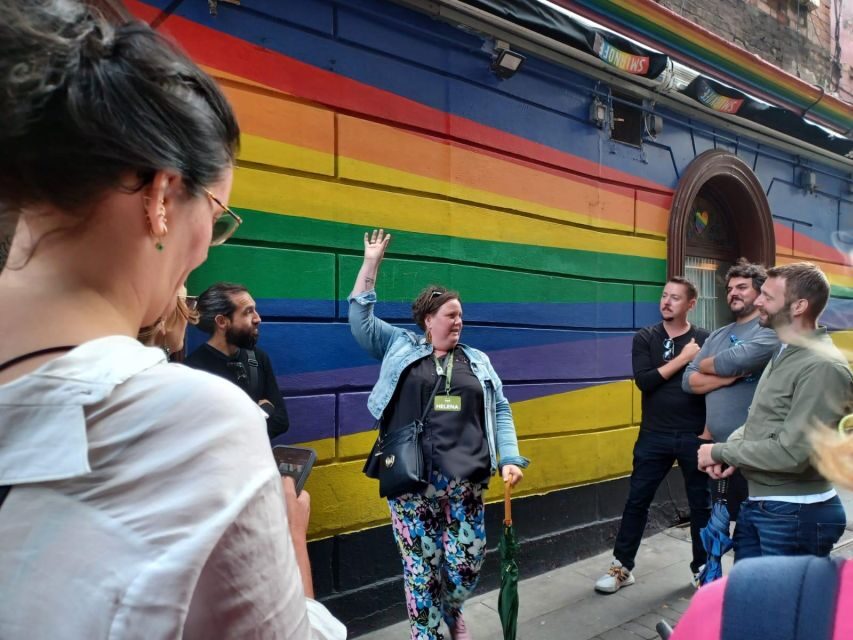
The tour also includes the Hirschfield Centre, another real Dublin point on the map you’ll connect to the themes the guide is covering. Along the way, you’ll hear about Dr Lydia Foy and the Gender Recognition Act.
This stop adds essential context for anyone who wants Pride history to include gender identity and legal recognition—not just street protests or nightlife. It helps you understand that equality involved policy, advocacy, and the work of specific people.
The guide’s approach (especially the way Helena was described in feedback) seems built for a balance: uplifting where progress is real, and honest about the obstacles that came first. That’s important if you want the story to feel accurate, not sanitized.
The Diceman’s Corner and the George: Where Dublin’s LGBTQ+ Life Shows Up in Real Places
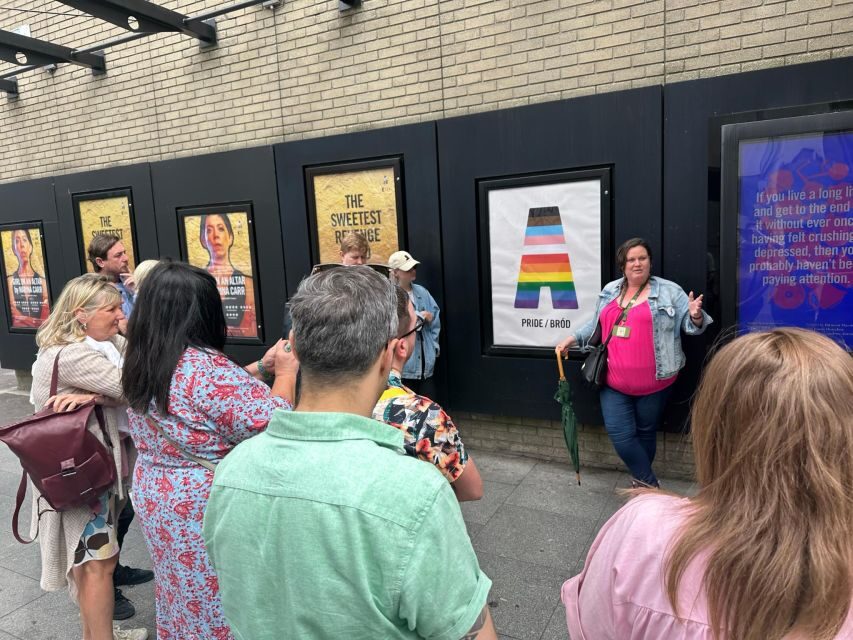
Two of the most recognizable stops are the Diceman’s Corner and The George. The tour passes by both, using them to connect community history to what people could actually access—socially, openly, and safely.
The George is described in the tour context as Ireland’s most iconic LGBTQ venue. Even if you don’t plan to go inside during your visit, seeing it on the walking route helps you understand how community spaces support identity and belonging.
The Diceman’s Corner adds another layer: it’s one of those Dublin spots that often feels like a landmark even if you don’t know its full story yet. The tour gives you the missing context so the place stops being just a corner on a route and becomes a point in the broader community narrative.
If you enjoy getting a sense of where people gathered, this segment is likely your favorite. It’s where the tour’s “past meets present” idea becomes easiest to feel.
Price and Value: Is $27 for Two Hours Worth It?
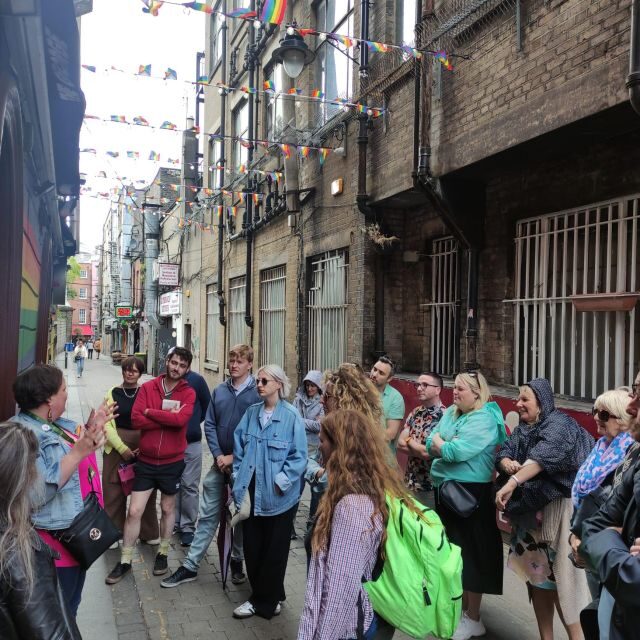
At $27 per person for about two hours, the value depends on what you want from a city walk. If you’re looking for a quick introduction with some names and photos, you might not get enough. If you want context—who did what, why it mattered, and how Ireland’s LGBTQ+ community pushed for recognition—this price is fairly reasonable.
Walking tours are often priced on guide time and local storytelling. Here, you’re paying for a structured route that hits multiple meaningful locations, including major Dublin reference points like Trinity College and the General Post Office.
Also, the feedback about Helena is a strong signal of “payoff.” People described the tour as funny, engaging, and educational, with the time flying by. That matters because a tour can be fact-heavy and still feel dull. This one appears to keep moving and keep you interested.
Timing, Comfort, and What to Do Before the Tour Starts
This experience runs for about two hours, so plan for a concentrated walk. You’ll cover several central stops, and you’ll want the energy to listen without rushing every minute.
Comfort is not a minor detail here. Bring comfortable shoes. Even if you can handle a city walk, the tour’s pacing means you’ll likely be on your feet most of the time.
You might also want to arrive a few minutes early. Finding the guide outside the Old Storehouse Bar & Restaurant should be easy, but it’s still better to start with zero stress.
Who This Tour Best Suits (and Who Might Want Something Else)
This is a great fit if you want queer history in Dublin tied to the real city. It works especially well for first-timers who want more than standard sightseeing, and it’s also a strong choice if you’re traveling with someone curious about social change.
It can be a good family or teen option too. One participant even did it with a teenage son and said he enjoyed it as much as they did. That suggests the guide can keep the tone engaging while still covering serious subjects.
It might be less ideal if you’re here only for architecture, photos, or light entertainment. The tour is built around equality, activism, and discrimination’s impact, so it asks you to care about the story.
Should You Book the Dublin LGBT Pride Walking Tour?
I’d recommend booking if you want an organized way to learn queer history in Dublin that you can actually visualize—Liberty Hall, Trinity College, the General Post Office area, the Hirschfield Centre, the Diceman’s Corner, and The George all help make the story tangible.
If your top priority is facts with warmth and momentum, this seems like the right match, especially with Helena’s described style—funny, welcoming, and able to connect past struggles to present realities. Just go in prepared for a walk that covers serious themes, and you’ll get a much fuller experience than a standard “see the sights” outing.
FAQ
FAQ
What is the duration of the Dublin LGBT Pride Walking Tour?
The tour lasts about 2 hours.
How much does the tour cost?
The price is $27 per person.
Where do I meet the guide?
Meet your guide directly outside the Old Storehouse Bar & Restaurant. Look for someone carrying a green umbrella.
What does the tour include?
It includes a walking tour and a guide.
What language is the tour offered in?
The tour is in English.
Is the tour wheelchair accessible?
Yes, the activity is listed as wheelchair accessible.
What should I bring?
Wear comfortable shoes.
When does the tour end?
The activity ends back at the meeting point.
Can I get a refund if my plans change?
Free cancellation is available up to 24 hours in advance for a full refund.
Is there a way to book without paying right away?
Yes, it offers reserve now & pay later, where you can book your spot and pay nothing today.