REVIEW · DUBLIN
Dublin (Dun Laoghaire) Top-Rated Coastal Walking Tour
Book on Viator →Operated by Walk the Coast Tours · Bookable on Viator
Want Dublin without the downtown grind? This Dún Laoghaire to Dalkey coastal walking tour leans into real local life—sea air, small lanes, and the kind of history you hear best while walking it. I especially like how simple it is to get oriented at the start, since you meet near the DART station area.
Two more things I love: the variety (harbours, parks, medieval ruins, and a major museum stop), and how the guide, Marina Boyle, keeps the story moving in a way that feels personal instead of lecture-style. The main drawback to plan for is that it’s a long walk—pathways can be uneven—so good shoes matter and you’ll want to pace yourself.
In This Review
- Key Things You’ll Notice on This Coastal Tour
- Why the Dún Laoghaire-to-Dalkey Coast Route Feels Different
- Meeting at 1 Harbour Rd and Finishing at Dalkey DART
- Stop-by-Stop: Harbour Stories, Park Time, and The Metals
- Villages, Sandycove, and Dublin’s Famous “Swim Anyway” Spot
- James Joyce Tower & Museum: The Spiral Staircase Payoff
- Bulloch Harbour, Bulloch Castle Ruin, and the “Seals on the Rocks” Moment
- Dalkey Village, Viking and Norman Clues, and Ending by Train
- How Much Walking Is It, and What to Wear
- Value Check: Does $114.65 Feel Fair?
- Weather, Timing, and Little Things That Make the Day Easier
- Should You Book This Dublin Coastal Walking Tour?
Key Things You’ll Notice on This Coastal Tour
- Dún Laoghaire-Dalkey route: You get out of the city center and still see major sights without extra transfers
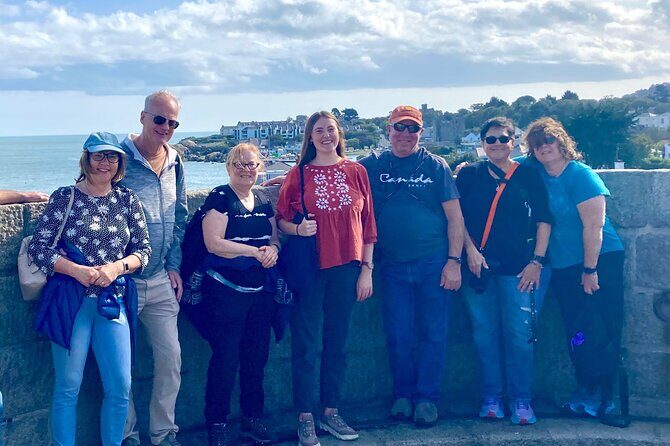
- Small group size (max 20): Easier questions, more personal pacing, less “herding”
- James Joyce Tower stop (admission included): You climb a spiral staircase for rooftop views
- Harbour + castle variety: Maritime history, industrial past, and medieval ruins in one flow
- You’ll finish at Dalkey DART station: Easy train exit when you’re ready to sit down
Why the Dún Laoghaire-to-Dalkey Coast Route Feels Different
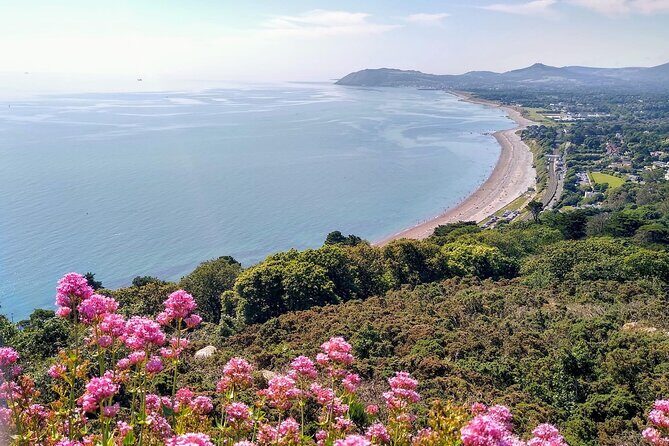
This tour gives you a side of Dublin that most first-time city plans skip. You’ll spend your time where people actually live and move—harbours, village streets, and coastal viewpoints—so the whole day feels grounded instead of sightseeing-by-checklist.
I also like that it works well if you’ve already seen Dublin’s main center. You still get big names and big stories, but you’re doing it with saltwater air and sea-facing breaks, not just crowds and traffic.
And because it’s designed for a max of 20 people, you get enough spacing to hear the guide clearly and to ask questions without waiting your turn all the time.
You can also read our reviews of more walking tours in Dublin



Meeting at 1 Harbour Rd and Finishing at Dalkey DART
The start point is at 1 Harbour Rd, Dún Laoghaire, and it’s near public transportation, so you don’t have to guess your way through side streets. You’ll also get a mobile ticket, which keeps things quick when you check in.
The best practical part is the ending. The tour finishes at Dalkey DART station, so you can head to the city center (Dún Laoghaire, or other DART stops) when you’re ready. Train fare isn’t included, but at least you’re not stuck trying to find a ride when your legs are tired.
One more real-world note: the meeting point is easy to reach for people making short stops in the area, since Dun Laoghaire is right there by the water and rail access.
Stop-by-Stop: Harbour Stories, Park Time, and The Metals
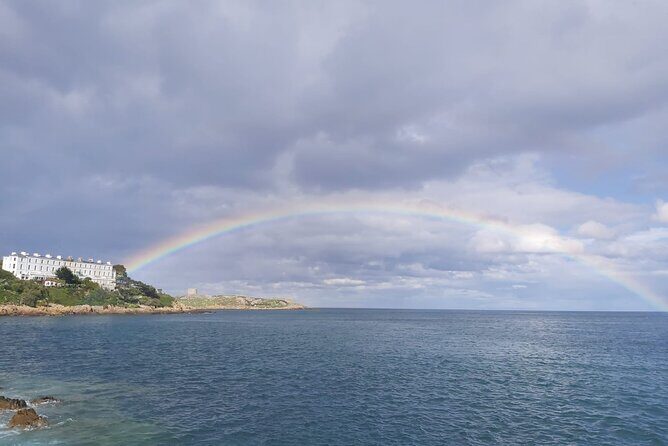
Your first stop is Dun Laoghaire Harbour. You’ll view the harbour and hear the history of the pier and harbour, and you’ll also get an outside look at the maritime museum angle tied to the area.
Next is People’s Park, a local-feeling green space that works as a reset button. If you go on a Sunday, the tour spends extra time here to explore the farmer’s market—handy if you want something casual and local before the walk continues.
Then comes The Metals, a historic laneway known for its railway connection. It’s short, but it adds an important layer: this coast wasn’t just for tourists and daydreams; it was part of how people and goods moved.
What I like about these early stops is that they aren’t “big attraction or bust.” They build context so when you reach the flashier sights later, they make more sense.
Villages, Sandycove, and Dublin’s Famous “Swim Anyway” Spot
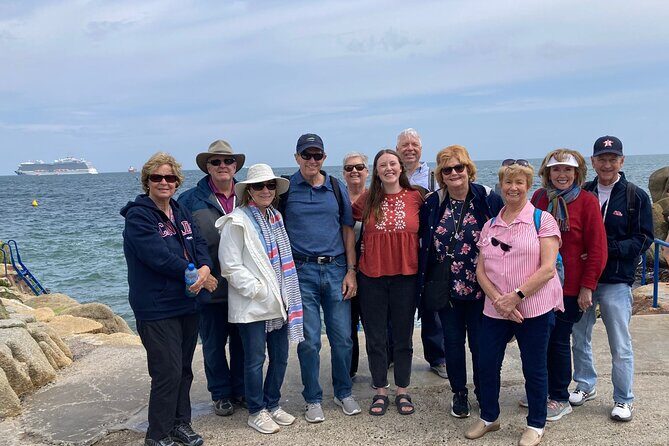
After The Metals, you’ll pass through a typical Irish village area. These segments are small, but they matter because you’re learning the geography of the suburbs, not just walking past them.
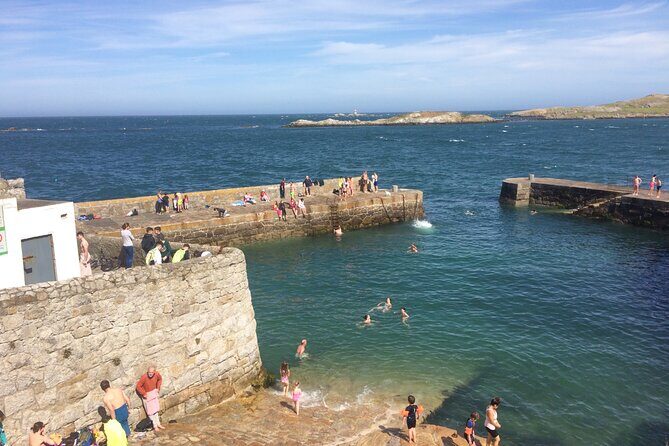
Then you’ll get to the tour highlight that’s about people and water: you’ll see Dublin’s most famous swimming point. Based on past days, this is often tied to Sandycove Beach, where it’s normal to see people swim even when conditions are chilly and breezy.
This is a great moment to pause and look around. You can tell the story behind it—why locals treat the sea like a regular habit—without needing the guide to over-explain.
Just remember: it’s a coastal stop, so plan for wind and uneven ground around the edges. Bring layers if the weather is anything less than ideal.
James Joyce Tower & Museum: The Spiral Staircase Payoff
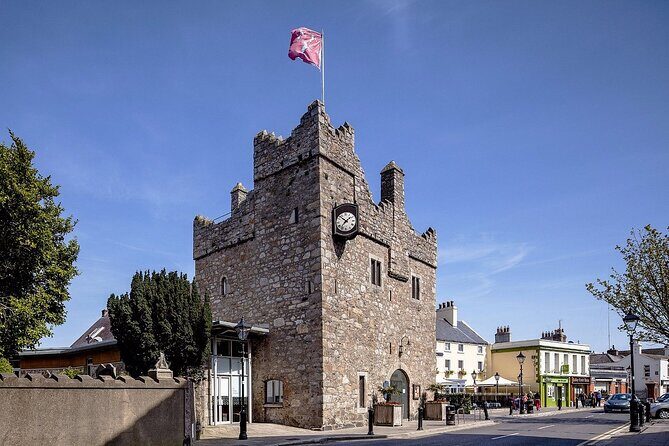
The most “ticketed” moment on the tour is James Joyce Tower & Museum. You’ll enter the museum, hear the background, and then climb the spiral staircase up to the rooftop viewing area.
What makes this stop worth the time is the payoff: you’re not just looking at Dublin from street level. You’re getting height, angles, and a way to understand how the coast curves and breaks into harbours and coves.
Most of the time on the day is spent outdoors, so this indoor-and-upward break is smart. It gives you a different pace and a clear goal: climb, look out, and then continue.
One practical heads-up: if your day is Monday, you should check opening hours before you go. There’s at least one instance where the James Joyce Tower & Museum has been reported as closed on Mondays.






Bulloch Harbour, Bulloch Castle Ruin, and the “Seals on the Rocks” Moment
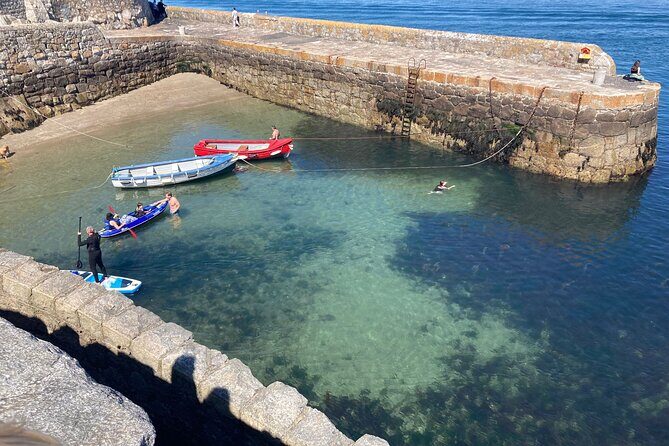
Next is Bulloch Harbour, where the focus shifts from views to working coast. You’ll learn about its industrial past and how it’s used today, and the tour often includes a good chance to spot seals lounging or moving around in the water.
That detail matters because it turns your “sightseeing” into something more observational. Instead of only hearing stories, you’re watching the present-day coast and seeing how it still functions as habitat.
Then you’ll move to Bulloch Castle, a medieval ruin. It’s a brief stop, but it connects directly to the bigger theme of the route: Dalkey once had multiple castles, and the tour route references seven castles total, with several you can see along the way.
I love these short castle moments because they don’t ask you to spend a long time in one place. You get the flavor, the setting, and enough context to recognize what you’re looking at.
Dalkey Village, Viking and Norman Clues, and Ending by Train
As you arrive in Dalkey, the feel changes. This is one of those affluent coastal villages in the Dublin orbit, and you’ll hear about its fascinating Viking background as well as how the Catholic and later Norman eras layered into what remains.
You’ll also get village recommendations for nightlife and dining. That’s one of the underrated perks of booking a live guide on a walking tour: you’re not just leaving with photos, you’re leaving with ideas for where to eat and what to do next.
One more stop component connects to castles again, including a view and story about one of the seven castles of Dalkey—specifically a Norman castle and a heritage centre angle tied to the site.
The day also includes a view of the village island from a railway portion, with talk about Viking and Catholic history. It’s a nice contrast: you’re walking the coastal edges, then you get a quick rail perspective to round out the geography.
When you’re done, you’re released at Dalkey DART station—which is exactly where you want to be after a walking morning. You can take the train back to the city center or to Dún Laoghaire, as you prefer.
How Much Walking Is It, and What to Wear
This tour is about 3 hours 30 minutes. In real pacing, it often works out to around 2.5 hours walking along the coast, plus breaks and stop time for the museum and village segments.
You should also plan for a solid step count. One past day came in around 10,000 steps, and the pattern fits: it’s not an all-day stroll, but it’s also not a quick “stamp through Dublin suburbs” walk.
The pace is described as relaxed, and there are opportunities to stop and rest. Still, keep your expectations realistic: this is a walking tour built for people who can comfortably be on their feet for most of the morning/early afternoon.
Wear supportive trainers. Pathways can be a little uneven, and it’s not the route for flip-flops. You don’t need hiking boots, but you do want shoes with grip.
Value Check: Does $114.65 Feel Fair?
At $114.65 per person, the value depends on what you compare it to. This price isn’t just paying for someone to lead you down a sidewalk; it covers the guide, all fees and taxes, and a key paid attraction: James Joyce Tower & Museum admission is included.
Many other stops are admission-free (harbour, park, and outside-view style stops), which means your money goes toward the person-to-person experience and the one major indoor ticketed highlight.
What’s not included is important: snacks and train fare aren’t part of the price, and you also handle transportation to and from the meeting point. If you’re planning a lunch, you may want to budget a bit extra once you’re finished or if you stop for refreshments along the way.
For me, this becomes a smart buy if you want a guide-led story across multiple towns with a paid museum element built in. It’s also a good option if you’d rather spend limited time on a Dublin visit away from the city center crowd.
Weather, Timing, and Little Things That Make the Day Easier
This experience requires good weather, so if the forecast is rough, expect the operator to treat it seriously. If it’s canceled due to poor weather, you’ll be offered a different date or a full refund.
Timing is also something to think about. The tour runs in the realm of a half-day, and while it’s structured, you shouldn’t count on it working like a restaurant outing. Plan for snacks or a proper lunch on your schedule, since snacks aren’t included.
If you’re the type who likes photos, you’ll likely want to bring a phone battery pack. The route hits multiple harbours, viewpoints, and ruins—so you’ll be tempted to stop and frame shots.
Finally, since your itinerary includes museum time and stair climbing, travel with that in mind. A steady pace and light layers help you enjoy the tour instead of feeling rushed.
Should You Book This Dublin Coastal Walking Tour?
Book it if you want a guided walk that goes beyond Dublin’s main streets and gives you harbours, castles, parks, and a true museum highlight in one day. It’s especially appealing if you’ll be using DART anyway, since the start and finish are train-friendly.
Skip it—or be cautious—if you don’t like long walking days or you’re sensitive to wind and uneven coastal paths. Also, if you’re visiting on a Monday, double-check James Joyce Tower & Museum opening hours so you’re not surprised.
If you’re comfortable with a real walking tour and you want local stories that connect the dots between Vikings, Normans, and maritime Dublin, this is a strong choice for your time in the area.