REVIEW · DUBLIN
Dublin: Irish Rock ‘N’ Roll Museum with Tour in English
Book on GetYourGuide →Operated by The Irish Rock 'N' Roll Museum Experience · Bookable on GetYourGuide
Rock fans, this tour starts right in Temple Bar. You’ll take a guided walk through Ireland’s only Rock ’N’ Roll Museum Experience, housed inside the Wall of Fame, then get access to working rehearsal areas and a commercial recording studio—so it feels less like a poster gallery and more like backstage history.
Two things I really like about it are the Thin Lizzy and U2 exhibitions and the fact that the tour isn’t only about what happened onstage. It also connects artists to the rooms where songs were practiced and captured, including stories tied to artists such as Thin Lizzy, Van Morrison, Hozier, The Script, and Sinéad O’Connor. (Guides like Alan and Bryan are often praised for being professional and bringing extra tidbits to the stories.)
One drawback to keep in mind: the tone depends a lot on the guide. One experience described a guide who spoke very quietly/slowly and came off harsh toward U2, which could feel less fun if you’re a big U2 fan and want a lighter, fan-first vibe.
In This Review
- Key things to know before you go
- Temple Bar’s Wall of Fame: the start that feels like backstage
- Thin Lizzy and U2 exhibitions: why these bands anchor the whole story
- Behind-the-scenes access: rehearsal spaces and a commercial recording studio
- What the guide actually does with the time
- Price and the 75-minute format: good value if you like music
- Who this tour suits best (and who might prefer something else)
- Practical tips before you book
- Should you book the Irish Rock ’N’ Roll Museum Tour?
- FAQ
- Where does the tour start and end?
- How long is the Irish Rock ’N’ Roll Museum Experience tour?
- Is the tour guided in English?
- Is video recording allowed during the tour?
- Is it suitable for children or wheelchair users?
- Which artists and exhibitions will I see?
Key things to know before you go
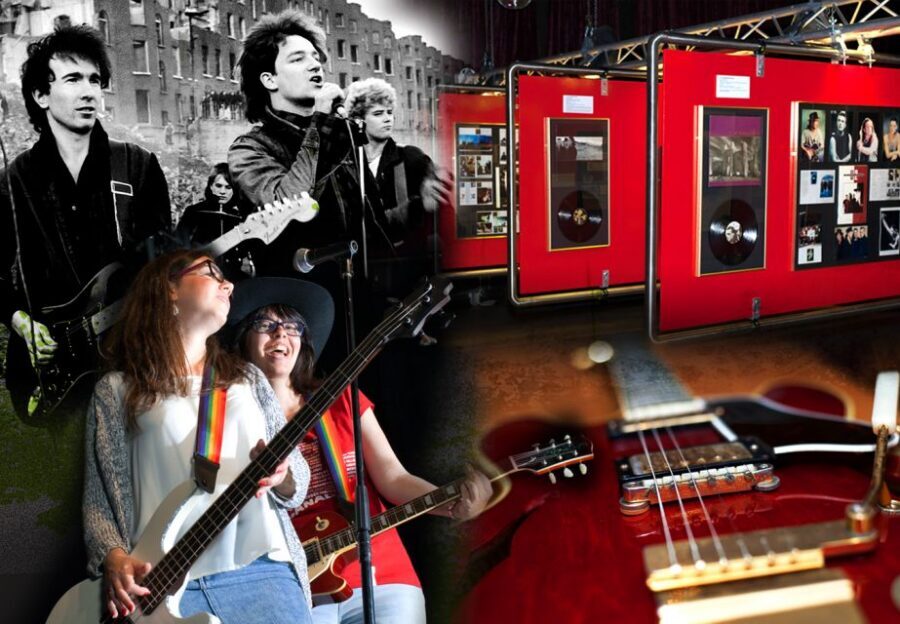
- Inside Temple Bar’s Wall of Fame: the museum is literally built into the iconic façade you see outside.
- Thin Lizzy gets its own dedicated exhibition: you’ll spend time on a focused story, not just a quick mention.
- U2 memorabilia and photographic displays: expect recognizable names, images, and artifacts.
- Access-all-areas feel: rehearsal spaces and a commercial recording studio are part of the tour experience.
- Live guide in English, with interaction: it’s not a silent walk-through; you’re guided the whole way.
Temple Bar’s Wall of Fame: the start that feels like backstage
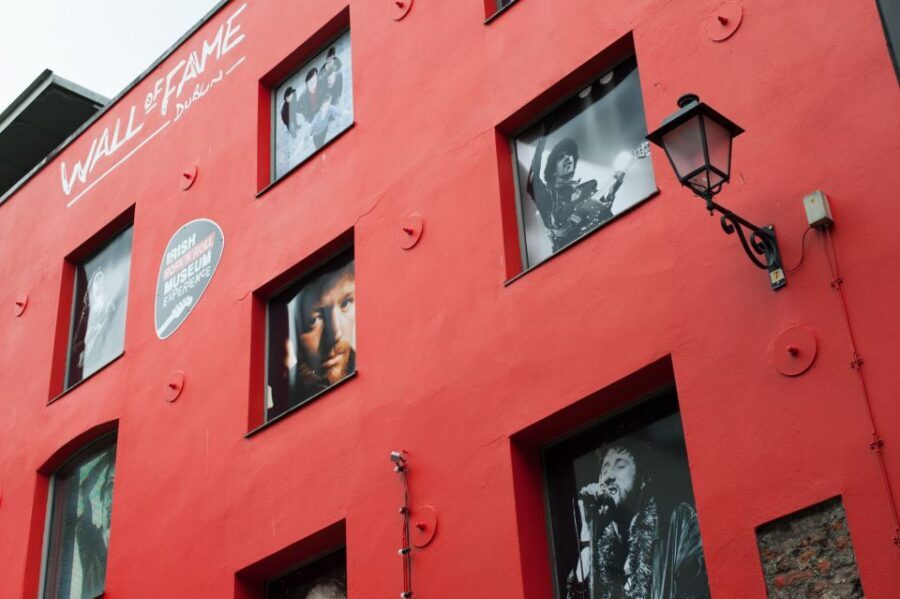
The meeting point is on Curved Street in Temple Bar (Dublin 2). From the first minutes, you’re already in the zone: you’re standing where Dublin music culture gets its visual shorthand, the Wall of Fame area that helps set expectations for rock star storytelling.
Then the tour shifts gears from sightseeing to interpretation. The museum experience is designed so you’re essentially walking behind the Wall of Fame and learning what made these artists matter, not only where they were photographed. That’s a big deal because Temple Bar can be loud and touristy. Here, the location becomes useful—it gives you a real framework for understanding why these names show up so often.
If you like the idea of music as a place-based story, this works well. Instead of treating Irish rock ’n’ roll like a timeline, the tour treats it like a network of venues, studios, and people who helped songs become real.
Practical tip: wear shoes you can stand in comfortably for about 75 minutes. You’re moving through exhibition spaces and then through the areas tied to recording and rehearsal, so you’ll want to stay upright and ready to look closely.
You can also read our reviews of more museum experiences in Dublin


Thin Lizzy and U2 exhibitions: why these bands anchor the whole story
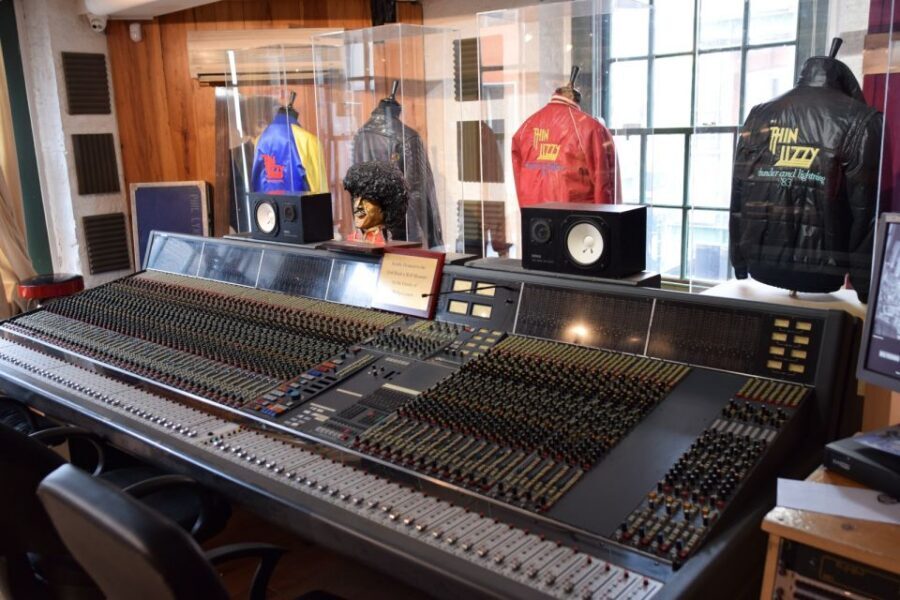
Two names dominate the museum experience for a reason: they’re used as anchors to explain how Irish rock grew its own voice. You’ll see the Thin Lizzy exhibition in a dedicated way, which helps you move past surface-level “famous bands” thinking and toward how the band’s identity connects with the wider scene.
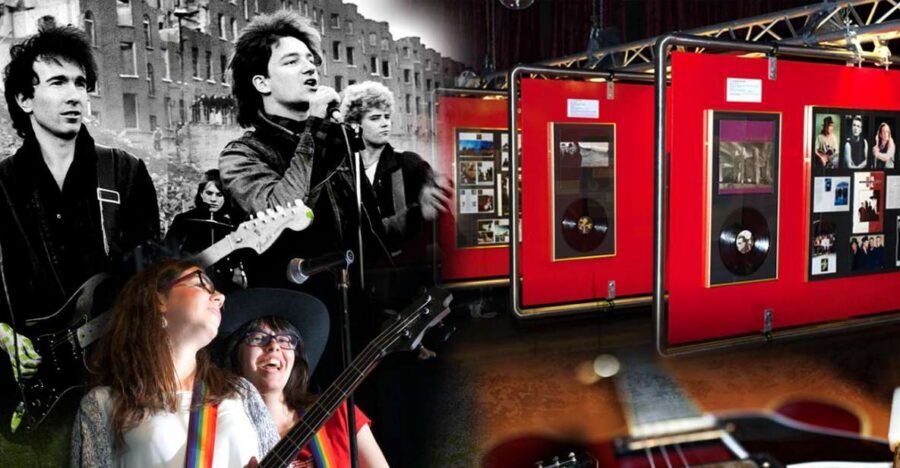
Then comes U2, shown through memorabilia and exhibition material. The museum includes items associated with major Irish acts and also some globally famous names, including Michael Jackson (mentioned among the displayed memorabilia). That mix can be useful if you’re trying to understand the cross-pollination effect: Ireland’s rock and pop stars didn’t develop in isolation.
What I like about this approach is that it doesn’t feel like a standard greatest-hits museum. It’s organized to tell you why these groups were influential and what kind of creativity and momentum existed around them. You’ll also spend time with photographic exhibitions of Irish rock ’n’ roll stars, which makes the story feel visual and immediate rather than academic.
And one more point: in at least some tour variations, the guide may include updated context about newer bands that aren’t “history” yet. If you’re the type who wants Irish music to feel current, that’s a plus.
Behind-the-scenes access: rehearsal spaces and a commercial recording studio
A regular museum is mostly about looking. This one adds the part that makes music fans lean in: access. The tour includes an all-areas pass to one of Dublin’s top music venues, plus working rehearsal spaces and a commercial recording studio.
That matters more than it sounds. When you see real rehearsal rooms and studio areas, you start thinking differently about the music you already know. You understand the practical side—how artists shaped sound through repetition, how recording is a process, and how the same venue ecosystem can nurture multiple generations.
The tour description also highlights that these facilities have hosted artists such as Thin Lizzy, Van Morrison, Hozier, The Script, and Sinéad O’Connor. Even if you don’t know every name, the point is clear: the museum isn’t pretending the music scene happened somewhere else. It happened in rooms like these.
Expect an experience with interaction as part of the guide’s job. It’s not just “walk and read.” The guide’s narration is built to keep momentum while you’re moving between exhibition elements and the areas tied to making music.
One more thing: video recording is not allowed. So if you’re the type who likes to film everything, plan to rely on memory and photos you take where permitted (but don’t count on video). The “no video” rule helps keep the tour from turning into a distraction festival.
What the guide actually does with the time
Most tours fail when the guide turns the whole thing into a lecture. This one aims at something friendlier: history plus personality plus stories tied to the rooms you’re standing in.
You’ll have a live English-speaking guide for the full session, and the pacing is set for a 75-minute window. Several experiences praised guides for sounding professional, adding tidbits you wouldn’t find on a basic wall label, and even bringing humor. That’s important because the museum has plenty of recognizable names, but the “why” comes from storytelling.
That said, guide style can swing the feel of the tour. One account described a guide who spoke very quietly and slowly and had a negative tone toward U2. That’s a reminder that if you’re sensitive to sharp opinions, you might want to keep expectations flexible and focus more on the music context than any guide’s personal commentary.
If you want to get the most out of the session, come ready with a couple of artists you already like. Then listen for what the guide connects—where the museum material and the behind-the-scenes access overlap. That’s where the tour becomes more than a collection of memorabilia.
Price and the 75-minute format: good value if you like music
The price is about $25 per person, and the tour runs around 75 minutes. For Dublin, that’s a very reasonable way to spend a chunk of time in a central area—especially when the experience includes access beyond a standard exhibit.
The value comes from three ingredients:
- You get a guided tour (not self-guided).
- You see major exhibitions tied to famous Irish acts like Thin Lizzy and U2.
- You get access to rehearsal and recording spaces, which is the part that most “museum stops” can’t deliver.
If your schedule is tight—maybe you’re doing Temple Bar, then you want something music-specific that won’t eat your whole evening—this time length is a sweet spot. It’s long enough to feel like you learned something, but short enough that you don’t feel trapped if you’re not fully locked into the topic.
One more value signal: the experience has a strong average rating (around 4.7 from 123 reviews). That doesn’t guarantee your exact guide style, but it suggests the format usually lands well.






Who this tour suits best (and who might prefer something else)
This is an ideal pick if you fit into any of these buckets:
- You’re a fan of Irish rock and pop and want context for the big names.
- You like behind-the-scenes culture—venues, rehearsal rooms, and recording spaces.
- You want a central, easy-to-find activity in Temple Bar that still feels connected to real music work.
It also makes sense if you’re the kind of traveler who enjoys a guided story. The tour is built around a guide narrating the careers and lives of musical heroes, plus the “real story” of Irish rock ’n’ roll.
Who might think twice:
- If you’re looking for a kid-friendly museum, note that it isn’t suitable for children under 5.
- If you use a wheelchair, the tour isn’t suitable for wheelchair users.
- If you’re extremely sensitive to guide tone—especially if you only want praise for your favorite band—remember that one experience criticized a guide’s approach toward U2.
Practical tips before you book

Meeting point is Curved Street Temple Bar (Dublin 2), and the tour ends back at the meeting point. So you’re not dealing with complicated transit or a weird drop-off.
Language is English only, and the tour guide works in English throughout. If English isn’t your strongest language, this may reduce how much you get out of the storytelling, since the experience is guided.
Duration is fixed at about 75 minutes, but starting times vary, so check availability when you choose your slot. If you’re coordinating with other Temple Bar stops, build in a bit of buffer. Temple Bar sidewalks can be crowded, and you’ll want to arrive calmly so you don’t rush the first part.
What to expect during the tour:
- The museum exhibits, including memorabilia and photographic displays.
- A dedicated Thin Lizzy exhibition.
- Thin Lizzy and U2-focused material in a historical narrative.
- Then the access-all-areas part: the rehearsal spaces and a commercial recording studio, tied to the story the guide is telling.
What you should bring:
- Comfortable shoes.
- A charged phone for photos (video recording is not allowed).
- A small list of artists you’re interested in, so you can connect the dots as you go.
Should you book the Irish Rock ’N’ Roll Museum Tour?
Yes, book it if you want a music-focused guided experience in a very central Dublin location, and you care about more than just seeing names on walls. The best reason to go is the combination of museum exhibits with access to working rehearsal and recording spaces. That mix turns Temple Bar from a place you visit into a place you understand.
Book it sooner rather than later if you’re traveling during busy times, since you’ll want the most convenient starting slot. Also choose this tour over a generic museum stop if you’re short on time but still want a story with momentum.
If your main goal is pure collecting (photos, memorabilia, quiet viewing) and you don’t enjoy guided narration, you might prefer something more self-paced. And if you’re a die-hard U2 fan and want only positive framing, keep your expectations open—guide tone can shift the vibe.
Overall, at around $25 for an English-guided 75-minute tour with backstage-style access, this is strong value for music lovers who are already in Temple Bar and want a real, lived-in look at Irish rock ’n’ roll.
FAQ
Where does the tour start and end?
The tour starts on Curved Street, Temple Bar (Dublin 2), and it ends back at the same meeting point.
How long is the Irish Rock ’N’ Roll Museum Experience tour?
The tour lasts about 75 minutes.
Is the tour guided in English?
Yes. The guided tour is available in English only.
Is video recording allowed during the tour?
No. Video recording is not allowed.
Is it suitable for children or wheelchair users?
It is not suitable for children under 5, and it is not suitable for wheelchair users.
Which artists and exhibitions will I see?
You’ll see exhibits including Thin Lizzy and U2, plus memorabilia and photographic displays related to Irish rock ’n’ roll.