REVIEW · DUBLIN
Interactive Living History in Dalkey Castle near Dublin City
Book on Viator →Operated by Dalkey Castle and Heritage Centre · Bookable on Viator
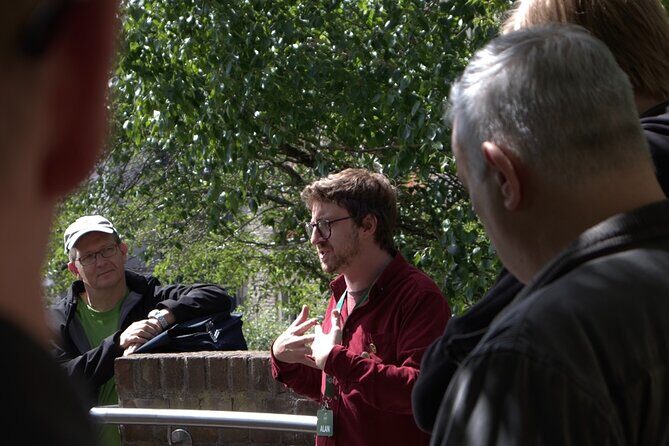
Dalkey Castle feels like a real place, not a museum set, thanks to living history performances and theatrical storytelling by costumed actors. You get medieval scenes and hands-on moments without the slow, dry lecture vibe.
I especially like how the tour blends practical “how did they do that?” details with humor and character-driven narration. That makes it work for kids and adults without turning it into a kids-only show.
One thing to plan for: reaching the best views means climbing, and the battlements route includes narrow, winding, irregular steps, so you want moderate physical fitness and good traction.
In This Review
- What Makes This Tour Worth Your Time
- Dalkey Castle’s Living History: More Than a Guided Walk
- The Four Stops Included in Your Ticket
- 1) Dalkey Castle and the Heritage Centre
- 2) St Begnet’s Church and Graveyard
- 3) The Writers’ Gallery
- 4) Battlements for the Sea-and-Mountain Views
- Costumed Characters: How the Story Stays Fun
- St Begnet’s Church and Graveyard: The Quiet Contrast
- Writers’ Gallery: Local Creators with Global Name Recognition
- Battlements and the Climb: Worth It, With One Caution
- Price and Value: How $21.77 Makes Sense Here
- Timing, Group Size, and Getting There
- Practical Tips That Will Save You Time
- Bring the right shoes
- Plan for a quick photo moment
- Use the heritage centre screens
- Eat in Dalkey before or after
- Consider the gift-shop style souvenir
- Who Should Book This Tour
- Should You Book Dalkey Castle’s Living History Tour?
- FAQ
- How long is the Dalkey Castle interactive living history tour?
- What’s included with the ticket price?
- Is the tour offered in English?
- Is there a place to take photos during the tour?
- Will I have to climb stairs?
- What if I need to cancel?
What Makes This Tour Worth Your Time
- Costumed professional actors make the history feel immediate, not recited
- One ticket covers multiple stops: castle, St Begnet’s church and graveyard, heritage centre, Writers’ Gallery
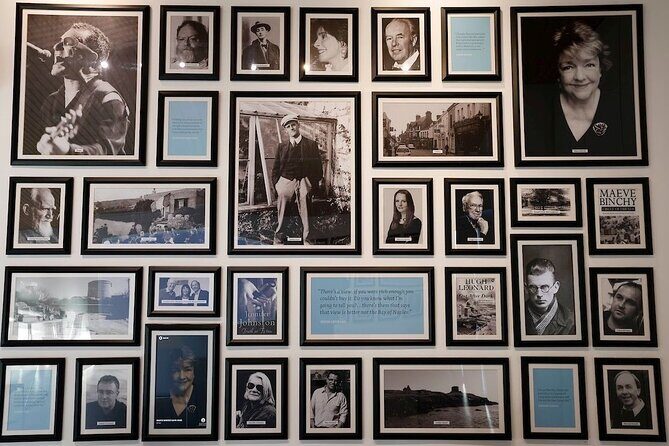
- Writers’ Gallery links local creativity to big names like James Joyce, Bono, Samuel Beckett, and Maeve Binchy
- Sea-and-mountain views from the battlements give you a payoff for the climb
- Small group size (max 20) helps keep the tour interactive
- Hands-on moments include a selfie spot in the stocks and activities for different ages
Dalkey Castle’s Living History: More Than a Guided Walk
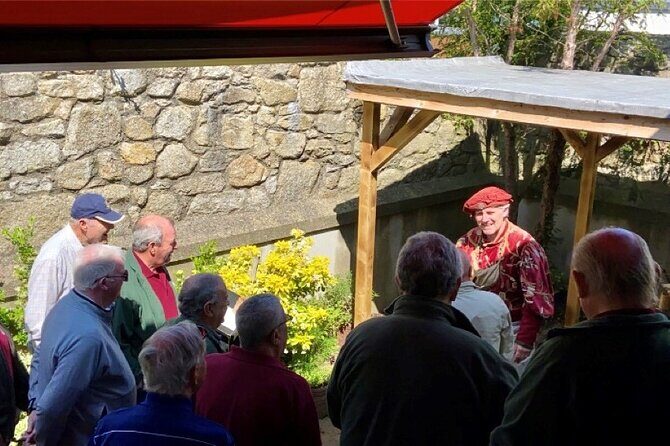
If you like history with movement and personality, this is an easy yes. Dalkey Castle is a real historic site, and the tour runs like a stage show that happens to include real stone, real rooms, and real views. The format is simple: you follow a guide, then actors break in with character-based scenes that explain how life worked around the castle.
Tours run about 1 hour and start every 90 minutes, so you’re not stuck waiting around all day. And because the group is capped at 20 people, you’re less likely to feel like you’re being herded through on rails.
For me, the biggest advantage is that you’re learning through action. Archery-style content, “shop talk” demonstrations, and everyday details are easier to remember than a long talk delivered at museum volume.
You can also read our reviews of more city tours in Dublin



The Four Stops Included in Your Ticket
What I like best is that you’re not paying for just one room or one courtyard. Your ticket ties together several parts of the property into a full loop that tells a bigger story than you’d get from a quick castle visit.
Here’s what you can expect as you move through the experience.
1) Dalkey Castle and the Heritage Centre
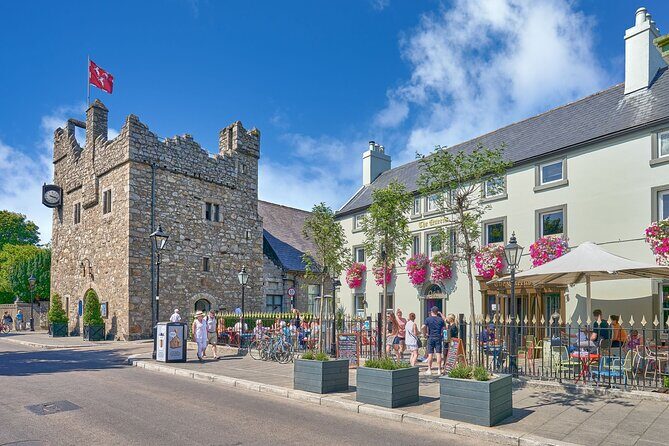
The tour begins at Dalkey Castle & Heritage Centre on Castle St in Dalkey. The castle itself dates to 1390, and you’ll get a guided sense of defenses and daily life as actors work into the story.
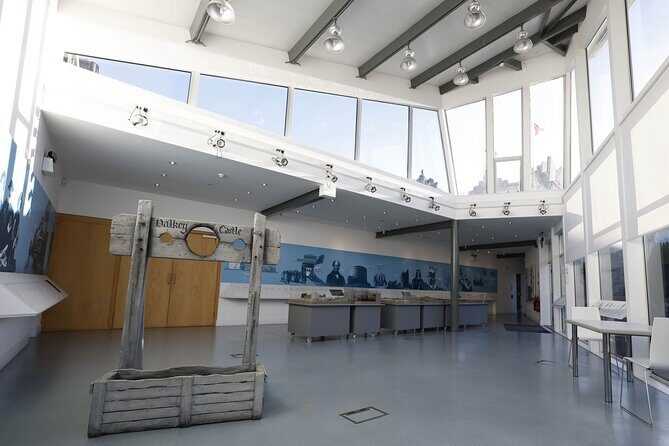
The heritage centre matters because it gives you more than vibes. Expect interactive screens in different languages and scale models that help you understand what you’re looking at. If you’ve ever left a castle feeling like you saw great walls but didn’t fully picture how they worked, this kind of built-in explanation is the fix.
2) St Begnet’s Church and Graveyard
Next up is St Begnet’s church and graveyard, connected with the site. This stop adds atmosphere. The church is connected to a 10th-century setting, and it’s the kind of place where the history feels more grounded than theatrical.
You get time to look around and absorb the setting before you head back into the busier performance elements. It’s also a nice rhythm break in a 1-hour experience, so the day stays light rather than tiring.
3) The Writers’ Gallery
Then you shift from medieval life into Ireland’s creative legacy. The Writers’ Gallery uses interactive panels to feature 45 locally connected creative artists, linked to major names such as James Joyce, Bono, Samuel Beckett, and Maeve Binchy.
Even if you’re not a deep-literature person, the gallery tends to work because it connects the local to the famous without requiring prior knowledge. It’s also a smart match for mixed groups—parents, teenagers, and book lovers all have something to latch onto.
You can also read our reviews of more historical tours in Dublin





4) Battlements for the Sea-and-Mountain Views
Finally, you get the physical payoff: climb up to the battlements for sea-and-mountain views. This is where the experience stops being just educational and starts being genuinely memorable.
The climb can be a bit of work. The steps are described as narrow, winding, and irregular, so take your time and use the handrails.
Costumed Characters: How the Story Stays Fun
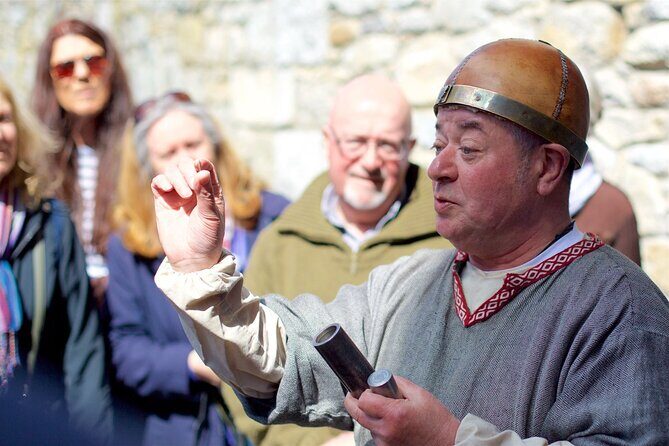
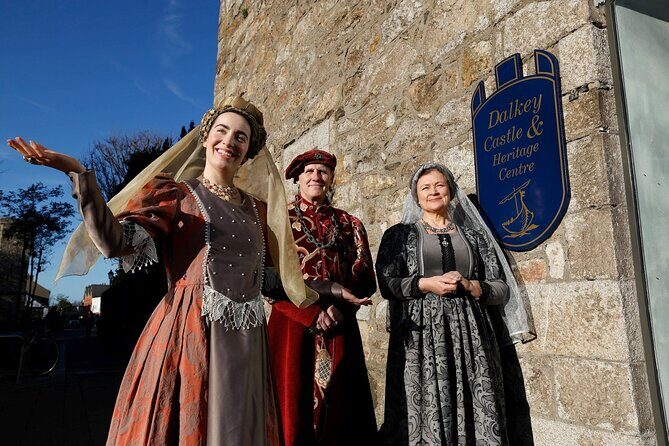
This tour earns its reputation for entertainment without sacrificing information. Actors bring the site to life through scenes and demonstrations that connect castle design to daily routines.
You can expect moments like:
- Archery-style content tied to defense and training
- A demonstration that includes barber surgery, presented as part of practical medieval life
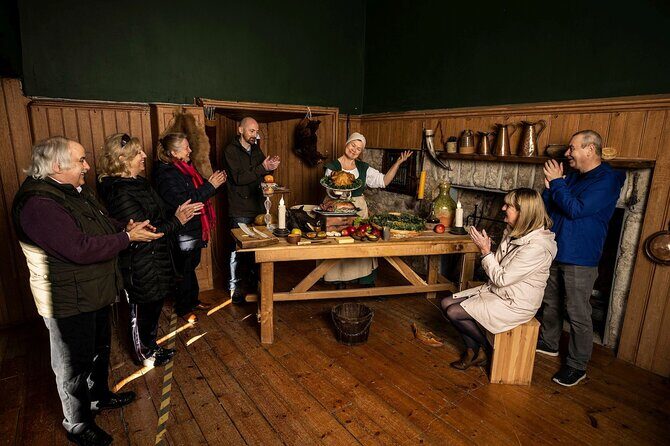
- A character as a cook, including a lesson on circular economy—the idea that nothing was wasted
That last point is a surprisingly good bridge to today. You’re not just learning “then people did things differently.” You’re seeing how basic resources and reuse mattered even centuries ago. It turns a vague concept of medieval life into something concrete.
A few performers and guides stand out in the way the experience is delivered. The guide Minota is specifically praised for being welcoming and strong on presentation. One actor, Oisín, is called out in particular for bringing the characters to life. If those names mean anything to you, they’re worth remembering when you book—though either way, the goal is consistent: fact plus theater.
St Begnet’s Church and Graveyard: The Quiet Contrast
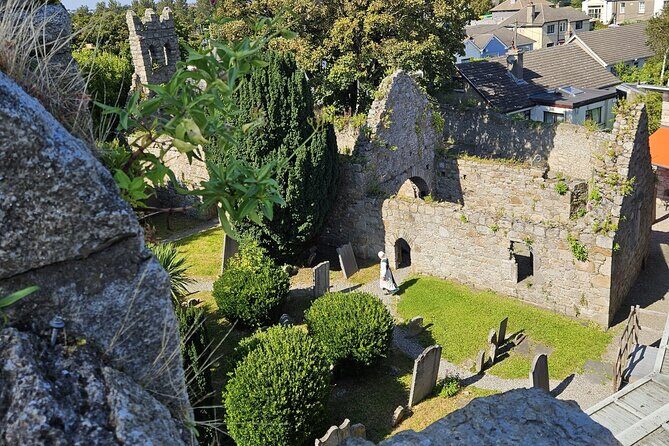
I like that the tour doesn’t keep you in performance mode nonstop. The St Begnet’s church and graveyard provides a different texture—more reflective, less showy.
When you visit a place like a castle, it’s easy to get stuck in the obvious stuff: towers, walls, and defensive features. The church and graveyard add another layer: community, time, and the sense that people lived, prayed, and remembered here long before modern visitors arrived.
If you’re traveling with mixed interests, this contrast helps. People who want scenery and atmosphere tend to enjoy this part, while those who prefer action still get plenty as the tour returns to actors and hands-on segments.
Writers’ Gallery: Local Creators with Global Name Recognition
The Writers’ Gallery is one of the most practical “why this ticket is worth it” parts. You’re getting a museum-style component, but it’s built to feel interactive, not like you’re reading labels for an hour.
The gallery’s connection to creative figures is specific, and that matters. Seeing James Joyce beside Samuel Beckett, and also connections to Bono and Maeve Binchy, helps you connect Irish creativity across literature, performance, and popular culture.
You’ll find interactive panels, which is great if you want to keep kids engaged. It also helps adults move past the feeling that they’re doing “one more exhibit.” This portion can add variety to a castle day, especially if you’re already visiting Dublin sights and want something closer to the coast with a different angle.
Battlements and the Climb: Worth It, With One Caution
The battlements are a major highlight, mainly because the payoff is real: sea-and-mountain views. This is the moment where the castle stops being a story and becomes a viewpoint.
But I want to say the quiet part out loud: the climb involves narrow, winding, irregular steps. In practical terms, that means:
- wear shoes with grip
- go slow
- use the handrails
The good news is that you can still enjoy the visit if you take the route carefully. Also, the experience notes an accessible lower level, which helps with options for people who need alternatives for certain areas.
You should just plan based on the fact that battlements are not a wide, flat walkway. If you’re unsure about your comfort level with stairs, it’s worth checking how your group will move during the climb.
Price and Value: How $21.77 Makes Sense Here
At about $21.77 per person, this ticket price looks reasonable when you match what you get. You’re paying for:
- a guided experience with professional, costumed performers
- multiple major areas in one admission
- interactive features like screens and panels
- a viewpoint component at the battlements
It’s also not the kind of tour where you spend most of the time standing in a line. The experience is built around short sections that shift your attention—castle, church, heritage visuals, writers’ panels, then views.
And because tours run throughout the day (every 90 minutes), you have some scheduling flexibility. On top of that, it’s often booked in advance—about 20 days on average—which tells you it’s a popular choice for families and visitors who want something active but not strenuous.
Timing, Group Size, and Getting There
This is an hour-long outing that fits nicely between other day plans. If you’re doing Dublin city sightseeing, Dalkey is a useful change of pace: fewer urban stops, more sea air, and a castle day that doesn’t feel like a chore.
The experience is offered in English, and you’ll also see interactive screens in multiple languages at the heritage centre and throughout the site. For families, that’s helpful because it reduces the pressure on one person to interpret everything.
The meeting point is clear and simple: Dalkey Castle & Heritage Centre, Castle St, Dalkey. It’s also noted as near public transportation, which is handy if you don’t want to rely entirely on a car.
Group size matters here. With a maximum of 20 travelers, the tour is more conversational and interactive than bigger attractions.
Practical Tips That Will Save You Time
A few things can make your visit smoother right away.
Bring the right shoes
If you’re going to the battlements, expect uneven steps. Good grip matters.
Plan for a quick photo moment
There’s an opportunity for a selfie in the stocks. If you care about capturing it, don’t leave it until the end.
Use the heritage centre screens
The interactive screens and scale models help you interpret what you’re seeing in the castle spaces. It’s the difference between looking at old stone and actually getting a mental map.
Eat in Dalkey before or after
There’s no in-house cafe, but Dalkey is described as a vibrant village with plenty of food and drink options for all budgets. Build your schedule around that village convenience.
Consider the gift-shop style souvenir
One review highlights making a commemorative coin and mentions the gift shop. If you like small keepsakes, keep a little time and budget in mind.
Who Should Book This Tour
This tour fits best if you want:
- history that stays active, not just talked about
- something that works for all ages
- a mix of medieval castle details and creative/Irish cultural content
- a chance to get sea-and-mountain views without planning an extra hike
If you’re traveling with teenagers, the Writers’ Gallery can help bridge interests. If you’re traveling with kids, the hands-on bits and costumed storytelling usually land well.
If you’re someone who only wants quiet self-guided museum time, you might prefer a slower visit. But for most people looking for a fun, structured experience near Dublin, this is a strong match.
Should You Book Dalkey Castle’s Living History Tour?
Yes, if you want a 1-hour experience that mixes real historic buildings with performance-style narration and ends with a view. The value comes from the package deal: castle + church/graveyard + heritage screens + Writers’ Gallery + battlements, all in one admission.
Book it especially if you like tours where the guide and actors actually explain what you’re seeing. And if stairs are your limit, plan carefully for the battlements climb and consider how the accessible lower level might fit your needs.
FAQ
How long is the Dalkey Castle interactive living history tour?
It lasts about 1 hour.
What’s included with the ticket price?
Admission includes the castle and Heritage Centre, the St Begnet’s church and graveyard visit, interactive elements in the heritage centre, the Writers’ Gallery, and a tour with a local guide and costumed actors. WiFi is listed as included too.
Is the tour offered in English?
Yes, the experience is offered in English.
Is there a place to take photos during the tour?
Yes. There’s an opportunity for a selfie in the stocks.
Will I have to climb stairs?
You should expect to climb to the battlements. The visit notes that it requires moderate physical fitness, and the battlements steps can be narrow and winding.
What if I need to cancel?
Free cancellation is available up to 24 hours before the experience starts for a full refund. Changes within 24 hours of the start time are not accepted.