REVIEW · DUBLIN
Dublin: Sightseeing Walking Tour in German
Book on GetYourGuide →Operated by Pat Liddy's Walking Tours of Dublin · Bookable on GetYourGuide
That wobbly-bridge feeling? This tour actually gives it. I like the fact that you get a German-speaking guide who keeps the walk easy to follow, and I also like how the route mixes Dublin icons with offbeat details you’d miss on your own. One thing to keep in mind: it’s mostly external visits, so if you’re hoping for lots of indoor time, you’ll want to plan a few follow-up stops after.
You start in the city center and move logically, not chaotically. The tour is built to cover both sides of the River Liffey, so you leave with a solid sense of where everything sits in the city.
It’s priced at $34 for 2.5 hours, which is a fair deal when you factor in a professional guide and a small-group format. If you want a quick, friendly introduction to Dublin in German, this one does the job.
In This Review
- Key takeaways before you go
- A German-language walking tour that actually stays fun
- Starting on Dame Street at the Tree of Gold (Crann an Óir)
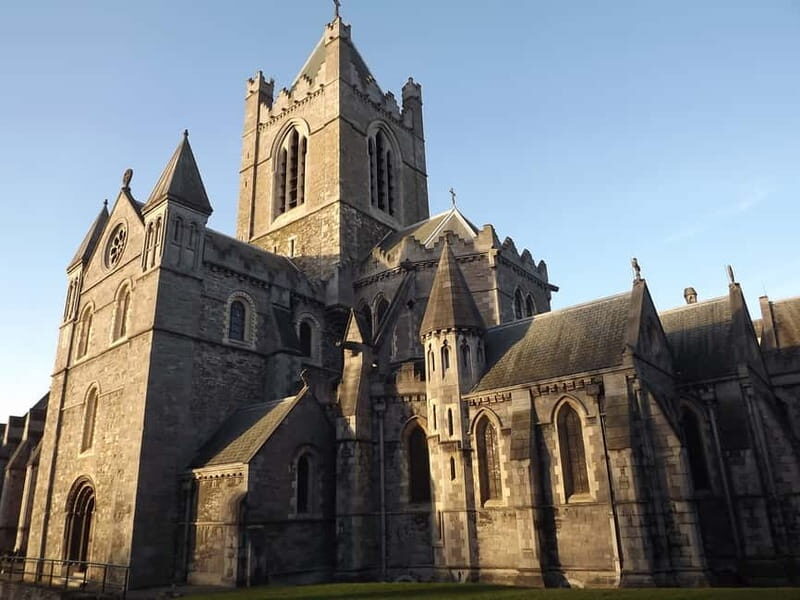
- The walk’s backbone: Dublin Castle to Christ Church Cathedral
- O’Connell Street and the GPO: where Dublin’s modern story hits hard
- City Hall, Parliament House, and Dublin’s “power buildings” tour moment
- Temple Bar side lanes: Fishamble Street, Smock Alley, and Meeting House Square
- Over the Liffey: Millennium Bridge and the northside shift
- Italian Quarter + St Mary’s Church (now a famous café/bar)
- Henry & Moore Streets: where the vibe turns everyday
- Hidden stories you actually remember (da Vinci, tram café, independence post-box)
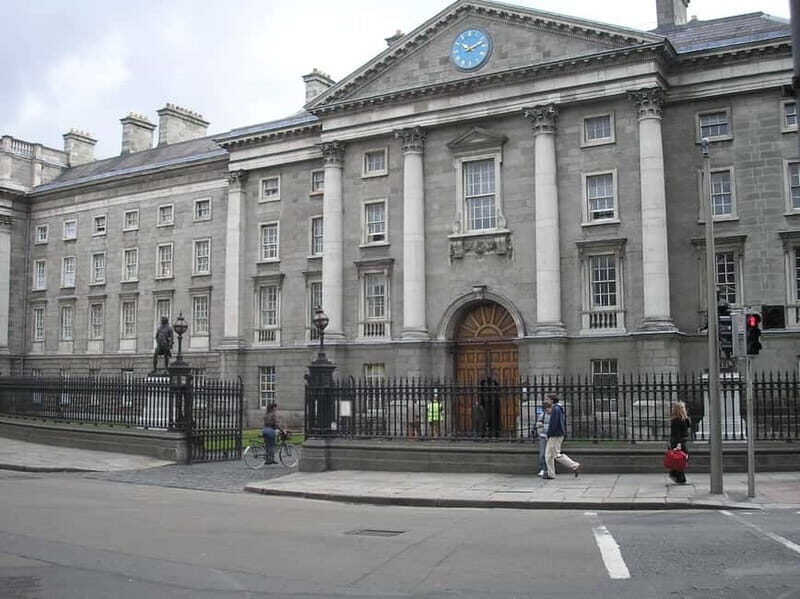
- Final approach: O’Connell Monument and the Trinity College finish
- Price and value: $34 for a 2.5-hour German-led orientation
- Who should book this Dublin walk
- Should you book Dublin: Sightseeing Walking Tour in German?
- FAQ
- How long is the Dublin German sightseeing walking tour?
- What language is the tour guide?
- Where does the tour start?
- What is the end point of the tour?
- Are visits inside included?
- Which major landmarks does the route include?
- Is it possible to see Book of Kells?
- Is the group small?
- Is the tour wheelchair accessible?
- What happens with booking and cancellation?
Key takeaways before you go
- German-speaking guide: the tour is live-led in German, with stories aimed at keeping you engaged.
- Small-group pace: it’s designed to feel relaxed while still hitting major landmarks.
- External-only visits: you’ll look around and learn, with optional chances to go inside afterward.
- Icon-to-side-street route: Dublin Castle, Trinity College area, and O’Connell Street are paired with narrow laneways.
- Stop for the weird and wonderful: expect tales about surprising objects and amusing references to famous art and people.
- Both sides of the Liffey: City Hall, the northside shift, and the River Liffey views help you orient fast.
A German-language walking tour that actually stays fun
I’ve found that the best city-walks don’t just recite dates. They make the city feel like it’s speaking back to you, and this one leans hard into storytelling.
What works especially well is the guide’s tone and structure. The walk is described as easy-going, and the way the stops are arranged makes it hard to get lost in the details. You’ll also get that satisfying mix: big public landmarks plus smaller street scenes that feel personal and specific.
The tradeoff is simple: because it’s a walking tour, you’re not stopping forever at each location. If you love lingering and soaking in interiors, treat this as your orientation, not your full museum day.
You can also read our reviews of more walking tours in Dublin

Starting on Dame Street at the Tree of Gold (Crann an Óir)
You’ll meet at the Tree of Gold statue, Crann an Óir, at Central Plaza on Dame Street. The exact corner is where Dame Street meets Fownes Street Upper.
Why this start matters: Dame Street is one of Dublin’s best “grab the map and go” zones. From here, it’s easy to connect later to nearby cafés and transport, and you’re close to the main historic center.
Also, you’re starting right in the thick of it, so the first minutes don’t feel like waiting around. You’ll immediately begin the tour’s theme: Dublin as a layered place where Viking-era traces, medieval streets, and modern city life all overlap.
The walk’s backbone: Dublin Castle to Christ Church Cathedral
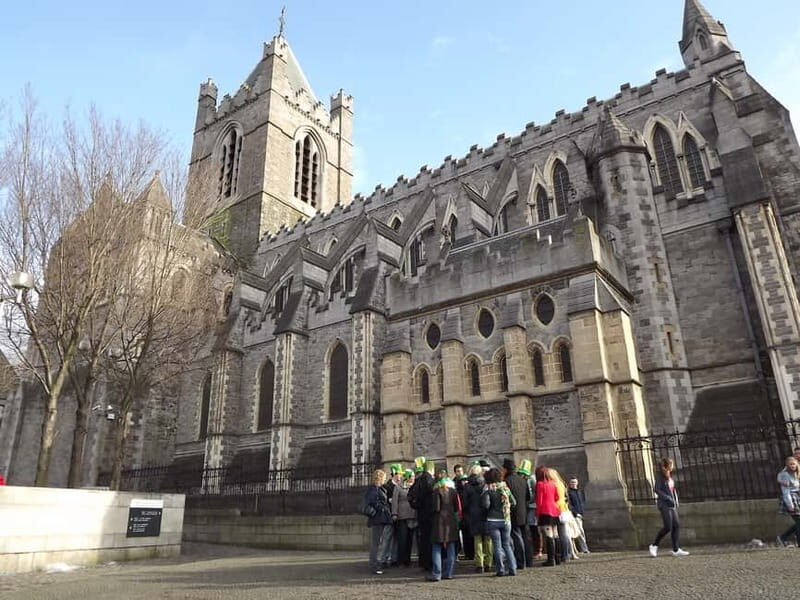
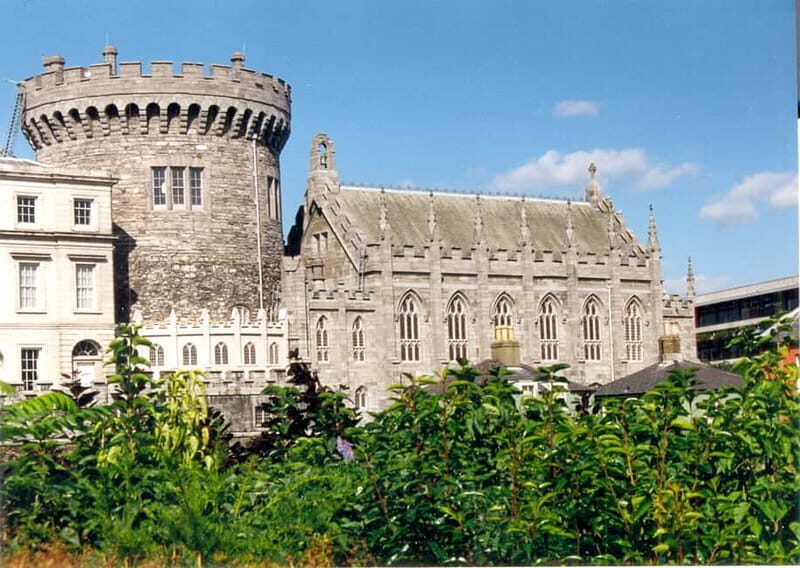
The route begins in the former Viking & Medieval Quarter, and the tour wastes no time using that geography. You’ll see Dublin Castle and Christ Church Cathedral early, then move into areas around them.
Dublin Castle grounds & gardens are a big-picture introduction. Even if you’re only looking externally, the scale helps you understand why this site mattered for centuries. The gardens give you a calmer pocket of space before the walk pushes back into busier streets.
Christ Church Cathedral adds a second anchor to that medieval feeling. You’re not just seeing a famous landmark; you’re watching the city form around it—streets, approaches, and the way buildings front onto public space.
If you’re the type who likes to learn by walking, this pairing works. You’re getting two very different “centers of power” moments in quick succession, and your brain starts building a timeline without you having to force it.
O’Connell Street and the GPO: where Dublin’s modern story hits hard
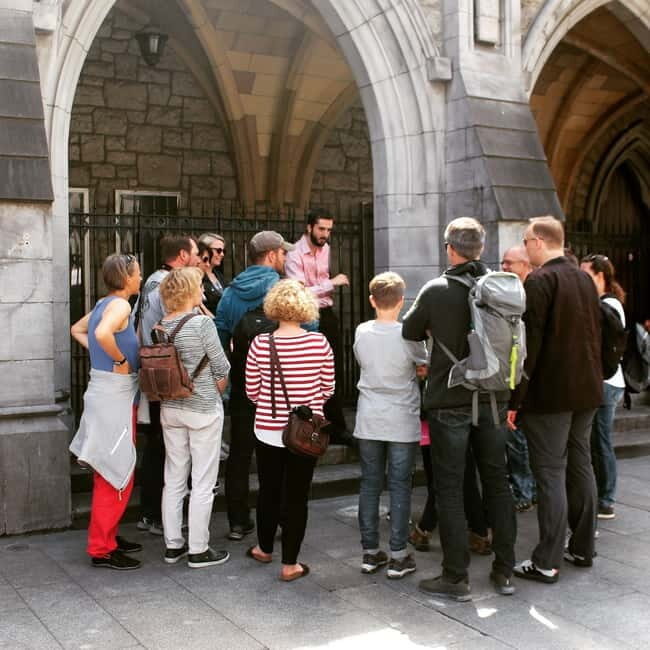
After winding around, you’ll reach O’Connell Street and the area around the General Post Office. The walk is set up so you pass by major political and civic touchpoints while also keeping it human-scale.
The General Post Office is a key stop because it links directly to the 1916 Rising. The tour notes that the GPO housed rebel headquarters and that the building and nearby street areas were heavily damaged. Even from the outside, that context turns the street into a timeline you can almost feel.
O’Connell Street itself works as more than a backdrop. It’s where Dublin’s city-center energy shows up in a single long corridor—useful for orientation. Once you understand how that main street connects to side areas, the rest of the city becomes easier to navigate later.
A consideration: this is one of the more serious stops on the route, and it’s still delivered on a schedule. If you want to revisit the GPO later for deeper reading, this tour is a good way to decide what you actually want to look up.
City Hall, Parliament House, and Dublin’s “power buildings” tour moment
You’ll see City Hall, and you’ll also pass the former Parliament House, now associated with the Bank of Ireland. The tour uses these to explain how governance and public authority show up in architecture and street placement.
City Hall gives you the civic version of Dublin’s identity. It’s the kind of building you can appreciate simply by noticing its role in public life—where events happen, where people gather, where decisions echo outward.
The former Parliament House stop ties authority to place in a different way. Even if you’re not looking for a specific building fact, you’ll likely remember that this area was once a hub of political decision-making.
This is the part of the tour where you’ll start seeing patterns: big institutions keep repeating in the same zones. When you grasp that, you stop feeling like you’re just “passing landmarks” and start understanding the city’s skeleton.






Temple Bar side lanes: Fishamble Street, Smock Alley, and Meeting House Square
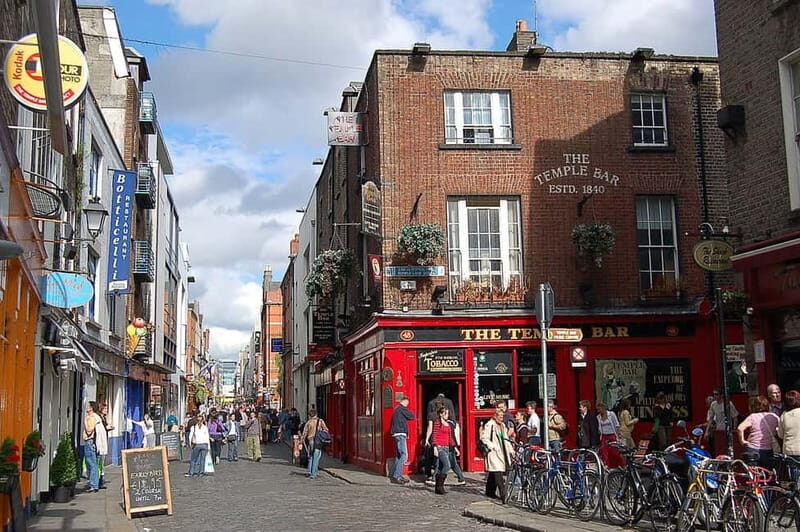
Then the tour turns toward Temple Bar and the smaller streets that make it interesting. You’ll pass Fishamble Street and Smock Alley, and you’ll also see Meeting House Square in Temple Bar.
These spots matter because they show the Dublin that’s more intimate than the main thoroughfares. Narrow lanes and small squares are where you learn how neighborhoods breathe. Even when you’re only observing from outside, the architecture and street shape tell you why people choose certain areas to meet, work, and linger.
This section also helps you avoid the “everything is just a big street” problem. Dublin is famous for its pub culture, but the tour makes it clear that the city’s character lives in alleys and corners too—places where you naturally slow down.
Over the Liffey: Millennium Bridge and the northside shift
The walk includes Millennium Bridge and a River Liffey moment. The description even highlights the feel of a wobbly bridge, which is a fun reminder that learning can be physical, not just mental.
Crossing the river is the practical genius here. It changes what you see and helps you map Dublin into two halves that actually connect. You get the historic core on one side, and you shift toward the northside landmarks and the continued walk toward O’Connell Street again.
If you’re taking photos, this is often where people want to stop for a second longer. Just remember you’re on a scheduled walk, so quick snapshots beat full detours if you want the rest of the route to flow.
Italian Quarter + St Mary’s Church (now a famous café/bar)
One of the more charming parts of the route is the Italian Quarter. You’ll pass through that area, and you’ll also see St Mary’s Church, which is now a famous café/bar.
Why I like this stop: it shows how Dublin reuses old structures without pretending the past was frozen. A church turned into a café/bar is the kind of contrast that makes cities feel alive, not preserved.
You may also appreciate how the tour frames it—not as a random stop, but as part of a broader story about change. The “former” and the “now” are right next to each other, and that’s exactly how Dublin works in real life.
Henry & Moore Streets: where the vibe turns everyday
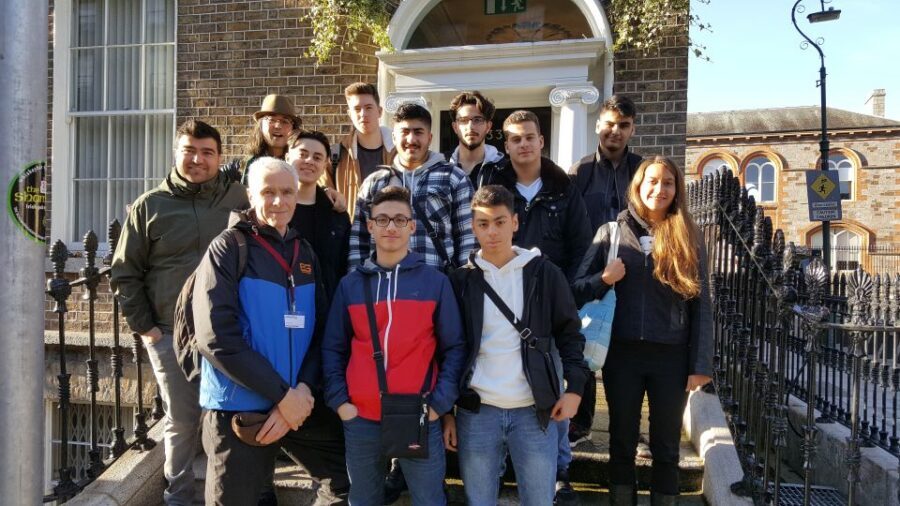
Henry & Moore Streets appear on the route, and this is where the tour benefits readers who want something more than textbook landmarks. This stretch is about how the city moves between iconic sights and ordinary street life.
If you’re the type who wants to return later to browse shops or grab a meal, these mid-walk streets are useful. They give you a feel for what looks walkable and what streets likely have good foot traffic at different times of day.
You’re not just collecting highlights—you’re collecting routes. That matters more than it sounds, because it helps you plan the rest of your stay without guessing.
Hidden stories you actually remember (da Vinci, tram café, independence post-box)
This is where the tour earns its high marks. You’ll hear about specific, oddly memorable surprises, including Dublin’s first but now defunct full-time cinema, a church that’s not a church, and a former Lisbon tram now serving as a café.
You’ll also get playful storytelling moments tied to famous art and people. The tour mentions an amusing representation of a da Vinci painting, plus a stark-naked representation of a very famous 18th-century composer.
There’s also a symbolism stop: a tale of a post-box representing Ireland’s transition to independence. Those kinds of details are small, but they’re sticky. Once you know to look for symbolism in plain objects, you start noticing it everywhere.
This section is also a good reminder of why a guide is worth it. Without a storyteller, you’d walk past a lot of these cues and never ask why they’re there.
Final approach: O’Connell Monument and the Trinity College finish
You’ll pass O’Connell Monument and continue the walk to the finishing point outside Trinity College. The tour ends around Trinity College with its famed Book of Kells.
Important practical point: the tour positions Book of Kells as something you’ll encounter from outside, not as an included entry ticket. That’s not a downside for an orientation walk; it just means you can choose how you want to spend extra time afterward.
Ending outside Trinity College is smart for orientation. Trinity is such a central anchor that finishing here gives you a clean place to regroup, head toward museums, or transition into your own plans.
If you’re short on time in Dublin, finishing by Trinity also helps because it’s one of the easiest areas to continue exploring on foot after a tour.
Price and value: $34 for a 2.5-hour German-led orientation
At $34 per person for about 2.5 hours, you’re paying for three things: a trained guide, a structured route, and German-language delivery.
For value, the small-group format matters. It’s not just about comfort—it’s about whether the guide can pace the information so you can keep up. The tour is described as easy-going and professional, and that style is what helps you get more out of each stop instead of feeling rushed.
You should also consider that visits are external only. That reduces the time inside sights, but it keeps the whole experience efficient. Think of it like a street-level introduction: you learn enough to decide what’s worth your paid ticket time later.
Who should book this Dublin walk
This tour is a great fit if you want:
- A German-language introduction to central Dublin
- A route that covers both sides of the River Liffey
- A mix of major landmarks and specific, memorable street stories
- A small-group experience that doesn’t feel like a sprint
It may be less ideal if you want heavy interior time at lots of attractions, because the tour is set up for external viewing. If you’re traveling with limited walking tolerance, it’s listed as wheelchair accessible, and additional guides are provided where required—so it’s worth asking before you go if you have specific mobility needs.
Should you book Dublin: Sightseeing Walking Tour in German?
Yes, if you want an organized, friendly Dublin orientation led in German—and especially if you like your city history with human stories and odd little details. For $34, you’re getting a well-paced route through the strongest visual anchors of the center, plus the kind of quirky, specific tales that make you remember where things are.
Book it if you’re using this trip as your first big Dublin walk and you plan to follow up later with any entrances that you personally care about. Skip it if your ideal day is mostly inside-ticket attractions, because this tour’s role is to point, explain, and set your bearings for what comes next.
FAQ
How long is the Dublin German sightseeing walking tour?
It lasts about 2.5 hours.
What language is the tour guide?
The live tour guide speaks German.
Where does the tour start?
It starts at the Tree of Gold statue (Crann an Óir), at Central Plaza on Dame Street (corner of Dame Street & Fownes Street Upper), Dublin 2.
What is the end point of the tour?
The tour ends back at the meeting point.
Are visits inside included?
All visits are external. The tour notes that opportunities for visits may be available after the tour.
Which major landmarks does the route include?
You’ll see Dublin Castle grounds & gardens, City Hall, O’Connell Street, Trinity College area, Christ Church Cathedral, the General Post Office, and the O’Connell Monument, plus other central streets and squares.
Is it possible to see Book of Kells?
The tour finishes outside Trinity College with its famed Book of Kells, so you can see it from the outside as part of the walk.
Is the group small?
Yes, it’s described as a small-group experience.
Is the tour wheelchair accessible?
Yes, the tour is listed as wheelchair accessible.
What happens with booking and cancellation?
You can cancel up to 24 hours in advance for a full refund, and you can reserve now and pay later.