Small streets, big monuments, and the kind of stories you’d miss on your own. This Dublin highlights and hidden corners walk threads from the Viking-and-medieval core to O’Connell Street and ends near Trinity College. I love how the small group keeps it friendly and easy to ask questions. I also like the way the guide uses real people, not just dates, to make Dublin feel personal.
One thing to keep in mind: most stops are external. You’ll get great views and context, but if you want to go inside any sights, you’ll need to plan that separately after the walk.
In This Review
- Key Points Worth Getting Excited About
- Starting at the Tree of Gold and Finding Dublin’s Real Center
- Dame Street to Dublin Castle: Old Dublin, Straight Ahead
- City Hall and the Viking-to-Modern Shift
- Temple Bar Without the Tourist Noise
- Crossing the River Liffey and Getting a New Angle
- The Italian Quarter and the St Mary’s Church Twist
- Henry Street, Henry & Moore, and the Feeling of the City
- O’Connell Street and the 1916 Rising Story at the GPO
- Parliament House to Trinity College: Ending at Book of Kells Territory
- The “Hidden” Part: Quirky Stories and Physical Experiences
- What $31 Really Buys You
- Who This Tour Suits Best (and Who Might Prefer Something Else)
- Practical Notes So Your Walk Goes Smoothly
- Should You Book This Dublin Highlights and Hidden Corners Walking Tour?
- FAQ
- Where does the tour start?
- How long is the tour?
- What is the group size like?
- Are the visits inside buildings?
- Where does the tour end?
- Is the tour wheelchair accessible?
- Is the tour guided in English?
- Is there free cancellation?
Key Points Worth Getting Excited About
- Small group size (max 16, often fewer) with a professional, friendly guide
- A tight 2.5-hour route that covers both sides of the River Liffey
- Famous landmarks plus side streets, with quirky stops that spark real curiosity
- External-only viewing by design, so you move efficiently and learn as you walk
- Strong guide storytelling, with past guides praised for humor and pacing (Joe Brennan, John O’Flynn, Jacob, Katie, Dave)
Starting at the Tree of Gold and Finding Dublin’s Real Center
The tour kicks off at the Tree of Gold Statue (Crann an Óir), on Dame Street at the corner with Fownes Street Upper. That’s a smart place to begin because you’re already in the middle of Dublin’s walking-friendly core. From there, you’re set up to build a clear mental map fast: you’ll see how Dublin Castle and Christ Church Cathedral sit in the older quarter, then how the city opens up toward O’Connell Street.
This is also the kind of tour where the guide’s personality matters. I like that the format supports it. In the past, guides such as Joe Brennan and John O’Flynn have been singled out for clear explanations and a good sense of humor, which makes the history easier to take in without feeling like a lecture. If you’re the type who hates rushing, you’ll be glad the tour is described as easy-going and the walking pace is usually praised as just right. (One note from experience: a slower pace would suit some people better, so wear comfortable shoes and go with your own energy level.)
You can also read our reviews of more walking tours in Dublin

Dame Street to Dublin Castle: Old Dublin, Straight Ahead
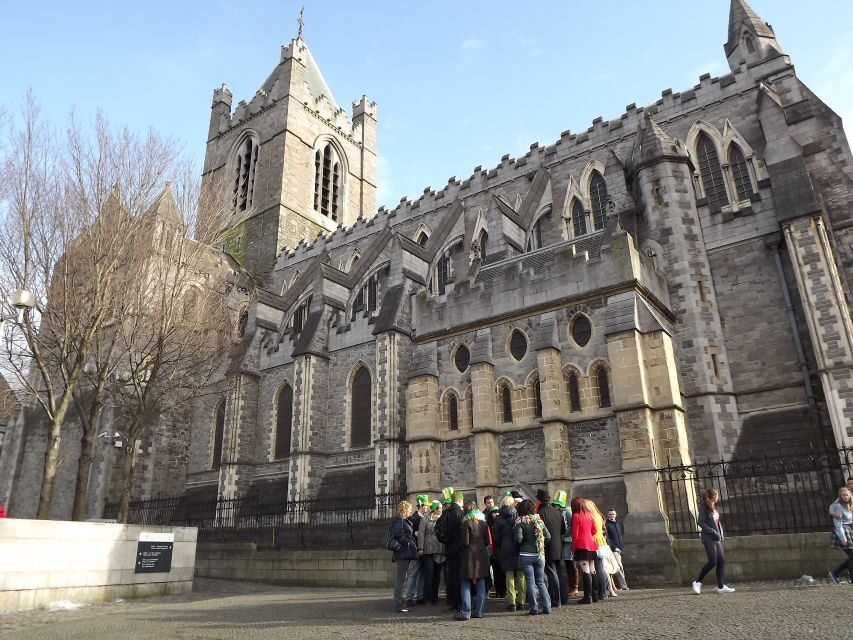
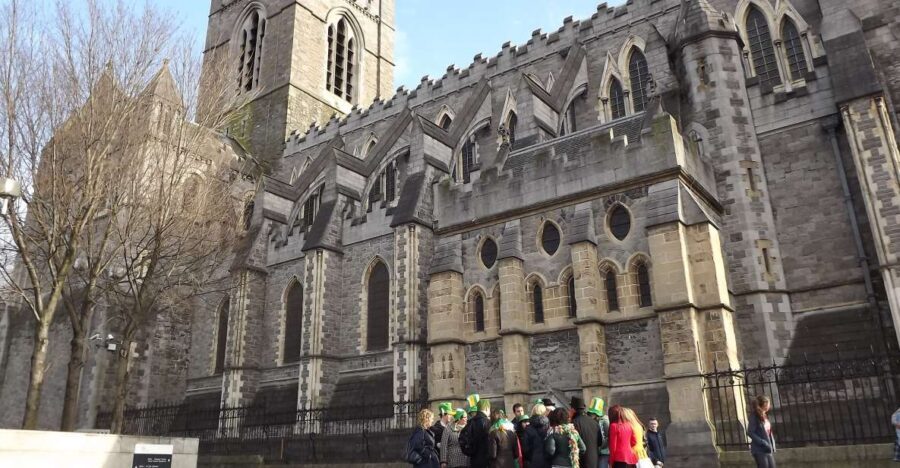
You start on Dame Street and wind your way through what’s often described as Dublin’s Viking and medieval quarter. The big headline stops are Dublin Castle and Christ Church Cathedral, both reached on foot in an order that helps you understand the city’s shape.
Here’s what makes this section work for you: you don’t just pass landmarks—you get the story of why they matter. Dublin Castle grounds and Christ Church Cathedral are both surrounded by layers of political and cultural change, and the guide’s job is to connect those layers to what you can actually see from the sidewalk. Even though visits are external, you’ll still get a satisfying sense of place: stone, scale, and location tell you a lot when you have the right context in your ear.
One practical tip: this is the part of the walk where you’ll want to look up as well as around. The architecture is part of the lesson. If you pause for photos, do it in short bursts so you don’t fall out of the group’s rhythm.
City Hall and the Viking-to-Modern Shift
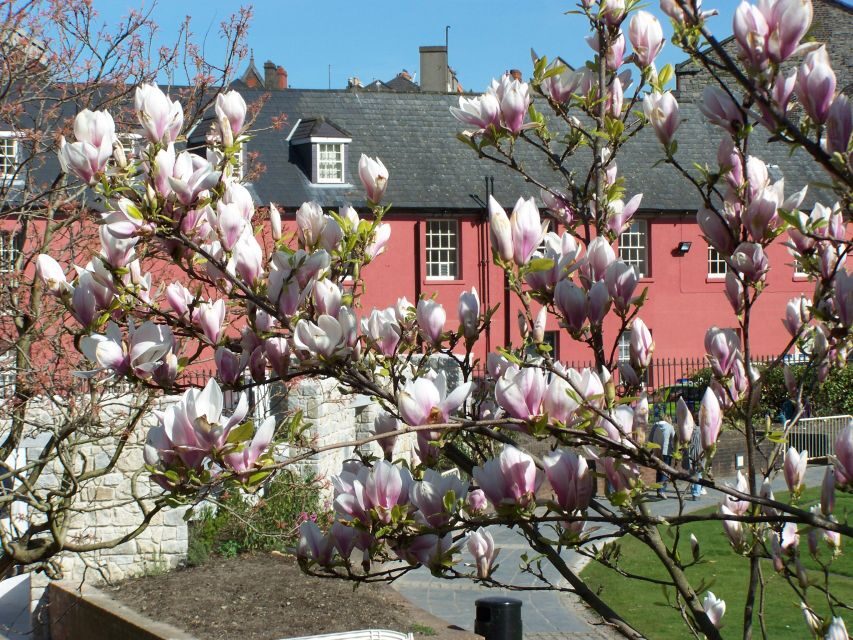
As the route moves along, you’ll hit City Hall and work toward O’Connell Street. This is where Dublin becomes easier to read. You’ll see the way older power centers and newer civic spaces overlap, and the guide ties that to the people who lived through major changes.
If you’re trying to understand Dublin quickly—like, before you commit to which museums to visit—this is a strong phase of the tour. City Hall isn’t just a photo spot. It helps you grasp how the city presents itself and how public life has shifted over time.
Temple Bar Without the Tourist Noise
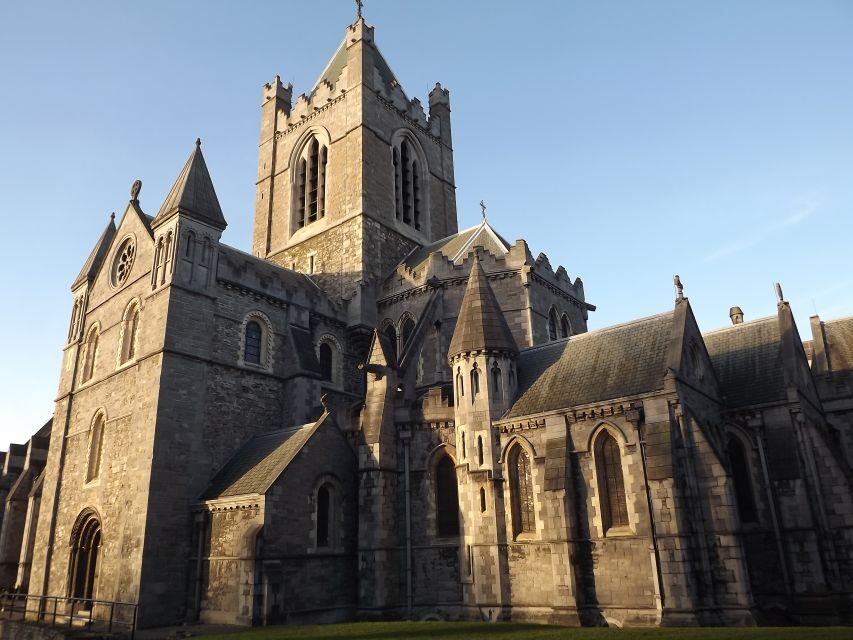
Then you turn into the area around Temple Bar, moving through streets like Fishamble Street & Smock Alley and passing Meeting House Square in that lively inner-city stretch. Temple Bar can feel loud if you visit on your own at the wrong time. On a guided walk like this, it’s different—you’re there for the context, not the crowds.
This portion is also where the tour’s “hidden corners” identity shows up. You’ll hear about surprising local details and unusual objects and murals that most visitors miss. The point isn’t just trivia; it’s learning how Dubliners pay attention to the unusual parts of daily life.
Crossing the River Liffey and Getting a New Angle
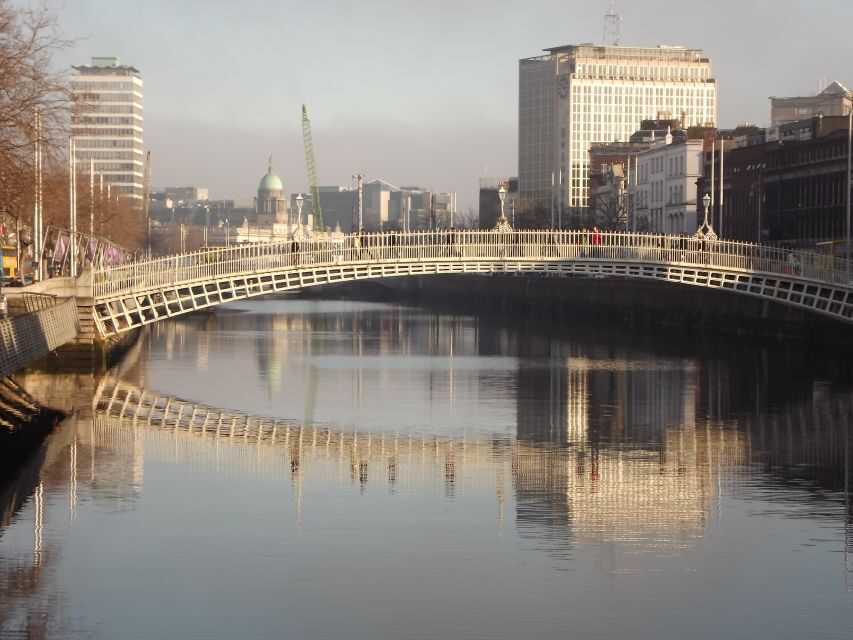
You’ll cross via Millennium Bridge and get out over the River Liffey. That bridge moment matters because it resets your viewpoint. Dublin splits into two sides, and seeing them from a bridge helps you feel the logic of the route.
On the river, the guide’s stories do something useful: they connect what you’re seeing to big historical turns. This keeps the walk from becoming a checklist. Instead of thinking only about where you are, you start thinking about why that place exists and what it has survived.






The Italian Quarter and the St Mary’s Church Twist
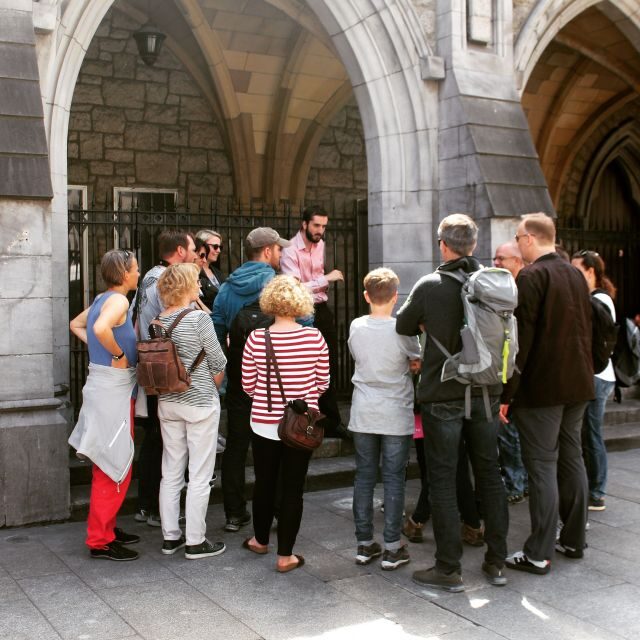
After the crossing, the itinerary swings into areas you might not pick on your first day—like the Italian Quarter. Then comes St Mary’s Church, which is now known as a famous café or bar.
That kind of “church that isn’t operating like a church” stop is one of the best ways to understand a living city. Buildings don’t stay frozen. Uses shift, neighborhoods change, and the guide helps you read those changes without turning it into a sad story or a celebration only.
If you like walking tours that explain how culture changes over time, you’ll appreciate this segment.
Henry Street, Henry & Moore, and the Feeling of the City
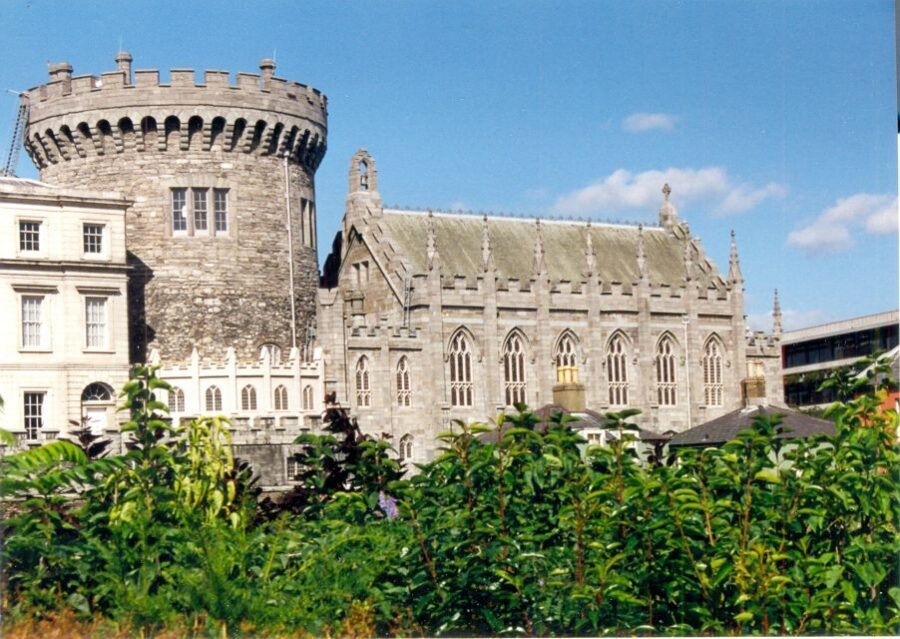
As you move toward Henry & Moore Streets and back into the main historic arteries, Dublin starts to feel more like a city you can move through. These streets aren’t just transition points—they’re where you get a sense of Dublin’s everyday energy mixed with its grand landmarks.
This phase is also useful for planning your next day. When you see where the crowds naturally collect and where the commercial lanes thin out, you can make better choices about where to stroll later and where to head when you want a calmer walk.
O’Connell Street and the 1916 Rising Story at the GPO
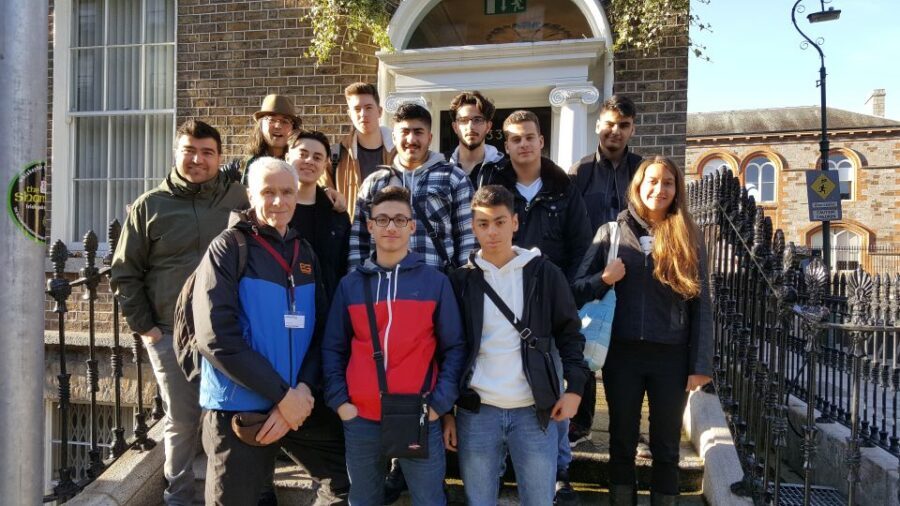
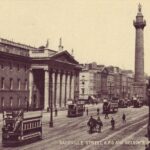
Next up is O’Connell Street, including the General Post Office (GPO), O’Connell Monument, and the former Parliament House area (now associated with Bank of Ireland).
This is one of the most powerful sections because it deals with the 1916 Rising. You’ll learn why the GPO mattered and how events around it caused widespread destruction in the street and surroundings. It’s not just background. The guide helps you connect the political story to the exact urban layout you’re walking through.
Practical angle: if you’re into Ireland’s modern history, you’ll likely want extra time after this tour for close-up exploring. Even if visits are external, the guide points you toward what to notice. And if you’re not a history buff, it still lands because the story is told in human terms.
Parliament House to Trinity College: Ending at Book of Kells Territory
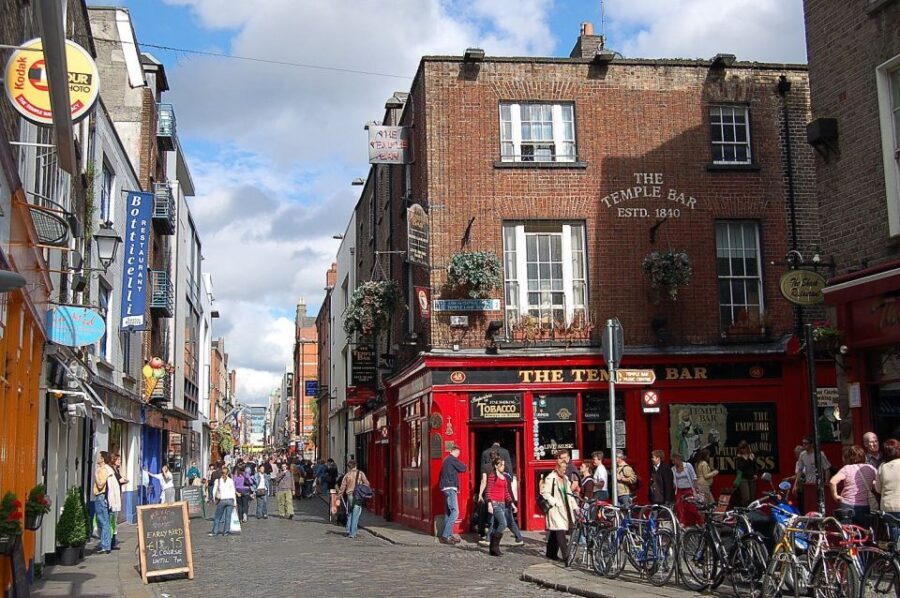
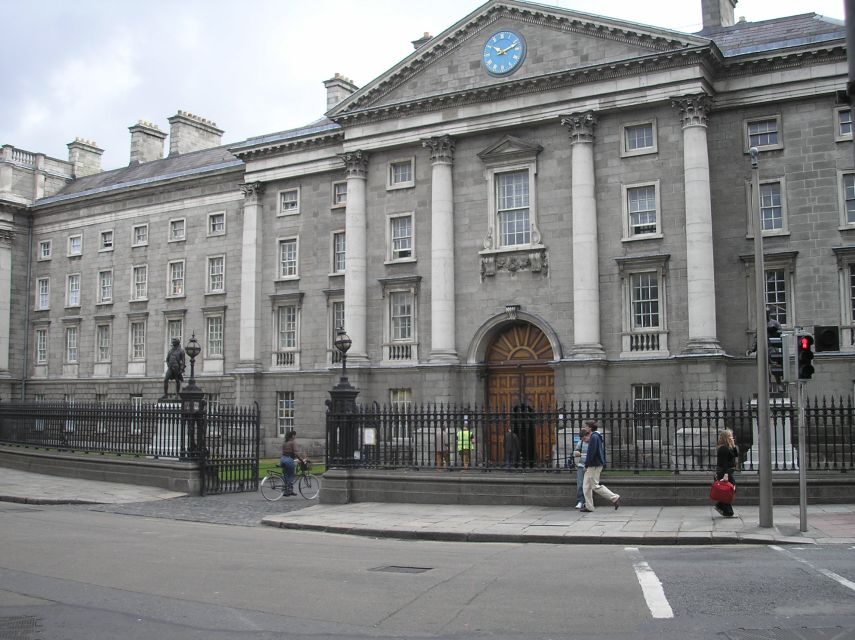
The route finishes around Trinity College, with the Book of Kells area named in the tour description. Because the tour is external-only, you should think of this as an end-of-walk orientation moment: you stand near the famous place, understand how it fits into the city, and then decide whether to add an official visit with separate tickets later.
One detail that helps: the tour also includes the former 18th-century Houses of Parliament area. That gives you a clearer line from old governance to modern institutions in the same central zone.
The operator states the tour ends back at the meeting point. So plan to keep the rest of your day flexible near the end—this walk is designed as a smooth circuit through the core.
The “Hidden” Part: Quirky Stories and Physical Experiences
The best part of this tour isn’t only that it hits the big names. It’s the way the guide adds strange, memorable moments that make you feel you discovered something, even in the middle of a major city.
You’ll hear about things like:
- a defunct full-time cinema
- a church that’s not a church (like St Mary’s now used as a café/bar)
- a former Lisbon tram repurposed as a café
- an amusing representation of a da Vinci painting
- the feeling of a wobbly bridge
- a post-box story tied to Ireland’s transition to independence
- a stark-naked representation of a very famous 18th-century composer
I like these because they do two jobs at once. First, they keep the walk from turning into a straight line of facts. Second, they train you to look harder when you’re wandering later. When you know what to watch for—odd artwork, repurposed spaces, small symbols—you start seeing Dublin differently.
What $31 Really Buys You
At $31 per person, you’re paying for a professional guide, a structured route, and a curated mix of landmarks plus off-the-main-street surprises. In Dublin, where you can absolutely walk around for free, the value comes down to one thing: the storytelling and the efficiency.
This tour covers a lot of key central sites in 2.5 hours without needing public transport. It’s also capped at 16 people, which tends to keep the guide’s attention on the group. That matters. When the tour size is small, you get better explanations and more time for questions.
If you only have one day in Dublin and you want to avoid wandering aimlessly, this price starts to look like a good deal. If you have plenty of time and you love reading on your own, you could DIY it. But you’d likely miss the little “why does that exist?” stories that make the city click.
Who This Tour Suits Best (and Who Might Prefer Something Else)
This walk is ideal if:
- you want a first-day Dublin orientation
- you like history told through people and places, not just timelines
- you want famous landmarks plus smaller side stops
- you’d enjoy a guide with good humor and steady pace (examples include Joe Brennan, John O’Flynn, Jacob, Katie, and Dave)
It may not be the best match if:
- you want mostly indoor stops or museum time (the tour is external visits)
- you need a very slow walking pace every minute (the length and pace are often praised, but a slower pace would help some people)
- you’re hoping for a deep dive into one subject only (this is a balanced overview across many zones)
Practical Notes So Your Walk Goes Smoothly
Wear shoes you trust. This is a city-center walk with frequent stops, and it’s only 2.5 hours, so you move at a steady rhythm. You’ll likely want a camera for architecture and street-level details.
Also, since visits are external, don’t plan your entire day expecting entry tickets during the tour. Use the walk to get oriented, then decide after where you want to spend money and time.
Language-wise, it’s English with a live guide, and the tour is wheelchair accessible per the provided info.
Should You Book This Dublin Highlights and Hidden Corners Walking Tour?
Yes, if you’re after a smart first look at Dublin’s center with stories that make the city feel lived-in. The small-group size, the mix of O’Connell Street, Temple Bar, Trinity College, Dublin Castle, and Christ Church Cathedral, and the quirky “wait, what is that?” stops give you a lot of return for the time.
If you already know Dublin well and just want standalone attractions inside buildings, you might feel boxed in by the external-only format. But for most first-timers and returnees who want better context fast, this is an excellent value way to get your bearings.
FAQ
Where does the tour start?
It starts at the Tree of Gold Statue (Crann an Óir), Central Plaza, Dame Street, Dublin 2 (the corner of Dame Street and Fownes Street Upper).
How long is the tour?
The tour lasts about 2.5 hours.
What is the group size like?
The tour is limited to a maximum of 16 people, and it is often less.
Are the visits inside buildings?
All visits are described as external. Opportunities for inside visits are available after the tour.
Where does the tour end?
The tour finishes around Trinity College with the Book of Kells area, and the activity ends back at the meeting point.
Is the tour wheelchair accessible?
Yes, it’s listed as wheelchair accessible.
Is the tour guided in English?
Yes, the live tour guide is in English.
Is there free cancellation?
Yes. You can cancel up to 24 hours in advance for a full refund.