REVIEW · DUBLIN
Private Dublin Treasure Hunt Self Guided Tour
Book on Viator →Operated by Mystery City Games · Bookable on Viator
Start your Dublin walk with a map—and a mission. This private, self-guided treasure hunt turns Temple Bar streets into a gameboard, using a mobile ticket and clue stations across the city center. I like that it’s designed for small groups (just your party), so you can move at your pace instead of being herded.
What I really like is the mix of puzzle solving and real Dublin sights. You’ll follow an ancient treasure map through the center, pass the Garda Police Station on Kevin Street, and use what you see to crack clues. That mix makes the walk feel more like a local scavenger game than a checklist.
The one thing to think about first is practicality—especially tech and weather. The experience relies on your phone link, and if it freezes or crashes, the hunt can feel more frustrating than fun. Add wind and rain, and you may wish there were somewhere to sit and regroup.
In This Review
- Quick hits before you start
- Temple Bar to treasure map: what this Dublin hunt really feels like
- Meeting at Clockwork Door: where you start and why it helps
- How the puzzles work: map clues, hands-on kit, and phone steps
- The clue route through Dublin’s city center: your “treasure trail” pace
- Kevin Street and the Garda Police Station: a memorable landmark stop
- Traditional pub exteriors: why this works (and what to watch for)
- What to expect from the weather and the walking time
- Private doesn’t mean effortless: the tech and kit reality check
- Value check: does $30.07 per person make sense?
- Who this suits best in Dublin
- Should you book the Dublin Treasure Hunt with Mystery City Games?
- FAQ
- How long is the Private Dublin Treasure Hunt?
- Where does the hunt start and end?
- Is this a private activity?
- Is the tour self-guided?
- What language is it offered in?
- How much does it cost?
- Are service animals allowed?
- Is it near public transportation?
- Is there a way to cancel for a refund?
Quick hits before you start
- Temple Bar meeting point: You begin at Clockwork Door on Wellington Quay, right in the action.
- Private by default: Only your group participates, which helps with pace and teamwork.
- Map-first format: You’re not just reading signs; you’re following a treasure-map flow through clue spots.
- Kevin Street landmark moment: You’ll pass the Garda Police Station area as part of the puzzles.
- Pub exteriors are part of the game: Expect to solve clues around traditional pub fronts, not just inside attractions.
- Phone connection matters: The mobile link is important enough that it can affect how smoothly the tour runs.
Temple Bar to treasure map: what this Dublin hunt really feels like
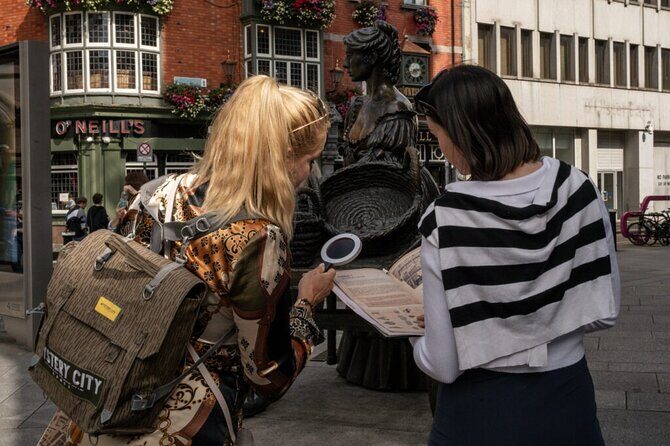
This is the kind of activity that changes how you see the city. You start in the Temple Bar area, then spend roughly two hours walking the city center with a clue-driven route. The game style is simple in concept: follow the map, hit each clue stop, solve what’s required, and keep moving until you loop back to the starting point.
Where it gets fun is the way it makes everyday streets feel like part of a story. Instead of wandering randomly, you’re constantly asking: What’s this place? Why am I here? What details matter? That turns a normal walk into something you can do together—especially if you like light competition, teamwork, or just having a reason to look closely.
And it’s genuinely suited to groups. Because it’s private, you’re not negotiating space with strangers. You can spread out a little, compare ideas, and keep each other on track. For work groups, birthdays, or friend trips, that shared problem-solving is often the best part.
You can also read our reviews of more guided tours in Dublin



Meeting at Clockwork Door: where you start and why it helps
Your start point is the Clockwork Door at 51 Wellington Quay, Temple Bar, Dublin (D02 NH04). The tour ends back at the same meeting point, so you don’t have to worry about figuring out transit at the end. For navigation, that’s a big deal. It reduces the stress of the last leg.
Starting in this part of Dublin also means you’re already in an area packed with food and drink options. Even if the hunt takes the whole ~2 hours, you’re close to places to refuel afterward—without needing a long commute. If you’re pairing this with other sightseeing, this location makes it easier to add a pre-dinner stop or a post-hunt pint.
How the puzzles work: map clues, hands-on kit, and phone steps
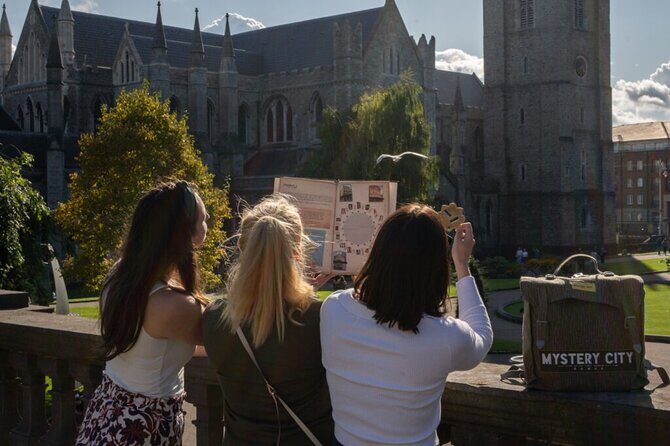
This is a self-guided experience, so you’re doing the walking and the problem-solving. The core elements are:
- A treasure-map style route that guides you from clue to clue
- A physical kit (for example, a bag/backpack with clue materials and items you handle while solving)
- A mobile component tied to the gameplay
This is where the experience can swing from smooth to annoying. Some people love the hands-on aspect—having props and evidence-style pieces makes the game feel tangible. But the practical workflow matters. If your kit access is fiddly, it slows you down every time you need to check something.
The mobile link is the biggest variable. If your phone app or connection freezes, you can get stuck waiting for the next step. There’s sometimes an in-app support or chat-style function, and when that fails, it can make recovery harder. My practical advice: treat this like a phone-based game. Come with your device charged, avoid low signal areas when possible, and keep a calm backup mindset if the app doesn’t cooperate immediately.
The clue route through Dublin’s city center: your “treasure trail” pace
The itinerary is built around following the map through multiple stops in the city center. The exact number of clue points isn’t listed here, but the flow is consistent: you walk, stop, solve, and move on.
That structure is great because it prevents the common problem with self-guided activities: wandering and guessing. Here, you always have a reason to pause and look closer. You also get that steady rhythm of progress, which helps groups stay engaged.
One consideration: city-center walking isn’t always comfortable walking. Some routes will take you through areas that feel less polished than the postcard spots. If you’re hoping for only major landmarks, you might find yourself wondering why you’re at certain corners. The upside is that the puzzles give you a purpose for those stops—so you’re not just passing through.
A smart move for you: plan to bring a small snack and water. The hunt is short enough that it’s not a full-day project, but long enough that you’ll feel it if you’re solving under pressure.
Kevin Street and the Garda Police Station: a memorable landmark stop
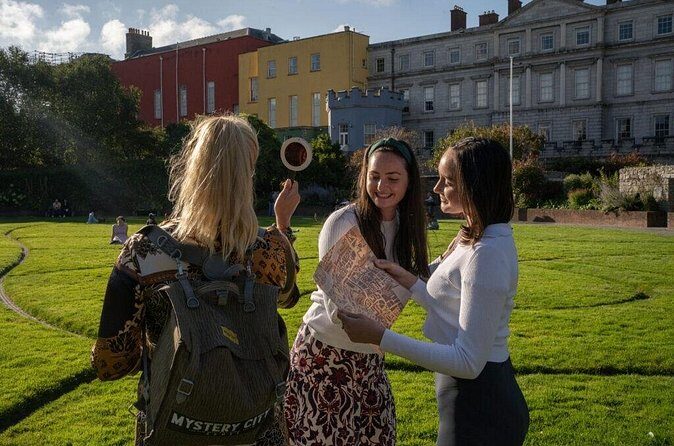
One of the clearer “anchor points” is that you’ll pass by the Garda Police Station on Kevin Street. That’s useful for two reasons:
- It gives the route a real, specific landmark in the middle of the game.
- It breaks up the walking so you’re not only solving in generic streets.
Landmark-based clue stops tend to work best because they’re easy to recognize. Even if the puzzle itself is what matters, having a point you can visually confirm can keep the group from spiraling into confusion. When the game is working, these moments make the walk feel guided.
If you’re doing this with mixed-experience group members—say, people who know Dublin better than others—this kind of landmark is also a good team equalizer. Everyone can point, confirm, and move together.
You can also read our reviews of more private tours in Dublin





Traditional pub exteriors: why this works (and what to watch for)
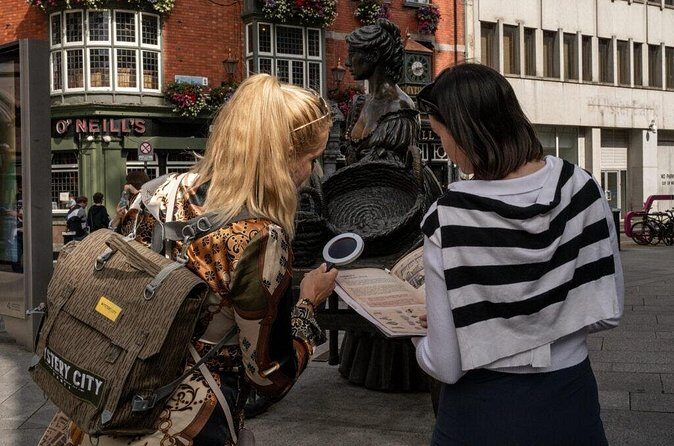
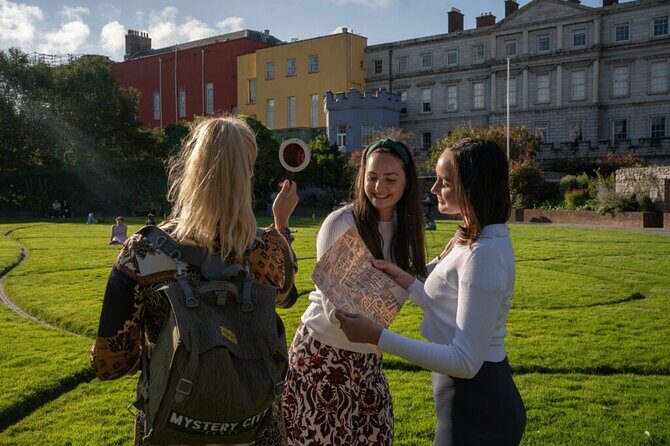
A big part of the hunt involves exploring the outside of traditional pubs as part of the puzzle solving. This is a clever concept because Dublin pub fronts are full of visual clues: names, styles, symbols, and street-level details. Even if you’re not going inside, your eyes have something to do besides stare at doors.
This also ties the game to the atmosphere of the neighborhood. Temple Bar and nearby areas have a strong identity. When you blend that into a puzzle route, the walk starts to feel like a themed “guided adventure,” even without a live guide.
The potential drawback is timing and comfort. If you get stuck on a clue that requires careful writing or manipulation of paper pieces, you’ll want a bit of space and shelter. Some locations won’t offer that—there may not be a nearby bench or wall to pause comfortably. In windy, rainy weather, you can end up balancing everything while trying to keep materials from blowing around.
My tip: bring something small to protect paper (even a zip bag) and wear shoes you can handle on uneven city sidewalks. If you’re doing this as a team, bring one person who’s good at staying steady and organized.
What to expect from the weather and the walking time
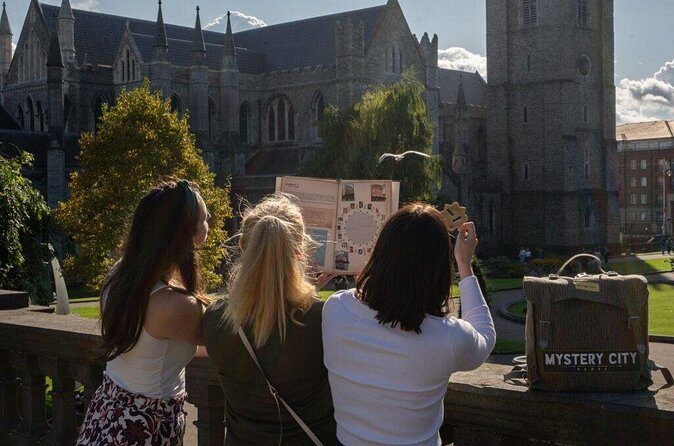
The duration is about 2 hours, which is just long enough to notice the elements. The biggest comfort issues are practical: wind, rain, and the lack of somewhere to sit and work through clues. When the conditions turn rough, self-guided puzzle activities can become more about survival than solving.
If weather is a concern, I’d treat the start area as your “reset zone.” It’s in Temple Bar, which usually means you can duck into nearby cover quickly if needed. A good plan is to carry a lightweight layer and accept that you might need to stop, dry off, and restart.
Another timing note: if you’re group-solving and debating answers, you can easily stretch the experience. If you want a relaxed pace, build in time for snacks and photo breaks—especially if you’re also taking in nearby sights before or after.
Private doesn’t mean effortless: the tech and kit reality check
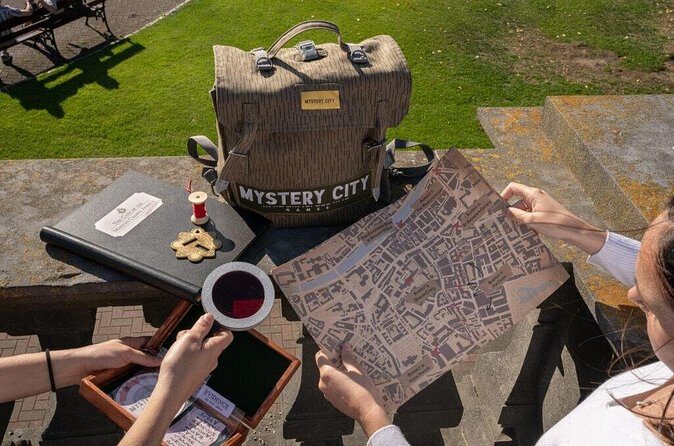
This hunt is billed as a private self-guided activity, meaning you won’t share the route with other groups. That’s a plus. But private also means you’re responsible for the experience working smoothly.
From what people describe, the common friction points are:
- Phone link problems: crashes, freezes, or getting bounced back in the game flow
- Physical kit access: materials that are annoying to reach quickly
- Puzzle mechanics: tasks that require balancing paper and props while walking
If everything runs smoothly, you’ll likely have a fun, team-building mystery walk. If tech struggles, you’ll spend more time troubleshooting than solving. That doesn’t mean the activity is bad. It just means you should go in with the right expectations.
My practical suggestion: if your group is tech-dependent and impatient, consider whether you want this type of experience today. If your group loves games and problem-solving, you’ll probably find the obstacles part of the adventure—at least until the phone stops cooperating.
Value check: does $30.07 per person make sense?
At $30.07 per person for about 2 hours, you’re paying for three things: the self-guided route, the puzzle materials, and the mobile experience. If your phone connection holds up and your group enjoys puzzle time, it can feel like great value. This is especially true for teams, because the cost spreads across shared entertainment.
But value depends on friction. If the kit design makes every clue take extra effort, or the phone crashes repeatedly, that time cost becomes real. For people doing this in the rain or with limited patience for app glitches, the same price can feel steep.
So here’s the “value math” I’d use:
- Best-case value: smooth gameplay + comfortable walking = strong entertainment per dollar.
- Worst-case value: repeated tech failures + uncomfortable conditions = you’re paying for stress.
If you’re booking, I’d aim for a day with decent weather and a group that likes puzzles more than perfect logistics.
Who this suits best in Dublin
This is a good fit for:
- Teams and groups who enjoy working together
- People who like mystery-walk formats and learning by doing
- Visitors who want an excuse to explore beyond the biggest monuments
- Birthday-style outings where the goal is fun, not just sightseeing
It may not be ideal if:
- Your group hates puzzle mechanics or prefers guided explanations all the way through
- You’re traveling with someone who gets stressed by phone apps not working
- You need lots of seating stops along the way
Also, because it’s self-guided and private, it can be easier for mixed-nationality groups. Everyone can read the clues and discuss answers without needing a live interpreter.
Should you book the Dublin Treasure Hunt with Mystery City Games?
I’d book it if you want a lighthearted, puzzle-driven city walk and you’re okay using your phone as part of the gameplay. It’s a fun way to turn Temple Bar area streets into something you actively participate in, and the clue route gives you momentum.
I’d think twice if you’re going on a rainy, windy day and your group has low tolerance for tech hiccups. If the phone link fails, the game can stall in a way that drains the enjoyment fast.
If you’re deciding right now, my simplest checklist is:
- Bring a charged phone and good data habits.
- Wear comfortable, weather-ready walking shoes.
- Assemble a team that enjoys solving more than sprinting.
- Have a Plan B mindset if the app is temperamental.
Do that, and this can be a genuinely fun Dublin afternoon—part adventure, part team bonding, and part excuse to look closely at the city.
FAQ
How long is the Private Dublin Treasure Hunt?
It runs for about 2 hours (approx.).
Where does the hunt start and end?
You start at Clockwork Door, 51 Wellington Quay, Temple Bar, Dublin (D02 NH04) and it ends back at the same meeting point.
Is this a private activity?
Yes. It’s private, meaning only your group will participate.
Is the tour self-guided?
Yes. It’s a self-guided treasure hunt with a mobile ticket.
What language is it offered in?
The experience is offered in English.
How much does it cost?
The price is $30.07 per person.
Are service animals allowed?
Yes, service animals are allowed.
Is it near public transportation?
Yes, it’s near public transportation.
Is there a way to cancel for a refund?
Yes. Free cancellation is available if you cancel up to 24 hours in advance for a full refund.