REVIEW · DUBLIN
Historical Walking Tour of Dublin
Book on Viator →Operated by My Journey Ireland · Bookable on Viator
Dublin’s 1916 stories are easy to follow on foot. I loved how this tour keeps things simple with clear start and finish points, and how guide Donal brings the 1916 Rising to life with real-world context at the GPO. You’ll get a fast hit of major sights like Trinity College and Dublin Castle, but plan for one snag: some admission tickets aren’t included, so bring extra cash if you want to go inside.
I also like that the pacing fits a sightseeing afternoon. Most of the route stays in central Dublin, and the small group size (max 15) means you can ask questions without the guide racing ahead.
Practical tip: the tour needs good weather, so if rain is in the forecast, dress for it and keep an eye on updates.
In This Review
- Key highlights you’ll care about
- A 1-hour-45 walk from O’Connell Street to Ha’penny Bridge
- The GPO and the 1916 Rising: where rebellion became Irish identity
- Trinity College outside College Green and the Book of Kells setup
- Dublin Castle and 1916 connections at city-center speed
- Why max 15 matters more than you think
- Admission tickets and the extra cash rule
- The value math: $32.44 for Dublin history that actually fits
- Pub energy at the end: don’t skip the local touches
- Who should book this tour (and who might want something else)
- Should you book this Historical Walking Tour of Dublin?
- FAQ
- FAQ
- How long is the Historical Walking Tour of Dublin?
- Where do I meet for the tour?
- Where does the tour end?
- What language is the tour offered in?
- Is this a small-group tour?
- Are admission tickets included?
- What kind of ticket do I get?
- Does the tour run in all weather?
- Are service animals allowed?
- What is the cancellation policy?
Key highlights you’ll care about
- Donal-led storytelling that mixes humor, history, and easy answers
- Easy to find meeting at The Spire, ending right by the Ha’penny Bridge Inn
- 1916 Rising focus at the GPO, with Dublin Castle tied into the same era
- Trinity College outside stops with the Book of Kells/Long Room on your radar
- Small group size capped at 15, often feeling more personal
- Mobile ticket and English-only tour for smooth day-of use
A 1-hour-45 walk from O’Connell Street to Ha’penny Bridge
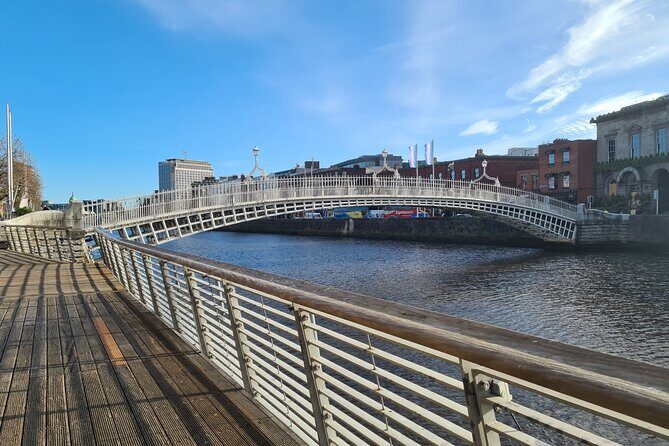
This is a classic Dublin “get your bearings fast” kind of tour. You meet at The Spire on O’Connell Street Upper at 1:00 pm, then you finish at or in the Ha’penny Bridge Inn by the bridge. It’s a neat end point because you’re already in the Temple Bar area, so you can keep exploring or grab a meal without backtracking.
The duration is about 1 hour 45 minutes, which is long enough for real context but short enough to fit into a first or second day in Dublin. And since you’ll be on a walking route with central landmarks, you won’t burn time guessing where things are.
One more thing I like: it’s an English tour with a mobile ticket. That matters when you’re juggling travel days, phones, and weather. If you’re trying to keep logistics low-stress, this format helps.
You can also read our reviews of more walking tours in Dublin



The GPO and the 1916 Rising: where rebellion became Irish identity
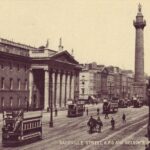
Your tour starts at the An Post General Post Office (GPO)—and that choice isn’t random. The GPO is tied to the 1916 Easter Rising, a rebellion against British rule that Irish republicans hoped would lead to an independent Irish Republic. Standing here, you get the story of leaders like Patrick Pearse and James Connolly, plus what it meant for Dublin at the time.
What makes this stop work for me is that it’s not presented as a list of names and dates. The guide uses the setting itself to explain why the GPO became a symbol. You learn that the uprising faced major obstacles, including limited public support and British military strength, and the revolt ultimately failed. Still, the impact didn’t disappear—it fed into later political change, including the road toward the Irish Free State and the modern Republic of Ireland.
Practical note: the tour includes time at the GPO, but an admission ticket is not included. If you want to go inside at the GPO level, plan on paying separately.
Trinity College outside College Green and the Book of Kells setup
Next you head to Trinity College Dublin from College Green. You’re not slogging through huge campus crowds on this walk, which I appreciate, because it keeps the tour focused and keeps your energy for later in the day.
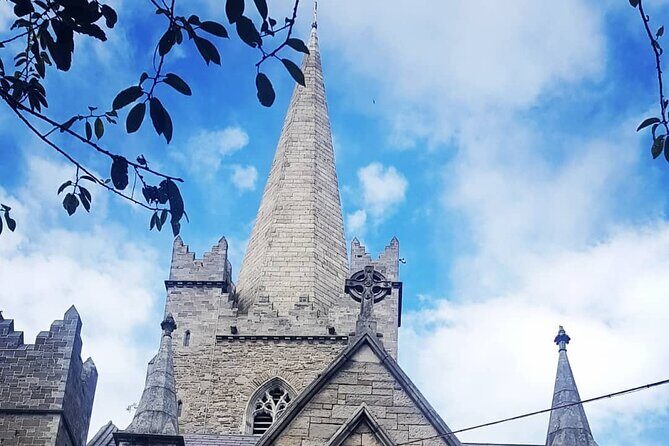
Trinity College is Ireland’s oldest university, founded in 1592, and the setting gives you a sense of how long academic life has shaped Dublin. The big draw is that you’re close enough to connect the place to the Book of Kells and the famous Long Room in the Old Library—both of which visitors often treat like must-dos.
Here’s the value for you: even if you don’t have time to tour the interior today, the guide’s explanation helps the famous items make sense. You’re not just seeing an attraction name; you understand why Trinity feels like Dublin’s intellectual center.
Another practical point: you may have heard that these places are ticketed. The tour time near Trinity is scheduled, but admission isn’t included. The tour is clear about this idea, and your plan should be simple: if you want the Long Room or the Book of Kells experience, bring extra cash so you can say yes without running back to an ATM.
Dublin Castle and 1916 connections at city-center speed
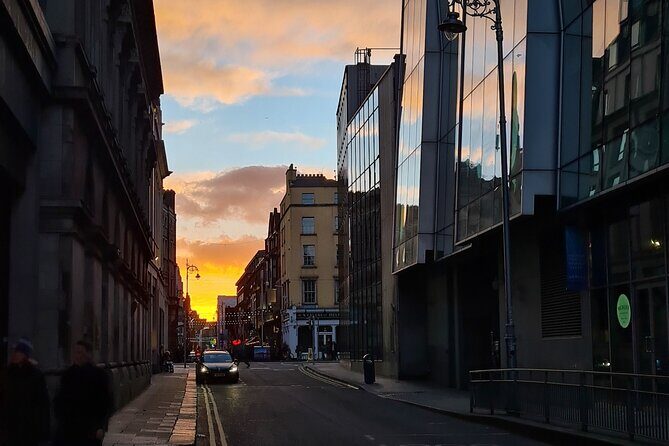
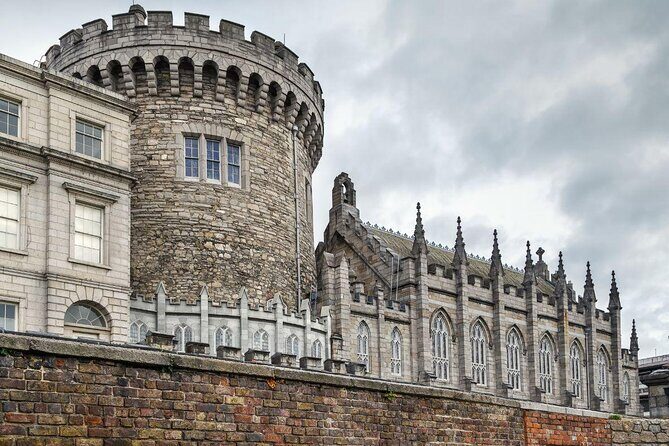
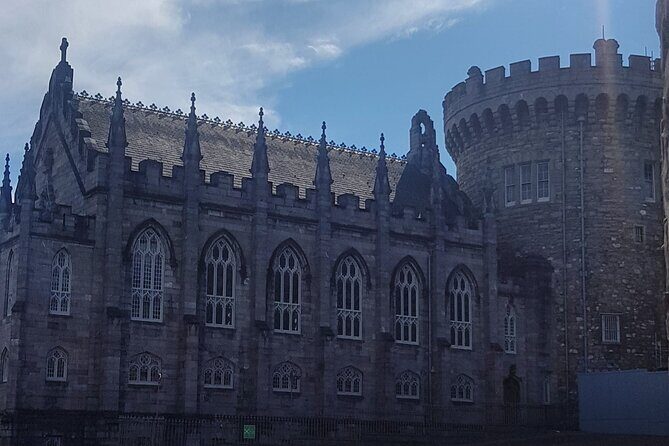
The walk also pulls you toward Dublin Castle, where the discussion ties the site to both city life and the 1916 rebellion era. Dublin Castle is the kind of landmark that can feel abstract if you only see it as a pretty building. This tour helps you connect it to power, governance, and the conflict over who controlled Ireland at key moments.
This stop lasts about 10 minutes, so don’t expect a full museum day here. Think of it as a “framework” moment: you’ll leave knowing what the castle represented and why it mattered during the same historical wave as the GPO.
If you’re the type who likes a tight route, this stop works. If you want more time inside official buildings, you can use this as your cue to add extra time later on your own.
Why max 15 matters more than you think
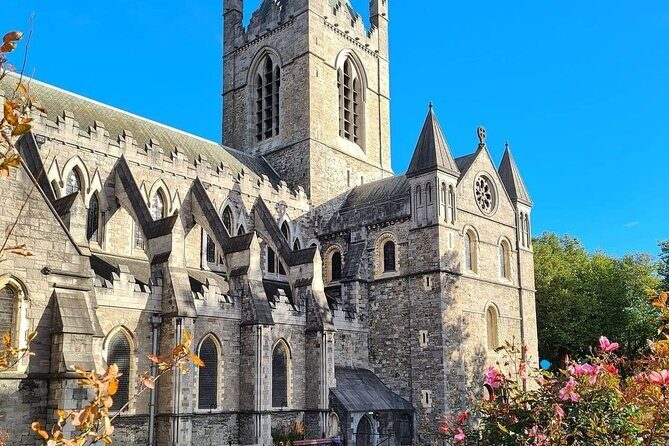
The tour caps at 15 travelers, and that’s one of the real reasons people rate it so highly. With fewer people, the guide can slow down when you ask a question. You also get a less rushed feel at each landmark, which is important when the topic is the kind of history that gets dense fast.
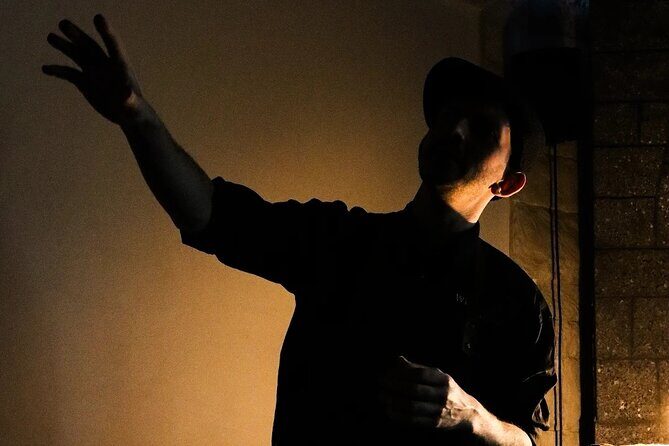
From what I’ve seen in the way this tour is run, Donal tends to mix clear narration with humor and keeps space for questions. In fact, in at least some groups, he’s gone beyond typical tour patter—sharing personal perspective, adding entertaining moments, and even using creative touches like poetry.
That matters if you’re traveling with mixed ages or you want something more lively than a lecture. One parent-style detail stands out too: the guide is willing to be accommodating if you need a quick break. That doesn’t sound glamorous, but it can make the difference between a good history tour and one you feel stuck through.
Also, keep an open mind for quieter days. When fewer people book, you can end up with a smaller, almost private feel instead of a big group shuffle.
You can also read our reviews of more historical tours in Dublin





Admission tickets and the extra cash rule
This is the one area where you should be prepared. The tour is structured as a walking history experience, and it explicitly notes that not all admission tickets are included. That includes timed stops like GPO and Trinity-related highlights.
So here’s my practical advice: treat your $32.44 ticket as paying for the guiding and the route. Then budget a little extra for entry fees if you want the deeper indoor experiences (especially anything tied to Trinity’s Long Room and the Book of Kells).
If you hate surprises, bring:
- a bit of cash just in case, since the tour says extra cash may help
- a credit card backup if you use one more than you carry cash
The value math: $32.44 for Dublin history that actually fits

At $32.44 per person for about 1 hour 45 minutes, the price is reasonable for a centrally located, guide-led walk. You’re not paying for a bus ride, and you’re not buying a full museum ticket package either. Instead, you’re paying for something you can’t DIY as easily: a guided narrative that connects the GPO, Trinity’s significance, and Dublin Castle into one readable story.
Where the value really shows is in how the time is used. You get to see the big names—GPO, Trinity College, Dublin Castle—without turning the day into a scavenger hunt. And because the group is small, you get more interaction than you would in a larger mainstream tour.
Add to that the fact that the tour ends by the Ha’penny Bridge Inn, which makes it easy to continue the day. Even if you don’t book anything else, the location helps you move onward with zero friction.
Pub energy at the end: don’t skip the local touches
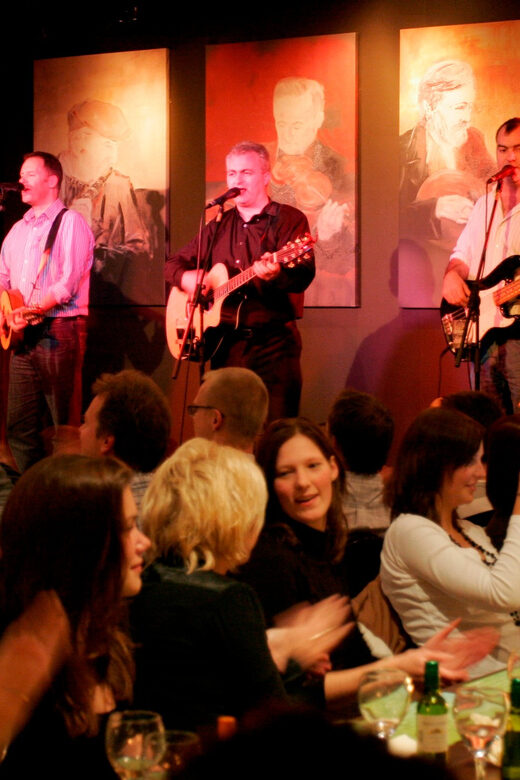
A highlight in several accounts is how the day can stretch into pub culture in a way that feels connected, not random. The finish point is by the Ha’penny Bridge, and the guide’s style often leads into pub recommendations and Irish craft details.
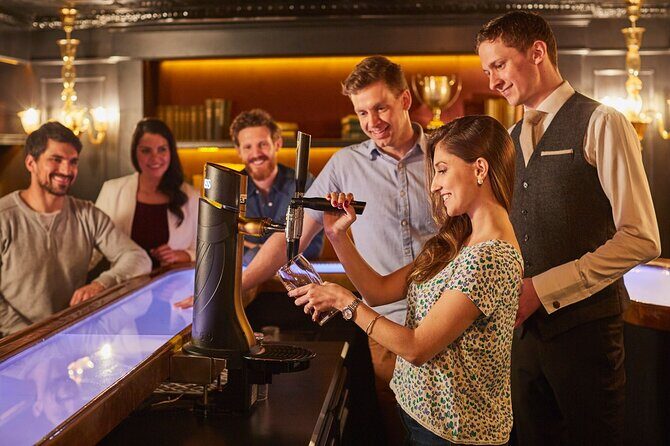
In some experiences, the guide helps people do fun Guinness moments—like learning how to pour a pint. In other cases, he’s offered solid lunch direction, pointing people toward places such as O’Neill’s (including mentions of cottage pie).
Is that guaranteed? No. This walking tour is still about the history route. But the bonus effect is clear: when your guide has a real sense of Dublin, the end of the tour becomes more useful than just “walk to the next thing.” You leave knowing where to go next and how to make it feel like Dublin, not just another stop on a checklist.
Who should book this tour (and who might want something else)
You’ll likely love this tour if:
- you’re in Dublin for a short time and want a focused historical grounding
- you care about the 1916 Rising and want a story you can carry through later visits
- you want a guide who can keep things lively, not stiff
- you like small groups and don’t want to yell over other people
You might want a different option if:
- you expect every major indoor attraction to be included in the ticket price
- you want a long, museum-style schedule with lots of time inside buildings
- you prefer a more self-guided experience where you set the pace entirely
Should you book this Historical Walking Tour of Dublin?
If you want an efficient, readable introduction to Dublin’s 1916-era story, I think you should book. The route is central, the walking time is manageable, and the small group size makes the tour feel more human than production-line sightseeing.
Just go in with one smart expectation: carry a little extra cash for admission options, because the tour notes that tickets for key places aren’t fully included. If you do that, you’ll turn this into a great first-day (or first-half-day) experience and leave ready to explore on your own from the Ha’penny Bridge area.
FAQ
FAQ
How long is the Historical Walking Tour of Dublin?
It runs for about 1 hour 45 minutes.
Where do I meet for the tour?
You meet at The Spire, O’Connell Street Upper, North City, Dublin.
Where does the tour end?
The tour ends at or near the Ha’penny Bridge Inn, 42 Wellington Quay, Temple Bar, Dublin 2.
What language is the tour offered in?
The tour is offered in English.
Is this a small-group tour?
Yes. The tour has a maximum of 15 travelers.
Are admission tickets included?
Not entirely. The tour specifically notes that not all admission tickets are included, so you should bring extra cash if you plan to enter any ticketed sights.
What kind of ticket do I get?
You get a mobile ticket.
Does the tour run in all weather?
It requires good weather. If it’s canceled due to poor weather, you’ll be offered a different date or a full refund.
Are service animals allowed?
Yes. Service animals are allowed.
What is the cancellation policy?
You can cancel for a full refund up to 24 hours before the experience starts. If you cancel less than 24 hours before, the amount you paid is not refunded.