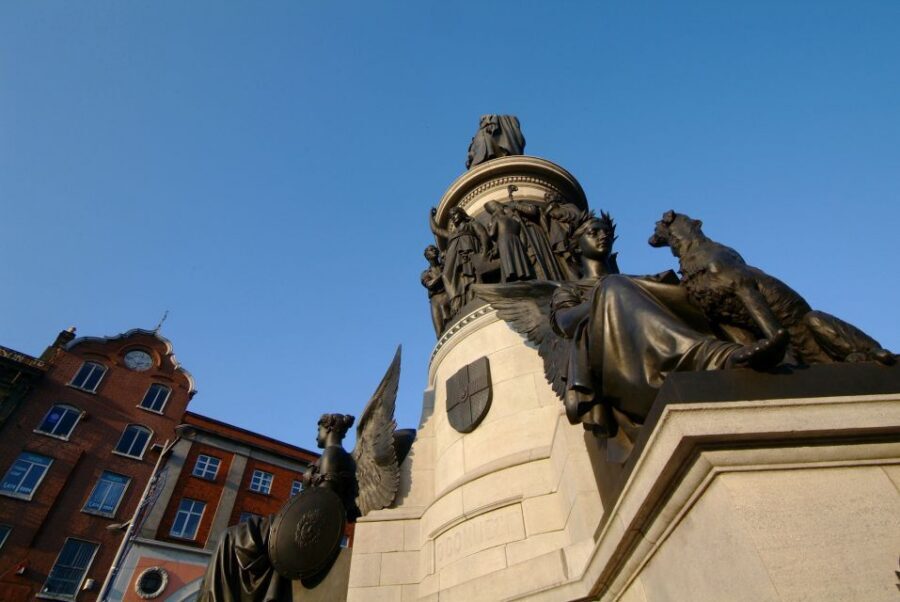
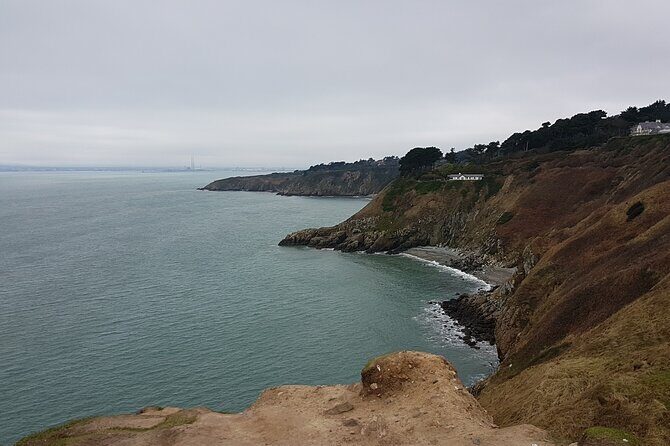
Irish songs start this Dublin walk. You’ll begin at 23 Wellington Quay, with the Irish-music energy of Claddagh Records leading you straight into what the Claddagh ring means and why it’s still a big deal. I like that the tour doesn’t treat music as background noise; it treats it like a story you can walk through.
You’ll also get a strong stop at the Wall of Fame, where the guide connects plaques to musicians you actually recognize, including tributes to U2 and Sinéad O’Connor. I like that the walking route stays focused on the same question: how Dublin creativity shows up in street-level landmarks.
One thing to consider: this is a 3-hour city-center loop on foot, so if you want slow, quiet sightseeing, the busy streets around Temple Bar and Grafton Street may feel like a lot.
In This Review
- Key highlights you’ll remember
- Entering Dublin through Irish music at Claddagh Records
- The Wall of Fame turns famous names into real street history
- Temple Bar: tradition and creativity in the same few blocks
- Ha’penny Bridge: a landmark with a real meaning
- College Green and Trinity College: political past meets academic present
- Molly Malone statue: the folklore behind Cockles and Mussels
- Grafton Street finish: a lively end that’s easy to extend
- Price and value: is $62 worth 3 hours of walking?
- Group size, private options, and languages that matter
- How to get the most out of the walk
- Is this Dublin highlights walk a good match for you?
- Should you book this tour or skip it?
- FAQ
- How long is the Dublin Highlights and Hidden Gems Walking Tour?
- Where does the tour start and end?
- What’s included in the tour price?
- Is this tour wheelchair accessible?
- What languages are available for the live guide?
- Is private group available?
- What’s the cancellation policy?
Key highlights you’ll remember
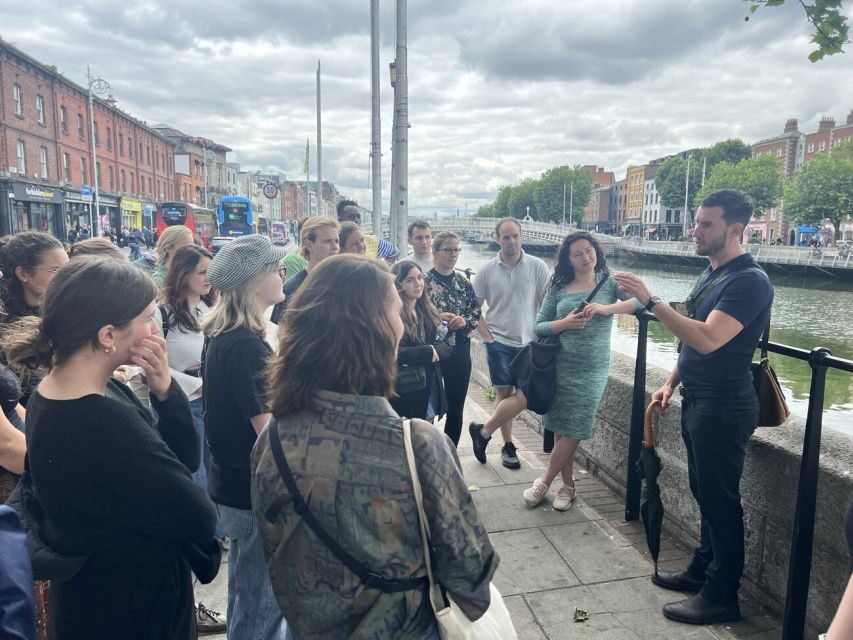
- Claddagh Records + the Claddagh ring story starts the tour with meaning, not just music
- Wall of Fame plaques bring famous Irish artists into the street-view
- Temple Bar shows the working side of Dublin creativity and tradition
- Ha’penny Bridge gets historical context beyond postcard photos
- Trinity College at College Green adds an academic angle to the day
- Molly Malone statue ties Dublin folklore to the song most people know
Entering Dublin through Irish music at Claddagh Records
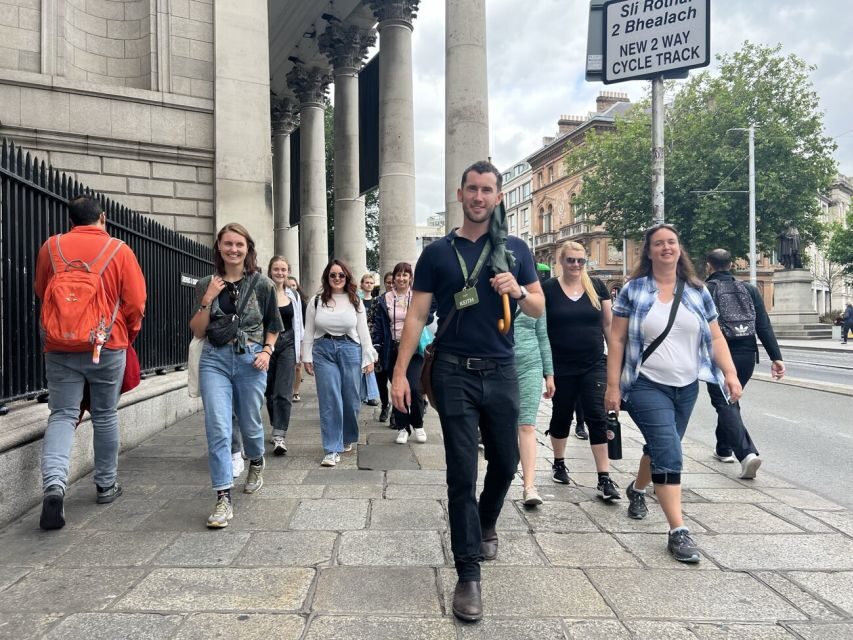
I love when a walking tour starts with a place you might actually miss if you’re just speed-walking landmarks. Here, you meet at 23 Wellington Quay and step into Claddagh Records, where Irish music spills right into the experience. The guide also explains the significance of the Claddagh ring, which is a smart move because it gives you a symbol to keep in your head as you move through the city. Instead of hopping from sight to sight, you’re learning how Dublin’s culture shows up in everyday icons.
This first stop sets the pace. You get a clear tone for the rest of the walk: history and culture are happening right in front of you, and the guide’s job is to point at the details you’d otherwise overlook. If you like street-level storytelling, this is the right kind of start.
A practical note: it’s a walking tour, and your best strategy is simple. Listen first, then look around and snap photos. If you do it the other way, you’ll be guessing what you just saw.
You can also read our reviews of more walking tours in Dublin



The Wall of Fame turns famous names into real street history
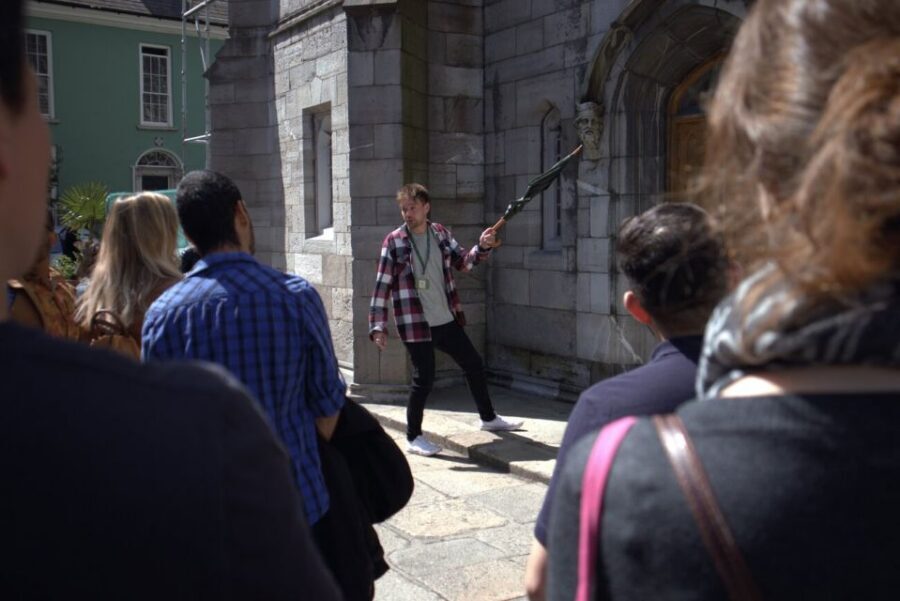
Next comes one of the most fun sections because it’s interactive in your head. The Wall of Fame is covered with tributes to legendary Irish musicians, and the tour gives you anchors—big names like U2 and Sinéad O’Connor—so it’s not just reading labels. The guide connects those tributes to the people and the cultural impact behind them.
This is one of the most highly praised parts of the experience. Feedback highlights the kind of guide who knows how to make Dublin feel personal, not museum-distant. One guide name that shows up in comments is Catherine, described for competence and passion for Dublin and Irish history. Even if you don’t have Catherine, that style matters here: you want someone who can connect music history to place.
Why this stop is worth your time: it’s a shortcut. You get context without having to stop and research each artist on your phone. And because it’s outdoors, the learning sticks. You’re still moving, still seeing Dublin, but your brain is also building a timeline.
Temple Bar: tradition and creativity in the same few blocks
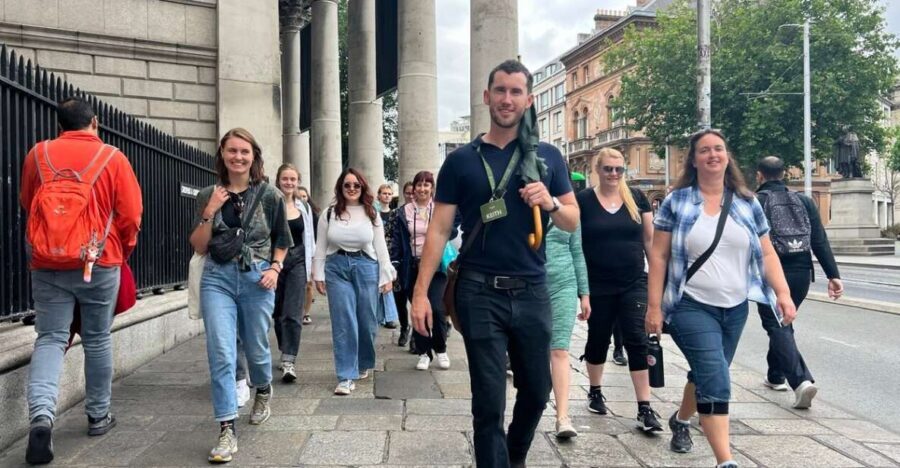
After the Wall of Fame, the tour moves into Temple Bar, the area most people think of when they picture Dublin nightlife and pubs. What’s useful on this stop is that you’re not just walking through for the scenery. The guide frames what Temple Bar represents: tradition meeting creativity, with the vibe shaped by music, performance, and street energy.
Also, you’ll notice how the streets feel different here. Temple Bar is where the city turns louder and more performance-friendly. You’ll pass through it as part of an actual route, not as a random detour. That means you’re less likely to get stuck in the busiest corners for no reason, and more likely to get the story with the walk.
If you’re the type who likes to understand why a neighborhood feels a certain way, this section delivers. If you’re someone who hates crowds, you’ll still be fine—you’ll just want to keep your pace steady and avoid lingering in the densest blocks. The tour is designed for flow.
Ha’penny Bridge: a landmark with a real meaning
Then you hit Ha’penny Bridge, and this is where the tour adds depth. It’s one of those places that looks simple in a photo, but the guide explains why it matters historically—framed as a symbol of Dublin’s resilience and evolution.
Crossing the bridge is also a nice break from the stop-and-start feeling. You’re moving over a specific point in the city, and you get a moment to reset your eyes. On this kind of tour, that matters. If every minute is new information, you miss the city itself.
A small strategy tip: when you approach the bridge, take a quick glance around before the guide launches into context. Once the story begins, look at the surrounding streets and buildings as if you’re mapping the city. It helps you remember the place, not just the facts.
College Green and Trinity College: political past meets academic present
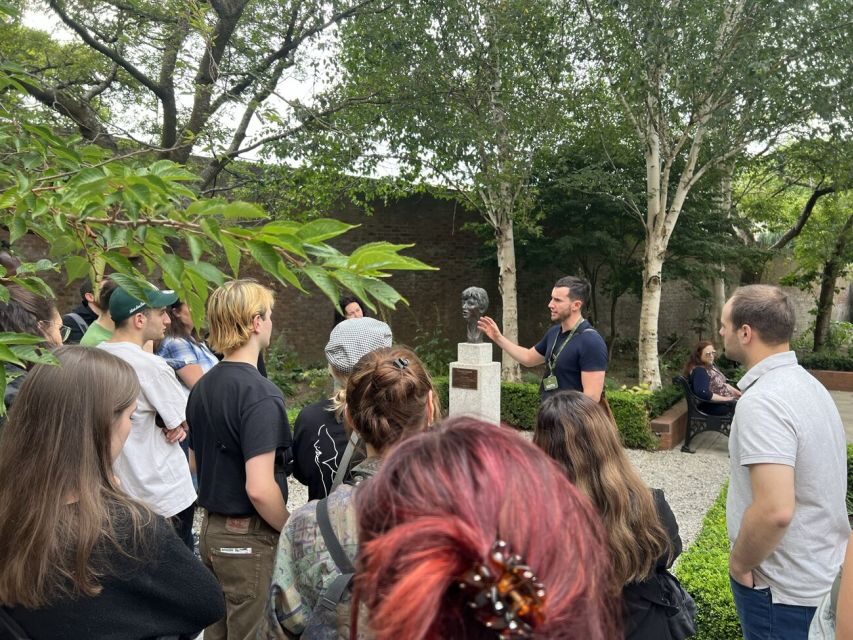
From there, you walk through College Green and toward the grounds of Trinity College. This stop has a strong two-part payoff. First, you learn that College Green used to be a political epicenter. Then the guide brings you to the fact that it’s now tied to centuries of academic prestige.
That contrast is the value here. Dublin doesn’t only change in big dramatic events. It changes in what happens to space. College Green is a good example: the same area can carry politics, then scholarship, then daily city life—often within walking distance of your last stop.
You’ll likely feel the difference immediately. The mood shifts from entertainment-focused streets to a more formal, institutional atmosphere around the college grounds. Even if you’re not visiting the campus buildings, the guide helps you understand why the space has weight.
If you’re traveling with limited time and want at least one stop that feels grounded and educational without turning into a lecture, this is the one.






Molly Malone statue: the folklore behind Cockles and Mussels
Now you get to one of Dublin’s most recognizable figures: the Molly Malone statue. This is where the tour threads folklore into a pop-culture moment. The guide explains the song connection, tying it to the story people associate with Dublin’s famous Cockles and Mussels.
The fun part is that this doesn’t feel like a dry history lecture. You’re learning why the statue matters and how a catchy tune can carry a whole slice of a city’s identity. That’s a useful lens for Dublin. You can’t always separate “history” from “storytelling” here—they blend.
You’ll probably want to pause for photos. Just don’t rush the explanation, because the meaning is the point. The statue is a recognizable image; the guide makes it a recognizable story.
Grafton Street finish: a lively end that’s easy to extend
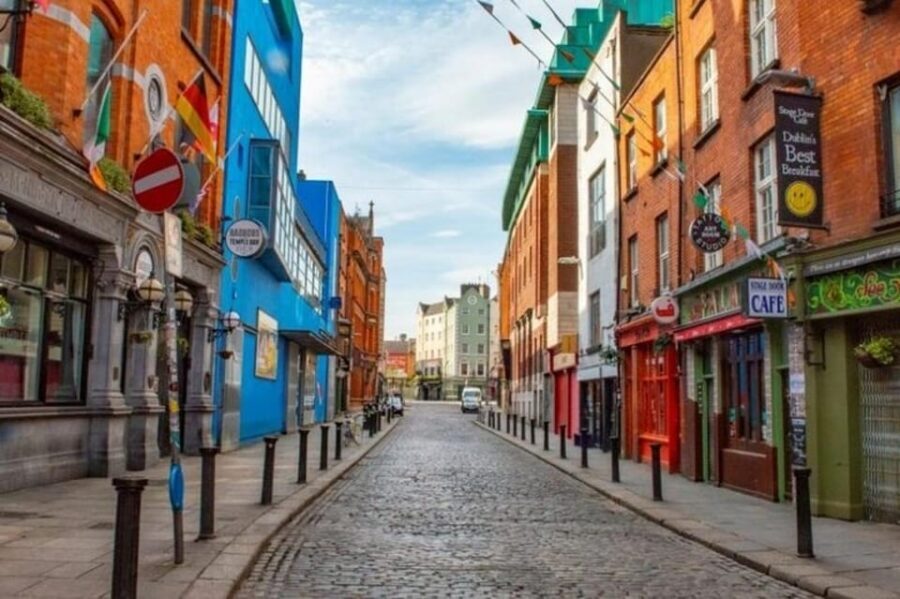
The tour ends back at the meeting point, and the final segment lands you on Grafton Street, one of Europe’s busiest shopping streets. Even though it’s a shopping area, you’re not just passing storefronts. The guide times the finish so street performers and musicians add to the scene.
This ending works for practical reasons. By the time you reach Grafton Street, you’ve built context for what you’ve seen. So when you notice music in the street or people calling out across the sidewalks, you understand you’re watching the city’s culture keep moving.
If you want to keep the day going, Grafton Street is a logical place to do it because it’s central and easy to navigate.
Price and value: is $62 worth 3 hours of walking?

The price is $62 per person for a 3-hour guided walking tour. For central Dublin, that’s not an impulse deal, but it also isn’t overpriced—especially because you’re paying for a live guide who connects multiple landmarks under one theme.
Here’s the value equation I see:
- You’re getting a curated route that ties together Irish music (Claddagh Records and the Wall of Fame) with major sights (Temple Bar, Ha’penny Bridge, Trinity/College Green, Molly Malone).
- You’re not on your own doing the guesswork of what each stop means.
- You’re likely to get more out of the walk because the guide is actively explaining the symbols and stories, like the Claddagh ring and the folklore behind Cockles and Mussels.
If you already know a lot of Dublin music and want to roam freely, you could do this route independently. But if you want meaning without spending hours researching, the guide value is real. And at this length, you get a full sweep without committing to an all-day itinerary.
Group size, private options, and languages that matter
You can join as a group or book a private group available option, depending on what you select. That matters because some people want shared energy, while others want quieter pacing and more direct answers.
The tour also runs with a live English guide, with other languages available: Spanish, French, and Italian. That’s a practical win if language comfort is part of your travel plan. Being able to follow the stories clearly makes the whole route work better.
The tour is also wheelchair accessible, which is good to know if you want Dublin highlights without a big logistics headache.
How to get the most out of the walk
You’ll enjoy this tour more if you treat it like a guided story walk, not a checklist. Here are a few low-effort moves that help:
- Wear comfortable shoes. The route is short on paper, but it’s still three hours of city walking.
- Keep your camera ready but don’t start shooting the moment you arrive at each stop. Listen first, then look.
- If you ask a question, ask something that connects two stops, like how Irish music influenced Dublin street culture. The guide’s role is to make those links.
Also, you’ll see the tour provider mentioned as Guydeez Travel SL. The important part for you is the human factor: a guide who can explain why these landmarks matter is what makes the difference between a good walk and a memorable one.
Is this Dublin highlights walk a good match for you?
This tour is a strong fit if you:
- like music and want Dublin explained through Irish culture
- want to see major central sights without building an itinerary
- prefer a live guide to connect the dots for you
It may be less ideal if you:
- hate walking in busy areas like Temple Bar and shopping streets
- want long breaks at each landmark instead of a steady route
One extra confidence boost: the rating is 4.4 with 12 reviews, and the feedback you have emphasizes the guide’s competence and passion—especially mentions of Catherine for historical enthusiasm.
Should you book this tour or skip it?
Book it if you want a guided Dublin walk that’s built around Irish music and storytelling, not just sightseeing. The stops fit together logically: music icons first, then the neighborhoods and landmarks that help explain why Dublin feels like Dublin. At $62 for 3 hours, you’re paying mainly for the guide’s connections and the time saved by not figuring it out yourself.
Skip it if you already have a solid Dublin plan and don’t need interpretation. But if you want meaning with your walking, this one is an efficient way to get there.
FAQ
How long is the Dublin Highlights and Hidden Gems Walking Tour?
It lasts 3 hours.
Where does the tour start and end?
You meet your guide at 23 Wellington Quay. The activity ends back at the meeting point.
What’s included in the tour price?
The price includes a walking tour with a guide, either private or group depending on the option you choose.
Is this tour wheelchair accessible?
Yes, it’s listed as wheelchair accessible.
What languages are available for the live guide?
The live guide is available in English, Spanish, French, and Italian.
Is private group available?
Yes, there is a private group available option.
What’s the cancellation policy?
There is free cancellation up to 24 hours in advance for a full refund.