REVIEW · DUBLIN
Windmill Lane Recording Studios – Visitor Experience
Book on Viator →Operated by Windmill Lane Recording Studios · Bookable on Viator
A working recording studio in Dublin sounds like a dream. Windmill Lane is that dream in real life: you get a guided look behind the scenes, plus hands-on mixing during a tight 1-hour visit. You’ll also hear how sessions run and why certain studio choices matter for the final sound.
Two things I really like about this experience are the interactive parts and the fact that it’s made for more than just die-hard music people. You’ll learn how a session works, meet the virtual band, and then mix your own session while a guide explains what you’re hearing.
One consideration: this is a working studio, so you should book ahead and plan to show up ready to move through the space at a moderate pace.
In This Review
- Key highlights to know before you book
- Windmill Lane Studios: what you’re really buying in Dublin
- Price and value: is $31.44 worth 1 hour?
- Getting to the meeting point at 20 Ringsend Rd
- Inside the studios: history you can actually picture
- The recording session walkthrough: how sound becomes a track
- Meet the virtual band: learning by doing, not by watching
- Mix your own session: the hands-on moment that sells the tour
- What the group size feels like in real life
- Who should book this studio tour (and who can skip it)
- Should you book Windmill Lane for your Dublin trip?
- FAQ
- How long is the Windmill Lane visitor experience?
- What does the tour cost?
- Where do I meet for the tour?
- Is there a mobile ticket?
- Is the tour offered in English?
- How big are the groups?
- Do I need to be very fit?
- Are service animals allowed?
- What cancellation options do I have?
- Is advanced booking recommended?
Key highlights to know before you book
- Working-studio access: you’re touring rooms that are actually used for recording.
- Studio history with real context: the guide ties the building to the kinds of sessions it supports.
- See how recording sessions work: it’s not just photos and legends; it’s process.
- Meet the virtual band: an interactive element that helps you understand sound and timing.
- Mix your own session: you get a hands-on moment to try the controls and hear choices.
- Small groups (max 15): more time for questions and a calmer experience.
Windmill Lane Studios: what you’re really buying in Dublin
Windmill Lane Recording Studios has a reputation that reaches far beyond Dublin, and the best part of this tour is that it doesn’t treat that fame as a museum display. You’re walking through an active studio environment where the sound tech, the rooms, and the workflow all still matter. That makes the tour feel practical, not just “look what famous people did here.”
The tour is also friendly to first-timers. You don’t need to know recording gear to enjoy it, because the guides do a good job translating what’s happening into plain language. If you do like music production, you’ll likely catch extra details as the guide points out equipment and choices that affect the final mix.
And yes, it’s a very Dublin experience in a way that’s different from the usual postcard stops. You’ll spend your time in a part of the city that feels more local, and you’ll leave with a better sense of how songs go from performance to finished recording.
You can also read our reviews of more tours and experiences in Dublin.



Price and value: is $31.44 worth 1 hour?
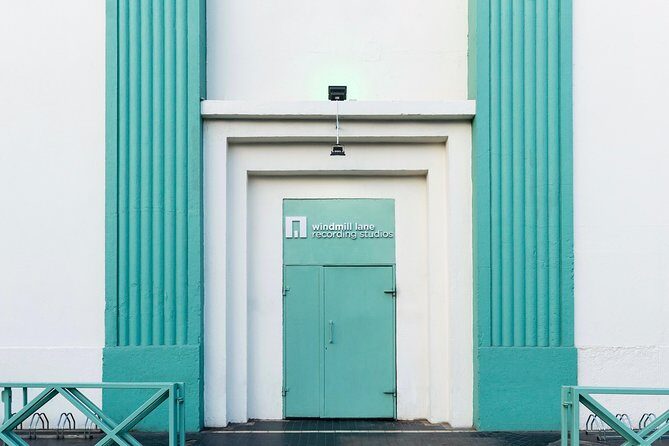
At $31.44 per person for about 1 hour, this is priced like a focused activity rather than a long sightseeing day. The value comes from the hands-on elements: you get guided access, a sound-focused demonstration, and time to mix your own session instead of just watching from the sidelines.
A big part of “value” here is what you’re not paying for. You’re not booking separate add-ons for a workshop, and you’re not spending the whole time in a lecture. The pacing stays tight, which helps if you’re trying to fit Dublin into a busy itinerary.
One more useful clue: this tour is often booked in advance (on average, about 33 days ahead). If you wait until the last week, you may find fewer time slots left, especially with the small group size.
Getting to the meeting point at 20 Ringsend Rd
You’ll meet at 20 Ringsend Rd, Dublin 4 (D04 CF66), and the tour ends back there. The good news is that it’s near public transportation, so you’re not stuck if you’re coming from downtown.
If you’re staying around Trinity College, you might find it’s an easy walk. One reviewer specifically described a 20–30 minute walk from the Trinity area, which can be a nice way to avoid extra transit stops and see a less-touristy stretch of Dublin.
Wear comfortable shoes. Even though it’s only about an hour, you’ll be moving through studio spaces, and it helps to be able to stand and walk without fuss.
Inside the studios: history you can actually picture
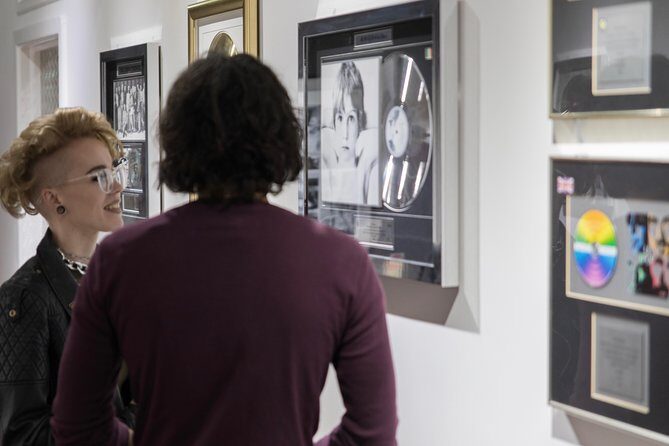
The tour starts with a guided walkthrough of the world-famous studios and their history. This isn’t just name-dropping; the guide connects the stories to what the rooms are built for and why certain approaches work there. You’ll hear about bands that recorded at Windmill Lane, and you’ll also get a sense of how the studio environment shapes recordings.
You may also see more than one recording space. Some visitors mention touring three different studios, which is a big deal because each room tends to encourage a different sound and setup. Even if you can’t explain audio engineering yet, it helps to see how the studio layout affects what musicians can do.
The guides are a big part of the value. People specifically mention guides including Maria, Marie, Naomi, and Ross, with several noting they were technical enough to answer detailed questions. One common theme is that the tour feels like it’s led by people who genuinely work with sound for a living.
The recording session walkthrough: how sound becomes a track
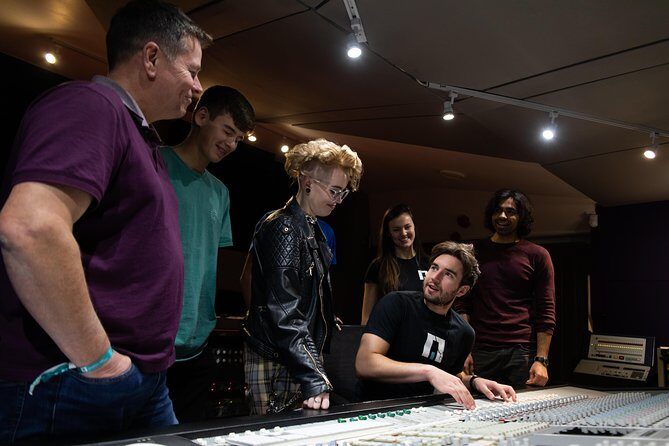
After the history, the tour shifts into process: how a recording session works. This is where the tour becomes useful for everyone, even if you’re not a music nerd.
You’ll learn what happens before recording and what happens during setup, plus how engineers think about capturing performance. The goal is to show you the chain from what’s in the room to what ends up on a record: placement, levels, and the way mixing changes your perception of the track.
A helpful detail from visitor feedback is that the tour includes a sound demonstration. That makes the lesson stick. Instead of only hearing words, you get a chance to experience how changes in the way audio is handled can affect what you hear.



Meet the virtual band: learning by doing, not by watching
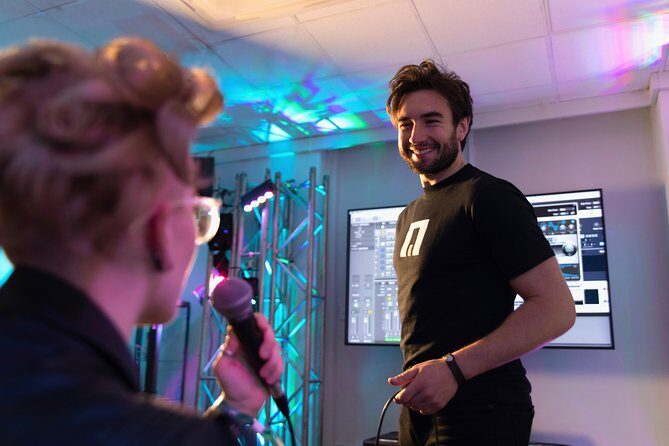
One of the most unique parts of this tour is the virtual band component. The idea is simple but clever: you interact with a guided audio experience that helps you understand how recordings are layered and controlled.
This is especially good if you don’t know what to listen for yet. The virtual band format gives your ears something to track, and it turns the tour into an active learning experience instead of a passive one.
If you’re traveling with teens or anyone who gets restless during normal tours, this is usually the section that keeps attention. It gives you a reason to focus on sound, timing, and mixing choices.
Mix your own session: the hands-on moment that sells the tour

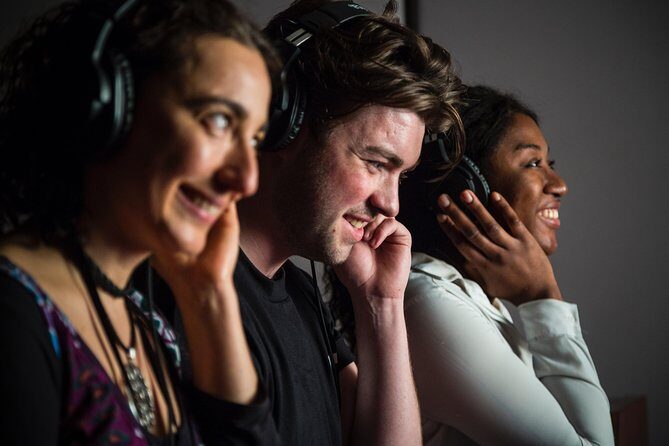
Then comes the part that most people remember: you mix your own session. This is the hands-on payoff. You’re not just hearing about mixing; you’re touching the process and making choices that change what the audio sounds like.
Even if you’re brand new, the mix part helps you understand why recording studios are built around more than microphones. It’s about how engineers shape balance, clarity, and impact so the final track feels intentional.
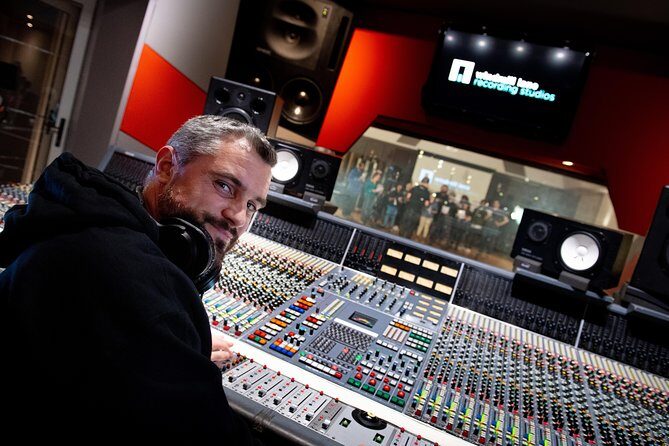
Several reviews mention the tech in memorable terms, including a chance to see the Neve analog board. That kind of equipment is more than a flex. Seeing (and learning about) classic gear helps explain why certain studios have a recognizable sound, and why engineers still care about analog character alongside modern tools.
What the group size feels like in real life
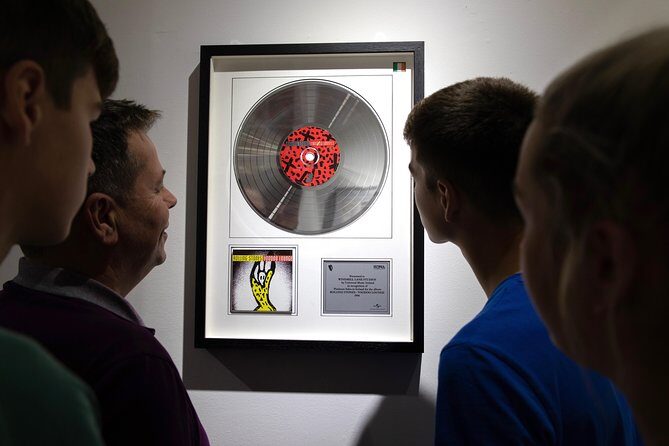
With a maximum of 15 travelers, this tour avoids the “herded through a hallway” problem. In practice, smaller groups mean the guide can slow down if someone asks a good question, and you don’t feel like you’re in the way.
That matters because a studio tour benefits from conversation. If you’re curious about how a mix changes when you adjust certain controls, you’ll want time for answers. With this size limit, the experience stays human.
Also, the visit is short enough that you’re unlikely to get bored. At roughly 1 hour, it’s easier to keep energy up, and it’s easier to fit into a day that already includes other Dublin stops.
Who should book this studio tour (and who can skip it)
This is ideal if you like music, but it’s also a smart choice if you’re curious about how things get made. If you’ve ever wondered why a track sounds huge in one recording and tight in another, you’ll get a lot out of the studio explanation and the mixing activity.
It’s also a strong pick for families who want something more interesting than standard sightseeing. Reviewers highlight that people with different levels of music interest still enjoy it, because the tour includes both history and practical instruction.
You might skip it if you want long, high-volume sightseeing. This is a studio experience, not a walking tour of Dublin’s big landmarks. If your heart is set on sampling lots of neighborhoods, plan this as one focused block rather than your whole day.
Should you book Windmill Lane for your Dublin trip?
Yes, if you want a unique, working-studio experience that’s interactive and not overly long. At $31.44 for about an hour, the mix-your-own section is the kind of activity you can’t easily recreate on your own, and the small group size keeps the experience personal.
I’d book early if you already know your dates. With the studio being a working operation and spots filling ahead of time, advanced reservation makes your schedule easier and your odds better.
If you’re torn, use this rule: if you’d enjoy learning how recorded music is made, book it. If you only want famous sights and nonstop wandering, you might find it too focused. For the rest of us, Windmill Lane is a smart, memorable way to see Dublin through sound.
FAQ
How long is the Windmill Lane visitor experience?
The tour is approximately 1 hour.
What does the tour cost?
The price is $31.44 per person.
Where do I meet for the tour?
You meet at 20 Ringsend Rd, Dublin 4, D04 CF66, Ireland, and the tour ends back at the same meeting point.
Is there a mobile ticket?
Yes, the experience offers a mobile ticket.
Is the tour offered in English?
Yes, it is offered in English.
How big are the groups?
The maximum group size is 15 travelers.
Do I need to be very fit?
The experience requests moderate physical fitness. Since it’s a studio setting, you should be comfortable walking and standing for about an hour.
Are service animals allowed?
Yes, service animals are allowed.
What cancellation options do I have?
You can cancel for a full refund if you cancel at least 24 hours in advance of the start time.
Is advanced booking recommended?
Yes. Since Windmill Lane is a working recording studio, advanced booking is essential.