REVIEW · WATERFORD
Waterford Treasures: Medieval Museum Entry Ticket
Book on GetYourGuide →Operated by Waterford Treasures · Bookable on GetYourGuide
Medieval Waterford fits in under an hour. This ticket gets you inside Ireland’s only purpose-built medieval museum, with two ancient undercrofts and a quick walk through centuries of Waterford life. I especially loved the 15th-century cloth-of-gold church vestments and the hands-on feeling of being in spaces tied to real medieval work, not just a slideshow. One thing to watch: the guided tour is included only subject to availability, and if you’re counting on a guide, you’ll want to ask at the reception desk right when you arrive.
Plan for about 45 minutes for the visit time, with starting times that vary based on availability. You’ll begin at the reception desk, then choose a guided route or go self-guided, and you’ll move through two medieval chambers plus the vaults that connect to Waterford’s long story. If you’re hungry afterward, the Bishops Palace Café is there for meals, and the gift shop is available if you want a small souvenir.
In This Review
- Key points to know before you go
- Waterford Treasures: Medieval Museum Entry—What You’re Really Buying
- Entering the museum: Reception desk first, then your tour style
- Undercrofts and medieval rooms: Why the 13th-century spaces feel different
- The wine vault (1440) and the 15th-century vault experience
- The Viking Triangle angle: 1,000+ years in a small stop
- The treasures: cloth-of-gold vestments and the Great Charter Roll
- Guided tour included—if it’s available, and how to avoid the letdown
- Timing: How to fit a 45-minute museum visit into your day
- Where food and souvenirs fit: Bishops Palace Café and the gift shop
- Wheelchair access: What you should expect
- Price and value: Is $15 worth it?
- Who should book this medieval museum ticket?
- Should you book Waterford Treasures?
- FAQ
- How long is the Medieval Museum ticket experience?
- Is a guided tour included with the ticket?
- Where do I go when I arrive?
- What is included in the $15 per person ticket?
- What is not included?
- Is it wheelchair accessible?
Key points to know before you go
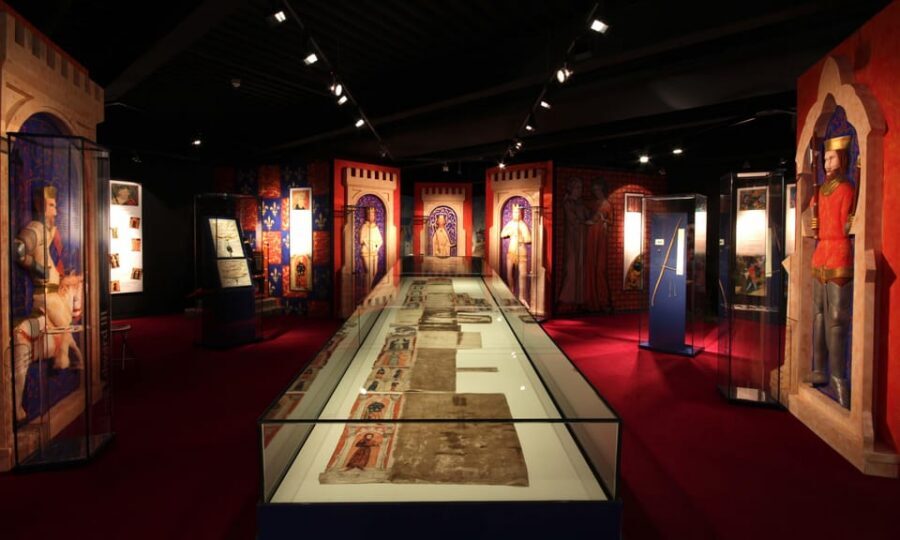
- Ireland’s only purpose-built medieval museum means the building itself is part of the story, including its undercrofts.
- Choristers Hall (1270) gives you a clear stop in the 13th century, not a vague medieval blur.
- Wine vault (1440) is a rare chance to see how medieval storage space shaped daily life.
- Major treasures on display, including the Great Charter Roll and the famous cloth-of-gold vestments.
- Guided tour is optional by availability, so confirm your plan at the reception desk when you arrive.
Waterford Treasures: Medieval Museum Entry—What You’re Really Buying
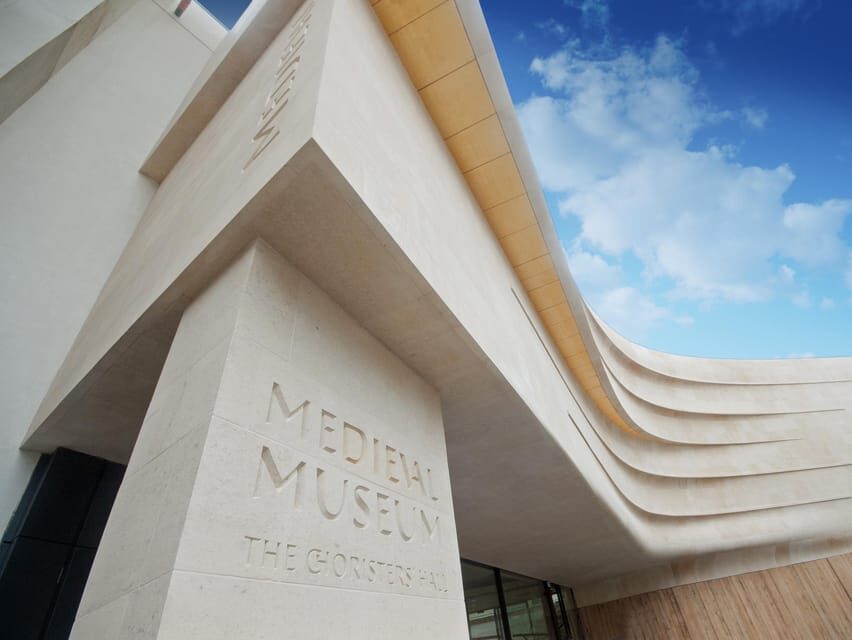
For $15 per person, you’re not paying for a long day trip. You’re buying access to a compact, high-density museum experience focused on medieval Waterford—13th to 15th century spaces, real artifacts, and the city’s wider timeline tied to the Viking Triangle.
The “purpose-built” part matters. This isn’t a modern museum stuck into an old building just because it was available. The museum’s layout is built around its medieval bones—especially its undercrofts. That’s why you feel like you’re moving through centuries instead of just standing in galleries for an hour of reading labels.
If you like history that’s tied to places (stone rooms, vaults, chambers), this ticket makes sense. If you’re expecting a big, hours-long museum with dozens of rooms, you may find the time tight—because it is designed to be short.
A few more Waterford tours and experiences worth a look


Entering the museum: Reception desk first, then your tour style
When you arrive, go straight to the Reception desk at the Medieval Museum. That’s where the staff will check what’s running that day. You’ll hear whether you can join a guided tour or whether you’ll start self-guided.
This is also where you should set your expectations. The museum includes a guided tour with your ticket, but it’s subject to availability. That wording matters, because if you’re paying extra attention to a guide’s presence, you want to verify the plan immediately.
You’re also told upfront that guided tours depend on what’s available, so there’s no need to guess your way through. Ask. Then move on.
Undercrofts and medieval rooms: Why the 13th-century spaces feel different
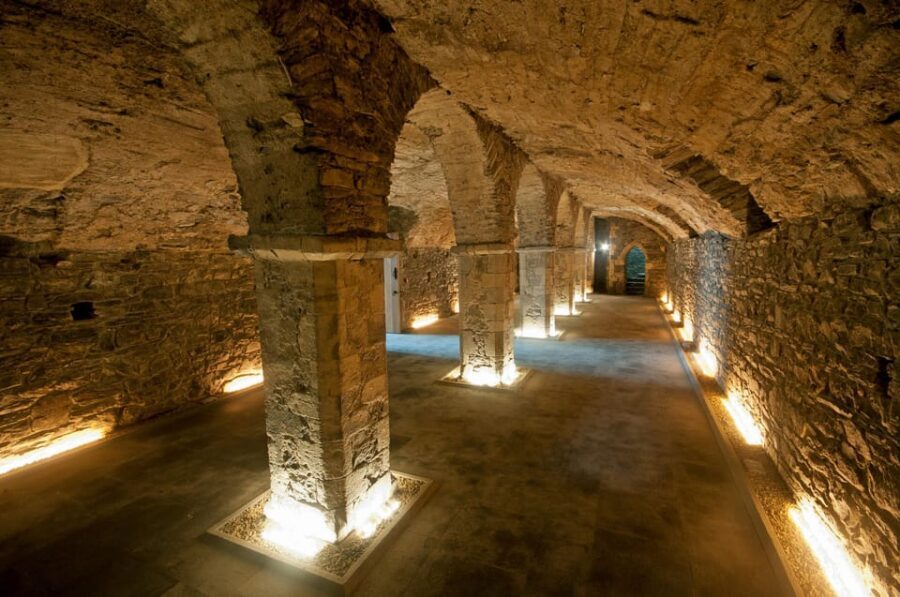
The visit starts in the undercrofts, stepping you into medieval Waterford in a way that’s hard to fake. Undercrofts are naturally cooler, darker, and more physical than typical gallery rooms. Even if you don’t love architectural jargon, you’ll feel the difference right away: these are spaces built for medieval purposes, and the museum uses that setting instead of trying to hide it.
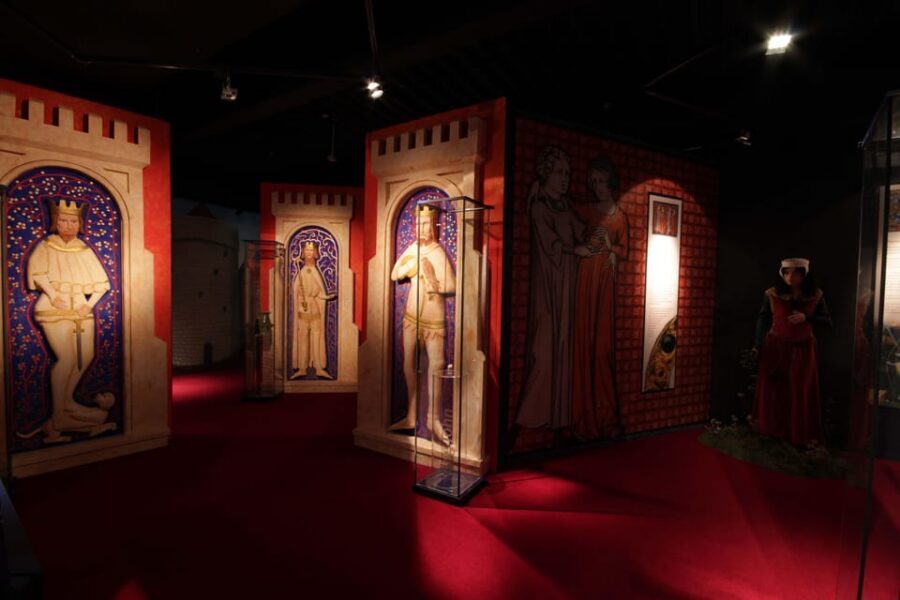
From there, you tour Choristers Hall (1270), a 13th-century hall tied to the way medieval institutions worked. The name is a clue: choristers are about music and worship, meaning the room isn’t just about craft or trade. It’s about community life and ceremony too.
What I like about this stop is how it gives you a specific anchor year—1270. Instead of a general medieval vibe, you get a timestamp, and that makes everything else you see more meaningful.
The wine vault (1440) and the 15th-century vault experience
Next up is the wine vault (1440) and the broader 15th-century vault areas. A wine vault is one of those spaces that sounds simple—until you picture the reality. Storage had to work. Airflow mattered. Temperature mattered. People organized their lives around where food and drink could be kept safely and reliably.
That’s the value here: you get “medieval Waterford” through practical space. Not just stories about kings and nobles. You also learn how everyday systems worked, even in a museum setting.
The museum highlights the 13th and 15th century vaults for a reason. Those rooms give you a strong sense of the time gap between centuries. You’re not repeating the same type of chamber over and over. You’re walking through different medieval needs—ceremony in one era, storage in another.
The Viking Triangle angle: 1,000+ years in a small stop
A big part of Waterford’s appeal is that it sits in layers. The museum’s connection to the Viking Triangle is a way of reminding you that Waterford wasn’t only medieval in the late Middle Ages—it’s older and more complex than that.
The ticket experience frames the visit as spanning over 1,000 years of history, and even if this specific museum visit focuses mainly on medieval spaces, that wider context matters. It keeps you from thinking of Waterford as a single chapter. It’s a timeline with multiple authors.
If you’re using Waterford as a base for a day of sightseeing, this is a good “history reset” stop. You’ll come out with clearer context for what you might see later around the city.
You can also read our reviews of more museum experiences in Waterford


The treasures: cloth-of-gold vestments and the Great Charter Roll
Here’s the part that will make you pause. The museum doesn’t treat medieval art and documents as museum trivia. It places them front-and-center, including major items associated with royalty.
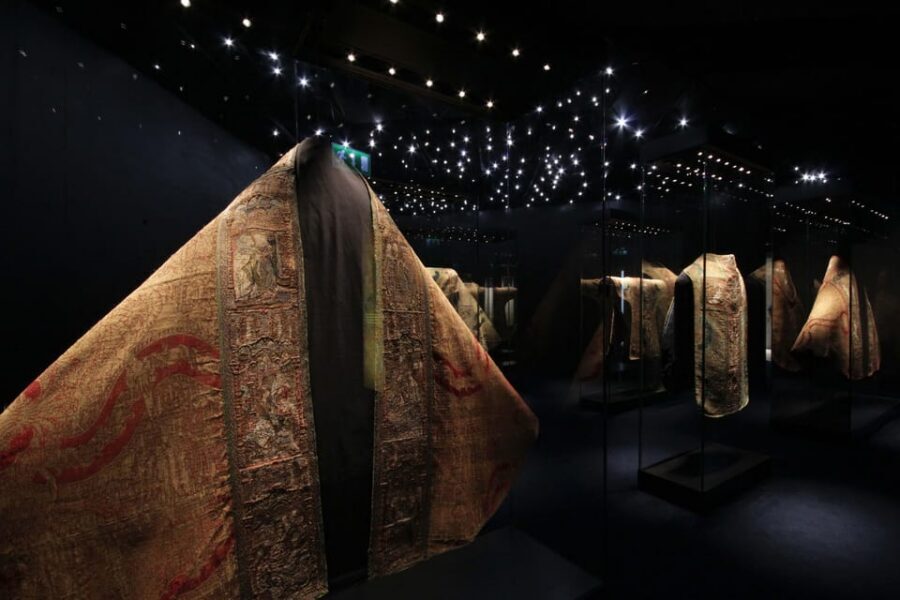
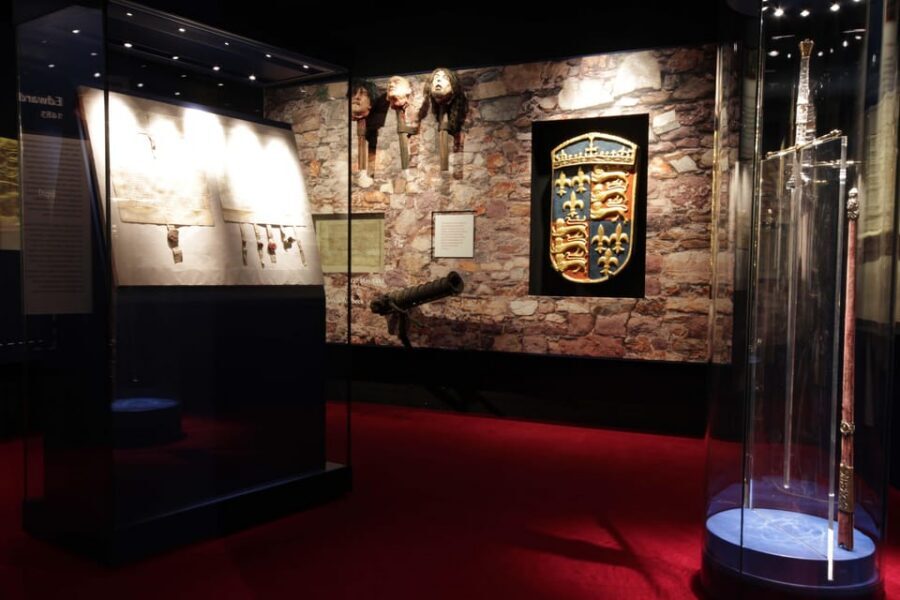
You’ll see 15th-century cloth-of-gold church vestments—the kind of object that instantly communicates power, money, and ceremony. Vestments like this weren’t subtle. They were meant to be seen, to stand out during worship, and to signal importance in a way words never could.
You’ll also encounter the Great Charter Roll, noted in the museum experience as having been viewed by HM King Charles III and the Queen Consort. Even if you’re not a medieval document person, that detail helps you understand the object’s modern significance. It’s not locked away for scholars only; it’s a recognized treasure with a long afterlife.
What makes these stops work in a short visit is that they’re not only “look at the artifact” moments. They connect the artifacts to the rooms around you—especially when you’re moving through hall and vault spaces that feel like they belong to the same world that created such objects.
Guided tour included—if it’s available, and how to avoid the letdown
This is the one area where I’d be practical. Your ticket includes a guided tour, but it’s subject to availability. That means the museum may run self-guided routes if staffing or scheduling doesn’t line up.
So here’s the best approach: arrive on time for your selected starting time, go to the reception desk, and ask what you’re getting. If a guided tour isn’t available at that moment, ask whether self-guided is still the right option for the areas you want to see.
Why the stress? Because the museum’s own structure includes rooms like Choristers Hall and the wine vault that can feel more rewarding with context. Without a guide, you’ll still be able to explore, but you may miss some interpretive glue—how the pieces connect, and what to focus on first.
This isn’t meant to scare you off. It’s meant to help you plan like a grown-up. Short museum experiences are easy to “optimize,” and your best move is to confirm your tour type right away.
Timing: How to fit a 45-minute museum visit into your day
The museum ticket is listed as 45 minutes, but the experience also describes a guided/self-guided visit that can be around an hour depending on how you move through the museum.
Either way, treat it as a quick, focused stop. Come ready to walk at museum speed. If you love reading every label and scanning every display, you may want to choose the self-guided option so you control your pace. If you prefer structure, guided (when available) can help you hit the key chambers without spending extra time deciding what to prioritize.
A smart strategy is to arrive, start with the undercrofts, then keep moving. Save extra time for the treasures section—the cloth-of-gold vestments and the Great Charter Roll—because that’s where you’re most likely to want an extra minute.
Where food and souvenirs fit: Bishops Palace Café and the gift shop
Meals and drinks aren’t included with your ticket, but the museum offers a café option: Bishops Palace Café. If you’re doing Waterford as a half-day or full day, this is convenient. You can finish your medieval circuit, then grab something without trekking across town.
There’s also a Medieval Museum gift shop. If you like taking home proof that you actually went, it’s there. If not, you can ignore it and keep your focus on what you came for: the rooms and artifacts.
Wheelchair access: What you should expect
The ticket is listed as wheelchair accessible. That’s a big plus for planning. Since the experience takes place in undercrofts and chambers, you’ll still want to ask reception about any specific routes or help options on the day you go, but accessibility is clearly on the radar for this attraction.
If mobility is part of your planning, this is the kind of museum where a quick check at the start can save you time later.
Price and value: Is $15 worth it?
At $15 per person, you’re paying for a short, concentrated museum with major highlights. The value doesn’t come from quantity; it comes from focus.
You get:
- access to the museum’s medieval undercrofts,
- guided tour option (if available),
- visits to Choristers Hall (1270) and the wine vault (1440),
- and featured medieval treasures like the cloth-of-gold vestments and the Great Charter Roll.
In plain terms: if medieval Waterford is your theme, this is a cost-friendly way to make that theme tangible. If you’re only vaguely interested in medieval history and you want a long museum experience, you might prefer a larger attraction with more time built in.
Who should book this medieval museum ticket?
I’d point you toward this experience if:
- you want a compact history stop that still feels meaningful,
- you like medieval rooms—vaults, chambers, storage spaces,
- you’re interested in Waterford’s long timeline and its Viking-era context,
- or you want to see standout artifacts like the cloth-of-gold vestments.
It’s also a good fit for people who hate museum time-sink fatigue. This isn’t the kind of tour that drags for half the day.
If you’re someone who needs a guaranteed guided tour regardless of scheduling, you should treat the guide as a bonus, not a certainty—because availability can affect it.
Should you book Waterford Treasures?
I think it’s a strong choice if you like history with atmosphere and you’re happy with a short visit. The museum’s focus—undercrofts, Choristers Hall (1270), the wine vault (1440), and the named treasures—makes your time count.
Just don’t let “guided tour included” lull you into assuming it’s always guaranteed. Go to the reception desk at your starting time and confirm your plan. If you do that, you’ll get a satisfying slice of medieval Waterford without spending your whole day inside.
FAQ
How long is the Medieval Museum ticket experience?
The activity is listed as 45 minutes. Availability can affect starting times, and the museum visit may run around an hour depending on whether you go guided or self-guided.
Is a guided tour included with the ticket?
Yes. A guided tour is included, but it is subject to availability. If it’s not available, you can start a self-guided experience.
Where do I go when I arrive?
Go to the Reception desk at the Medieval Museum. Staff there will help you start either a guided or self-guided experience, depending on what’s available.
What is included in the $15 per person ticket?
The ticket includes entry to the Medieval Museum. It also includes a guided tour of the museum, if available at the time you visit.
What is not included?
Meals and drinks are not included (Bishops Palace Café is available). Souvenirs are not included, though the museum gift shop is on site.
Is it wheelchair accessible?
Yes. The activity is listed as wheelchair accessible.