REVIEW · WATERFORD
Waterford: House of Waterford Factory Tour
Book on GetYourGuide →Operated by House of Waterford · Bookable on GetYourGuide
One hour of crystal magic starts with real tools. The House of Waterford factory tour in County Waterford lets you see how world-famous crystal moves from molten glass to finished sparkle, step by step. You begin with the brand’s origins and end in a showroom built for people who like to look closely at glass.
I especially like the close-up access to the craftspeople’s work. I also like how the tour is structured but unhurried, so you can actually watch and ask questions instead of doing a quick whip-through.
One consideration: this isn’t a shopping-only stop, and souvenirs are not included. If you come for bargains, the retail section may tempt you into spending more than you planned.
In This Review
- Key things that make this tour work
- Why the House of Waterford tour feels like a working studio
- Price and what $20 buys you in real value
- Timing, meeting point, and how to plan your hour
- History Room: Waterford’s story starts with antique pieces
- Mold Room and Blowing Room: wooden molds and molten glass
- The mold room
- The blowing room
- Cutting, sculpting, and engraving: where the work turns into detail work
- Cutting with diamond-tipped wheels
- Sculpting and engraving
- Retail showroom: the biggest display, and how to shop without losing your head
- Guides and the value of asking questions
- Accessibility and who this tour suits best
- Should you book the House of Waterford Factory Tour?
- FAQ
- How long is the House of Waterford factory tour?
- Where does the tour start?
- How much does the tour cost?
- Is the tour guided, and what language is it in?
- What’s included in the tour ticket?
- Is the tour wheelchair accessible and is food included?
Key things that make this tour work

- A step-by-step crystal process: molding, blowing, cutting, then sculpting and engraving
- You’re close to the makers and can ask questions during the tour
- History first, starting in the history room with antique pieces on display
- Precision is the story in the final stages, where detail work takes over
- The retail shop is the payoff, with a huge display of Waterford crystal
Why the House of Waterford tour feels like a working studio

If you’ve ever wondered why Waterford crystal costs what it costs, this tour gives you the best answer in the only language that matters: what your eyes can see. The House of Waterford tour doesn’t treat craft like a black box. It shows you the sequence, the tools, and the skill that keeps the final piece looking effortless.
What makes it different from a typical factory visit is the balance of information and hands-on observation. You start with context, then you move through the process rooms where the glass is actively shaped. The tour is also guided in English, which helps a lot when you’re trying to understand what you’re seeing and why each step matters.
And yes, the showroom matters. Not because it’s just salesy, but because seeing finished crystal after watching the process makes everything click. It turns a product into a craft story you can follow.
You can also read our reviews of more tours and experiences in Waterford.



Price and what $20 buys you in real value

The ticket price is $20 per person, and the tour lasts about 1 hour (check starting times for your day). For many people, this is the first “wait, that’s not just a decorative item” moment. In that hour, you get:
- Guided access to multiple working areas
- A history walkthrough that adds meaning to what’s in front of you
- The chance to watch the transformation stages, not just the finished result
Is $20 cheap? It’s not a free museum drop-in. But compared with many paid attraction hours in Ireland, it’s a smart value because you’re paying for a real craft demonstration with trained workers, not just a slideshow. If you’re the kind of traveler who buys one or two “I’ll never stop thinking about this” items, you’ll likely leave understanding why the pieces have a premium price tag.
Timing, meeting point, and how to plan your hour

The tour starts at The Mall, Waterford City, and it ends back there. Plan to arrive a few minutes early so you’re not rushing when your group is called.
Because the duration is about 1 hour, you’ll want to treat this as a focused stop, not something to squeeze between long meals. The pace works best when you’re ready to watch, look closely, and take questions as they come. Several parts of the process require patience from both the maker and the viewer, and the best tours are the ones where you don’t feel hurried.
One practical tip: wear comfortable shoes. You’ll be moving through different rooms, and even if you’re not walking far, you’ll spend time standing close to the action.
History Room: Waterford’s story starts with antique pieces
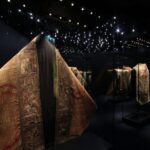
You kick off in the history room, where the tour traces Waterford from its earliest days. This part isn’t just dates on a wall. It’s where you get the basic storyline behind why Waterford crystal became known worldwide.
There are detailed exhibits here, plus antique Waterford pieces on display. Seeing older work early matters because it changes how you interpret the later rooms. When you reach the mold, blowing, cutting, and engraving areas, you’re no longer watching steps in isolation. You’re watching tradition in motion.
If you care about heritage, this is the part that gives the craft a backbone. If you care more about technique, don’t worry. The history section is still tightly connected to the rest of the tour and helps you notice the continuity in design and finish.
Mold Room and Blowing Room: wooden molds and molten glass
After the history stop, the tour moves into the practical heart of making crystal.



The mold room
In the mold room, wooden molds and hand tools are still used by master blowers. That detail is important. It’s a reminder that even with modern equipment for later finishing, the initial shaping keeps a human touch. Watching molds and tools being used gives you a clearer idea of how form is guided from the very beginning.
The blowing room
Then comes the blowing room, where craftsmen transform glowing balls of molten crystal into elegant shapes. This is usually the most eye-catching portion of the tour, not because it’s flashy for the sake of it, but because you can watch the maker’s control.
A good guide helps you understand what you’re seeing: not just that the glass becomes a shape, but that the shape has to be consistent, precise, and controlled enough to survive the next steps. If you pay attention here, the later cutting and engraving won’t feel mysterious.
Cutting, sculpting, and engraving: where the work turns into detail work

Once the piece has its main form, the tour shifts to stages where accuracy is everything.
Cutting with diamond-tipped wheels
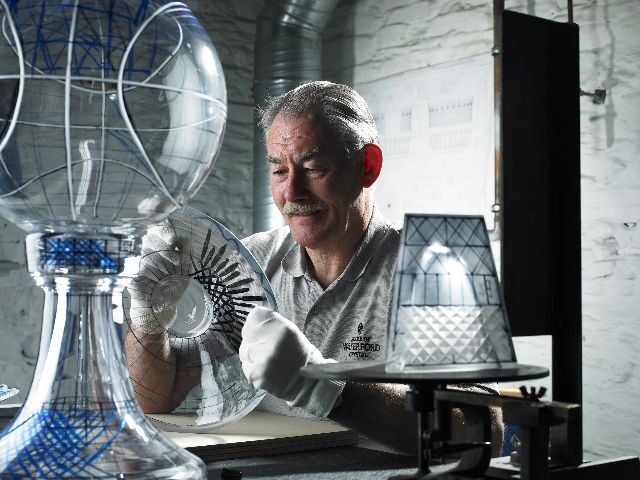
In the cutting department, master craftsmen use industrial diamond-tipped wheels to cut the crystal. This is where you start noticing the “why” behind quality. Diamond-tipped tools help achieve clean, high-quality cuts, and that’s what makes the light play right on the finished object.
Even if you don’t know the terminology, you can usually see the difference in how the crystal responds. The goal is not just cutting, but shaping edges and facets so they reflect light in the way Waterford is famous for.
Sculpting and engraving
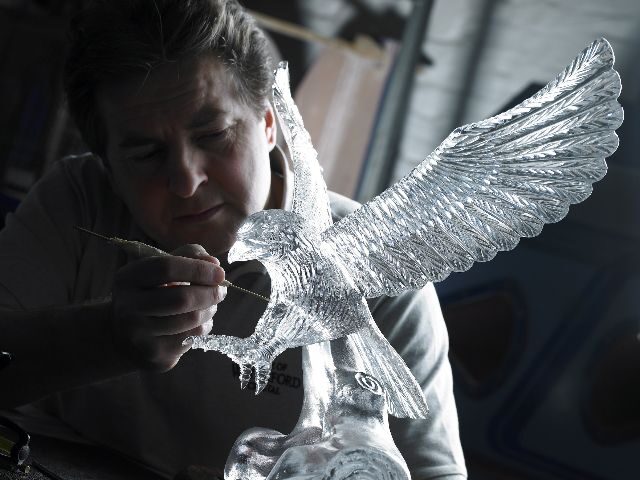
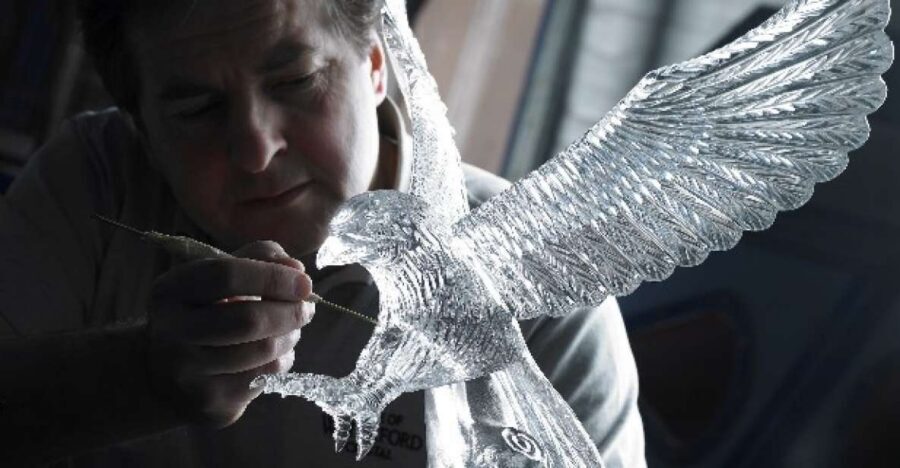
The tour’s last stages involve sculpting and engraving, and this is arguably the most precision-based work. If you’re the kind of person who loves fine craftsmanship, this is where your brain goes from awe to understanding.
Sculpting and engraving take patience. The piece has to be handled with care, and the maker is working at a level where tiny decisions affect the final look. Watching this portion makes it easier to understand why training takes time and why a finished Waterford item is more than “pretty glass.”
Retail showroom: the biggest display, and how to shop without losing your head
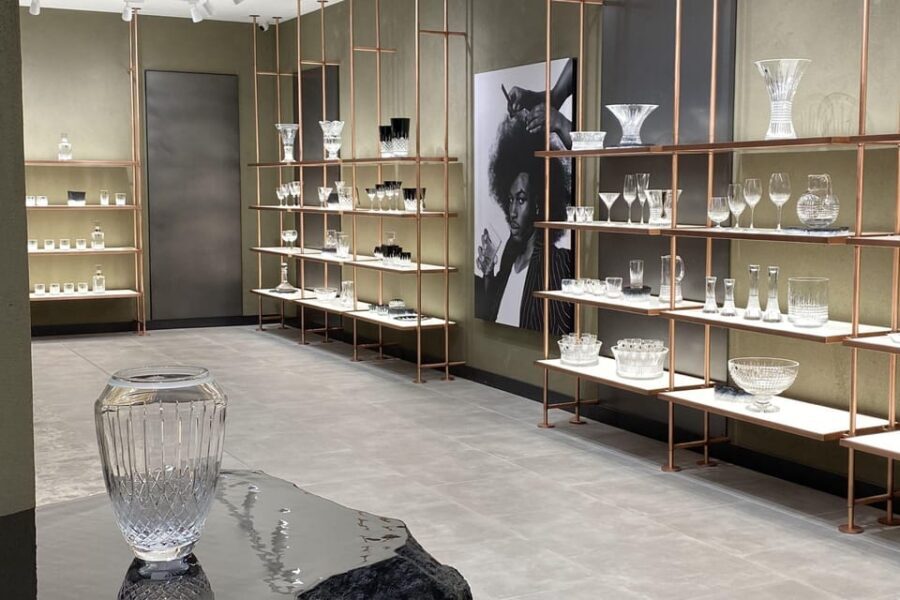
The tour ends with a visit to the House of Waterford retail store, where there’s a large display of Waterford crystal.
This stop is more than an ending. It helps you make sense of what you saw earlier. After watching the process, you’ll be able to look at items and spot the design logic: the way cuts create sparkle, the way engraving adds depth, and the way form connects to how the piece was shaped.
One helpful way to shop here is to set a simple goal before you walk in. For example:
- Decide whether you’re buying something for a specific occasion
- Or decide you’re only browsing until you find a piece that matches what you liked in the factory rooms
Also, souvenirs are not included with the tour ticket. That’s not a problem, but it’s worth knowing. If you want a strict budget, treat the shop as part of the experience, not part of the included value.
Some people also mention grabbing coffee and treats in the onsite café after the tour. If you want to keep the glass experience going, that’s a solid plan.
Guides and the value of asking questions

The tour is led by a live guide in English, and the staff style comes through in how the tour is run. People often highlight how guides are friendly and how they answer questions while pointing out what matters in each step.
You may meet guides by name during your visit. Names that come up include James and Sean. The best part is that the tour isn’t designed to keep you passive. You can ask questions of the craftspeople about their work, and that turns watching into learning.
If you’re traveling with kids, this also helps. It’s easier for younger visitors to stay engaged when someone is explaining what the tools are doing and why the steps matter. And yes, you might even spot a playful craft-in-progress display described like a gingerbread-house-style project, which can make the whole thing feel more approachable.
Accessibility and who this tour suits best
The tour is wheelchair accessible, and it runs as a guided experience that keeps you moving through the main stages. If mobility is part of your planning, this is a good sign.
Who this tour is for:
- People who like real-world craft and want more than a quick photo stop
- Anyone shopping for a Waterford piece who wants to understand the process first
- Couples, friends, and solo travelers who enjoy guided structure with time to ask questions
Who might find it less ideal:
- If you’re short on time and only want general sightseeing, you may prefer a broader city walk
- If you’re coming with a strict rule of no shopping at all, the showroom payoff might still be tempting even though it’s not included
The tour’s sweet spot is curiosity plus patience. If you have both, you’ll enjoy it.
Should you book the House of Waterford Factory Tour?
I think you should book this tour if you want your Waterford crystal shopping (or collecting) to make sense. The price is reasonable for a guided, close-up look at how glass becomes a finished piece through multiple precision steps. If you’re the type who likes to learn as you watch, this one feels worth every minute.
Book it sooner rather than later if your travel schedule is tight. And once you’re there, give yourself permission to slow down in the rooms that matter most to you. This is one of those experiences where looking closely is the whole point.
FAQ
How long is the House of Waterford factory tour?
The tour lasts about 1 hour. Starting times can vary, so check availability for the schedule that works with your day.
Where does the tour start?
The meeting point is The Mall, Waterford City. The activity ends back at the same meeting point.
How much does the tour cost?
The price is $20 per person.
Is the tour guided, and what language is it in?
Yes, it’s a guided tour with a live guide in English.
What’s included in the tour ticket?
Included are the factory tour admission fee, the guided tour through the factory process, history information, interactive time with the ability to ask questions, and a visit to the House of Waterford retail store.
Is the tour wheelchair accessible and is food included?
The tour is wheelchair accessible. Meals and drinks are not included, and souvenirs are also not included.