REVIEW · WATERFORD
Irish Wake Museum Tour Rituals of Death and Celebration of Life
Book on Viator →Operated by Waterford Treasures - Five Museums in the Viking Triangle · Bookable on Viator
Irish wakes are about more than sadness. They’re a way communities face loss with ritual, story, and surprisingly human warmth.
In Waterford, this Irish Wake Museum tour turns a 15th-century almshouse into a stage for Irish wake folklore and funerary customs, told by a professional guide. I especially like how the experience mixes rare artifacts with the meaning behind them, so you’re not just looking at objects—you’re hearing why people did what they did.
One thing to plan for: the museum experience includes mentions of death, injury, illness, and realistic depictions of the recently deceased. It’s also advised that it’s not suitable for children under age 8, so it helps to match the mood to your group.
In This Review
- Key Highlights You Should Know
- Inside a 15th-Century Almshouse: Why This Setting Matters
- What You’ll See: Irish Funerary Customs, Folklore, and Artifacts
- The 45-Minute Guided Experience: Toby and Deirdre’s Storytelling Style
- Rituals of Death and Celebration of Life: What the Tour Actually Teaches
- Price and Value: Why $17.54 Makes Sense for This Format
- Timing, Meeting Point, and Getting There in Waterford
- Who Should Book (and Who Might Want a Different Tour)
- Before You Go: Practical Tips for a Sensitive Museum Subject
- Should You Book This Irish Wake Museum Tour in Waterford?
- FAQ
- How long is the Irish Wake Museum tour?
- Where does the tour start?
- How much does it cost?
- Is the tour in English?
- Is admission included?
- What group size should I expect?
- Is this suitable for children?
- Does the tour involve sensitive topics?
- Can I cancel for a refund?
Key Highlights You Should Know
- A 15th-century almshouse setting that makes the rituals feel grounded in local life
- Irish wake and mourning folklore, tied directly to what people actually practiced
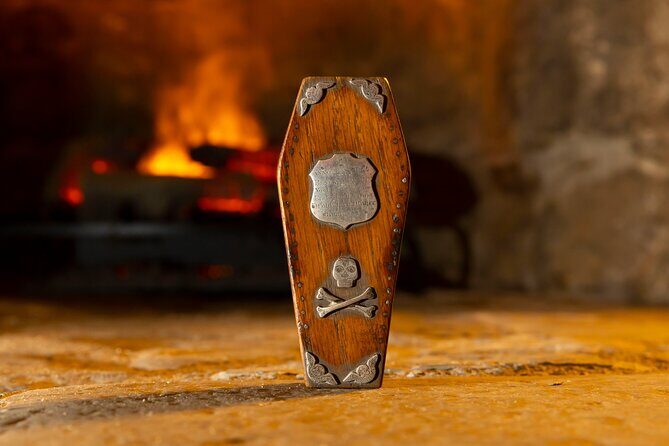
- Rare funerary artifacts connected to Ireland’s customs around death and wake traditions
- An intimate feel, with tours limited to a small number of people
- Guides with strong storytelling energy (including praised guides like Toby and Deirdre)
- A realistic tone with clear advance warning about sensitive content
Inside a 15th-Century Almshouse: Why This Setting Matters
Waterford has a knack for putting history in ordinary places, and this museum is a great example. The tour takes place in a building associated with community care—an almshouse dating to the 1400s—so the subject doesn’t feel like a distant museum display.
That matters because Irish wake traditions are social. They weren’t just private grief. They were shared time, shared space, and shared roles. When you’re standing inside a house that once served the local community, the rituals come through as part of daily culture rather than theatrical reenactment.
The tour also frames the story across six centuries of Waterford life around death and mourning. That timeframe gives you perspective: these weren’t one-off events. They were customs that shaped how people understood illness, loss, and community responsibility.
You can also read our reviews of more museum experiences in Waterford

What You’ll See: Irish Funerary Customs, Folklore, and Artifacts
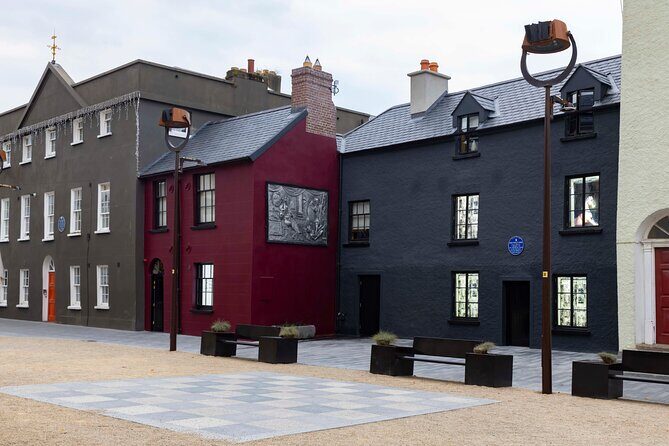
The museum portion is built around one central idea: Irish wakes have their own logic. They weren’t just about waiting for a burial. They were about honoring the person, keeping order, and giving mourners a structure.
You’ll hear folklore tied to death and mourning, with explanations of how wake customs formed and why they looked the way they did. The guide uses this storytelling approach to connect the emotional side of the rituals with the practical side—who did what, when, and why.
On top of the stories, you’ll see rare artifacts linked to Ireland’s funerary customs. Even if you’re not a museum person, artifacts help you slow down. They’re concrete anchors for the meanings you’re hearing, and they also make the culture feel specific to Ireland rather than general “European mourning” history.
The overall effect is that you finish with a clearer sense of what a wake was trying to accomplish: not just coping with death, but doing it with community, ritual, and tradition.
The 45-Minute Guided Experience: Toby and Deirdre’s Storytelling Style

This is a guided tour, and the guide is a big part of the value. The structure is tight—about 45 minutes—so you won’t get lost in museum pacing. The guide keeps it moving while still giving you enough context to understand what you’re looking at.
The experience is also designed to feel close to the material. The highlights mention an intimate tour limited to just four people, and the overall activity lists a maximum of 12 people. In plain terms: you should expect a small-group setting where you can hear the explanations clearly and follow the thread.
Two guide names show up in praised feedback: Toby and Deirdre. Toby is noted for brilliant humor paired with informative storytelling, and Deirdre is praised for knowledgeable delivery that feels perfectly paced. If either guide is leading your time slot, you’re likely to get a tour that’s both informative and easy to stay with.
Also, don’t ignore the tone-setting warnings. The museum covers death-related topics, including realistic depictions of the recently deceased. The guide’s job isn’t to shock you; it’s to keep the discussion respectful and understandable. Still, you should go in prepared.
Rituals of Death and Celebration of Life: What the Tour Actually Teaches
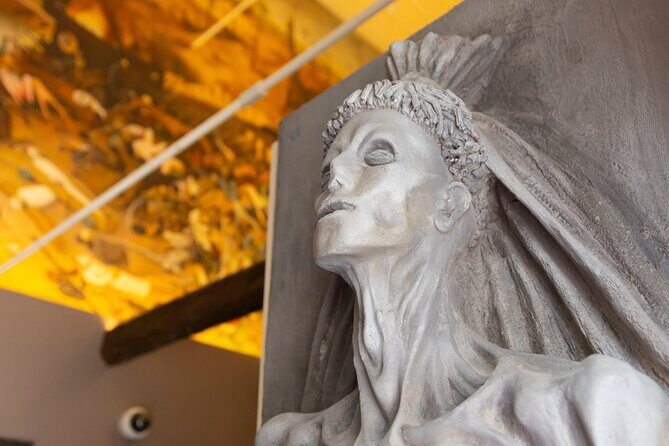
The title Rituals of Death and Celebration of Life hints at the balance the tour is aiming for. Irish wake customs often hold two things at once: grief and community acknowledgment. This tour focuses on how those two parts fit together.
You learn how wakes operated as a cultural framework. Instead of treating death as something only happening at the funeral, the traditions give it a full social timeline. That’s why the museum spends time on origins—understanding where customs come from helps you interpret details you see later.
And it’s not only cultural theory. The tour explains the practical logic behind the rituals. That can include how people gathered, how mourning was handled, and how community roles supported the living during a hard moment.
If you like history that has emotion behind it—rather than dates and labels—this format works well. You’ll probably walk out feeling like you understand the whys, not just the whats.
Price and Value: Why $17.54 Makes Sense for This Format
At $17.54 per person, this isn’t a budget-breaker, especially for a guided, admission-included experience. You’re paying for three things you often end up paying extra for elsewhere: a professional guide, a museum visit with admission included, and a structured time slot of about 45 minutes.
The value is strongest if you’re short on time in Waterford. Instead of spreading your attention across multiple stops and schedules, you get a focused experience that explains what you’re seeing. The small-group nature also helps—when fewer people are in the room, explanations land better and you’re less likely to miss the important details.
It’s also good value if you enjoy cultural interpretation. This tour isn’t just facts on a wall. It’s stories, artifacts, and context tied together in one coherent session.





Timing, Meeting Point, and Getting There in Waterford
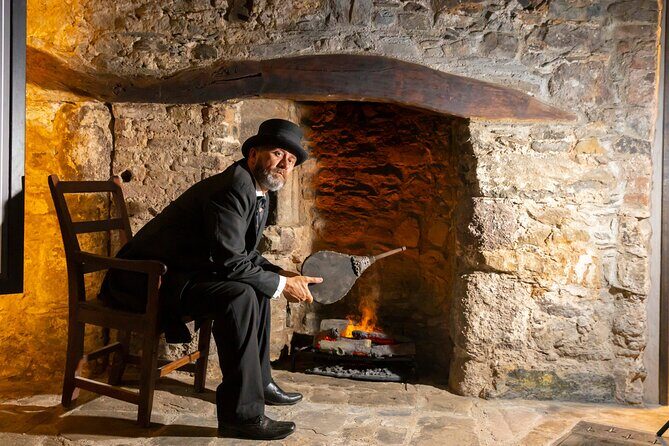
You meet at Cathedral Square, Waterford, at the start location: Waterford Treasures: Irish Wake Museum. The tour ends back at the meeting point, which is convenient if you’re planning the rest of your day.
The tour runs about 45 minutes, so it fits neatly into a half-day plan. It’s also near public transportation, which is helpful if you’re moving around Waterford on foot and buses/trams and you don’t want a complicated route.
There’s also a mobile ticket option. That’s one less thing to worry about when you’re in a busy travel rhythm—just keep your phone ready.
Who Should Book (and Who Might Want a Different Tour)
This is a good match for adults and older teens who want cultural depth in a short time. If you’re the kind of traveler who likes understanding why traditions exist—not just what they are—this experience will likely feel satisfying.
It’s also well-suited for people who appreciate small groups. The tour’s intimacy helps you connect with the material without feeling like you’re in a rushed, crowded museum line.
But it’s not a good match for everyone. The museum explicitly warns that it includes mention of death, injury and illness, and realistic depictions of the recently deceased. You should treat that as a real heads-up, not a technicality.
If you’re traveling with children under 8, the advice is clear: it’s not suitable. And if you personally don’t handle death-related topics well, you’ll want to choose a different Waterford activity that matches your comfort level.
Before You Go: Practical Tips for a Sensitive Museum Subject
Because this tour discusses death and mourning in a realistic way, go in ready. That doesn’t mean you need to be scared. It just means you should plan your mindset.
Here’s what I’d do if I were setting up your day:
- Decide how your group feels about sensitive topics before you commit.
- Wear comfortable clothes—you’ll be inside a historic building, and you’ll want to stay relaxed for the full 45 minutes.
- Give it room in your schedule so you’re not immediately rushing to something heavy or stressful afterward.
The museum also makes it clear that consideration should be taken for companions who may find the topic upsetting. If you’re traveling with mixed comfort levels, it can be helpful to talk it through beforehand so nobody feels blindsided.
Should You Book This Irish Wake Museum Tour in Waterford?
Book it if you want a short, guided experience that teaches Irish wake traditions with context—stories, folklore, and rare funerary artifacts—inside a 15th-century almshouse. The small-group feel and strong guide delivery (with praised guides like Toby and Deirdre) make it more than a quick stop.
Skip it or swap to a different activity if death-related content will be too uncomfortable for you or your group. The museum is honest about what you’ll encounter, and it’s best to respect that.
If you’re on the fence, think of it this way: Waterford offers plenty of sights. This one offers meaning. If that’s what you’re after, it’s an easy recommendation.
FAQ
How long is the Irish Wake Museum tour?
The tour lasts about 45 minutes.
Where does the tour start?
It starts at Waterford Treasures: Irish Wake Museum on Cathedral Square, Waterford, Ireland.
How much does it cost?
The price is $17.54 per person.
Is the tour in English?
Yes, it’s offered in English.
Is admission included?
Yes, the admission ticket is included as part of the tour.
What group size should I expect?
The tour is described as an intimate experience limited to four people, and the activity lists a maximum of 12 people.
Is this suitable for children?
It’s advised that the experience is not suitable for children under age 8.
Does the tour involve sensitive topics?
Yes. The tour includes mention of death, injury and illness, and it may include realistic depictions of the recently deceased.
Can I cancel for a refund?
Yes. You can cancel up to 24 hours before the experience for a full refund.