REVIEW · DUBLIN
The Irish Dance Party in Dublin
Book on Viator →Operated by The Irish Dance Party · Bookable on Viator
Irish dance parties in Dublin tend to be either full-on show or full-on class. This one blends both, with live music at the center and you stepping in for the fun. It runs daily from 3–5 pm at The Merchants Arch Bar (upstairs), where a singer and musicians keep the energy moving while professional dancers teach you group routines.
I really like the reserved table setup. It’s not just “stand around and hope for a spot.” You also get hands-on dancing: you’ll learn several Irish group dances yourself, not just watch from the sidelines.
My only real caution is visibility and comfort in an upstairs bar space. Some seats can mean stairs to climb, and a few people report corner or back-of-the-dancer views if you land in the wrong place.
In This Review
- Key things to know before you go
- The Merchants Arch Bar setup: reserved tables, stairs, and real Temple Bar energy
- 3–5 pm daily flow: music and MC stories, then the dancers pull you in
- Your interactive lesson: three Irish group dances and a floor you actually use
- Meet the musicians: why the songs and explanations add real value
- Food and drinks at the bar: plan ahead so you don’t lose momentum
- What the crowd size really means for your seat and your time
- Who this is best for (and who should consider an alternative)
- Price and value: how $30.23 works out for what you get
- Book with your eyes open: timing, seats, and how to maximize the show
- Should you book The Irish Dance Party in Dublin?
- FAQ
- Where does the Irish Dance Party take place?
- What time does the event run and how long is it?
- What’s included with the ticket?
- Is there food and drinks available during the party?
- Do I need to know how to dance before I go?
- Can the event be cancelled if there aren’t enough people?
Key things to know before you go
- Upstairs venue at The Merchants Arch Bar: great for atmosphere, but plan for stairs.
- Reserved table included so you have a home base during the music and lessons.
- Singer-led entertainment with Irish songs, instrument playing, and explanations.
- Interactive dancing: you learn three Irish group dances during the two hours.
- Group splitting happens for the lesson so more people get time on the floor.
- Full bar and menu on site, with drinks available for purchase (and they may cost more than you expect).
The Merchants Arch Bar setup: reserved tables, stairs, and real Temple Bar energy
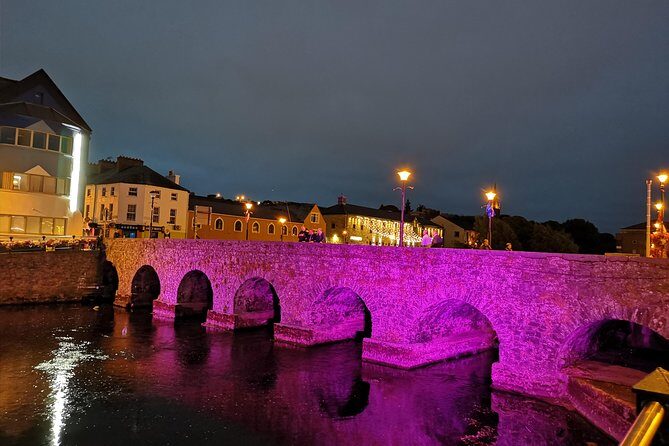
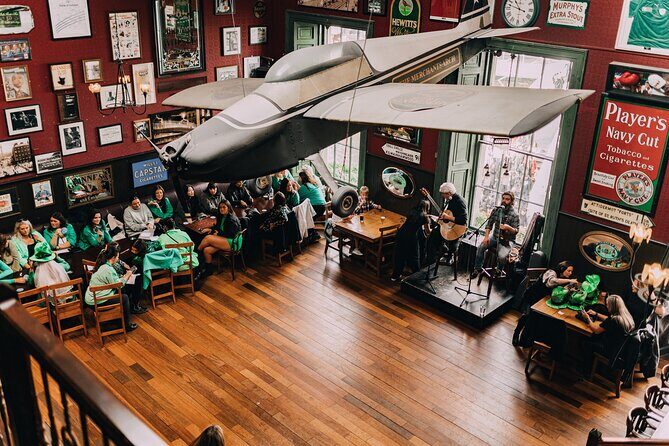
The event takes place at 49 Wellington Quay, right in the Temple Bar area, at the Merchants Arch Bar upstairs. The vibe is pub-real, not “theater-only.” You’re surrounded by a working bar environment while still getting a structured show-and-lesson format.
The biggest practical win is the reserved table included with your ticket. That means you’re not crowd-surfing for sight lines every time someone stands up. Even so, the room layout matters. If you end up in a back corner, you might feel disconnected from the performance. If you’re sitting on the lower level facing the bar, at least some seating arrangements can put you looking at the dancers’ backs rather than their faces.
One more thing: it’s upstairs, and some guests call out that you’ll be climbing stairs. If stairs are a problem for you, you’ll want to weigh that before you book.
You can also read our reviews of more tours and experiences in Dublin.



3–5 pm daily flow: music and MC stories, then the dancers pull you in
This is a two-hour event running 7 days a week, scheduled for 3–5 pm. That timing is perfect for travelers who don’t want a late-night plan and who still want something very “Ireland” before dinner.
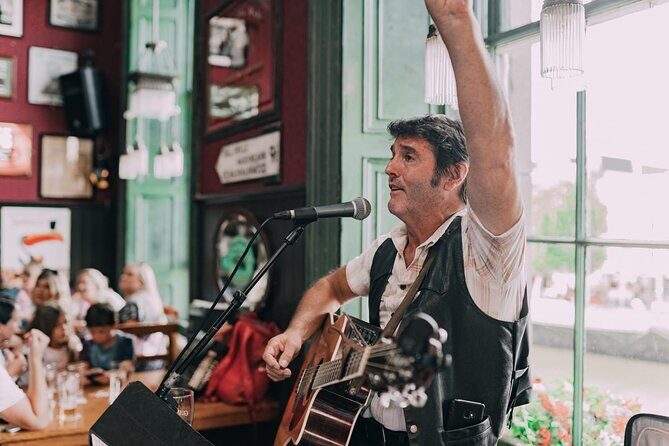
The entertainment is hosted by the musicians. A singer (you may hear different performers across dates, including names like Gary, Jim, or Steve from past sessions) doesn’t just perform. He MCs the evening, singing Irish songs and playing Irish instruments, then adding context—music history and how the songs connect to the dances.
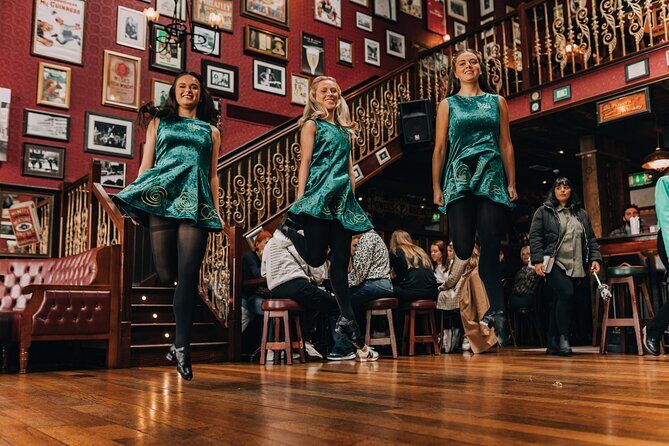
Then the pro dancers step in with choreographed performances. These aren’t random flash dances; they’re used as anchors for the session so you can see the full routine before you try the basics.
If your brain likes a clear structure, you’ll probably like this one. It’s not “sit and wait.” You’re repeatedly moving between watching and participating.
Your interactive lesson: three Irish group dances and a floor you actually use
This isn’t just a show where someone lets you try a step at the end. You learn three Irish group dances during the two hours. The pacing is built around short lesson blocks, quick practice time, and then you dance as a group.
The lesson format usually includes a moment where you watch one side while the other side participates. That means you don’t get uninterrupted coaching like a private class—but you do get more people onto the floor overall. Past participants have described the group as large (often 40+), so splitting into two groups helps prevent everyone from tripping over each other while trying to copy the steps.
About what you learn: you’ll get taught group dances, designed to be approachable for visitors. You’ll pick up basics like footwork timing and body positioning for the jig-style step patterns. And if you’ve ever thought you can’t dance, this is the kind of setup where you’ll get traction fast. Irish dancing rewards rhythm and repetition, and the group format gives you that steady beat.
One extra detail worth knowing: the program has included additions over time, including a new routine in soft shoes (a footwork-focused style). So if you’re expecting only one kind of step, you might get a bit of variety.
Meet the musicians: why the songs and explanations add real value
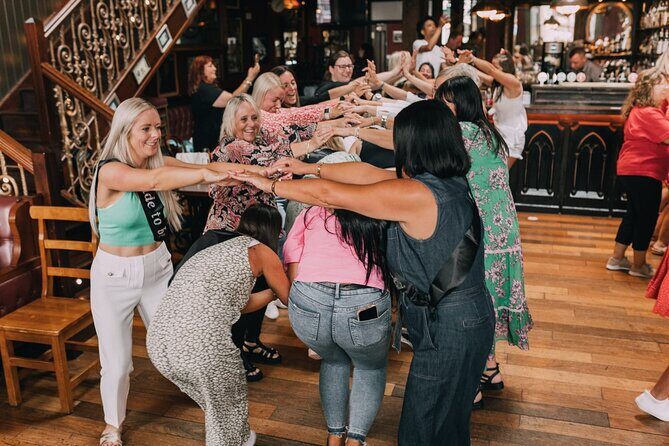
A lot of “cultural performances” stop at singing. Here, the singer and musicians also explain what you’re hearing. The MC-style approach matters because it turns the music into something you can follow, not just something you hear.
You’ll get Irish songs performed live, Irish instruments featured, and context around the history of the songs and the way dances connect to them. That’s a subtle difference, but it changes the experience from background entertainment into something more memorable.
And because the musicians keep the pace moving, the whole event avoids that awkward dead time you sometimes get in live shows. Even if you’re shy about dancing, you’re still part of the moment—clapping, reacting, and learning what’s coming next.
Food and drinks at the bar: plan ahead so you don’t lose momentum
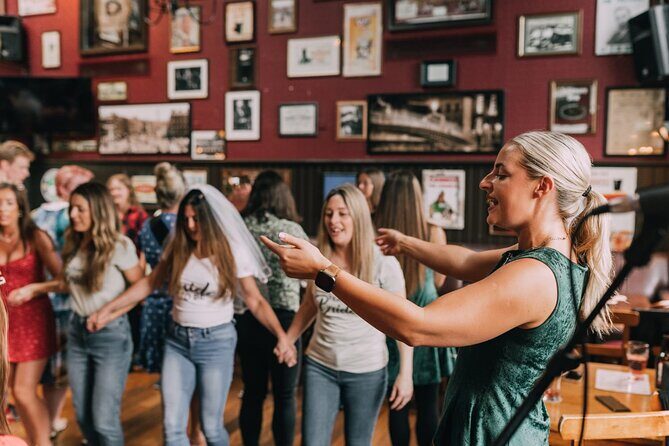
The Merchants Arch Bar offers a full bar, and there’s also a menu available during the event. In practice, you can settle in at your reserved table and order as the program runs.
Still, here’s the tip that comes up again and again: eat before you arrive. A few guests felt they could mainly order drinks during the session, and even when food is available, the most important thing is staying ready for movement. You don’t want to be hungry or stuck in a line while the lesson part is happening.
Also, manage expectations on drink pricing. At least some participants found the bar prices high. That doesn’t mean you shouldn’t order—just set a budget so the experience stays fun rather than stressful.



What the crowd size really means for your seat and your time
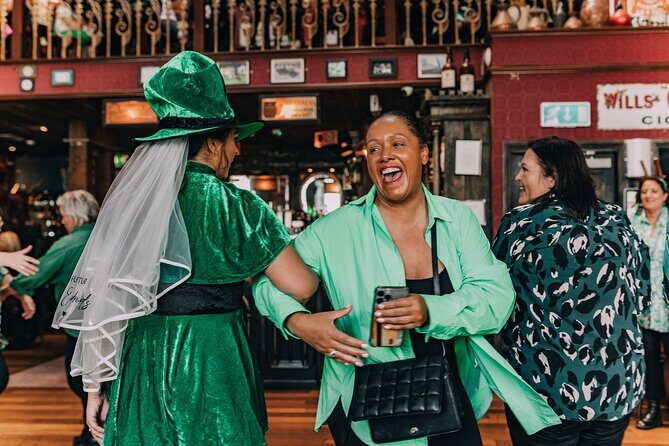
This event caps at a maximum of 60 travelers, which is a big enough group to create energy, but small enough that it can still feel intimate compared to stadium-style performances.
That said, the experience can feel crowded—especially on the dance floor. Some people describe periods where a large portion of the time feels like watching and listening, then a smaller portion is hands-on dancing. If you came specifically hunting for nonstop dancing, you may feel like the balance isn’t what you hoped.
The flip side is also real: the “watch, then try” structure is exactly how most people learn. You’re seeing routines up close, then copying them with coaching. And if you’re the type who likes soaking up the atmosphere before you jump in, this format gives you that option too.
Who this is best for (and who should consider an alternative)
This is a strong pick for:
- Solo travelers who want an easy way to socialize without awkward icebreakers
- Couples and friends who like interactive entertainment
- Visitors who want a classic Dublin experience without needing dance experience
- Families with children who will be comfortable joining in with an adult nearby (children must be accompanied by an adult)
It may be less ideal for:
- People who need clear sight lines from the moment they sit down
- Anyone who hates stairs or has trouble navigating an upstairs bar space
- Travelers who only want a performance-heavy show, with minimal teaching time
If you’re flexible and you’re up for learning, you’ll likely have a better time than someone who treats it like a theater ticket.
Price and value: how $30.23 works out for what you get
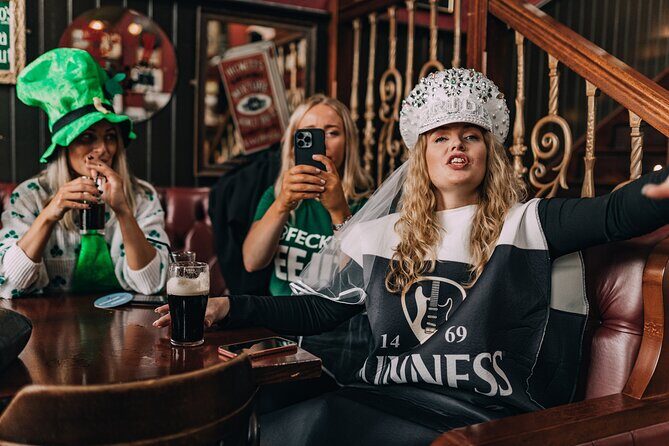
At $30.23 per person for about two hours, the value depends on your expectations.
Here’s what’s included with your ticket: all activities, a tour escort/host, and live entertainment. You also get a reserved table and the full atmosphere of a real Dublin pub setting. Most importantly, you’re not paying just to watch. You’re paying for a guided, interactive introduction to Irish group dancing plus live music all session long.
So if you want an easy afternoon plan that includes music, pro dancers, and you trying the steps yourself, this is one of those deals that can feel like more than the price suggests.
If, on the other hand, you were expecting longer choreographed dance time with minimal interaction, some people do describe feeling that the session spends more time listening than they wanted. That doesn’t mean the event is bad—it just means you should book with the right mindset: participation is part of the product.
Book with your eyes open: timing, seats, and how to maximize the show
The event is booked on average about 33 days in advance, which is a hint that good spots can go quickly. If you can, book earlier rather than waiting until the last day in Dublin.
When you arrive:
- Give yourself time for the upstairs steps before the lesson starts.
- Plan to move. Wear comfortable clothes you can actually dance in, not just “nice for photos.”
- If you care a lot about visibility, aim for a seating location where you can see both dancers and the instructor area. Some seating choices can lead to views blocked by heads, or you may be looking at backs rather than faces depending on where you’re seated.
Finally, keep it simple: show up ready to learn. Irish dancing is rhythm plus repetition. Even if your first attempt looks rough, you’ll improve as you go, and the group energy helps.
Should you book The Irish Dance Party in Dublin?
If you want a fun Irish afternoon that mixes live music, pro Irish dancers, and a real chance to try steps yourself, I think it’s a smart booking. The reserved table and structured interactive format make it easier than most “pub performance” options.
Skip it or reconsider if you’re extremely sensitive about seating visibility, you can’t handle stairs, or you’re seeking a long performance-only show. In that case, you might enjoy a different kind of Dublin entertainment more.
FAQ
Where does the Irish Dance Party take place?
It takes place at The Merchants Arch Bar (upstairs), 49 Wellington Quay, Templebar, Dublin D02 EY65.
What time does the event run and how long is it?
The Irish Dance Party runs from 3–5 pm and lasts about 2 hours (approx.).
What’s included with the ticket?
Your ticket includes all activities, the tour escort/host, and live entertainment.
Is there food and drinks available during the party?
Yes. There’s a full bar available at the event, and a full menu serving Irish food.
Do I need to know how to dance before I go?
No. The experience is interactive and most people can participate. You’ll be taught three Irish group dances during the session, so you can learn as you go.
Can the event be cancelled if there aren’t enough people?
Yes. The experience requires a minimum number of travelers. If it’s cancelled because the minimum isn’t met, you’ll be offered a different date/experience or a full refund.