A famine story you can pace yourself through. This self-guided exhibition in St Stephen’s Green tells the Irish Potato Famine with artifacts, photos, and even rare aerial views of the park, plus a short documentary film built into the visit. It’s set up so you can move at your own speed, linger where details catch your attention, and keep going when you’re ready.
Two things I really liked: the mix of museum objects and visual materials that make the story feel concrete, and the included short film, which gives your eyes a break from reading posters. One thing to keep in mind: it’s more of a “walk around and read” set-up in a temporary, mall-like space, and it can get warm where the film is shown.
In This Review
- Key Points to Know Before You Go
- St Stephen’s Green Setting: A Heavy Topic in a Small, Temporary Space
- What You’ll See Inside: Artifacts, Photos, Newspapers, and One Surprising Object
- The Self-Guided Format: How to Get the Most From an Hour
- The 15-Minute Documentary: A Break, but Not Always a Cool One
- Language Support and the Translation Guide Options
- Price and Value: Is $18.15 Worth One Hour of Famine History?
- Where It Fits in Your Day: Timing, Comfort, and Group Size
- Should You Book This Irish Famine Museum Visit?
- FAQ
- How long does the Irish Famine Museum exhibition take?
- Where is the Irish Famine Museum located, and does it end where you start?
- Is this exhibition self-guided?
- Is there a documentary film included, and how long is it?
- What languages are available for translation?
- Can I cancel for free if my plans change?
Key Points to Know Before You Go
- Skip-the-line timing with an admission ticket you can use as a mobile ticket
- Self-guided flow: no fixed tour script, so you can slow down or speed up
- A short documentary (about 15 minutes) is the main audiovisual piece
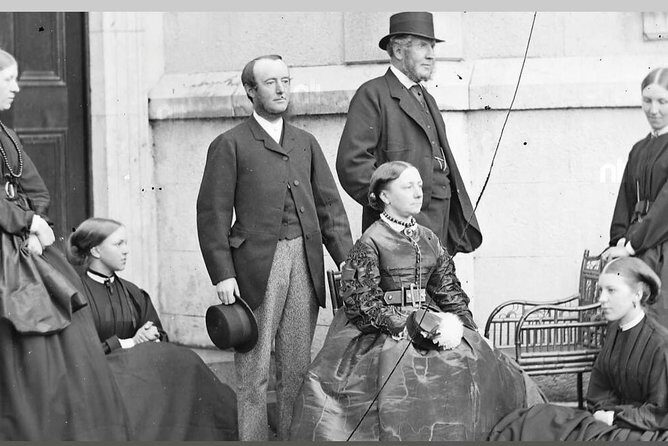
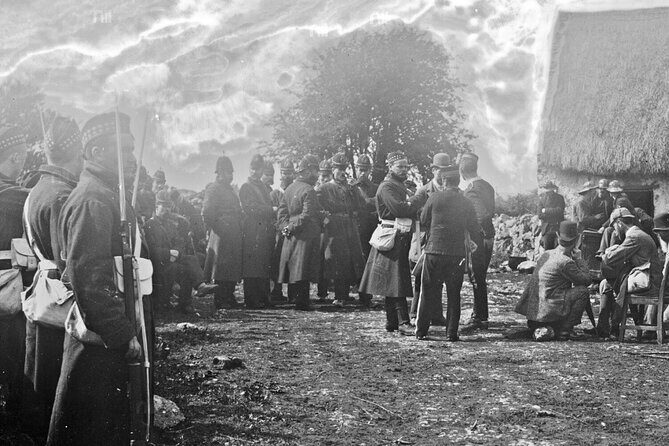
- 19th-century photos + period documents help turn facts into something you can see
- A rare aerial perspective of St Stephen’s Green Park adds a Dublin-specific angle
- A translation guide is available in French, German, Italian, and Spanish
St Stephen’s Green Setting: A Heavy Topic in a Small, Temporary Space
You’ll find the Irish Famine Museum exhibition at the St Stephen’s Green Shopping Centre, in central Dublin. It’s designed as a compact, focused stop: you’re not committing to a half-day. The visit runs about one hour, and it ends back where you started, so it’s easy to slot into a packed day of sightseeing.
The setting matters because it shapes your expectations. This is not a grand, stand-alone museum building. It’s more like a pop-up style exhibition, with rooms you walk through at your own pace while reading interpretive panels. That approach can be perfect if you want control. You can spend extra time on the parts you care about—then move on before you get mentally overloaded.
It also means you should go in with the right mindset. The subject is the Irish Potato Famine, also known as the Great Hunger. You’ll be dealing with politics, hardship, and failure of response in a way that can hit emotionally. Plan for that. Give yourself room after the visit to cool off—grab a coffee nearby and do something light.
You can also read our reviews of more museum experiences in Dublin



What You’ll See Inside: Artifacts, Photos, Newspapers, and One Surprising Object

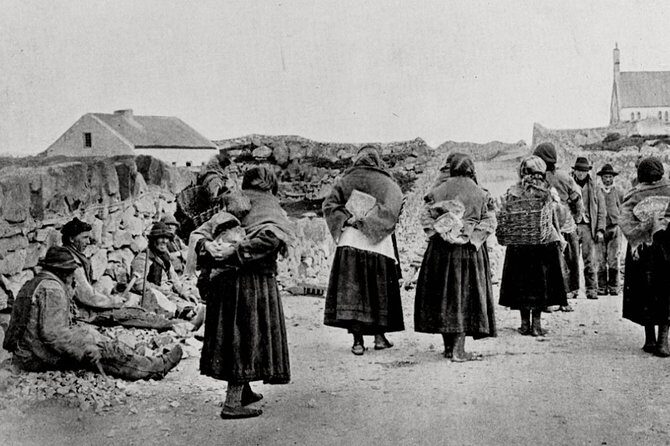
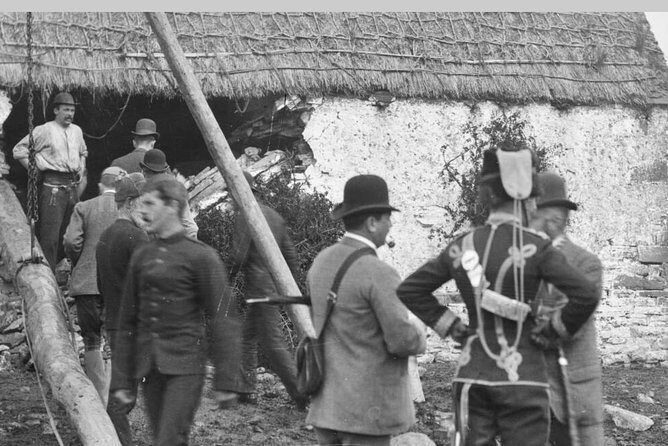
The exhibition tells the story of the Irish Potato Famine using a mix of materials: museum artifacts, 19th-century images, and written context. One of the standout elements is the presence of period objects—an original soup pot is on display, alongside other items that help you picture how ordinary life could get disrupted by disaster.
You’ll also come across newspapers from the era. That’s a big deal, because headlines and reports can show you how people tried to understand what was happening in real time—plus how quickly information moved, or didn’t. It’s one of those details that makes the exhibition feel less like a textbook summary and more like evidence.
And then there’s the visual angle that many people don’t expect: rare aerial views of St Stephen’s Green Park. Even if you’re only there for a museum stop, it helps to connect the story to the geography of Dublin today. It turns the location from background scenery into part of the experience.
As for text volume, the setup is intentionally not wall-to-wall writing. The goal seems to be balance: enough reading to understand the context, with enough photos and objects to keep you oriented. Still, if you strongly prefer interactive displays or guided narration, this isn’t that kind of experience.
The Self-Guided Format: How to Get the Most From an Hour
This is a true self-guided visit. You’re given the structure, then you decide what order to follow and how long to pause at each section. The benefit is obvious: you won’t feel rushed by a group schedule.
Here’s how I’d tackle it to make the hour count:
- Start with context, not details. Get your bearings on what the exhibition is saying about causes and responses.
- Pick 2 or 3 sections to linger on. That’s where you’ll actually process the story rather than speed-read it.
- When you see the sections that feel more emotionally intense, don’t force yourself to power through. Take a pause. You’re not graded on how fast you finish history.
Because it’s walk-through style, pacing is everything. If you’re with kids, this kind of format works best when you can talk while you walk. The story will land harder when you translate it into everyday terms.
Also, keep in mind the exhibition is temporary. That can mean rooms feel a bit more “temporary exhibit” than “museum gallery.” The upside is it’s focused. The downside is the comfort level may not match a climate-controlled space.
The 15-Minute Documentary: A Break, but Not Always a Cool One
The included documentary film is short—about 15 minutes—and it’s one of the main audiovisual components of the exhibition. For many people, that’s a good rhythm: you get your reading and visuals, then you get a quick film break to reset.
The trade-off: the room where the film is shown may not be climate controlled. If you’re visiting during a warm day, plan for the possibility of feeling hot where you sit for the film. I’d dress in layers and expect the film area to feel less comfortable than the rest of the exhibition.
If you’re thinking you’ll just “watch the film and move on,” you might miss how the rest of the story is structured. The film helps, but the exhibition content around it is what gives the film context. Treat it as one part of the full narrative rather than the only experience.
Language Support and the Translation Guide Options
The exhibition is offered in English, but you’re not limited if you want language support. A translation guide is available in French, German, Italian, and Spanish.
This is the kind of detail that can completely change your experience. If you’re traveling with someone who reads a different language, the translation guide helps you stay together and follow the same sections without one person falling behind.
If you’re relying on the guide, skim the room’s main headings first in your preferred language, then use the translation guide for the parts that look most important. That’s faster than trying to translate every line.
If you prefer not to read heavily at all, this format might feel more demanding than a guided tour. The good news is the exhibition tries to balance text with visuals and artifacts. You can still keep it manageable.






Price and Value: Is $18.15 Worth One Hour of Famine History?
At $18.15 per person for about an hour, this is not a bargain in the sense of “cheap like a café.” But it also isn’t an all-day museum ticket. The value is in three areas:
- Skip-the-line admission. If you’ve ever lost time waiting for entry, you know that convenience adds real value.
- A complete package in one stop. You’re getting artifacts, photos, newspaper material, and a film in a compact visit.
- Self-guided control. You’re paying for an organized exhibition space plus the ability to set your own pace.
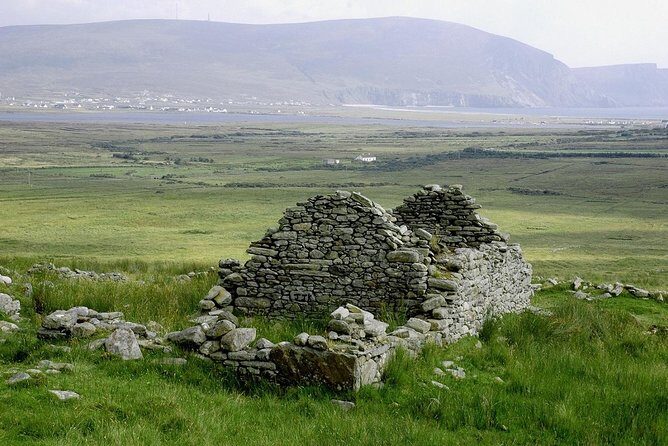
What makes it feel worth it is that it’s not just facts floating on a screen. You encounter physical objects (like the soup pot) and period materials. That brings weight to a difficult subject.
If you’re someone who hates reading panels and prefers audio-only or guided storytelling, you might feel the time is too focused on text. But if you’re okay with a walk-through exhibit, it’s a smart use of an hour in Dublin.
Where It Fits in Your Day: Timing, Comfort, and Group Size
The exhibition runs with opening hours of 12:00 PM to 6:00 PM, seven days a week, during the dates shown for the season (04/01/2026 to 09/30/2026). Since the visit is short, it’s a strong option between other central sights.
The location is also near public transportation, which matters in Dublin. You can get here without turning the day into a car or taxi puzzle.
Group size is capped at up to 90 people, which suggests it stays busy but not chaotic. Self-guided also helps here. You won’t have to listen to a live guide talking over the room, and you can slip away from crowded panels as needed.
Comfort-wise, remember the pop-up style. If you’re sensitive to heat, plan accordingly for the film area.
Should You Book This Irish Famine Museum Visit?
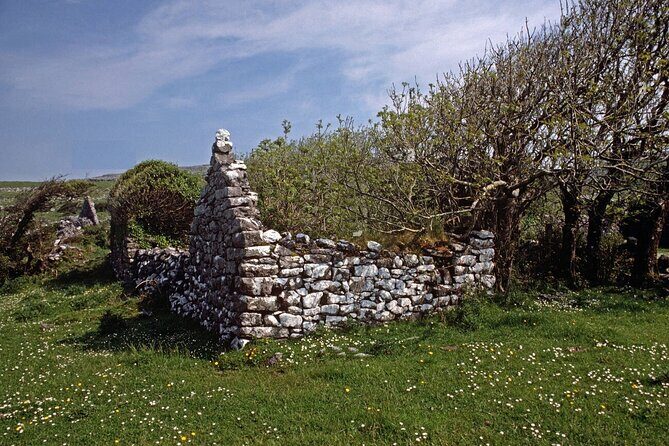
I think you should book if you want a focused, self-guided introduction to the Irish Potato Famine that doesn’t waste time. It’s a good pick when you like reading historical context at your own pace and you appreciate artifacts and period images. The included film is short enough to be helpful, and the St Stephen’s Green aerial views are a nice Dublin connection.
Skip it or go with lower expectations if you mainly want interactive tech or a guided lecture. This isn’t that kind of experience. It’s panel reading, walk-through pacing, and a short documentary.
One practical tip: book admission ahead so you can avoid entrance lines. You’ll likely appreciate that time saved more than you think once you’re in the city.
If your group includes kids, consider whether they can handle emotionally heavy themes through a self-guided format. With the right adult conversation, it can be an important learning stop.
FAQ
How long does the Irish Famine Museum exhibition take?
Plan for about one hour for the exhibition experience.
Where is the Irish Famine Museum located, and does it end where you start?
It’s located at Stephen’s Green Shopping Centre on St Stephen’s Green in Dublin. The activity ends back at the same meeting point.
Is this exhibition self-guided?
Yes. It’s self-guided, so you explore at your own pace.
Is there a documentary film included, and how long is it?
Yes. A documentary film is included, and it lasts about 15 minutes.
What languages are available for translation?
A translation guide is available in French, German, Italian, and Spanish.
Can I cancel for free if my plans change?
Yes. You can cancel for a full refund up to 24 hours in advance of the experience start time.