REVIEW · DUBLIN
Dublin: Windmill Lane Recording Studios Tour
Book on GetYourGuide →Operated by Windmill Lane Recording Studios · Bookable on GetYourGuide
Metal doors, major hits, and real gear. The Windmill Lane Recording Studios tour shows how a working Dublin studio has shaped Irish and global music since 1978, with hands-on listening and tech talk that feels practical, not like a lecture. I especially liked the way you move through the spaces tied to Studio 1 and the live tracking rooms, then end with a binaural 360-degree sound moment that you can actually hear (with your own ears, not just your imagination).
Two things I love: first, the guides really know how recording works because they are also musicians and producers, and the tour stays interactive. I heard guide names like Maeve and Aiden pop up in people’s stories, and that fits the vibe here: you’re encouraged to ask questions and react to what you’re seeing. Second, you get more than history on a wall. You’ll see major awards and gold and platinum records, plus you get close to the huge mixing console and other studio details that make you think, so this is how decisions get turned into sound.
One thing to consider: it’s a working, protected three-story building, so access is limited (and there’s no lift mentioned), and you also can’t bring cameras or large bags. If you’re sensitive to stairs or you want to record everything on your phone, plan around that.
In This Review
- Key takeaways before you go
- Windmill Lane’s metal doors and the 1978-to-today music machine
- Your guide in the control-room mindset (and why small groups help)
- Studio 1, the trophies wall, and the sound-engineer view
- Live room recording demo: hearing how performance turns into tracks
- Technology evolution: from early recording tools to modern computer software
- The binaural 360-degree sound demo and the 3D audio trick
- Practicalities in Dublin: duration, price, and what to pack
- Who should book this Dublin studio tour
- Should you book the Windmill Lane Recording Studios tour?
- FAQ
- How long is the Windmill Lane Recording Studios tour?
- How much does the tour cost?
- Is the tour guided, and is it available in English?
- Are cameras allowed during the tour?
- Is food or drink available at the studio?
- Is the tour suitable for children or young kids?
- Is it accessible for wheelchair users or people with mobility impairments?
- Can I get a refund if I need to cancel?
Key takeaways before you go
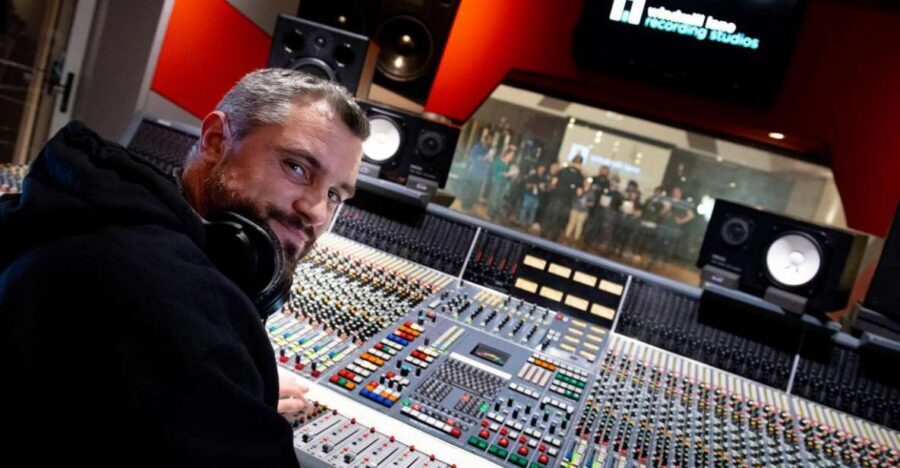
- Studio 1 access: you get inside the room where a huge slice of music-making happens.
- Binaural 360-degree sound: a commissioned audio demo is part of the finale.
- Guides who make music: the best parts are the Q-and-A style explanations and real-world production talk.
- Trophies and tangible proof: gold and platinum records, and major awards are on display.
- Working-studio rules: no cameras, and no large bags, so travel light and stay present.
Windmill Lane’s metal doors and the 1978-to-today music machine
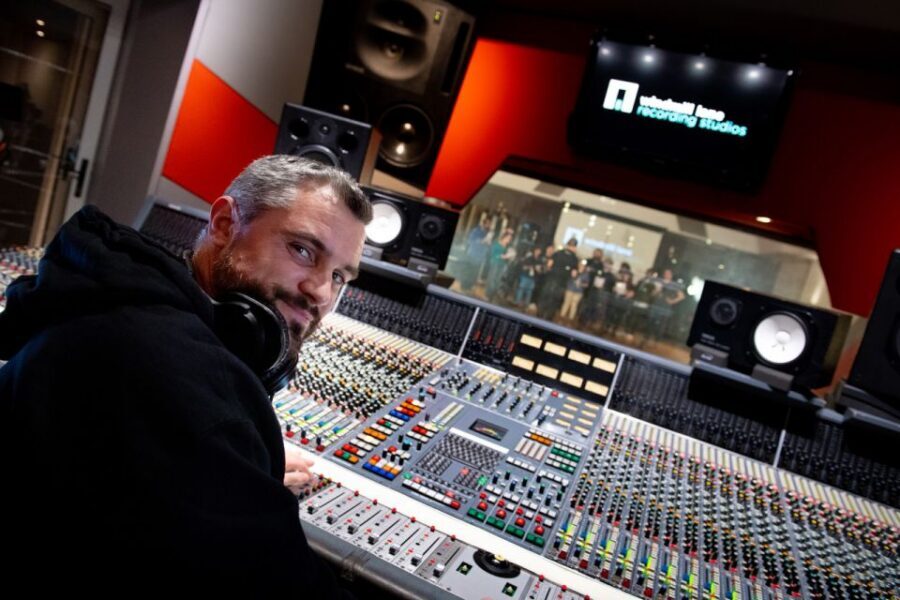
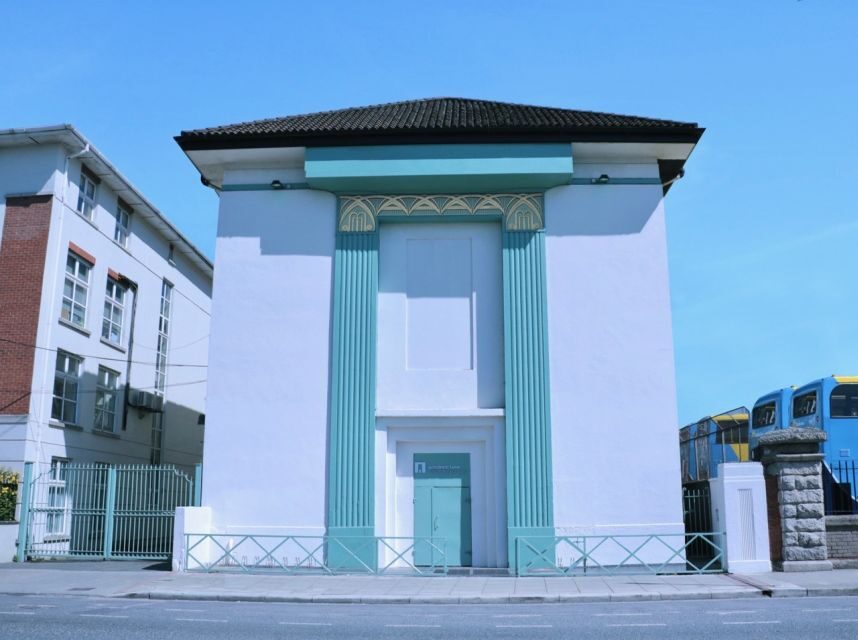
Walk up to Windmill Lane Recording Studios and you get that instant feeling: this is not a pretend set. It’s a real, working studio in Dublin County, still used for recording, and it’s housed in a historic three-story building. The tour starts right there, so you’re not waiting around for a bus-load of museum facts.
What makes the place worth your time is the range of music connected to it. You’ll hear about Irish and global artists who recorded here, including Lady Gaga, Hozier, Westlife, U2, The Cranberries, Kylie Minogue, and even The Rolling Stones. You’ll also hear how the studio became part of cultural moments like Riverdance. That’s a lot of big-name gravity, but the tour does something smarter than list names: it ties those names to the recording process, the people behind the sound, and the way technology changed over time.
The structure matters too. This is an hour-long guided experience, not a slow drift through hallways. The pace keeps you oriented: you see the iconic spaces, learn what they do, and then you hear an audio demonstration that connects the theory to the physical effect of sound direction and mixing choices.
You can also read our reviews of more tours and experiences in Dublin.



Your guide in the control-room mindset (and why small groups help)
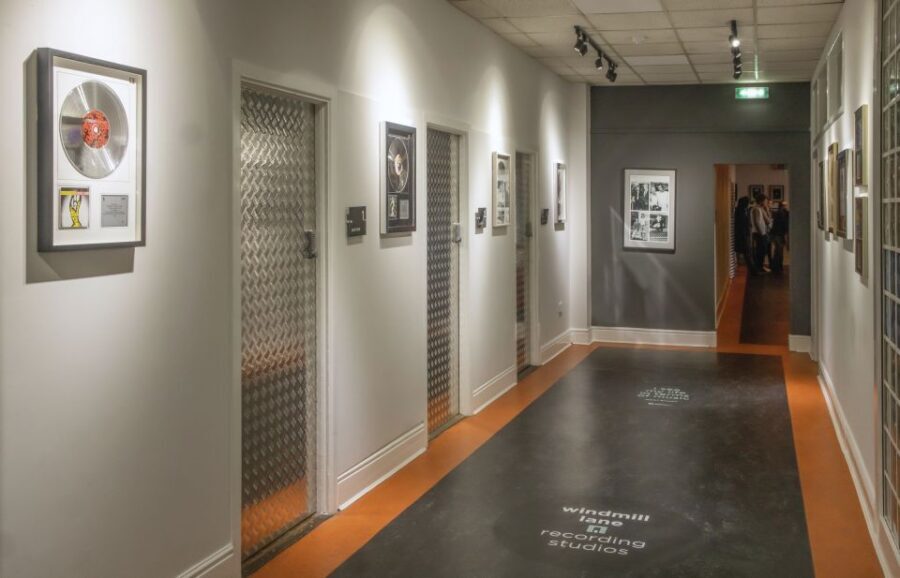
This tour is led by an expert guide, and the best clue is that many guides are musicians and producers themselves. In plain terms, it means the explanations aren’t just technical jargon. They’re built around what matters in real recording sessions: how a performance gets captured, why certain gear choices affect the result, and how mixing turns many tracks into something you can listen to on your commute.
Guides named in the experiences people described include Maeve, Aiden/Aidan, Zara, Maria, Stefan, Ian, and Ross. Even if you’re not matched to one of those names, you’re still likely to get that same working-pro mindset: friendly, direct answers, plus a willingness to relate studio decisions to famous songs you already know.
Small group size also plays a role. One account mentions a group of about five total, and that kind of size tends to keep the tour from feeling like you’re watching someone else’s lesson. It helps you ask questions, and it makes the interactive parts feel personal instead of scripted.
If you enjoy music but don’t consider yourself a hardcore audio nerd, you’re still in the right place. The tour doesn’t require you to understand every knob. It helps you follow along with what you’re hearing and why the studio setup matters.
Studio 1, the trophies wall, and the sound-engineer view

The big draw is access to iconic rooms, and Studio 1 is the headline. When you’re shown Studio 1, you’re not just standing in a pretty photo spot. You’re walking through the kind of space where production choices get made: how a room sounds, how microphones are placed, and how engineers build clarity and depth.
People also talk about the sense of walking through spaces where major artists and engineers worked. That’s the real value here: you get to see the environment that supports the workflow, from recording and mixing to the final details that listeners never notice but always feel.
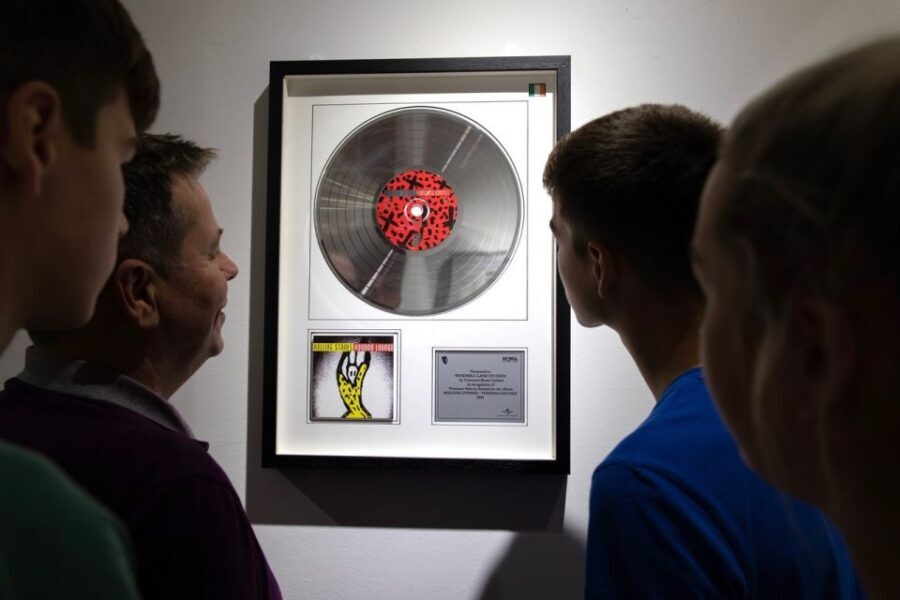
One of the strongest emotional hits comes from the visual proof—gold and platinum records, plus Grammy awards and other recognitions. It’s not there just to flex. It acts like a timeline marker: you can connect what you see on the wall to what you learn about production techniques and studio culture.
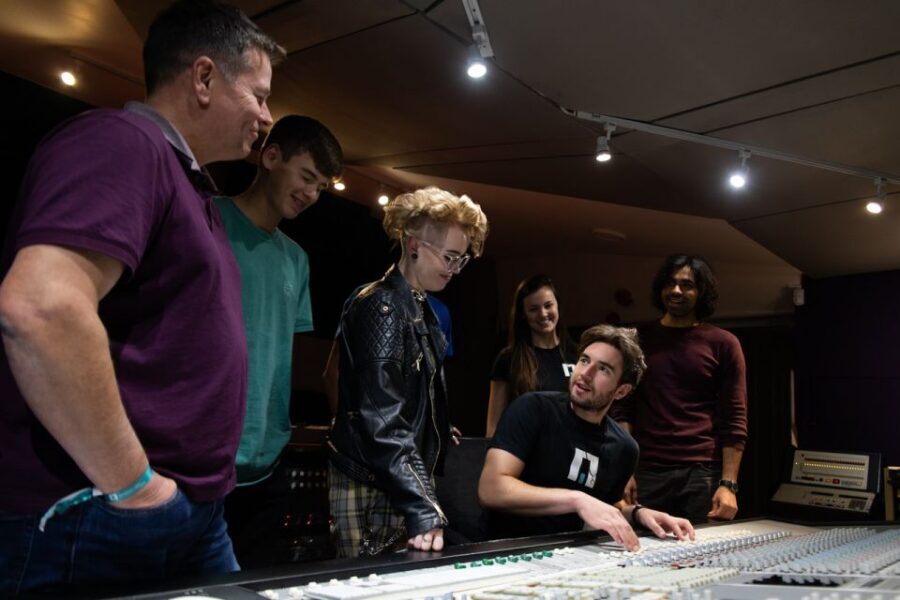
A bonus detail you might experience: access or close viewing of the huge mixing console, and in some tours, opportunities to sit in the sound engineer chairs. Even if you just stand nearby, it changes your perspective. A mixing desk looks like a wall of controls until you realize it’s basically a translator between performances and what the listener hears.
Live room recording demo: hearing how performance turns into tracks
A highlight built into the tour is listening to a band performance in the live room while your guide explains the recording process. This is where the tour becomes useful, even if you’re not chasing audio gear later.
In the live room, you’re hearing why studios care about the room itself, not only the microphones. Sound doesn’t travel the same way everywhere. Materials, room shape, and placement all affect what gets captured. Your guide’s job is to help you connect those factors to what you’re hearing during the demo.
This part of the tour is also interactive in a few ways. Some accounts mention opportunities to try equipment, and others mention sitting in key spots tied to engineering work. That hands-on angle matters because it gives you a physical understanding of how much of recording is about choices—levels, timing, mic positioning, and the quiet stuff that shapes a track.
If you like to listen closely already, this demo will feel rewarding. You’ll start noticing how you can hear layers of work that normally stay invisible: balance, spacing, and how vocals and instruments sit together.
Technology evolution: from early recording tools to modern computer software
One of the most practical things you’ll learn is how recording technology changed. The tour frames it as a progression: early devices and methods to today’s modern, dynamic computer software.
Why that matters for you: music production isn’t one frozen style. It keeps evolving, and the tools affect the sound people can create. Even if you don’t plan to produce anything yourself, this gives you a better way to understand why production trends shift over time—and why older recordings can still sound distinct even when newer technology exists.
Your guide will likely connect the tech to what you’re seeing in the studios. That includes things like how the studio environment supports different workflows, and why engineers care about what happens before and after tracking. You might also get a clear sense of how decisions in the live room carry into the mixing stage.
A lot of tours talk technology like it’s a museum exhibit. This one keeps it tied to outcomes: sound quality, clarity, and the final feel of a track.



The binaural 360-degree sound demo and the 3D audio trick
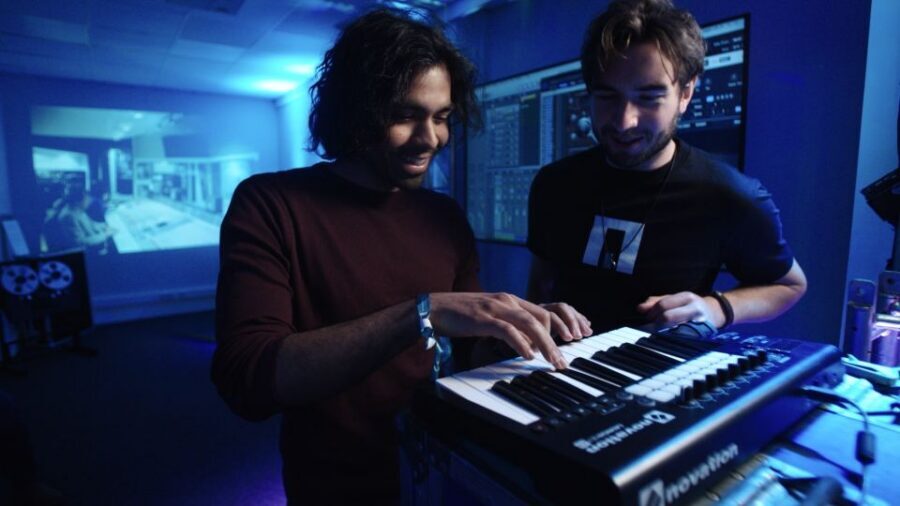
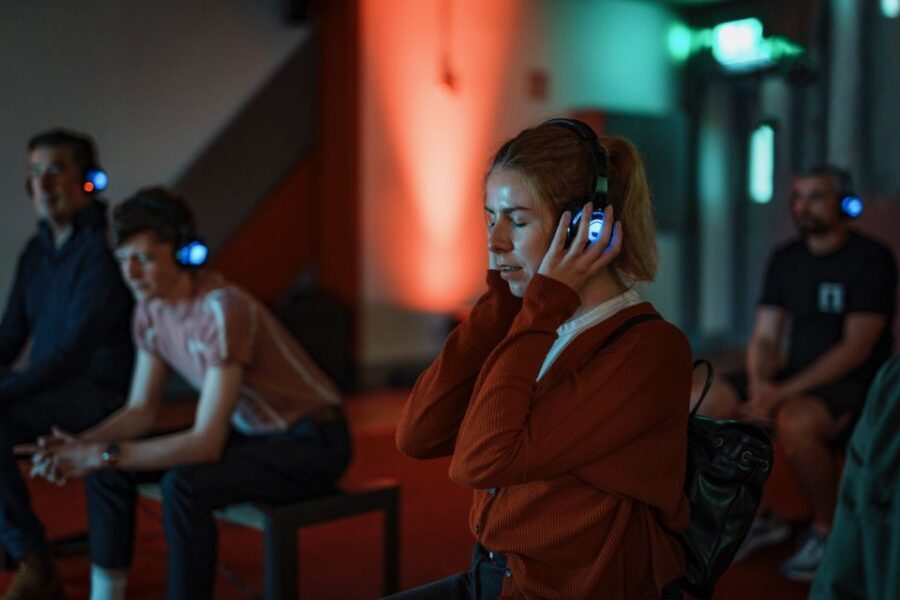
The finale is a commissioned binaural recording and a 360-degree sound experience. This is the part that surprised plenty of people because it isn’t just about hearing sound—it’s about hearing direction.
Binaural audio is designed to mimic how humans perceive sound in real life. In practice, it means your brain can interpret location and movement more naturally than with standard stereo playback. Add the 360-degree approach, and you get that effect where sound feels like it’s shifting around you rather than simply playing from a speaker pair.
Some experiences also mention a 3D audio demonstration and even voice tone alteration during this segment. That combination can make you feel like you’re in a real studio experiment rather than a generic museum-style show.
If you’re traveling solo, this is a great moment to pay extra attention. If you’re traveling with friends, it’s still fun because you’ll all react to the effect and compare what you think you heard.
This is also where the tour’s earlier tech talk clicks. You stop treating the gear like random tools and start understanding why sound placement and mixing decisions matter.
Practicalities in Dublin: duration, price, and what to pack
This tour runs about 1 hour. That timing is part of the value. You get a concentrated studio experience without committing your whole afternoon, which is important in Dublin where walkable neighborhoods tempt you to wander.
The price is $25 per person. For a working recording studio, that’s a pretty fair trade for what you receive: guided access to iconic rooms, expert explanations, and an included audio demonstration. You’re not paying for a bus ride to a building that happens to have history plaques. You’re paying for access to production spaces and a guided audio experience that costs real money to set up and run.
What to bring and what to avoid:
- No cameras are allowed, so don’t plan on phone photos in the studio spaces.
- No luggage or large bags. Bring only what you can carry comfortably.
- You should expect a moderate physical requirement since the studio is three stories with limited access/no lift mentioned.
Food and drink are not available for purchase on-site. That’s easy to handle because the studios sit in a central area with convenience stores, cafés, and restaurants nearby. If you’re planning this as part of a day out, eat before you go or grab something nearby after.
Who should book this Dublin studio tour
Book it if you:
- love music and want to understand how recorded sound is made, not just where famous artists posed for photos
- enjoy hearing the connection between production choices and the songs you already know
- like hands-on, guide-led tours where you can ask questions
It’s also a strong pick for music students or anyone curious about how studios work. Some people mentioned the experience being valuable for those studying music production, mainly because the tour includes practical tech talk and a live room recording explanation.
Be cautious if:
- you need wheelchair-friendly access or lift access, since the building has limited access/no lift mentioned and the tour isn’t suitable for wheelchair users
- you want to carry and store large bags, since luggage and large bags aren’t allowed
- you’re expecting a casual walk-in attraction, because tours run at designated times in a working studio environment
Should you book the Windmill Lane Recording Studios tour?
Yes, if your goal is a real studio visit with actual sound demonstrations. The standout parts are the Studio 1 access, the guided walkthrough with production-minded explanations, and that binaural 360-degree audio moment. For $25 and a one-hour format, it’s a focused experience that feels worth the schedule slot.
Skip it if cameras are essential for you, if you rely on step-free access, or if you want food and drink included on-site. If those aren’t dealbreakers, this tour is one of the more memorable ways to experience Dublin through music—because you leave understanding not only where famous songs were made, but how they were made.
FAQ
How long is the Windmill Lane Recording Studios tour?
The tour lasts about 1 hour.
How much does the tour cost?
It costs $25 per person.
Is the tour guided, and is it available in English?
Yes. You’ll have a live expert guide, and the tour is in English.
Are cameras allowed during the tour?
No, cameras are not allowed.
Is food or drink available at the studio?
No. There isn’t food or drink available for purchase on-site, though there are cafés and restaurants nearby.
Is the tour suitable for children or young kids?
It isn’t suitable for children under 5 years.
Is it accessible for wheelchair users or people with mobility impairments?
It isn’t suitable for wheelchair users or people with mobility impairments. The studio is a protected three-story building with limited access/no lift facilities.
Can I get a refund if I need to cancel?
Yes. Free cancellation is available up to 24 hours in advance for a full refund.