REVIEW · DUBLIN
Dublin Walking Tour: Top 10 highlights
Book on GetYourGuide →Operated by MP Tour Guiding · Bookable on GetYourGuide
One thing Dublin does well is layering stories onto streets. This 2-hour walking tour stitches together 10 major stops, with clear guide explanations for what you’re seeing—from the Spire and O’Connell Street to Dublin Castle and St Patrick’s Cathedral. I like that it’s a tight route (so you don’t waste half a day commuting), and I also like that the guide keeps you moving past the big-photo sites with real historical context you can understand on foot.
The one drawback to plan around: you won’t go inside the major buildings. You’ll get the history and meaning from the outside, so if your dream is museum time or cathedral interior time, you may want to pair this with another separate visit.
In This Review
- Key highlights worth your time
- Why this Dublin “Top 10 highlights” walk is such a smart use of time
- The Spire start: the quickest way to orient yourself in central Dublin
- GPO Museum stop: why that building matters even from the street
- O’Connell Street and Ha’penny Bridge: Dublin’s “movement story” in one line
- Temple Bar District: more than pubs and people-watching
- A short “less famous” stretch: the points between major landmarks
- Christ Church Cathedral from the outside: power, faith, and the city’s backbone
- Dublin Castle: medieval Dublin to the present, without the ticket headache
- St Patrick’s Cathedral: the calm counterpoint in the same central zone
- Trinity College as a finish point: what to do after the tour
- How you’ll learn: outside-the-building explanations that actually help
- French-language guide, question time, and the human touch
- Value check: is $54 per person worth it?
- Who this tour suits best (and who might prefer something else)
- Should you book the Dublin highlight walking tour?
- FAQ
- How long is the Dublin walking tour with top 10 highlights?
- What is the price per person?
- Where does the tour start and where does it end?
- Is the tour inside Trinity College, Dublin Castle, or the cathedrals?
- What language is the live guide?
- Is the tour wheelchair accessible?
- What should I bring for the walk?
- Is there free cancellation?
Key highlights worth your time
- Top landmark loop in just 2 hours, built for quick orientation
- Outside-the-building explanations at each stop, so you’re not stuck in lines
- French-language live guide, helpful if you prefer learning with a native guide
- Liffey and bridges context, not just photos from the sidewalk
- Temple Bar and O’Connell Street framing, so you understand what you’re seeing
Why this Dublin “Top 10 highlights” walk is such a smart use of time
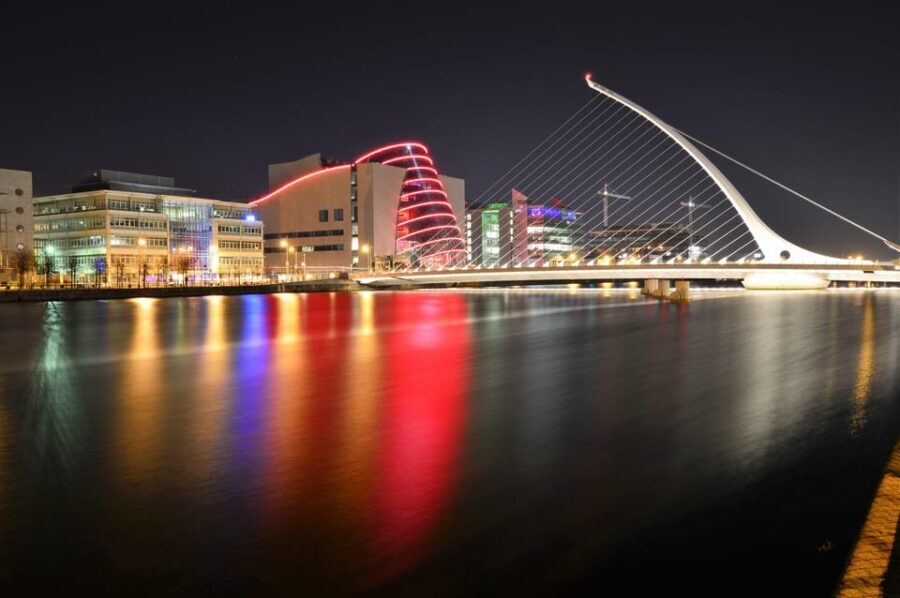
If you have limited time in Dublin, this is the kind of tour that helps you get your bearings fast. In two hours, you’ll hit the city’s most recognizable landmarks and learn what connects them—street by street, bridge by bridge.
This walk is especially good because it’s designed to be readable. You won’t spend your time hunting for “the right” viewpoint. Instead, the guide brings you to the key angles you’d normally only find after wandering for a while. And because the tour includes explanations outside buildings, you can still cover a lot even when places are crowded or require tickets.
Also, the price is easier to justify when you look at the structure: $54 per person buys you a live guide plus a fast route through multiple major sites. You’re essentially paying for two things—interpretation and efficiency—rather than ticket entry.
You can also read our reviews of more walking tours in Dublin



The Spire start: the quickest way to orient yourself in central Dublin

You begin at the foot of the Spire on the GPO side. That matters more than it sounds. Dublin’s center can feel like a web of streets, but the Spire acts like a strong anchor point for everything you’ll see next.
From this start, you’ll also get context for O’Connell Street / Bridge Portal / the Spire—basically, how this part of town has shaped movement and public life. Even if you’ve seen the landmark in photos, standing beside it helps you understand the scale and why it became such a reference point for the city.
If you like walking tours that help you stop “guessing” and start knowing where you are, this opening does that job.
GPO Museum stop: why that building matters even from the street
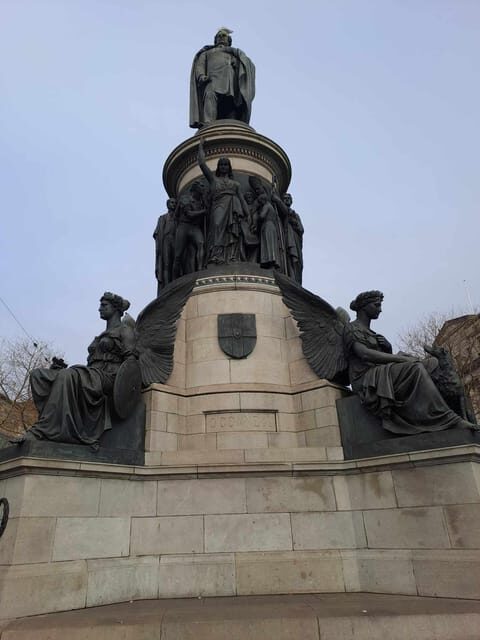
Next up is the GPO (General Post Office) area. You’ll get a guided stop and explanation connected to the building’s importance to Dublin’s modern story.
Since the tour is built around outside viewing, you’re not expected to enter. Still, this stop is worth it because big civic buildings like the GPO often feel like backdrops until someone explains why they matter. The guide’s job here is to make the architecture and location click with the city’s events and identity.
Practical tip: GPO and O’Connell Street are busy zones. Wear comfortable shoes and keep your phone tucked away until you’re at the exact spot the guide indicates, so you don’t miss the explanation.
O’Connell Street and Ha’penny Bridge: Dublin’s “movement story” in one line
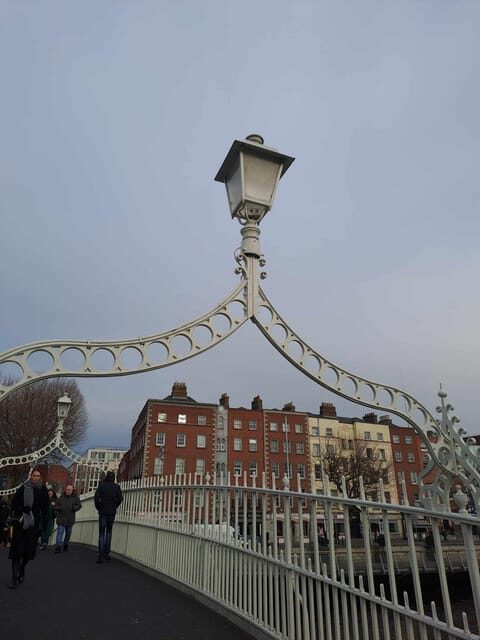
Then the tour focuses on the spine of central Dublin: O’Connell Street and the walk’s most photogenic crossing, Ha’penny Bridge.
What I like about this section is the way it connects streets to the river. The itinerary includes Liffey and its Bridges, and you’ll feel that logic as you move. O’Connell Street is the urban artery. The Liffey is the physical divider and connector. Bridges are where the city negotiates both.
Even if you’ve seen Ha’penny Bridge before, having a guide explain why this bridge became a key crossing—and how the river shaped everyday Dublin—turns it from a postcard to a real piece of city function.
If you’re the type who likes your photos with context, you’ll appreciate this part of the walk.
Temple Bar District: more than pubs and people-watching
From the river crossings, you head toward Temple Bar District. This is one of Dublin’s most famous neighborhoods, and the key value of the tour here is the framing.
You’ll learn how the area fits into Dublin’s culture and identity, not just what to do there at night. The guide’s explanation helps you understand why Temple Bar became the name people associate with Dublin—how the streets became a stage for music, social life, and cultural energy.
Important note: this is a walking tour, not a nightlife plan. So keep expectations realistic: you’ll enjoy Temple Bar’s character, but you’re not being routed through bars.






A short “less famous” stretch: the points between major landmarks

The route also includes multiple stops described as hidden/secret or lesser-known points. You’ll hear guided explanation at these places too.
I like these inserts because they break the pattern of only seeing the biggest names. They also help you avoid the common walking-tour problem where everything feels like a sequence of photo ops. When the guide adds context at the in-between spots, Dublin starts to feel like a lived-in city instead of a checklist.
You can think of these as the tour’s way of making the “between” streets worth your attention.
Christ Church Cathedral from the outside: power, faith, and the city’s backbone
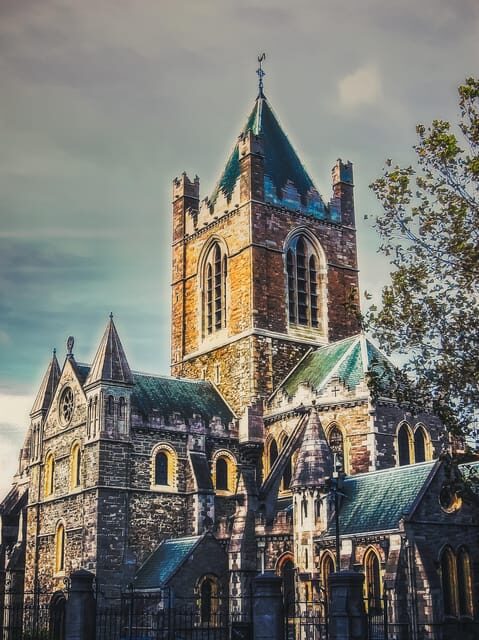
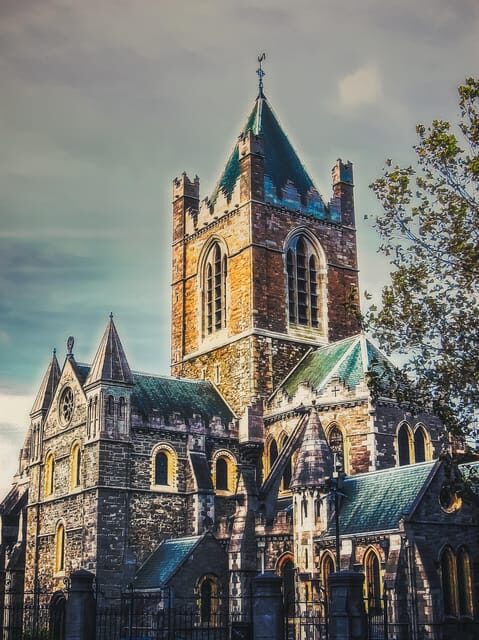
Then you’ll stop by Christchurch Cathedral for guided explanation from outside. You get a clear sense of why it’s been part of Dublin’s identity for centuries, and how its presence shapes the area around it.
Cathedrals can feel distant when you only see the front façade. From the street, the most useful thing your guide can do is connect the building to the city’s development—how faith and authority played into where people built, gathered, and governed.
Even without going inside, the storytelling here can make the cathedral feel like a landmark with a job, not just a scene for sightseeing.
Dublin Castle: medieval Dublin to the present, without the ticket headache
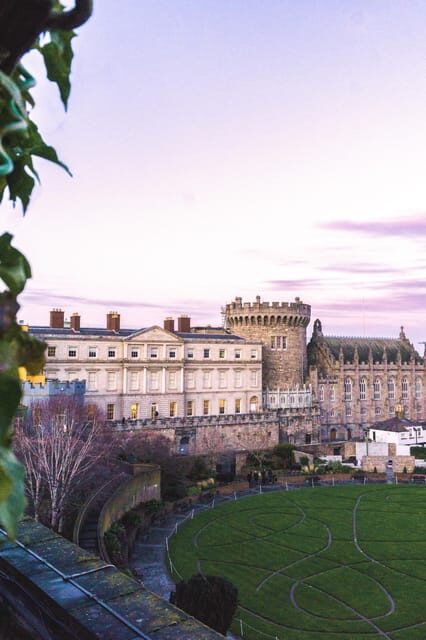
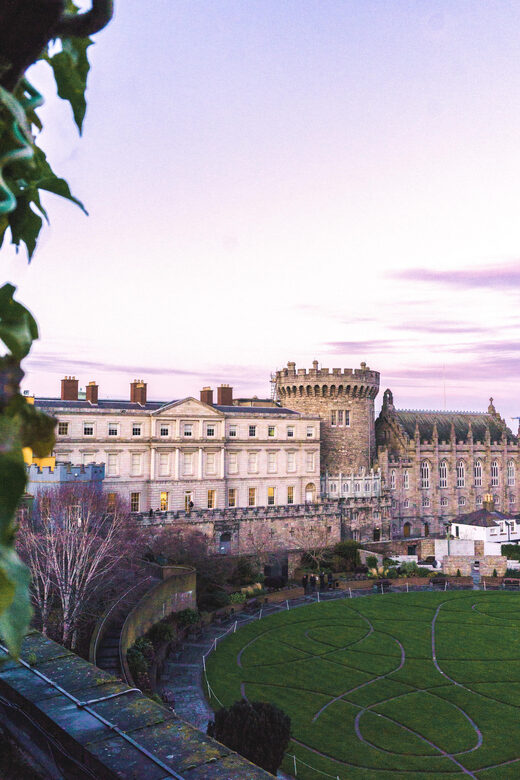
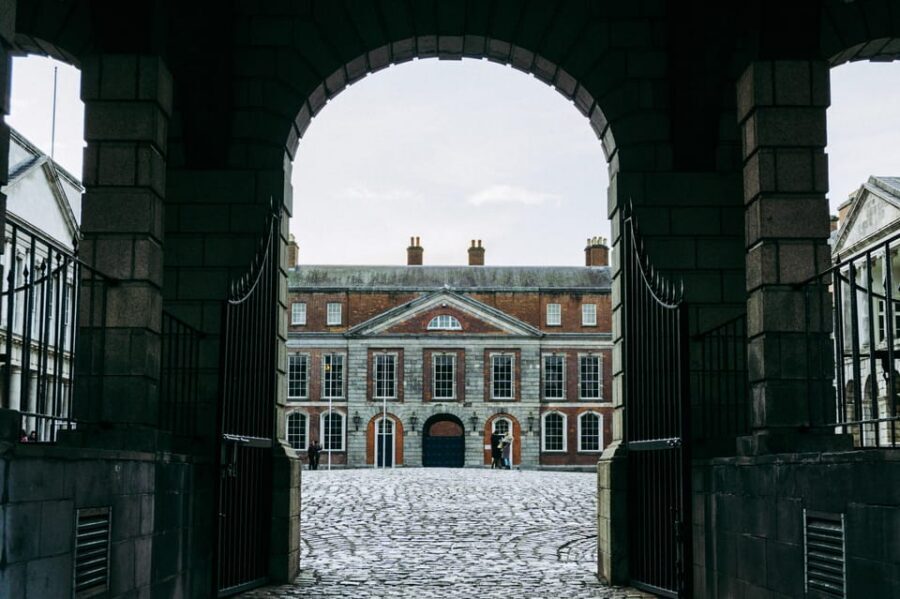
Next is Dublin Castle / Medieval Dublin. This is a strong stop for anyone who wants historical meaning without spending hours in queues.
Because the tour provides explanation outside, you’ll get the overview you need: how medieval Dublin developed around power, administration, and control, and how the castle became part of the city’s public face. It’s also a good moment to notice how Dublin’s grand buildings sit right in the flow of ordinary street life.
This is one place where the tour format is a win. If you’re trying to see a lot in a short day, you don’t want your entire schedule tied to one indoor visit. Here you still get the storyline.
St Patrick’s Cathedral: the calm counterpoint in the same central zone
After the castle context, you’ll head to St Patrick’s Cathedral. The shift in feel is part of the value: it gives you a quieter, more reflective pause compared with the bustle of O’Connell Street and Temple Bar.
From the outside, you’ll still get guided explanation tied to the cathedral’s importance. That matters, because St Patrick’s is the kind of landmark where people take pictures but often miss why it’s so tied to Dublin’s identity.
Plan to stand a moment longer than you think you need. Even on a fast tour, this stop works best when you let your brain catch up.
Trinity College as a finish point: what to do after the tour
You’ll finish at Trinity College Dublin. That’s a smart end location because it’s not just a landmark—it’s a living place. Even if you don’t go inside during the tour, arriving at the campus at the end makes it easy to continue your Dublin day on your own terms.
Trinity College also ties back to the tour’s theme: Dublin’s identity is built from multiple layers—civic institutions, religious landmarks, and educational power. Ending here helps you see the big arc.
Practical idea: after the tour, take a slow walk around the edges of the campus area and compare what you saw earlier. You’ll likely notice how the city’s “big names” connect through streets and river geography.
How you’ll learn: outside-the-building explanations that actually help
One of the most useful things about this tour is what it doesn’t do. You won’t be visiting the interiors of the landmarks. That keeps the tour moving and protects the schedule, but it also means the guide’s interpretation becomes the product.
When a guide talks about exterior details—location, orientation, how a building relates to streets and river crossings—you end up understanding Dublin as a city you can navigate. That’s especially helpful if you’re a first-time visitor.
If you hate spending your limited sightseeing time in lines, this “see it, understand it, move on” format is a good fit.
French-language guide, question time, and the human touch
The tour is led by a live guide in French. If that works for you, it’s a bonus: you’ll get guidance and explanations in a way that’s often more natural than reading off a sign.
From the style that stands out in the tour experience, the guide approach is patient and question-friendly. People seem to enjoy guides who slow down when you ask things, and who add a bit of humor without turning the tour into a lecture.
If you’re going with a group, this matters too. A tour with good pacing makes sure the whole group can hear and not feel left behind.
Value check: is $54 per person worth it?
For $54, you’re buying a guided walk that packs in:
- multiple major Dublin landmarks,
- guided explanation at each stop,
- a route that’s designed for 2 hours of concentrated sightseeing.
The value is highest if you want interpretation and orientation more than you want ticketed entry. If your ideal Dublin day includes long indoor visits, you might find you’ll still want extra time afterward. But if you want the city’s key highlights with context in one go, this price fits the format.
Also, because the tour focuses on outside stops, it’s generally less dependent on how long lines or entry logistics take. That makes it a dependable way to use a short visit.
Who this tour suits best (and who might prefer something else)
This Dublin highlight walk is a great match if you:
- want a structured way to see central sights,
- prefer outside viewpoints and guided storytelling,
- are time-limited and don’t want to plan routes,
- enjoy learning the “why” behind famous places.
It’s less ideal if you:
- specifically want to enter and tour inside major buildings and museums during the same visit,
- need English-language guidance (since the guide is French),
- dislike dense central-city walking.
Should you book the Dublin highlight walking tour?
I’d book this if your goal is fast orientation plus meaningful context at the biggest central landmarks—Spire, GPO, O’Connell Street, Ha’penny Bridge, Temple Bar, Christ Church, Dublin Castle, St Patrick’s, and then Trinity College.
I’d hold off or pair it with another activity if your must-do list includes interior visits right away. This tour is about the city’s outside story, told clearly while you walk it.
Bottom line: if you want Dublin highlights with guidance in a manageable 2-hour format, this is a solid, practical way to spend your time.
FAQ
How long is the Dublin walking tour with top 10 highlights?
The tour lasts 2 hours.
What is the price per person?
The price is $54 per person.
Where does the tour start and where does it end?
It starts at the foot of the Spire (GPO side). The route finishes at Trinity College Dublin.
Is the tour inside Trinity College, Dublin Castle, or the cathedrals?
No. Explanations are provided outside the buildings, and you do not visit inside.
What language is the live guide?
The live tour guide is French.
Is the tour wheelchair accessible?
Yes, it is wheelchair accessible.
What should I bring for the walk?
Bring comfortable shoes and weather-appropriate clothing.
Is there free cancellation?
Yes, you can cancel up to 24 hours in advance for a full refund.