REVIEW · DUBLIN
Dublin: Irish Famine Exhibition Entry Ticket
Book on GetYourGuide →Operated by Irish Famine Museum / Exhibition · Bookable on GetYourGuide
A small room with big consequences. In Dublin, this Irish Potato Famine exhibition ticket turns history into a walk-through with storyboards, films, rare 19th-century photos, and original artifacts that explain what happened step by step. It’s in the Stephens Green Shopping Centre area, and it’s open every day from 12pm to 6pm.
I especially like the way it uses primary materials you can actually look at—two original newspaper articles and two personal letters (including one from a father to his son and one from a tenant to his landlord). I also like the show-and-tell approach: workhouses, evictions, coffin ships, and disease are presented in clear sections, supported by old photographs that make the scale feel real.
One possible drawback: this is not a light, feel-good exhibit. The subject matter is emotionally heavy, and you’ll see details about suffering, death, and displacement.
In This Review
- Key things to know before you go
- Finding the Irish Famine Exhibition at Stephens Green Shopping Centre
- What a “step-by-step” visit feels like in the exhibition rooms
- The core story: the Irish Potato Famine and why the wording is debated
- Workhouses, evictions, coffin ships, and disease: what each section emphasizes
- The documents you can actually see: newspapers and personal letters
- The cast iron soup pot: why everyday objects matter here
- Watching the 15-minute overview film without breaking your flow
- Translations and pacing: how to make it work for your language needs
- Price and value: is $16 worth it in Dublin?
- Who this exhibition ticket is best for
- Should you book the Dublin Irish Famine Exhibition Ticket?
- FAQ
- How much is the Dublin Irish Famine Exhibition entry ticket?
- How long is the ticket valid?
- Where is the exhibition located?
- What are the opening hours?
- How much time should I allow for the visit?
- What will I see inside the exhibition?
- Is there a film during the visit?
- Are translations available?
- What isn’t included with the ticket?
- Can I cancel and get a refund?
Key things to know before you go

- Self-paced, story-by-story layout that keeps the “what happened?” question front and center
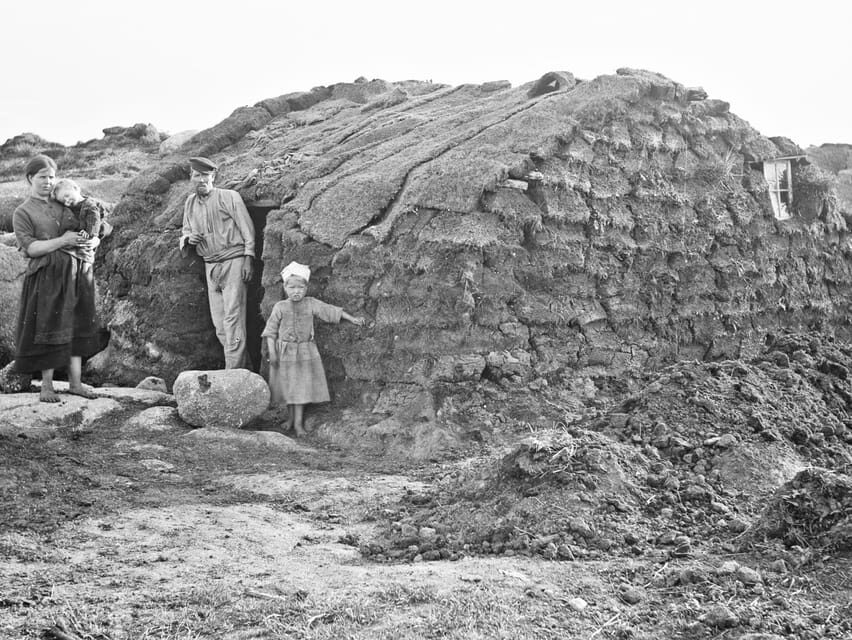
- Rare 19th-century photographs that give faces and settings to the story
- Original artifacts including newspapers, personal letters, and a cast iron soup pot
- A 15-minute overview film with seating built into the visit flow
- On-site benches in the rooms so you can pause and actually read
Finding the Irish Famine Exhibition at Stephens Green Shopping Centre
The Irish Famine Exhibition sits inside Stephens Green Shopping Centre, in unit 200b. If you enter from the main entrance off Grafton Street, go in, take the elevator on the right about 20 metres in, then go to the 2nd floor and turn left. If you’re coming from the car park entrance, you’ll find it toward the opposite end of the centre.
This kind of location matters more than you’d think. You get a museum-like experience in a central, easy-to-reach spot, so you can pair it with the rest of a Dublin day without building an extra trip around it. Plan to give yourself time to orient and settle in, because once you start reading, you won’t want to rush.
Tickets are valid for 180 days, but you’ll see available starting times when you book. That makes this a good option if you’re traveling with some flexibility rather than pinning everything to one exact hour.
A few more Dublin tours and experiences worth a look



What a “step-by-step” visit feels like in the exhibition rooms

You’ll spend most of your time moving through several rooms with storyboards. The exhibition is designed to be easy to follow, with the “story” revealed in order, rather than you having to piece everything together yourself. There’s also seating built into the rhythm of the visit: there’s a bench in each room, plus designated seating for the film.
You should allow at least one hour. In practice, if you actually stop and read the storyboards and take in the photos and documents, you’ll probably feel like you’ve done the visit well rather than skimming. The exhibit is also open daily from 12pm to 6pm, which makes it simple to fit into a midday slot.
No group tour script is required—this is a walk-through you control. That’s a plus if you like history at your pace, especially when the materials include personal letters and newspaper clippings that deserve a slow look.
The core story: the Irish Potato Famine and why the wording is debated
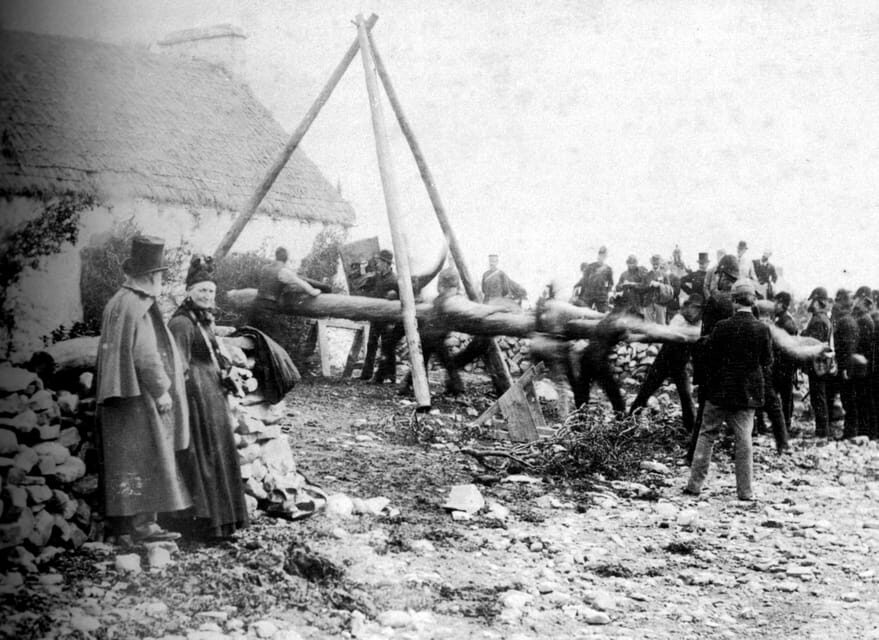
The exhibition focuses on the Irish Potato Famine, described as the most catastrophic event in Ireland’s turbulent history. It also raises a key framing question: the word famine is considered controversial in this context, because Ireland at the time was part of the British Empire, and there was food in the country during those years.
From there, the exhibit pushes you to ask the uncomfortable question that gives the whole experience its tension: if food existed, how did starvation and disease still become so widespread? That’s where the exhibit earns its keep. It isn’t just a tragedy display—it’s structured to help you understand how systems and policies can turn crop failure into mass suffering.
You won’t leave with just names and dates. You’ll leave with a bigger sense of how poverty, vulnerability, and forced hardship can magnify disaster until it becomes catastrophic on a national scale.
Workhouses, evictions, coffin ships, and disease: what each section emphasizes
The exhibition highlights several major themes, and it doesn’t treat them like separate tragedies. It groups them in a way that helps you see how one hardship can feed the next.
You’ll learn about workhouses, evictions, coffin ships, and disease—each presented as part of the larger mechanism of breakdown. Workhouses show the attempt to manage poverty through harsh systems. Evictions illustrate how people could lose their homes and security when conditions worsened. Coffin ships bring home the cost of leaving, and disease underscores how crowded, stressed communities can become even more vulnerable when resources collapse.
This is one of the exhibition’s strongest features: the topics are heavy, but the presentation is orderly. It’s not random horror. It’s organized cause-and-effect history, built to answer the question: how could it happen?
The documents you can actually see: newspapers and personal letters
If you like history when it becomes specific, you’re going to value the original documents section. The exhibit displays two original newspaper articles describing the catastrophe. Seeing how newspapers reported the crisis (not just later interpretations) adds a layer of immediacy.
Even more striking are the two personal letters. One is from a tenant to his landlord, and the other is from a father to his son. Those letters help you shift from statistics to individual stakes—what it meant to negotiate with power, and what it meant to try to protect family through letters when the world outside was breaking.
A simple practical tip: when you hit the letters, slow down. Read them once through, then look again for tone and urgency. Even if you only catch some details, the intent comes through, and it makes the surrounding storyboards hit harder.
You can also read our reviews of more museum experiences in Dublin





The cast iron soup pot: why everyday objects matter here
The exhibit also includes an original cast iron soup pot. That detail is more than a prop. It anchors the famine story in everyday survival and the reality that meals—ordinary, routine things—were suddenly tied to life or death.
In a history museum, objects like this are powerful because they don’t need explanation to be meaningful. You can understand it at a glance. It also reinforces the exhibit’s broader point: systems and events aren’t abstract. They show up in what people can cook, carry, share, and eat.
Watching the 15-minute overview film without breaking your flow
In each room, there’s seating for a 15-minute overview film. The format matters because the film doesn’t replace the storyboards; it supports them. Use it as a checkpoint—watch it when you feel you need a clearer “big picture,” then go back to the storyboards with fresh context.
If you’re the type who reads everything first, you might prefer to start with the storyboards and use the film midway. If you’d rather get orientation first, do the film early, then return to the rooms with better bearings.
Either way, the film length is short enough that it won’t steal your whole visit time, but long enough to tie the sections together.
Translations and pacing: how to make it work for your language needs
You’re provided with a translation manual in French and German and Italian (the listing repeats French, but you can count on those languages being covered). That’s useful if you want to read along closely instead of relying on audio or guesswork.
This exhibit is also built for pauses. With benches in the rooms, you don’t feel forced to keep moving. You can stop, rest your legs, and read without turning the visit into a sprint.
If you want the best experience, treat it like a guided conversation with the past: read a section, watch the film when it fits, then return for the artifacts and letters once you’ve got the broader story in place.
Price and value: is $16 worth it in Dublin?
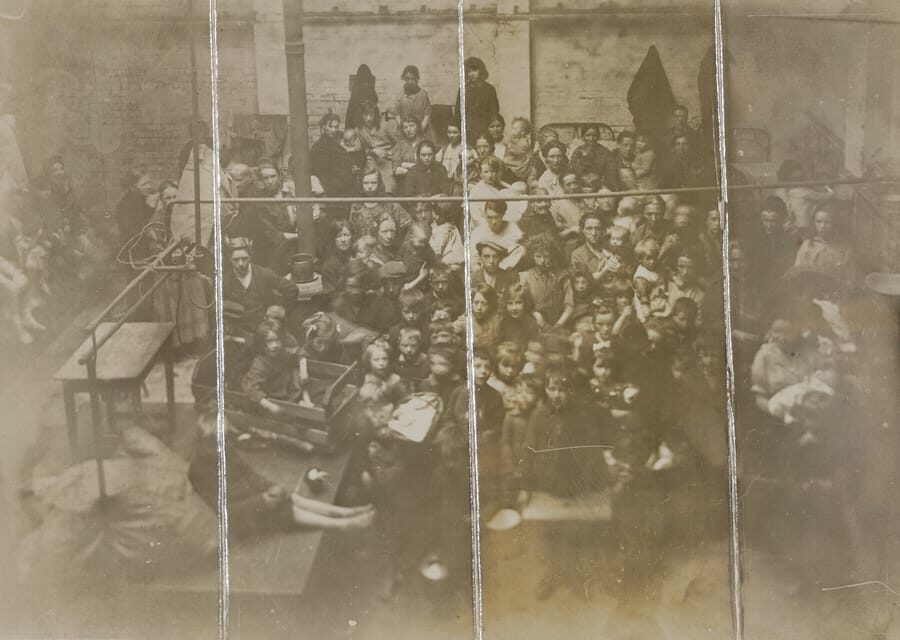
At about $16 per person, this ticket feels like strong value if your goal is understanding rather than just collecting highlights. You get entry to the exhibit, a structured one-hour walk-through, a film, and access to original materials like newspapers and personal letters.
The value also comes from the way the exhibit handles heavy history. You’re not just reading a list of tragedies—you’re guided through the “how it happened” logic, with objects and documents that make the information concrete.
One thing to note: the book and USB stick are not included. If you love the exhibit and want something to bring home, you can buy a book or a USB stick at the reception desk. If you’re trying to keep costs down, you can skip that and just take notes on your phone while you’re there.
Who this exhibition ticket is best for
This is a great choice if you want serious history in a practical, readable format. It works well for:
- People who like museums that explain cause-and-effect, not just dates
- Readers who appreciate primary-source material like letters and newspapers
- Anyone building a Dublin itinerary that mixes culture with context
It may be less ideal if you’re in “light and funny only” mode. The famine story includes suffering, disease, displacement, and forced hardship. Even with clear presentation and benches for pacing, the content is intense.
Should you book the Dublin Irish Famine Exhibition Ticket?
I’d book this if you want a focused, understandable exhibition that uses real documents and visuals to answer a hard question: how did disaster become mass death and exile? The pacing is manageable, the visit length is clear (about an hour if you read), and the materials go beyond generic storytelling with newspapers, letters, and an original cast iron soup pot.
Skip it only if you know you can’t handle emotionally heavy history right now. Otherwise, this is one of those Dublin experiences that sticks with you for the right reasons—because it makes the story specific, not vague.
FAQ
How much is the Dublin Irish Famine Exhibition entry ticket?
It costs $16 per person.
How long is the ticket valid?
The ticket is valid for 180 days. Starting times depend on availability when you book.
Where is the exhibition located?
It’s in unit 200b inside Stephens Green Shopping Centre in Dublin. The directions point you to the elevator near the main entrance off Grafton Street, then to the 2nd floor and left.
What are the opening hours?
The exhibition is open every day from 12pm to 6pm.
How much time should I allow for the visit?
Allow at least one hour. The exhibit includes benches in the rooms and a 15-minute overview film.
What will I see inside the exhibition?
You’ll see storyboards, films, rare 19th-century photographs, and original artifacts such as newspaper articles, personal letters, and a cast iron soup pot. It also covers workhouses, evictions, coffin ships, and disease.
Is there a film during the visit?
Yes. There’s a 15-minute overview film, and seating is provided for it.
Are translations available?
Yes. A translation manual is provided in French, German, and Italian.
What isn’t included with the ticket?
The book and USB stick are not included in the ticket price (they’re available for purchase at reception).
Can I cancel and get a refund?
Yes. Free cancellation is available up to 24 hours in advance for a full refund.