REVIEW · CORK
Cork Private Walking Tour
Book on GetYourGuide →Operated by Travmonde OÜ · Bookable on GetYourGuide
Cork survived everything, so you will too. This private 2-hour walking tour connects Cork’s layers of change—from Viking arrivals to later unrest—with hands-on stops like churches, the English Market, and an easy stroll along the River Lee. You’ll get a local guide who can steer the pace and focus to match your interests.
Two things I’d put at the top: the way the story threads together trade, conflict, and everyday life, and the time you spend in Cork’s famous food hub at the English Market. One consideration: entrance fees aren’t included, so you may want to plan a little extra if a stop involves paid entry.
In This Review
- Key things to know before you lace up
- Why Cork’s story keeps restarting (and why that’s fun)
- The 2-hour private format: how you’ll feel the time
- Where you start at Grand Parade (and why that’s a smart launch)
- Ancient monastic settlement: the slow start beneath the streets
- Vikings, Norse settlers, and Cork’s trade gravity
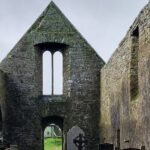
- Churches as wayfinding: power, faith, and architecture
- The Black Death and Wars of the Roses: when the world hits Cork
- English Market: the break from the past (with real local flavor)
- Walking the River Lee: finishing with air and views
- Price and value: $284 for up to 15 people
- Who this tour suits best (and who might want a different option)
- A quick reality check before you book
- FAQ
- FAQ
- How long is the Cork Private Walking Tour?
- Where does the tour start?
- Does the tour end back at the meeting point?
- What is the price for the tour?
- Is this tour private?
- What languages are available?
- Are entrance fees included?
- Can the tour be customized?
- What is the cancellation policy?
- Is there a reserve and pay later option?
Key things to know before you lace up
- A private guide with room to customize on the spot, so you’re not stuck with a rigid script.
- Cork’s power shifts, explained clearly, from Viking/Norse influence to later Irish turmoil.
- English Market time gives you a break from the history talk and a taste of local life.
- Church stops help you see how faith and power shaped the city’s look.
- Walking along the River Lee adds fresh air and an easy finish back near where you started.
- Small-group feel for up to 15 people keeps the tour interactive.
Why Cork’s story keeps restarting (and why that’s fun)
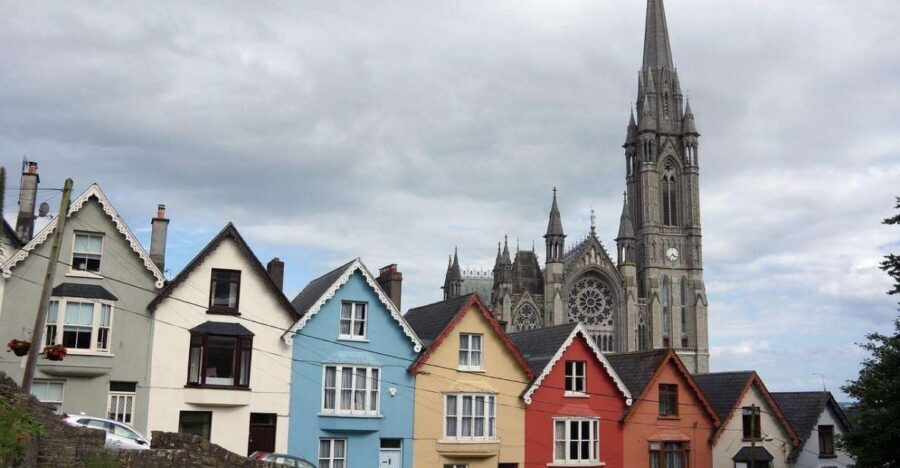
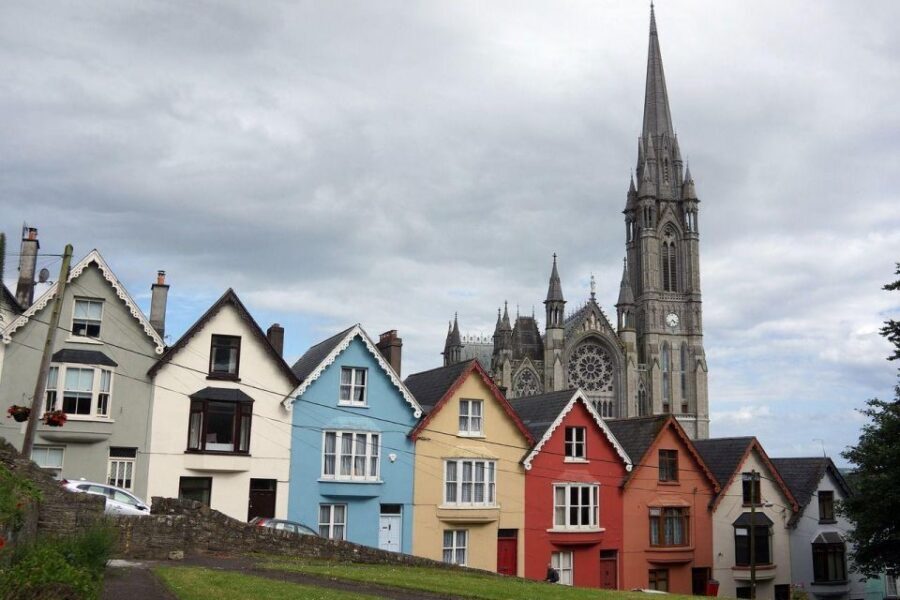
Cork’s not the kind of place with one single “main” story. It’s more like a palimpsest: old lines show through newer writing. This tour leans into that reality, moving from Viking invasions and Norse settlers to later eras that shaped the city’s identity, including the Irish Civil War.
I like how the guide’s approach makes the past feel usable. You’re not just memorizing dates. You’re learning how power, trade, and survival changed what Cork looked like—and how people lived from day to day. And because you’re walking, those connections stay anchored in the streets you can actually see.
You can also read our reviews of more walking tours in Cork

The 2-hour private format: how you’ll feel the time
This is a private group tour that lasts about 2 hours, with starting times that depend on availability. That timing matters. In a city like Cork, a short tour works best when it’s focused and guided well—otherwise you end up chasing sites instead of understanding them.
The private format also helps you ask the questions that usually get awkward on group tours: Why did Cork matter to long-distance trade? How did later wars affect the city? What’s the logic behind these church locations? With a local guide in charge of your group only, the conversation can stay on your interests.
And from what’s highlighted in guide experiences, the pacing is meant to be comfortable—enough time to absorb what you’re hearing and to ask follow-ups without the guide rushing to the next stop.
Where you start at Grand Parade (and why that’s a smart launch)
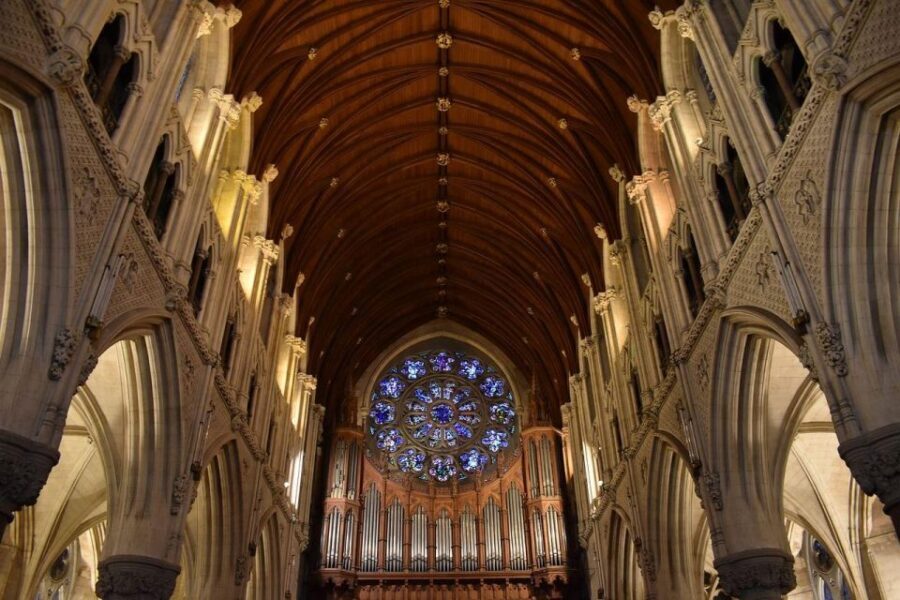
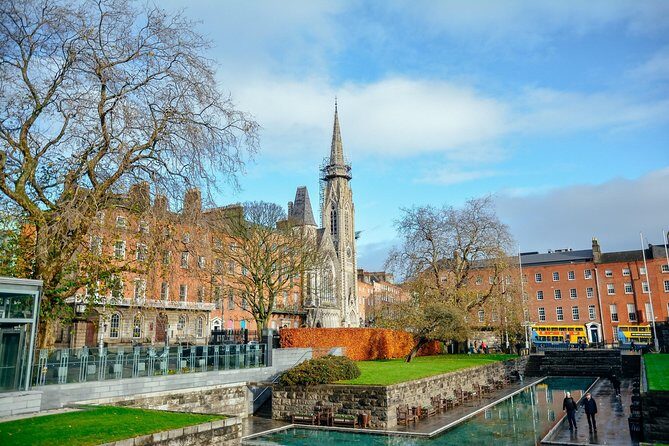
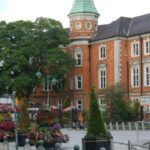
You meet at National Monument, 48 Grand Parade, Centre, Cork (T12 PY86), Ireland. Starting at a landmark area like this is useful because you can orient yourself fast. Cork can feel compact, but it’s easy to get turned around if you’re relying only on map apps.
This also sets you up for a walk that moves through layers of the city without needing transfers or taxis. The tour ends back at the meeting point, which is one of those underrated conveniences. No guesswork about where to regroup or how to get back after the history-heavy part.
Ancient monastic settlement: the slow start beneath the streets
One of the tour’s headline themes is Cork’s ancient monastic settlement. Even without naming every exact site here, the point is clear: early religious communities helped shape the city’s early rhythm—where people gathered, what ideas spread, and which places became anchor points over time.
When you’re on foot, these kinds of origins feel more real. You’re seeing the city at human scale, and the guide can connect the dots between old settlement patterns and later development. It’s also a good mental warm-up before the story gets more political and chaotic.
What to watch for: look for the way churches and church-adjacent buildings dominate key sightlines. Early communities often left durable “centers,” and later eras built around them.
Vikings, Norse settlers, and Cork’s trade gravity
Cork’s Viking-era chapter is one of the most compelling parts of this tour. The experience is designed to explain not only the invasion angle, but the long-term shift that came after—Norse settlers and their influence on commerce.
Here’s why that matters for you: trade turns stories into maps. When Cork becomes a vital trading center, the city stops being just a backdrop. It becomes a hub with reasons for why goods moved through it and why power wanted a foothold there. That’s where Viking and Scandinavian threads become more than trivia.
The tour’s highlights also point to Cork’s role in a global Scandinavian trade network. You’ll likely see how the guide frames Cork as a connector rather than an isolated place. It’s a satisfying way to understand why the city attracted attention across large distances.
Tip: if you like history that explains cause-and-effect, focus on what the guide says about routes, commerce, and why certain eras left stronger marks on the city than others.
You can also read our reviews of more private tours in Cork
Churches as wayfinding: power, faith, and architecture
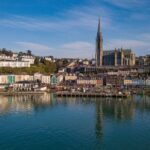
This isn’t a “museum-on-streets” kind of walk. It’s a guided pass through places like churches, where architecture and location carry meaning. Churches in a medieval and early modern city often acted as more than religious centers. They were also landmarks, political symbols, and community anchors.
If you’re trying to understand Cork quickly, churches are a smart lens. They show you what the city chose to invest in, and when. They also help explain how the city’s identity got layered over time—especially as it survived invasions and later internal conflict.
What you’ll get: the guide connects the physical spaces you’re looking at with the historical pressures behind them. That turns a quick stop into a “now I see it” moment.
The Black Death and Wars of the Roses: when the world hits Cork
The tour also brings in shocks that traveled far beyond Ireland: the Black Death and the Wars of the Roses. Those events are often taught as “elsewhere” history, but here they’re presented as pressures that affected trade, stability, and the everyday reality of cities.
This is where the guide’s style matters. If the explanation stays too abstract, you lose the thread. But when it’s done well, these events become practical: fewer people, changing economic conditions, shifting authority, and ripple effects across trading networks.
Even without you memorizing timelines, you’ll understand the pattern. Cork didn’t exist in a bubble. It was linked to wider European currents, and those currents could change what the city could do—and how quickly it could recover.
English Market: the break from the past (with real local flavor)
You’ll spend time at the English Market, and that stop isn’t just a photo break. It’s the tour’s best “reset button.” After you’ve been hearing about centuries of conflict, trade routes, and upheaval, the Market puts daily life back on the map.
This is where Cork feels immediate. You can look at the stalls, hear the activity, and see how the city’s identity still circles around commerce and community—exactly the kinds of forces the guide has been talking about. The Market’s role as a food hub also makes the city’s resilience feel tangible. People keep showing up. Markets keep functioning.
How to use the time: don’t treat it like a sprint. If you want value, use the pause to ask your guide what the Market represents historically compared with today’s role in the city.
Walking the River Lee: finishing with air and views
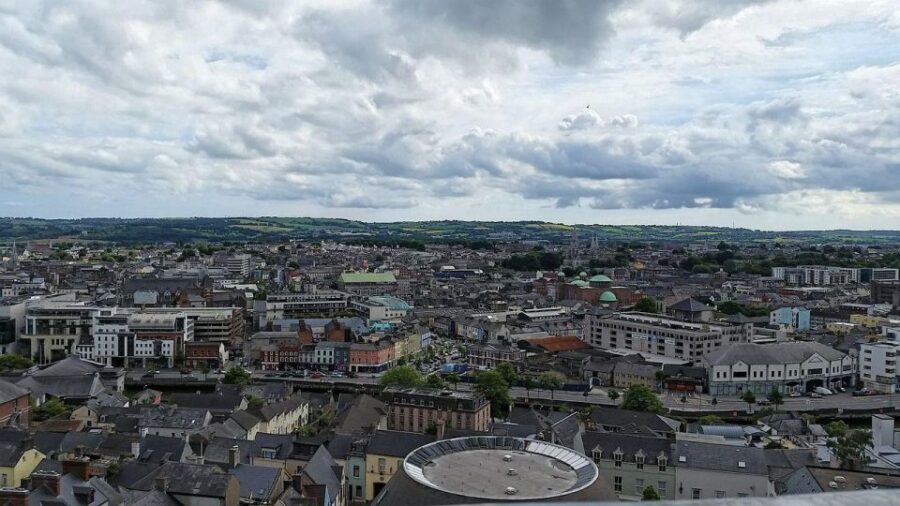
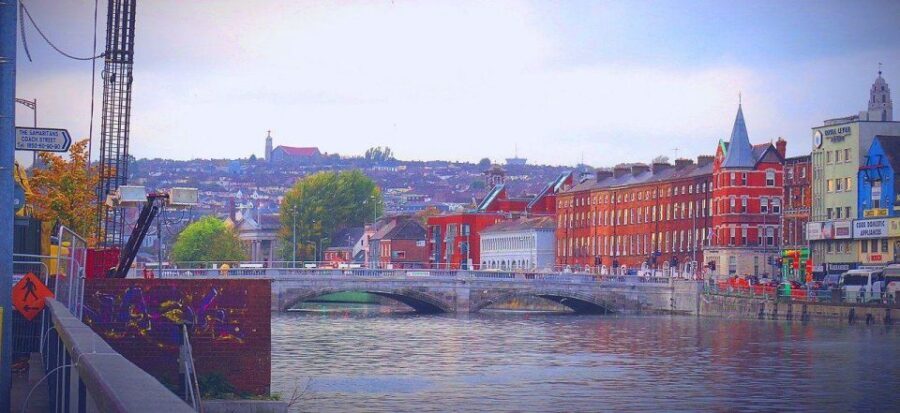
The tour includes a stroll along the River Lee, described as scenic. That isn’t random. River routes often shaped cities from the beginning—trade, movement, defense, and even the city’s expansion choices.
By the time you reach the water, your brain is ready for a change of tempo. A river walk slows your senses down and gives you a better sense of Cork’s geography. It also makes the tour feel complete: history, city structure, food life, and then a natural line that ties it together.
Good to know: because this is a walking tour, wear comfortable shoes. Even on a good day, Cork’s streets can be a bit uneven and you’ll want your feet to keep you happy for the full two hours.
Price and value: $284 for up to 15 people
At $284 per group up to 15, the price isn’t about buying a ticket per person. It’s about paying for a private guide time block.
So the value depends on your group size:
- If you’re a small group, the per-person cost rises.
- If you’re 10 to 15 people, you’re spreading the guide cost across more heads, which tends to make the experience feel like a bargain.
For the kind of tour this is—story-driven, private, and potentially customizable on the spot—the best value usually comes when you can bring friends or family and keep the conversation going. If you’re traveling solo or as a couple, it can still be worth it if you want an intimate experience and don’t want to blend into a bigger group.
Also, remember entrance fees aren’t included, so if any stop requires payment, that can add to the total. Think of the listed cost as the guide and the walking time, with site fees handled separately.
Who this tour suits best (and who might want a different option)
This private walk fits best if you:
- like history that explains why places matter, not just what happened
- want architecture and food life tied together in one route
- prefer a guide you can ask questions to without time pressure
- enjoy walking city centers and learning through street-level observation
It may feel less ideal if you:
- want a longer day with many paid attractions
- need frequent breaks beyond a typical two-hour walking rhythm
- don’t care about churches or Market stops and only want one single theme
A quick reality check before you book
If your goal is a focused, guided introduction to Cork—Viking roots, trade networks, major historical shocks, churches, English Market, and a River Lee finish—this tour is a strong fit. The biggest strength is the private setup: you get a guide who can keep it informative and adjust the flow to your interests.
If you’re planning paid entries, budget a bit extra for entrance fees. And if you love flexibility, this tour’s on-the-spot customization can be a real win.
FAQ
FAQ
How long is the Cork Private Walking Tour?
The tour duration is 2 hours.
Where does the tour start?
It starts at National Monument, 48 Grand Parade, Centre, Cork, T12 PY86, Ireland.
Does the tour end back at the meeting point?
Yes, the activity ends back at the meeting point.
What is the price for the tour?
The price is $284 per group, up to 15 people.
Is this tour private?
Yes, it’s a private group tour.
What languages are available?
The tour is available in English and Irish.
Are entrance fees included?
No, entrance fees are not included.
Can the tour be customized?
Yes. There is possible customizing on the tour with your local guide on the spot.
What is the cancellation policy?
You can cancel up to 24 hours in advance for a full refund.
Is there a reserve and pay later option?
Yes. You can reserve now & pay later.