REVIEW · DUBLIN
7-Day Great Atlantic Adventure Small-Group Tour of Ireland from Dublin
Book on Viator →Operated by Overland Ireland LTD · Bookable on Viator
Seven days is an efficient way to see Ireland. I love how this route pairs big-name stops like Blarney Stone with hands-on adventure such as kayaking in Dingle Bay. The trade-off is that it can be physically demanding, especially the Croagh Patrick hike.
You’ll get 6 nights in local guesthouses or boutique hotels, plus round-trip transport and a pile of included tickets. With a group capped at 15 people, the days feel less like a cattle call and more like a guided road trip with time for questions.
In This Review
- Key Things That Make This Tour Worth Your Time
- Blarney Stone to Croagh Patrick: what the week feels like
- Day 1: Cork’s Rock of Cashel, Blarney Castle, and a Kinsale harbor evening
- Day 2: Kenmare stone circle, Killarney National Park cycling, and onward to Dingle
- Day 3: Dingle Bay kayaking and Slea Head Drive’s cliffside history
- Day 4: Sheepdog demonstrations, the ferry crossing, and Cliffs of Moher on foot
- Day 5: Inis Oírr biking, Burren limestone country, and Galway’s live-music pull
- Day 6: Connemara’s Lough Inagh, Kylemore Abbey gardens, and Westport downtime
- Day 7: Croagh Patrick hike over Clew Bay, then back to Dublin
- Price and value: what $2,655.60 covers (and what it doesn’t)
- Who should book this Great Atlantic Adventure, and who should pass
- Should you book this small-group Ireland week?
- FAQ
- What’s included in the 7-Day Great Atlantic Adventure tour price?
- How many breakfasts are included?
- Are lunch and dinner included?
- How large is the group?
- Where do you start and end the tour in Dublin?
- What should I pack for the trip?
- Is there a luggage limit?
- Can I choose a private room?
- What happens if the Aran Islands ferry can’t run due to weather?
Key Things That Make This Tour Worth Your Time
- Big icons plus real activities: kissing the stone, kayaking, biking, and hiking, not just photo stops.
- Small-group rhythm: easier conversations with your guide and fewer bottlenecks at sights.
- Top coastal hits are guided: the Cliffs of Moher walk is led on foot, with quieter paths for better viewpoints.
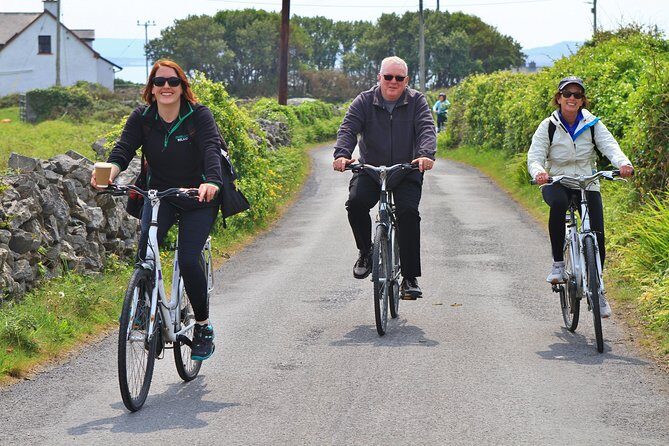
- Aran Islands are active, not passive: you cycle around Inis Oírr at your own pace after the ferry.
- West coast nights have personality: Doolin music and Galway’s live scene bookend the quieter island time.
Blarney Stone to Croagh Patrick: what the week feels like
This isn’t a slow “museum and tea” Ireland week. It’s a tour built around movement: coastal air, hills, bikes, and water time. Even when the itinerary includes free time, the day structure still keeps you moving from one highlight to the next.
What I like most is the mix of famous and practical. Ireland’s headline sights are here, but you’re also getting active experiences that help the places sink in—especially kayaking in Dingle Bay and the day on Inis Oírr.
The physical part is real. You’ll be fine if you’re used to walking, but Croagh Patrick and the other active options mean you’ll want to pack for effort and weather.
A few more Dublin tours and experiences worth a look
Day 1: Cork’s Rock of Cashel, Blarney Castle, and a Kinsale harbor evening
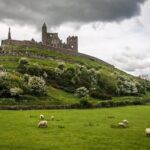
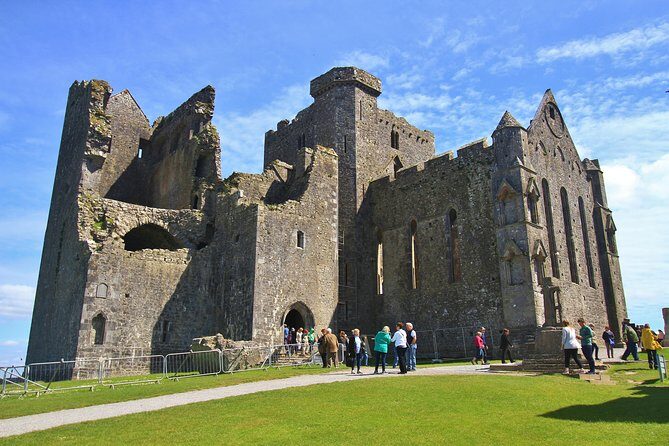
You start with a scenic south run out of Dublin into County Cork. The first stop is the Rock of Cashel, perched on a limestone outcrop over the Golden Vale. It’s a great opener because it’s dramatic even before you read the stones—medieval round tower, cathedral, and chapel all clustered in one place.
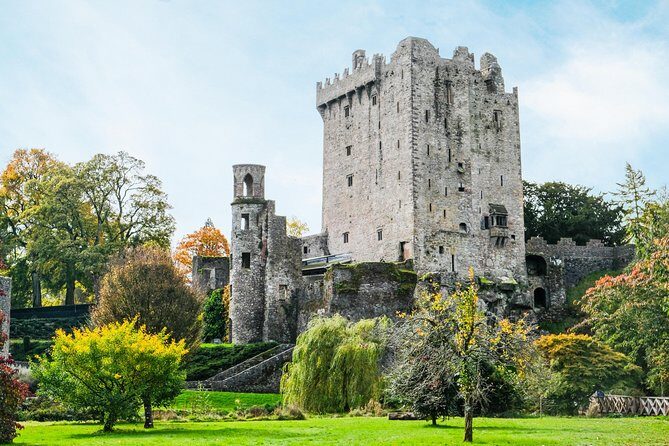
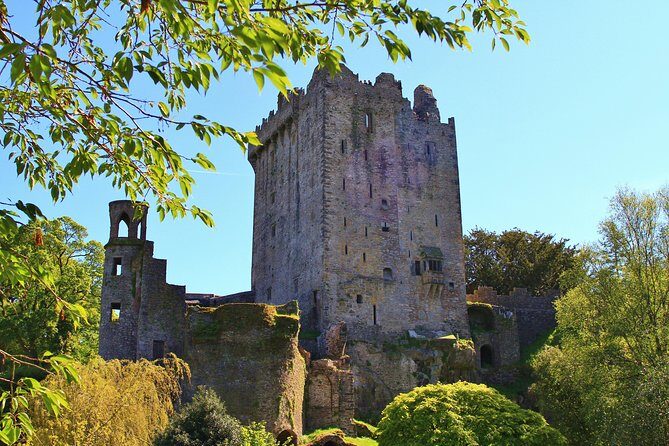
Then you shift gears to Blarney Castle and its Blarney Stone tradition. The castle grounds also come with the extra atmosphere of the Rock Close, where waterfalls, fairy glades, and druid stones turn the site into a mini adventure instead of just a quick photo.
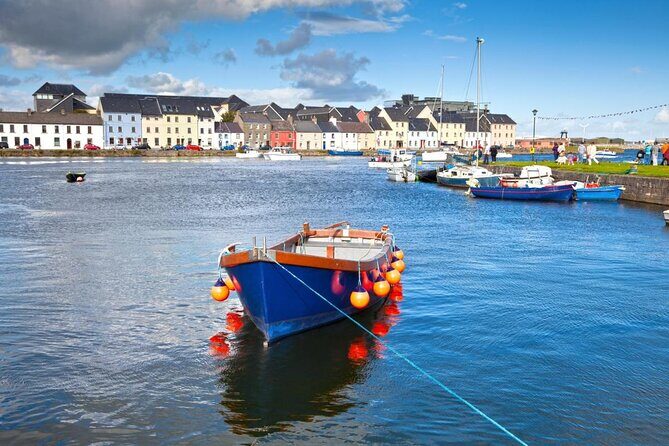
From there, you end in Kinsale, a working harbor town known for seafood, an art scene, and waterfront evenings. You get a walking tour included, and the setup is smart: you’ve got time for dinner and a sunset stroll without rushing back right away.
Practical note: if you’re the sort who hates crowds, plan your Blarney moment for when your guide gives the timing, since that’s usually the busiest part of the day.
Day 2: Kenmare stone circle, Killarney National Park cycling, and onward to Dingle
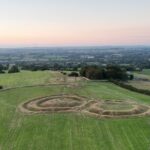
After breakfast in Kinsale, the route swings west toward Kenmare. You get a chance to wander its colorful streets and visit the Kenmare Stone Circle, one of the larger sites in southwest Ireland. Even if you’re not a “standing stones” person, this stop helps break up the long-drive feel.
Next comes Killarney National Park, approached via scenic overlooks like Moll’s Gap and Ladies’ View. The big win here is that you don’t just stop at a view—you cycle through the park. You’ll ride through woodland and along the lakeshore, passing landmarks like Muckross House & Gardens and heading toward the trail for Torc Waterfall.
This is the day when the tour rewards you for choosing the active option. Cycling makes the park feel bigger and slower than you’d experience from a bus window.
By late afternoon you reach Dingle, where the rest of the evening is yours. Dingle is famous for colorful streets, pubs, and excellent seafood, and the timing matters: you can settle in without having to repack for a move.
Day 3: Dingle Bay kayaking and Slea Head Drive’s cliffside history
Dingle becomes your base for two nights, and that’s not an accident. It lets you hit the coast in the morning with energy, then explore the peninsula by road without constant packing.
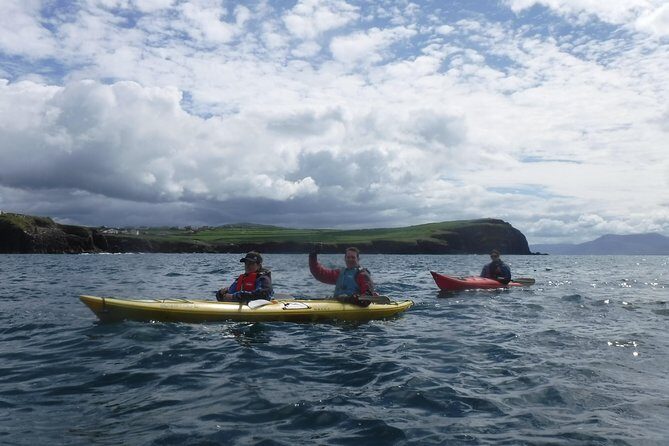
The morning is kayaking in Dingle Bay. This is one of those experiences that changes how you see the coastline. You glide across clear water, paddle into sea caves, and take in rugged cliff views that you simply can’t match from shore.
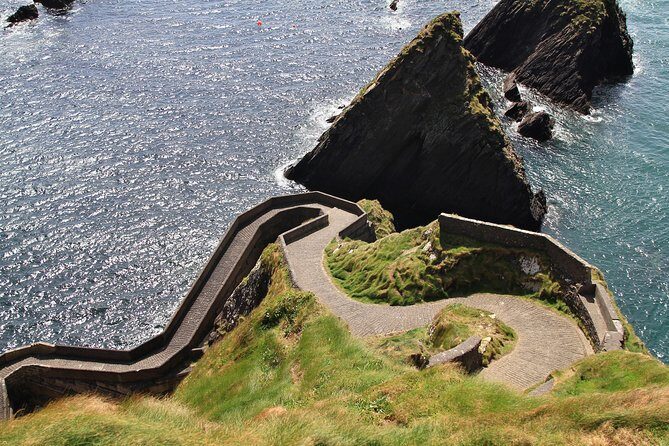
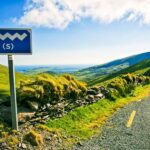
After you return, you refresh and grab lunch on your own, then the afternoon focuses on Slea Head Drive. This route is packed with small, meaningful stops: Famine Cottages, ancient beehive huts, Coomeenoule Beach sands, and a winding path down toward Dunquin Pier. The Blasket Centre adds context for island life on the edge of Europe, and it helps the scenery feel less random.
Back in Dingle in the early evening, you get free time again. It’s a good balance: you can either stay out for music and dinner or keep it mellow after a full day.
Day 4: Sheepdog demonstrations, the ferry crossing, and Cliffs of Moher on foot
Today’s arc takes you from Kerry toward Clare, and it starts with a stop that’s pure rural Ireland: West Kerry sheepdog demonstrations. Watching border collies work with a handler gives you a feel for farm life and traditions that still matter here.
Then you cross the River Shannon by ferry, a simple step that also resets the mood—less road time, more water time.
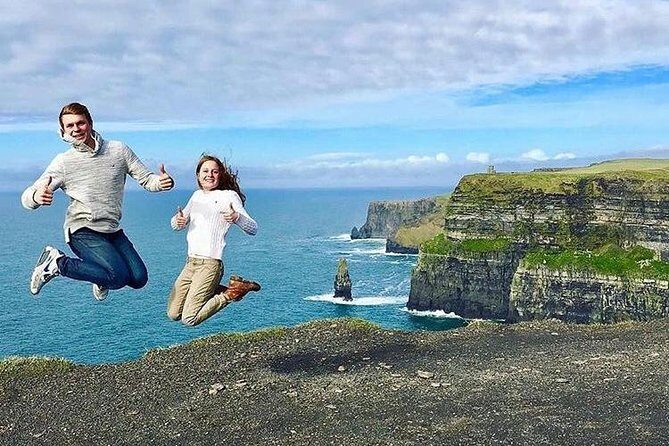
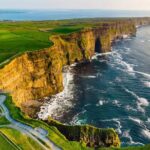
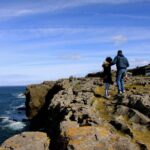
In County Clare, you reach the Cliffs of Moher. The tour handles this well: you get a guided coastal walk of about two and a half hours, and your guide leads you along less crowded paths and big viewpoint spots. Walking is the right choice here because the cliffs aren’t just a single postcard view—they reward you for moving.
You end in Doolin, a small village where the evenings often revolve around traditional Irish music sessions. It’s long enough on this day to enjoy dinner and then take in the atmosphere without feeling trapped by schedules.
If you’re sensitive to wind, bring a layer you can put on quickly. The Cliffs area can feel colder than you expect.

Day 5: Inis Oírr biking, Burren limestone country, and Galway’s live-music pull
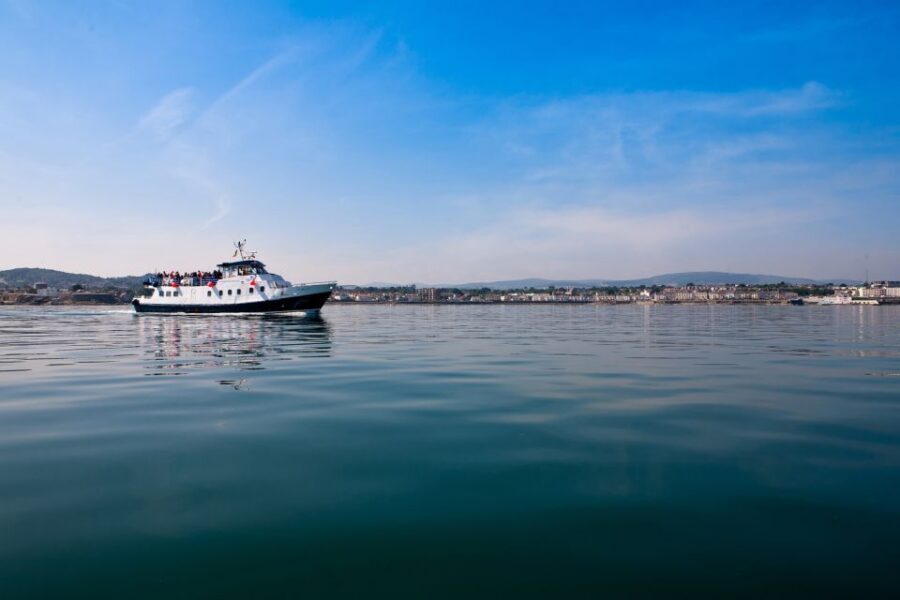
This is an active travel day. You take the ferry to Inis Oírr, the smallest of the Aran Islands, then explore by bicycle at your own pace. The itinerary gives you a short window, but it’s set up well: you can cycle past the shipwreck site of the Plassey, move through stone-walled fields, and check out the island lighthouse and viewpoints.
The pacing here is the key. You’re not “touring for the sake of touring.” You’re given time to feel how the island works: small roads, stone walls, and that Atlantic quiet.
Weather matters. The ferry crossings are weather dependent, and if conditions make travel unsafe, your guide arranges alternative activities so you don’t lose the whole day.
After returning to the mainland, you head north toward Galway through the Burren National Park limestone country. You also stop at Dunguaire Castle, a striking 16th-century tower house overlooking Galway Bay.
In Galway, you land in the Latin Quarter with time to explore shops and Irish crafts, plus a free evening for live music and pub culture. This part of the itinerary is smart because it turns the coast into something you can enjoy at night, not just in daylight.
Day 6: Connemara’s Lough Inagh, Kylemore Abbey gardens, and Westport downtime
Connemara starts to feel different the moment you leave Galway behind. The region is all rugged mountains, lakes, and winding valleys, and the drive itself gives you a change of tone from the coast-focused days.
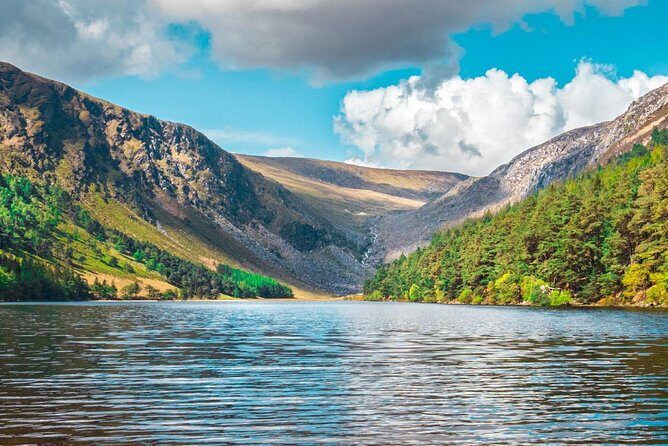
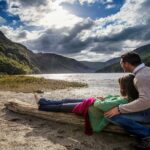
You stop at Lough Inagh Valley for a photo pause, then continue toward Kylemore Abbey. You get a few hours to explore the Kylemore Abbey & Victorian Walled Garden area, including the lakeside estate, the Neo-Gothic church, and the gardens. It’s paced as a meander—plenty of time to walk and take in the estate rather than rush from one photo to the next.
One small detail to watch: the itinerary notes Kylemore Abbey entry as not included at one point, while the included list says Kylemore Abbey & Gardens entry is included. I’d confirm with the operator before you go, especially if you like to plan budgets tightly.
After Kylemore, you head north to Louisburgh for a short leg-stretch and Atlantic views, then continue to Westport. Westport is where the week gives you a calmer evening: stroll the town, grab dinner, and use the night for whatever feels good.
Day 7: Croagh Patrick hike over Clew Bay, then back to Dublin
Your final morning is Croagh Patrick, Ireland’s holiest mountain and a pilgrimage site for over 1,500 years. You hike the trail at your own pace—some people climb partway, others go higher—and the reward is sweeping views over Clew Bay, with islands scattered across the water.
The key point: this is the “reflective” day. It ends the trip on a spiritual and physical note, and the viewpoints really do change how you think about the coastline.
If you’d rather not hike right away, the day also includes flexibility: you can spend the morning in Westport instead, with time for coffee by the quay, browsing shops, or a slower start.
Then you drive back to Dublin, and the tour ends near Dublin Heuston Station, which makes onward train or tram connections easier.
Price and value: what $2,655.60 covers (and what it doesn’t)
At $2,655.60 per person, this is priced as a full-service, activity-heavy week. You’re not paying just for a bus and a driver.
From the included list, you’re getting:
- 6 nights in local guesthouses or boutique hotels
- Round-trip transport by air-conditioned mini coach
- 6 breakfasts
- Big ticket admissions like Rock of Cashel and Blarney Castle
- Guided and ticketed highlights such as Cliffs of Moher guided walk, Kylemore Abbey & gardens, and the ferry return to the Aran Islands
- Activity costs like kayaking in Dingle Bay, cycling in Killarney National Park, the sheepdog demonstration, and the Croagh Patrick hike
What’s not included is the day-to-day food. Lunch and dinner are on you, and drinks are not covered unless specifically mentioned. That means your total trip cost will depend heavily on where you eat in places like Kinsale, Dingle, Galway, and Westport.
The best value angle here is that the tour bundles multiple paid experiences and admissions into one price. If you tried to build this yourself—transport, lodging, guided coastal walks, kayak scheduling, ferry + island biking—you’d spend a lot of time and likely more money.
Who should book this Great Atlantic Adventure, and who should pass
This tour is a strong fit if you want an organized week that still feels hands-on. You’ll like it if you’re comfortable walking for guided cliff routes and you don’t mind that some days are active in the real-world sense.
It’s also a good choice for solo travelers who want to meet people naturally. With a small group and daily together time, friendships tend to form quickly, and your guide can set the tone.
You might want a different trip if you strongly prefer low-effort sightseeing. Croagh Patrick plus the active coastal days can be a lot if you’re dealing with mobility limitations or you want a mostly relaxed pace.
If you have health issues that could limit certain activities, the operator asks you to flag them so alternative options can be arranged.
Should you book this small-group Ireland week?
If you want Ireland’s big highlights plus active time on the water and cliffs, this is a very logical pick. The small group size, included guides, and the mix of icons with real activities are what make the week feel efficient rather than rushed.
Before you book, do two quick checks: confirm anything unclear about Kylemore Abbey entry, and be honest about fitness for Croagh Patrick. If you’re good with that, you’ll leave with a lot more than photos—you’ll have stories tied to kayaking water time, biking on island roads, and a hike that actually changes your outlook.
FAQ
What’s included in the 7-Day Great Atlantic Adventure tour price?
The price includes 6 nights in local guesthouses or boutique hotels, a professional Irish tour guide, round-trip transport from Dublin in an air-conditioned mini coach, and a range of tickets and activities such as Blarney Castle, Rock of Cashel, Cliffs of Moher (including the guided walk), Kylemore Abbey & gardens, kayaking in Dingle Bay, cycling in Killarney National Park, the sheepdog demonstration, Croagh Patrick hike, and the return ferry to the Aran Islands. Breakfast is included for 6 days.
How many breakfasts are included?
Six Irish breakfasts are included.
Are lunch and dinner included?
Lunch and dinner are not included, and food and drinks are only covered when specifically noted.
How large is the group?
The tour has a maximum of 15 travelers.
Where do you start and end the tour in Dublin?
The tour starts at Ashling Hotel Dublin, 10-13 Parkgate St, Stoneybatter, Dublin 8. It ends at Dublin Heuston Station.
What should I pack for the trip?
You’re advised to pack light layers, a raincoat, and sunscreen.
Is there a luggage limit?
Yes. Each traveler can bring a maximum of 1 suitcase (maximum 143 lbs or 70 liters) and 1 carry-on bag.
Can I choose a private room?
You can request private room accommodations, but a single occupancy charge applies.
What happens if the Aran Islands ferry can’t run due to weather?
Ferry crossings to the Aran Islands are weather dependent. If conditions make it unsafe to travel, your guide will arrange excellent alternative activities so you can still enjoy the day. If activities are cancelled due to weather, no refund is provided.