REVIEW · KILLARNEY
Killarney National Park Horseback Ride. Co Kerry. Guided. 2 hours.
Book on Viator →Operated by Ireland Wild Escapes · Bookable on Viator
Horseback is the best way to read Killarney. This guided ride turns Killarney National Park into something personal, with a trail that runs through Knockreer Estate north of Lough Lein. I love that they supply boots and helmets, so you show up ready instead of hunting for gear at the last minute. I also like how the team matches riders by height, weight, and experience level so the ride feels calm, not chaotic.
You’ll be on a guided trail through park scenery of lakes and mountains, with a real chance of spotting deer along the way. In the guides you might meet, names like Jade, Aiden, Anna, and Tommy come up for clear instructions and a friendly, steady group vibe.
One thing to consider: pace can be gentle. Some rides are described as walk-focused, and if you want more action like trot or canter, you’ll want to be upfront about your comfort level before you set off.
In This Review
- Key points before you go
- Why a Killarney National Park horseback ride feels different
- Getting ready: what happens before you mount at Ballydowny
- The ride itself: guided trail through Knockreer Estate and beyond
- Pace and riding level: beginner-friendly, but know what to expect
- Horses and safety: why matching matters more than fancy talk
- What to wear in Ireland: rain, mud, and comfort
- Cost and value: what you’re really paying for
- Who should book this ride, and who should skip it
- Should you book the Killarney National Park horseback ride?
- FAQ
- How long is the Killarney National Park horseback ride?
- Where does the tour start?
- What’s included in the price?
- Is this horseback ride suitable for beginners?
- Are there age or weight limits?
- What should I wear if the weather changes?
- What if the ride is canceled due to poor weather or you need to cancel?
Key points before you go
- Small group size (max 16) keeps the experience more personal and easier to manage on horseback
- All levels are catered for, with riders matched to horses based on riding experience
- Gear included: helmet plus boots (you just need the right clothes)
- Deer sightings are a strong theme, including red deer and sika deer in accounts from riders
- The ride is guided and trail-based, following the riding path into Knockreer Estate
- Arrive early so the group leaves promptly and you get your full ride
Why a Killarney National Park horseback ride feels different
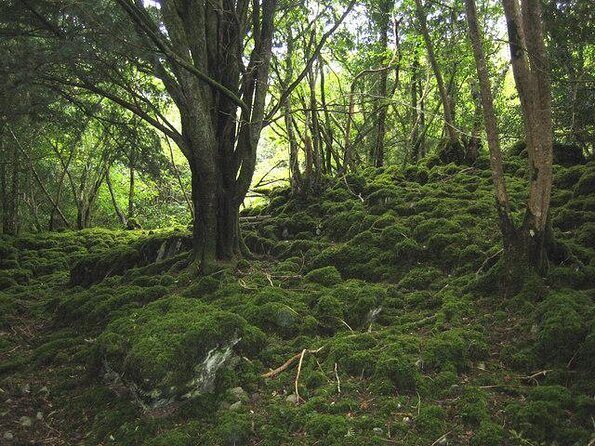
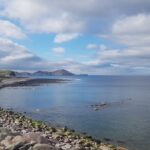
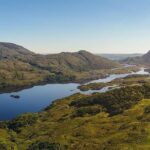
Killarney is famous for its lakes, hills, and that sense of space you only get when you’re not on a crowded road. From horseback, you feel that slow rhythm. You’re not scanning over shoulders for viewpoints. You’re actually moving through the same kinds of bends, clearings, and tree lines that make the park special.
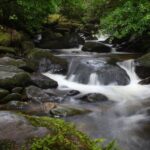
The best part is how the ride naturally pulls you toward the quiet moments. You’re likely to notice small changes in the ground underfoot, the way the air shifts near water, and how the forest looks when the sun hits it at an angle. And yes, wildlife is part of the story: riders talk about deer showing up often, including red deer and sika deer, and sometimes other animals too. It’s not a guaranteed safari, but it’s a good sign that the horses and guides know where to be.
Also, the guided format matters. A horse ride can feel either magical or stressful depending on the setup. Here, the structure is designed to keep beginners comfortable while still giving experienced riders something to look forward to.
You can also read our reviews of more guided tours in Killarney
Getting ready: what happens before you mount at Ballydowny
The meeting point is Ballydowny, Killarney, Co. Kerry (V93 YY7H). This is the kind of activity where the address matters more than the main entrance people tend to remember. Plan to use the location details you receive so you don’t arrive at the wrong spot.
Show up at least 30 minutes early. The ride leaves promptly and they don’t wait for latecomers, and late arrivals aren’t eligible for a refund. That early window is there for a reason: you’ll need time to check in, get fitted for gear, and get briefed before you’re put on a horse.
Gear is part of the value here. You’re provided with a helmet and boots, and you don’t need to bring them yourself. You’ll also be asked for details so they can choose the right horse for you, including weight, height, and riding experience level (beginner, intermediate, or experienced). If you’re traveling with kids, they also ask for children’s ages so the horses can be matched correctly.
There are a few hard rules that keep the ride safe for everyone:
- Children must be 8 years and older to ride
- There’s a maximum weight limit of 20 stone / 280 lbs / 127 kg
- You must be able to mount with relative ease
- You should not have medical conditions that could be adversely affected by riding a horse
Finally, keep an eye on physical comfort. The activity calls for moderate physical fitness, which usually means you’ll manage time seated on a horse and handling a few steps to get on and off safely.
The ride itself: guided trail through Knockreer Estate and beyond
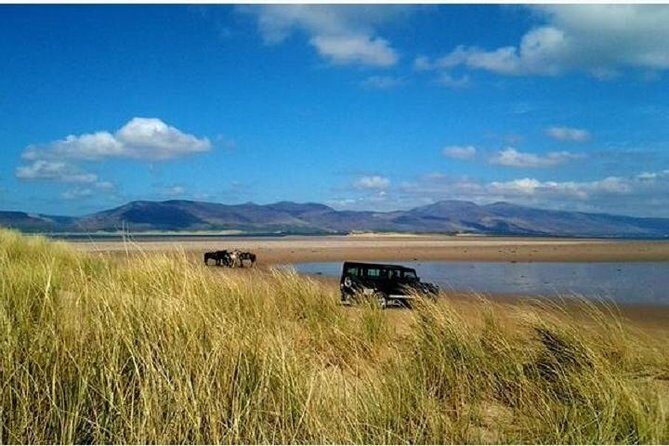
The core experience is simple: you follow the riding trail into Knockreer Estate, north of Lough Lein. This is the “essence of Killarney National Park” in a way that’s hard to recreate from a bus or a short walk. Instead of just looking at the park, you’re moving through it.
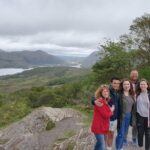
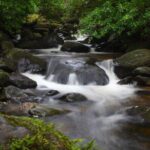
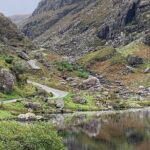
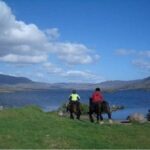
On the ride, you’ll see the kinds of scenery Killarney is known for—lakes, mountains, and lots of green space. Your guide keeps the group together and helps you understand what you’re seeing. Some guides are also praised for sharing Irish culture and history while you’re out there, which can turn a pretty ride into something that sticks in your memory.
Wildlife spotting tends to be a highlight. Deer show up often enough that riders point it out as a tip category. One rider even described lots of deer on the trail, and another called out red deer and sika deer as plentiful. This kind of activity is especially good for people who love animals and want to experience them without trying to force the moment.
There’s also a practical side to how guided rides work. A group of up to 16 riders can get spread out if everyone is unsure. The guides’ job is to keep the pace and spacing manageable so the ride stays safe and relaxed. Accounts of guides handling larger groups—like a group of 11—suggest they’ve done this a lot.
Pace and riding level: beginner-friendly, but know what to expect
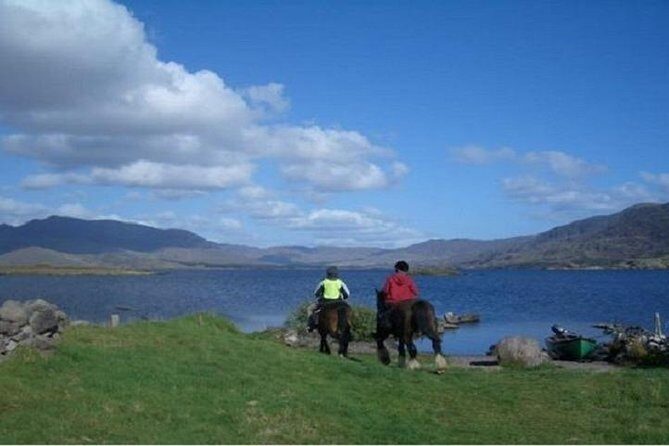
This ride is built for beginners and experienced riders. The team takes riding level seriously, which is why they ask you to classify yourself as beginner, intermediate, or experienced. They also match you to a horse based on that info and your size.
If you’re a first-timer, the setup is designed to reduce the scary parts. Docile horses are part of the story, and riders describe feeling comfortable quickly. A good mount matters a lot. When the horse is steady and familiar with riders, your attention can shift from fear to scenery.
One detail to plan around: speed. At least one account notes a two-hour ride at a walk only. At the same time, another notes that the stables ensure you get a canter if you’re capable. So the real answer is: you’ll ride at a safe pace for your level, and your horse and route plan decide how much variety you get.
Here’s how to make sure you’re not disappointed:
- If you want trot or canter, be clear when you check in about your comfort
- If you’re brand new, don’t try to force faster speeds just because you want it
- Expect more about views and wildlife than racing through the park
Either way, you’ll still be on horseback for the full two hours, so it’s more immersive than a short taster ride.
Horses and safety: why matching matters more than fancy talk
Horseback riding can feel intimidating if you don’t know what you’re doing. The good news is that this ride uses a straightforward approach: horse selection based on your experience and size. That’s not a marketing line—it’s the difference between feeling supported and feeling like you’re guessing.
The process includes:
- Your weight and height
- Your riding experience level (beginner, intermediate, experienced)
- A check that you can mount with relative ease
- A maximum weight limit of 127 kg / 280 lbs
There’s also a big “support system” factor: you’ll have a guide with you the whole time. And the guides aren’t just there to keep the route straight—they’re there to give instructions and adjust as needed so the group stays safe.
The horses are consistently described as well cared for and well behaved. Some riders specifically call out the animals’ calm nature and how little direction the horses seemed to need. When you’re matched well, it’s not about constantly managing the horse. It becomes more about steering yourself through the experience.
If you love animals, this is one of the more respectful ways to do an encounter. You’re not rushing, not chasing, and not doing anything that feels like a stunt.
A few more Killarney tours and experiences worth a look
What to wear in Ireland: rain, mud, and comfort
Even if you book in peak season, Killarney can shift fast. The ride is described as available all year round, and accounts mention they go out in weather changes. That’s why clothing choice is key.
Bring waterproof, flexible clothes. A rider described drizzles and rain during the ride, plus muddy trail spots with puddles. You’ll be happier if you’re not trying to ride in restrictive gear that soaks through.
Since the stable provides helmets and boots, you can focus on your own comfort:
- wear layers you can adjust
- choose shoes that work well with wet ground (your feet will be in provided boots, but you still want the right socks and warmth)
- expect the trail to be uneven and sometimes slick
If the weather is truly poor, the experience may be canceled. In that case, you’ll either be offered another date or a full refund. So plan to treat your timing like a normal Ireland day: be ready for changes.
Cost and value: what you’re really paying for
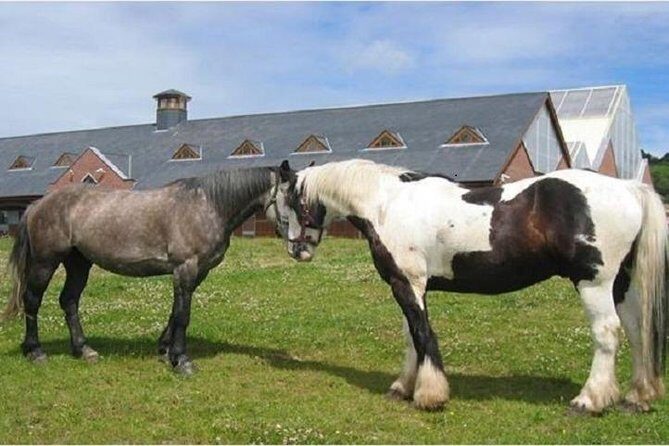
At $213.60 per person for about 2 hours, this isn’t a budget activity. But it does include the big cost drivers that make horseback rides expensive in real life: the horse, the guide, and the safety gear (helmet and boots).
The value story here is that you’re not paying extra for the basics. You also get a guided format inside a landscape people want to see anyway. If you’re the type who likes doing one “active” thing that also gives you scenery and wildlife odds, this fits.
What you don’t get is also clear: food and drinks aren’t included. So if you’re taking this early in your day, plan to eat before or after. And if you’re combining it with other Killarney activities, leave enough time to get back, warm up, and change if you got wet.
One more value tip: if you’re impressed by your guides, consider tipping. That came up directly in one experience note, and in a service setup like this, it’s a meaningful way to thank the people managing your safety and your experience.
Who should book this ride, and who should skip it
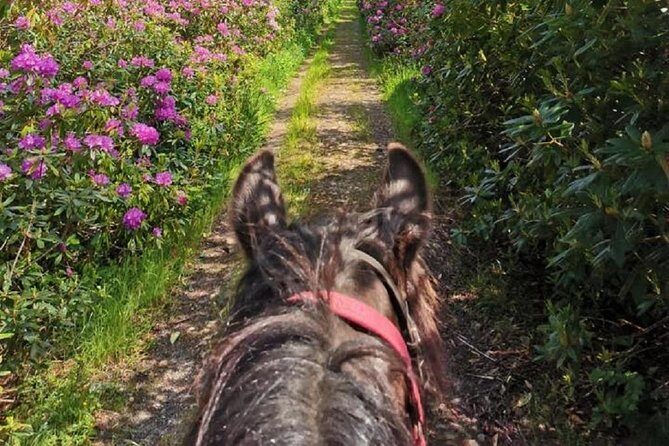
This is a strong choice if:
- you want a guided way to see Killarney National Park from horseback
- you’re a beginner who wants structure and support
- you’re an animal lover and hope to spot deer
- you like the idea of being matched to a horse that fits your level
It’s also a workable option for experienced riders. The experience is set up to cater to different levels, and there’s mention that riders who are capable may get more than just a walk pace.
Skip or reconsider if:
- you can’t mount a horse with relative ease
- you have a medical condition that could be affected by horseback riding
- you’re over the weight limit (20 stone / 280 lbs / 127 kg)
- your kids are under 8 (8+ only)
Also, if you crave adrenaline, don’t assume you’ll be sprinting through the park. The pace depends on your ability and the safe setup for the group.
Should you book the Killarney National Park horseback ride?
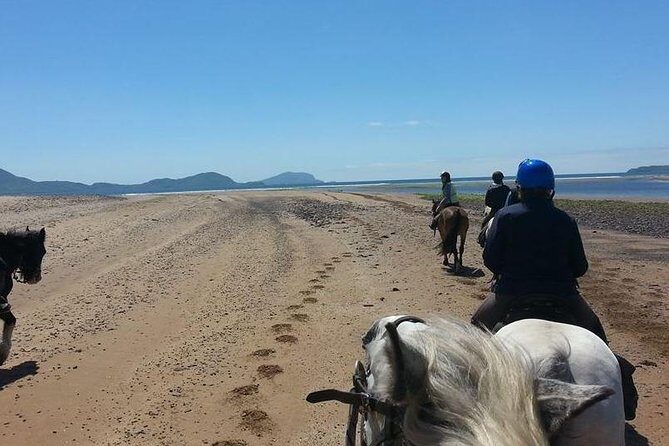
Yes—if you want a calm, guided, park-in-your-face experience that still feels authentic. This is one of those activities where the “hard part” is solved for you: gear is provided, horses are matched, and you’re with a guide the entire time.
I’d book it if you’re a beginner who wants to feel safe fast, or if you’re experienced and just want a scenic ride with wildlife chances. I’d also book it if you’re traveling in a small group and prefer a max of 16 riders rather than a crowd.
The main reason to hesitate is simple: manage expectations about pace. If you want a long canter-focused outing, you should ask during check-in about what’s realistic for your level.
FAQ
How long is the Killarney National Park horseback ride?
The ride runs for about 2 hours.
Where does the tour start?
The meeting point is Ballydowny, Killarney, Co. Kerry, V93 YY7H, Ireland. It ends back at the meeting point.
What’s included in the price?
You get the horse and guide, plus a riding helmet and boots. Food and drinks are not included.
Is this horseback ride suitable for beginners?
Yes. The ride is guided and caters to all levels of experience, but you must be able to mount the horse with relative ease and meet the stated safety requirements.
Are there age or weight limits?
Children must be 8 years or older to ride. There is a maximum weight limit of 20 stone / 280 lbs / 127 kg.
What should I wear if the weather changes?
Plan for wet conditions. Wear waterproof, flexible clothing since weather can shift and the trail may get muddy.
What if the ride is canceled due to poor weather or you need to cancel?
You can cancel for a full refund up to 24 hours before the experience start time. If the experience is canceled due to poor weather, you’ll be offered a different date or a full refund.