REVIEW · KILLARNEY
Guided Killarney National Park Walking Tour
Book on Viator →Operated by Killarney Guided Walks · Bookable on Viator
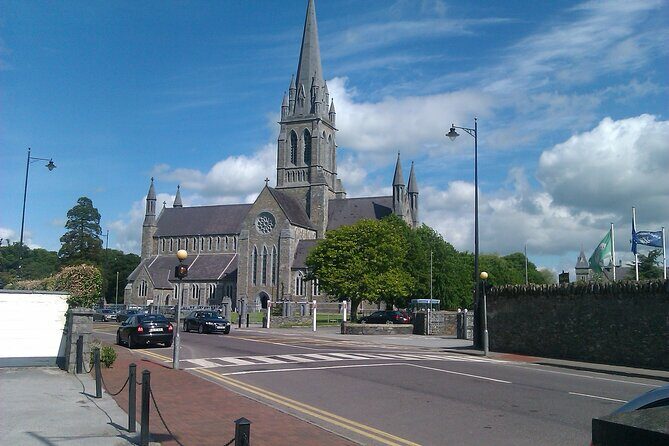
Killarney in two hours feels like magic. You start right by St. Marys Cathedral, then step into Killarney National Park with a local guide who mixes nature spotting with fast, memorable history you can actually picture. St. Marys Cathedral sets the tone, and the small group size keeps the walk personal with lots of chance to ask questions to your guide.
I love how this tour stays practical: it’s up to 12 people, so you’re not lost in a crowd, and the pace is friendly even for a moderate fitness level. I also like that you’re not stuck on a cookie-cutter route; you may take quieter paths and get close to wildlife like sika deer and, with luck, native red deer. One drawback to plan for: parts of the walk can get wet and muddy, and you may encounter a few minor hills and off-path sections if your guide chooses them.
In This Review
- Key highlights worth your time
- Meet at O’Sheas Funeral Home, opposite St. Marys Cathedral
- St. Marys Cathedral and the stories that shaped Killarney
- Inside the park: deer sightings and quieter paths
- Killarney beyond the postcard: Deenagh, De Gaulle, and film lore
- Your guide makes the difference: Richard, Mike, James, Thomas, Nial
- Paved paths, muddy bits, and what to wear
- How much it costs and why it feels like good value
- Who should book this Killarney National Park walk
- Should you book this walking tour with Killarney Guided Walks?
- FAQ
- Where do I meet for the Killarney National Park walking tour?
- What time does the tour start?
- How long is the guided walk?
- What is the group size?
- Is the tour offered in English?
- What should I wear?
- Is food or drinks included?
- Can I cancel and get a refund?
Key highlights worth your time
St. Marys Cathedral meet-up sets up the history fast
Small group (max 12) makes it feel personal, not rushed
You learn why the area mattered, from Queen Victoria to De Gaulle
Deer sightings are a real goal, not a hope-and-pray add-on
Routes can include paved paths and quieter off-path areas
English tour with possible Irish phrases and translations when needed
Meet at O’Sheas Funeral Home, opposite St. Marys Cathedral
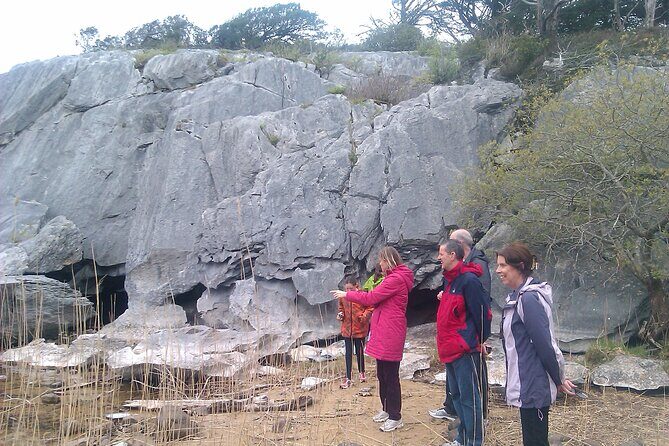
This walk starts at 11:00 am outside O’Sheas Funeral Home, directly opposite St. Marys Cathedral on Cathedral Place in Killarney. It’s an easy landmark to find, and you’ll end back at the same meeting point when the roughly two hours are up.
Why I like this start: you’re not wasting your morning circling bus stops or hunting for trailheads. You begin in the heart of town, then your guide uses that first stretch to explain what came before the park became what you see today. Even if you’re only in Killarney for a short stay, this is a solid way to get oriented fast.
It’s also the kind of timing that works well. A late-morning walk means you can do a light breakfast and still get outside before your afternoon plans take over. The tour can be extended to a longer walk if you want extra time, which is helpful if the two hours feels like it goes by too quickly.
Logistics-wise, this is set up for real visitors: you get a mobile ticket, and the meeting area is near public transportation. The tour is offered in English, and with a group this small, your guide can actually match the route and pace to what your day looks like.
You can also read our reviews of more walking tours in Killarney
St. Marys Cathedral and the stories that shaped Killarney
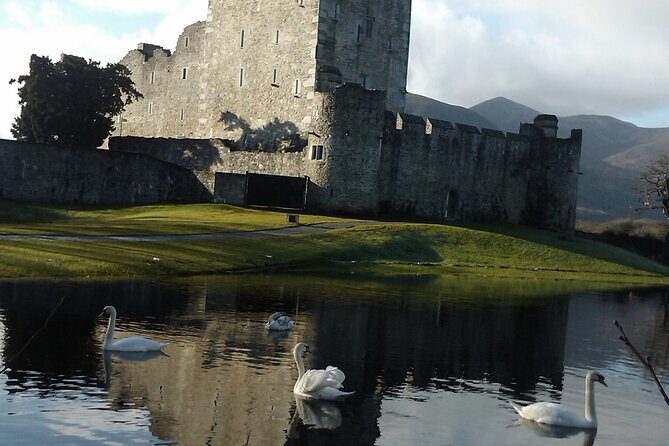
Once you’re outside St. Marys Cathedral, your guide doesn’t treat the building like trivia. They connect it to human survival and big historical shifts in the region.
You’ll learn that the cathedral was designed by Augustus Welby Pugin, who came from London to Killarney, and building began in 1842. Then the story turns hard: during the Great Famine, the unfinished building became shelter for starving people who arrived from the countryside. That context changes how you look at the cathedral. Instead of seeing only architecture, you’re seeing a place that held real lives during a crisis.
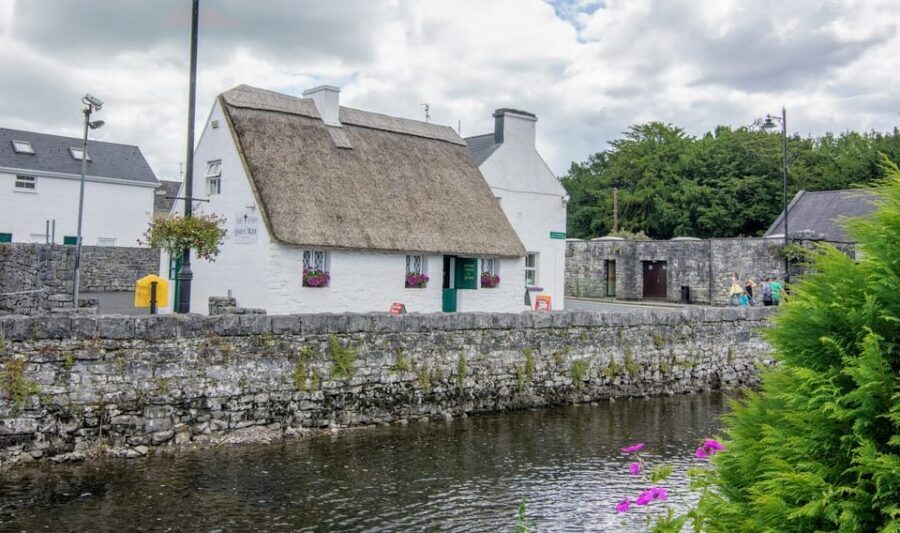
From there, the walk keeps weaving through the area’s layers. You’ll hear about Deenagh Lodge, a thatched cottage that once served as a gate lodge and is now a popular tea room during the summer months. Even if you don’t stop for tea, it’s one of those spots that feels like it belongs to a different tempo than modern sightseeing.
Your guide may also highlight how travel and power moved through Killarney in the 1800s. Queen Victoria visited in 1861, arriving by train. That matters because it connects to the way rail changed tourism and access: the railway first opened in Killarney in 1853, bringing a new age of travel to the region.
As you walk, the history keeps feeling relevant because it’s tied to places you can stand beside. You’re not reading dates on a plaque; you’re stepping through the setting that made those events stick.
Inside the park: deer sightings and quieter paths
This is Killarney National Park on foot, and the main reward is simple: you get out of the town buzz and into a calmer pocket of nature. The walk is described as relatively leisurely, with only a few minor hills, and much of it can be on paved sections. At the same time, you’re not locked into a straight-line path the whole time.
Guides may take you off the main route for more wildlife chances and less crowding. That’s where the tour earns its guided label. You might see spots that don’t jump out when you’re walking on your own.
Wildlife is part of the plan. Sika deer were introduced to the area from Wicklow in 1865, and there’s now a good number of them. The native red deer are the big excitement: they came close to extinction, but today the park supports a herd again. In other words, you’re walking where the deer story still lives, not where people just talk about it.
Birds show up too. One walk included sightings like egrets and heron, and several groups mention seeing deer quite close. On one memorable outing, a deer came right up to the group. You can’t guarantee that level of closeness, but the goal is clear: the route is set up to maximize your odds.
If you like photography, this style of walk tends to help. You’re moving slowly enough to frame shots, but also guided enough that you’re not constantly stopping to figure out where to go next.
Killarney beyond the postcard: Deenagh, De Gaulle, and film lore
The park’s appeal isn’t only wildlife. Your guide may bring in surprising cultural connections that make the scenery feel lived-in.
For example, 1969 gets a mention: Charles De Gaulle spent nearly two weeks in a cottage nearby, with a major security presence. It’s a reminder that Killarney has long drawn important names, not just hikers and day-trippers.
There’s also a film connection that many visitors don’t realize. While Ryan’s Daughter was filmed in Dingle, the love scene was shot in Killarney National Park. That kind of detail helps you “read” the place while you walk. You start noticing the angles and quiet stretches that filmmakers would pick, not just the obvious big-view points.
Your guide also keeps the stories grounded in what you can see now: plants, animals, and the way certain corners of the park feel more sheltered or more open. One guide focused strongly on flora and local legends, mixing plant notes with myth-style storytelling.
The trade-off here is simple: if your personal preference is for lots of history with clear facts at every turn, you might want to communicate that at the start. A small handful of people felt they wanted more history and cultural detail on their specific outing. That doesn’t mean the tour lacks content overall; it means your experience can vary depending on your guide’s style and the route chosen.
Your guide makes the difference: Richard, Mike, James, Thomas, Nial
This tour is built around the guide. That shows up again and again: people describe guides as being born and raised in the area, with a real love for where they grew up. That matters because local knowledge is different from memorized facts.
On one outing, Richard led the walk and shared lots of stories, with a relaxed vibe that still felt informative. Another walk highlighted Mike as a standout for taking people off the beaten path and helping them find places they wouldn’t have discovered on their own. James was noted for singing and making the walk feel like a story instead of a lecture, while Thomas was praised for Irish legends and a calm, story-driven style. Nial also appears in accounts tied to sharing information about flora and lakes, plus personal experiences.
If you’re the type of traveler who likes a bit of humor, this tour tends to deliver. Several groups mention wit and humor as part of the overall experience.
Language can be a factor, but it’s handled in a visitor-friendly way. English is the offered language, and one group described the tour being in Irish at points with translation provided for the group. If you want maximum understanding, it helps to start off with a simple note like: if anything is hard to follow, you’d appreciate a quick English explanation.
You can also read our reviews of more guided tours in Killarney

Paved paths, muddy bits, and what to wear
“Special footwear not required” is great news if you’re traveling light. Still, the advice is clear: if you have walking boots, wear them. Even if the route is mostly paved, the park can still mean damp ground and slick patches, especially in wet weather.
One walk was described as requiring a decent hiking shape, with participants getting wet and muddy. Another described the route as paved with only minor hills and a leisurely pace, with some exploring off-path. That range tells you the real truth: your experience will depend on the exact route that day and what the ground is like.
Here’s what I’d do if I were booking:
- Wear shoes with decent grip, not just city sneakers.
- Plan for muddy sections even if the forecast looks good.
- Keep your rain layer handy.
The good part is that the tour targets moderate physical fitness, not hardcore hiking. You’re out for nature and history, not training for a summit.
How much it costs and why it feels like good value
The price is $19.36 per person for about two hours. That’s low enough that it works as an “anchor activity” in your Killarney plan, not something you have to overthink.
The value comes from what’s included: a local guide who connects you to history, wildlife, and specific spots you might miss. The walk also keeps group size limited to a maximum of 12, which matters because it turns “a guided experience” into actual interaction.
What you should know is what you’re not paying for. Food and drinks aren’t included, so you’ll want to eat before or after. Since the walk is roughly two hours, it’s easy to pair with a casual lunch back in town.
One more practical point: this tour is often booked around 32 days in advance. That doesn’t mean you can’t find space, but it suggests demand is steady—especially around peak travel times—so booking sooner is smart if your dates are fixed.
Who should book this Killarney National Park walk
This tour fits best if you want:
- A short, guided way to experience Killarney National Park without spending your whole day figuring out routes.
- Stories and local context you can connect to the places right in front of you.
- A better chance at wildlife viewing than you’d get with a random walk.
It’s also a good choice for families and mixed groups because the pace is typically described as leisurely, and the setting is calm once you get inside the park.
Skip it (or consider your expectations carefully) if:
- You’re mainly looking for a hard hike and big elevation gains.
- You prefer totally self-guided exploring and don’t want to learn history as you walk.
- You want an itinerary that always hits specific named stops with zero flexibility. This tour aims to be tailored to your schedule, and routes can shift based on conditions and guide choices.
Should you book this walking tour with Killarney Guided Walks?
I’d book it if you’re the type who likes nature plus context. Starting by St. Marys Cathedral gives you instant historical grounding, and then the park walk turns that context into lived scenery—quiet lanes, wildlife chances, and a guide who can point out details you’ll miss on your own.
It’s also a smart value play at $19.36 for a couple of hours with a small group. If you show up ready for a light-to-moderate walk, you’ll likely find it more satisfying than a bus-style tour, because you’re actually moving through the park at a human pace.
My one caution is simple: check your meeting point carefully and show up a few minutes early at O’Sheas Funeral Home opposite St. Marys Cathedral. On at least one occasion, confusion about meeting up led to a shorter-than-expected guided time. With clear arrival and a quick check-in, you’ll set yourself up for the kind of experience most people describe: a relaxed, story-filled walk with wildlife moments.
FAQ
Where do I meet for the Killarney National Park walking tour?
You meet at O’Sheas Funeral Home, Cathedral Place, Demesne, Killarney, Co. Kerry, Ireland (opposite St. Marys Cathedral). The tour ends back at the same meeting point.
What time does the tour start?
The start time is 11:00 am.
How long is the guided walk?
It’s approximately 2 hours, with the option to extend to a longer walk if desired.
What is the group size?
The tour has a maximum of 12 travelers.
Is the tour offered in English?
Yes. The tour is offered in English.
What should I wear?
Special footwear is not required, but if you have walking boots, they’re advised.
Is food or drinks included?
No. Food and drinks are not included.
Can I cancel and get a refund?
Yes, it’s free cancellation. You can cancel up to 24 hours in advance for a full refund.