REVIEW · KILKENNY
Kilkenny from Medieval to Modern City. Private Walking Tour
Book on Viator →Operated by Ormonde Language Tours Kilkenny · Bookable on Viator
Kilkenny tells its story in stone. This private walking tour links the medieval core to later chapters of the city, with standout stops like Black Abbey stained glass and the transformed Butler Gallery site. It is a great way to get your bearings fast, even if you only have a couple hours.
I like how the route mixes big landmarks with the kind of details that make Kilkenny feel human, not museum-dry. You also get real flexibility since your guide can shape the pacing for your group. The one thing to watch: it runs about 2 hours on foot, so bring shoes that handle wet streets and plan for a moderate pace.
In This Review
- Key highlights to look for
- Why this medieval-to-modern Kilkenny walk fits a tight schedule
- Meeting at Kilkenny Crystal Shop and what the pace feels like
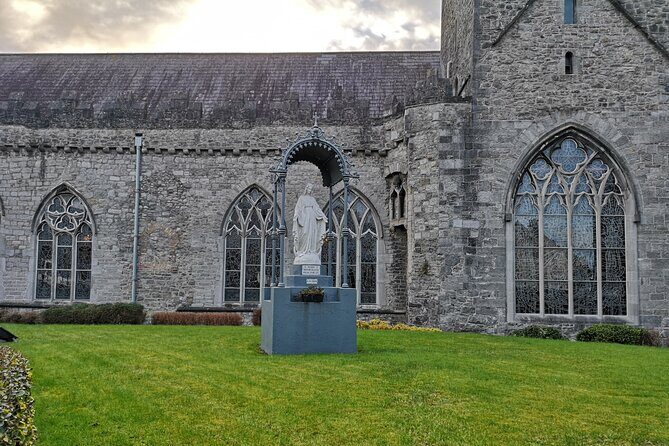
- Black Abbey: the 800-year-old church and stained glass timing
- Priory to Butler Gallery: watching buildings change jobs
- City gates, a famous Kilkenny product, and a Tudor-period facade
- Notorious residents, slippery stone, and Kilkenny’s sense of humor
- The dead centre of Kilkenny and why a poorhouse matters
- Ending with Kilkenny’s most famous landmark and what to do next
- The guide makes it: John’s local stories and real flexibility
- Price and value: $119.83 per group, and how to judge it
- Should you book Kilkenny from Medieval to Modern?
- FAQ
- How long is the Kilkenny from Medieval to Modern City private walking tour?
- What does the tour cost?
- Is this tour private?
- Where do we meet for the tour?
- What is the tour language?
- Can I visit Black Abbey and see stained glass?
- Is there a ticket cost for Black Abbey?
- Do I need to print a ticket?
- Is the tour suitable for everyone physically?
- What happens if bad weather cancels the tour?
Key highlights to look for
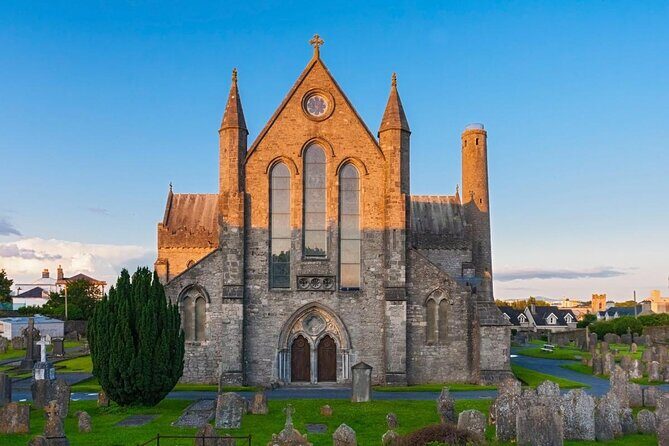
- Black Abbey stained glass (except Sundays): a rare interior stop timed to the day you visit
- Butler Gallery backstory: how a priory became a major art venue
- Old city gates: see what is left of Kilkenny’s original boundaries
- Local legends and odd details: stories about residents, slippery spots, and the city’s center
- A Tudor-period facade house: one of the town’s more specific architectural clues
Why this medieval-to-modern Kilkenny walk fits a tight schedule
This tour is built for first-time visitors who want the main threads of Kilkenny without spending your whole day bouncing between sites. In about 2 hours, you cover a lot of ground in a way that feels organized: you start with a centuries-old church, then you move through the layers of change—religious sites turning into civic or cultural places, old defenses fading into a few surviving bits, and new functions taking over.
I also like the private format. With a group limited to up to 15 and only your party taking part, the pacing stays practical. On a rainy day, that matters. One of the most useful parts of Kilkenny is how you read it on the move, and a good guide keeps you dry enough to keep seeing.
One more plus: the guide’s style is story-driven, not lecture-driven. That makes it easier to remember what you saw later while you’re wandering on your own.
You can also read our reviews of more walking tours in Kilkenny


Meeting at Kilkenny Crystal Shop and what the pace feels like
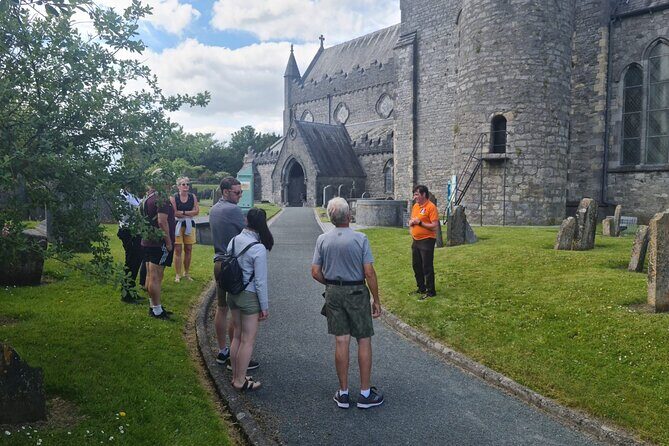
You meet at Kilkenny Crystal Shop, 19 Rose Inn St, Gardens, Kilkenny (R95 VXD). The tour ends back at the same spot, so you are not trying to solve a second logistics puzzle at the end of your walk.
The tour runs around 2 hours, and it is designed for people with a moderate physical fitness level. It is not pitched as a strenuous hike, but it is also not a sit-down museum crawl. If your group includes someone who walks slower, it can still work—one guide-style detail from real experiences here is patience and accommodating different walking speeds.
If you want to make this day extra easy, show up with a clear plan for your footwear and water. Kilkenny streets can get slick, and this route includes a stop built around the idea of slippery stone, so your shoes are not just a comfort thing.
Black Abbey: the 800-year-old church and stained glass timing
The tour begins outside an 800-year-old church, where your guide sets the scene before you ever step inside. This is a smart start. You hear what the building was, what it became, and why it matters, so when you look up at details later, you understand what you are seeing instead of guessing.
From there, you go to Black Abbey. Here is the key timing rule: you can enter the church and admire the stained glass windows except Sundays. If you are visiting on a Sunday, plan for the exterior experience and skip the interior stained glass moment.
Another practical detail: the stop includes free admission ticket. That makes the Black Abbey part feel like strong value in the middle of the walk, because you get a real interior highlight without added ticket cost.
Drawback to consider: if your trip lands on a Sunday, you lose the interior stained glass segment. You still get the history framing, but the payoff changes.
Priory to Butler Gallery: watching buildings change jobs
One of the stops focuses on what happened to a priory and how the site was transformed into the Butler Gallery. The point is not just that a building changed owners. It is that communities keep reusing what is already there, and the meaning of a place shifts with the needs of the city.
This kind of stop is ideal for travelers who like to understand why old towns feel old. Kilkenny is not a theme park. It is a working city with layers. A priory becoming a gallery is a perfect example of the way the medieval world echoes into modern culture.
You also hear how the site has served many functions over the years. Even if you do not remember every specific use later, you get the basic habit: buildings adapt, and the town keeps moving forward without tearing itself down completely.
City gates, a famous Kilkenny product, and a Tudor-period facade
After the religious and cultural pivot, the tour turns outward into the city’s older shape.
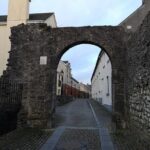
You will see the last standing portion of Kilkenny’s original gates. Even if what remains is small, it is powerful. City gates tell you where the town drew lines—literally—and the fact that something still stands helps you picture the boundaries people once lived inside.
Then comes a stop about what is described as probably the most famous product to come from Kilkenny. I will keep this one general, because the specific item is not stated in the tour description you provided—but the lesson is clear: Kilkenny’s identity is not only castles and abbeys. It also has a commercial face, and this is where you get that angle.
You also visit one of Kilkenny’s historic houses that keeps its original Tudor period facade. This is a great stop for architecture lovers, and it works for everyone else too. Facades are like time capsules. You notice the shape, texture, and style, and you realize how long certain aesthetic choices lasted in Ireland.
Small caution: this part of the walk depends on your interest level. If you mainly want big-picture history, you may enjoy it best as a visual interlude. If you love details, it will feel like a highlight.
You can also read our reviews of more city tours in Kilkenny



Notorious residents, slippery stone, and Kilkenny’s sense of humor
Kilkenny does not just take itself seriously. A couple of stops lean into stories that make the town feel surprising.
One stop is about the most notorious inhabitant in Kilkenny’s history. Another stop asks, Is it really as slippy as butter? Those two elements belong together. They take real history and translate it into something memorable—like you can’t stop thinking about the next block you will walk.
This is also where a private guide matters. When your guide turns a legend into context—who, when, and why—you leave with a clearer mental picture. You are not just collecting anecdotes.
If you are traveling with kids or you simply like a light twist among the facts, this section delivers. It also breaks up the heavier church and cultural site material.
The dead centre of Kilkenny and why a poorhouse matters
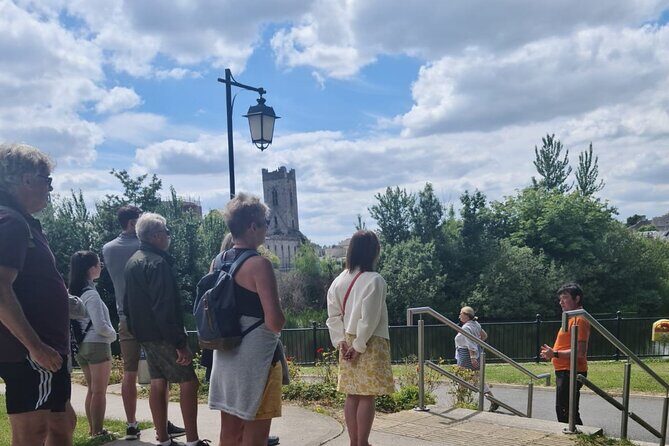
The tour includes a stop at the dead centre of Kilkenny. Even if you do not become a “center-of-town” person, it helps you orient yourself. After this walk, you should feel more confident picking directions and understanding what is near what.
From there, you go to a stop asking: what was the benefit of building a house for poor people? This is one of the most meaningful questions on the route, because it shifts the story from buildings as symbols to buildings as tools for social life.
It helps you see that history is not only about rulers and religious houses. It is also about practical decisions: how communities tried to manage poverty, safety, care, and survival. Even if the building itself looks modest compared to castles, it can tell you a lot about what a town valued.
One consideration: because this part centers on social purpose, it may feel heavier than the rest. If your group prefers lighter stops, this is still worth seeing, but it can set a reflective tone for a short stretch of the walk.
Ending with Kilkenny’s most famous landmark and what to do next
The tour ends at the most famous building in Kilkenny’s history. The description does not name it outright in what you provided, but the role is clear: this is your final “headline” stop—the point where you look back at the walk and realize how the pieces connect.
If you want to keep the day flowing, use the ending to guide your next step. For example, if you end at a castle-type setting, you can plan a self-guided wander around nearby streets while the history is still fresh. If you like photo breaks, treat this as your main photo moment—because you will likely have the most energy here.
Also, because it is a private tour, it is a good time to ask one or two targeted questions before you leave—things like what to see next at ground level versus what is worth viewing only from outside.
The guide makes it: John’s local stories and real flexibility
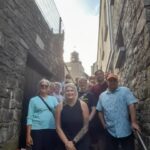
The experiences shared here point to one constant: John brings Kilkenny alive. You can see the pattern in the way he handles groups with different needs. He is described as patient and accommodating when someone in the party cannot move at the usual speed.
I also like the way a private tour can adapt when weather turns. On a rainy day, you should expect him to find warmer, drier places so the walk stays enjoyable instead of turning into a rushed sprint.
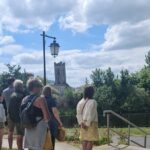
There is also the value of customization. One real example: John allowed time for a climb to the top of the St Canus round tower. The lesson for you is simple: this tour is not meant to be rigid. If there is one site you care about most, ask early.
Price and value: $119.83 per group, and how to judge it
The price is $119.83 per group, for up to 15 people, and the tour runs about 2 hours. That pricing structure is important. It means your per-person cost drops fast if you travel as a small group or family.
Here is the practical way to judge value:
- If you are traveling solo, you are mostly paying for the guide’s attention and time.
- If you have 2–6 people, the private format starts feeling like a bargain compared to paying for separate tickets and separate guides.
- If you have mixed walking abilities, private pacing can save the day. One highlight from the experience: John was flexible with slower walkers and used a planned route that could handle wheelchair users better than a typical random stroll.
One more detail: the tour is averaging booked about 66 days in advance, which suggests demand is steady. If you want specific days, especially around busy seasons, booking earlier gives you more choices.
Should you book Kilkenny from Medieval to Modern?
Book it if you want a structured first look at Kilkenny that still feels personal. It is especially worth it if you care about connecting multiple eras of the town—medieval churches, surviving gates, Tudor-era facades, and the way sites get repurposed in modern times.
Skip it or reconsider if your goal is purely wander time with minimal facts, or if you are visiting on a Sunday and you specifically came for the stained glass interior at Black Abbey.
If you do book, do this: wear grippy shoes, bring a light rain layer, and come with one question you genuinely want answered about Kilkenny. With a private guide, that one question can lead to a better day than a packed itinerary ever will.
FAQ
How long is the Kilkenny from Medieval to Modern City private walking tour?
It lasts about 2 hours.
What does the tour cost?
The price is $119.83 per group (up to 15 people).
Is this tour private?
Yes. It is a private tour/activity, so only your group participates.
Where do we meet for the tour?
You meet at Kilkenny Crystal Shop, 19 Rose Inn St, Gardens, Kilkenny, R95 VXD0, Ireland.
What is the tour language?
The tour is offered in English.
Can I visit Black Abbey and see stained glass?
Yes, except on Sundays. The tour specifically notes you can enter Black Abbey (except Sundays) to admire the stained glass windows.
Is there a ticket cost for Black Abbey?
The tour description says the admission ticket for Black Abbey is free.
Do I need to print a ticket?
You get a mobile ticket.
Is the tour suitable for everyone physically?
The tour notes that travelers should have a moderate physical fitness level.
What happens if bad weather cancels the tour?
The experience requires good weather. If it is canceled due to poor weather, you will be offered a different date or a full refund.