REVIEW · KILKENNY
Medieval Mile Street Tour
Book on Viator →Operated by Medieval Mile Museum · Bookable on Viator
Medieval Kilkenny moves fast—and makes sense. This one-hour stroll links seven real sites along the Medieval Mile, turning stone buildings into a clear story of faith, trade, and civic power. It’s the kind of tour that helps you walk the Old City with eyes open, instead of just taking photos.
I love the small group pace (up to 25 people) and the guide’s ability to keep the details flowing without turning it into a lecture. Even better, the tour may use audiophones, which make a surprising difference on busy or noisy streets.
One drawback to plan for: it’s mostly an outdoor walking route, so if weather is rough you’ll feel it. Bring a rain layer and expect a bit of street-walking between stops.
In This Review
- Quick Hits on the Medieval Mile Street Tour
- How 75 Minutes Makes Kilkenny Click
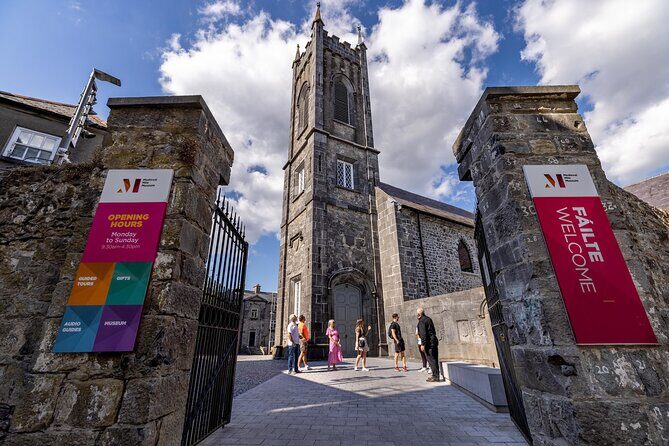
- Starting at St. Mary’s Medieval Mile Museum Gardens: Your Orientation Point
- Tourist Information at Shee Alms House: Charity as a Medieval “Afterlife Service”
- Butter Slip: Trade, Loading Ships, and Why Kilkenny Smelled Like Business
- Kyteler’s Inn and the Alice Kyteler Trial: Medieval Justice with Teeth
- Kilkenny Old Jail and Courthouse: Graces Castle and the Ten Tribes
- Black Freren Gate: The City Wall as an Identity Line
- High Street at St. Mary’s Cathedral Area: A Casual Finish with Big Landmarks
- Price and Value: Getting More Than a Cheap Walk
- Small Group Comfort, Real Listening, and Weather Reality
- Who This Tour Is Best For (and When to Skip It)
- Should You Book the Medieval Mile Street Tour?
- FAQ
- FAQ
- How long is the Medieval Mile Street Tour?
- How much does it cost?
- Where does the tour start and end?
- Is the tour in English?
- Is admission included for all stops?
- What cancellation options do I have?
Quick Hits on the Medieval Mile Street Tour
- Audiophones can make the tour easier to follow in real street noise
- Seven historic stops in about 75 minutes helps you get oriented fast
- Major Kilkenny stories in plain sight, from Alice Kyteler to the city walls
- Mostly free admission points, so your money goes to the guide experience
- A short, moderate walk that still feels like real exploring
How 75 Minutes Makes Kilkenny Click
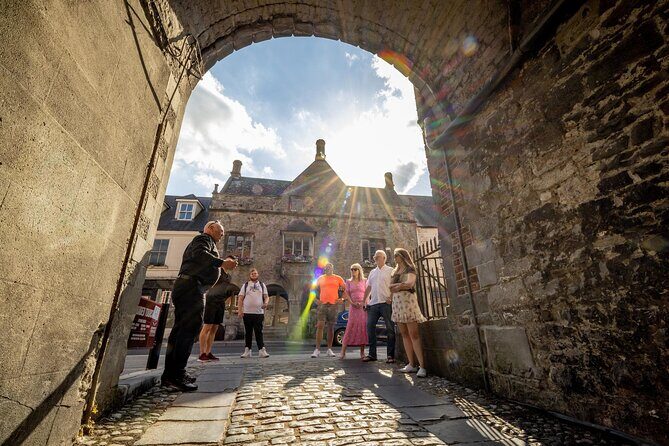
If you’re trying to understand Kilkenny in one go, this tour’s timing is a big part of the value. At roughly 1 hour 5 minutes to 1 hour 15 minutes, you get enough time to connect the dots, but not so much that your attention falls off.
The route follows the Medieval Mile vibe—compact, walkable, and packed with landmarks—so you can start with the museum foundation, then move outward into everyday medieval life: charity, shipping and goods, trials and justice, and how the city defined who belonged. The pace also matters: you’re not wandering alone, yet you’re not stuck in a long bus schedule either.
With a maximum of 25 travelers, you should feel like a person, not a number. And because the tour is in English with a mobile ticket, it tends to be smooth and easy to manage once you’re there.
You can also read our reviews of more tours and experiences in Kilkenny.



Starting at St. Mary’s Medieval Mile Museum Gardens: Your Orientation Point
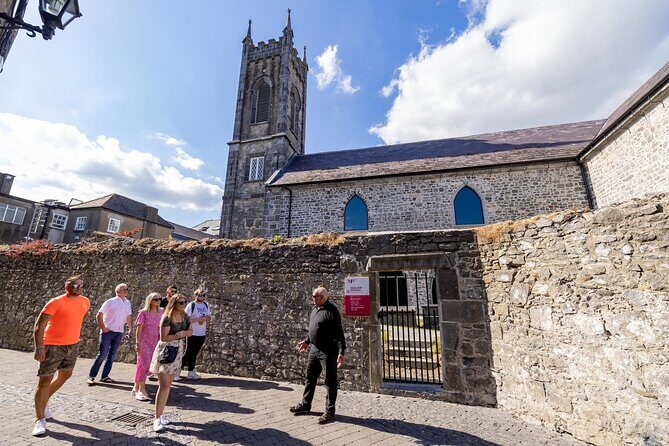
The tour begins at St. Mary’s Medieval Mile Museum Gardens. That’s a smart start because it gives you a reference point before you start moving. You’ll check in at the museum reception, then the guide starts outside, which is great when the goal is streets-and-signs history rather than only indoor exhibits.
This first stop is short—about 10 minutes—and you’ll also get a free admission ticket tied to this beginning point. What you’re really buying here is context. Instead of hearing random names and dates, you’ll get a framework for how medieval Kilkenny worked, which makes the later stops land harder.
If you’re coming during rain, starting at a museum area usually helps. You’re not instantly stuck in the open without a warm-up.
Tourist Information at Shee Alms House: Charity as a Medieval “Afterlife Service”
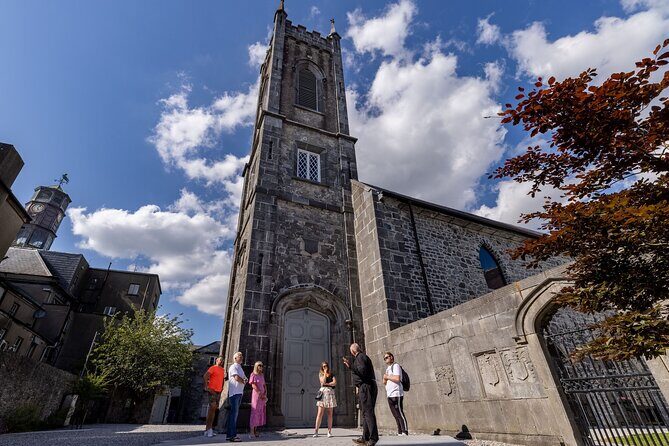
Next up is the Tourist Information Office at Shee Alms House. Expect about 10 minutes at this stop. The theme here is how medieval people thought about obligation and grace—especially through endowments.
The idea is simple but powerful: endowing an alms house could bring indulgences, helping the founder’s soul after death, with prayers offered by the residents. It’s not “charity” in the modern fundraising sense. It’s social support mixed with religious duty, tied to how people understood life after death.
One practical note: admission ticket is not included for this stop. So if you arrive expecting every location to be fully covered, you’ll want to adjust your budget for this one.
Butter Slip: Trade, Loading Ships, and Why Kilkenny Smelled Like Business
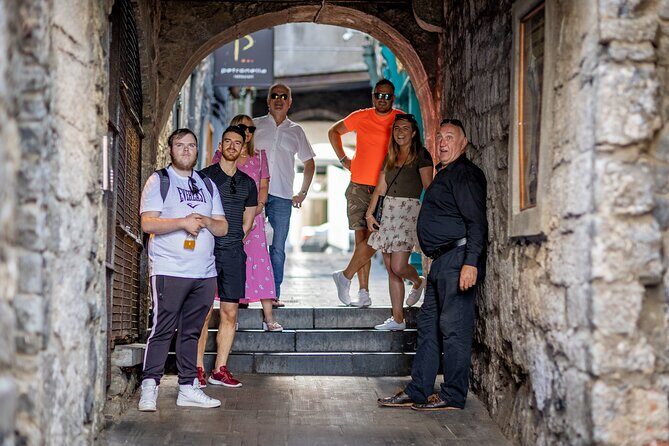
At the Butter Slip, you’ll spend about 10 minutes. This is one of those spots where the medieval past feels oddly practical. The story is about where goods came in from across Ireland and beyond, and how ships were loaded for continental markets.
What I like about this stop is that it balances the more spiritual or legal themes elsewhere on the route. Medieval Kilkenny wasn’t only about prayer and trials. It was also about movement of goods, money, and connecting to wider networks.
Even if you don’t think about trade much while traveling, this stop gives you a key lens. Later, when you hear about prominent families and power in the city, the “why” starts to make sense. Kilkenny’s stories aren’t floating in the air—they’re tied to commerce.
Admission for this stop is listed as free, so you’re not paying extra to hear it explained well.
Kyteler’s Inn and the Alice Kyteler Trial: Medieval Justice with Teeth
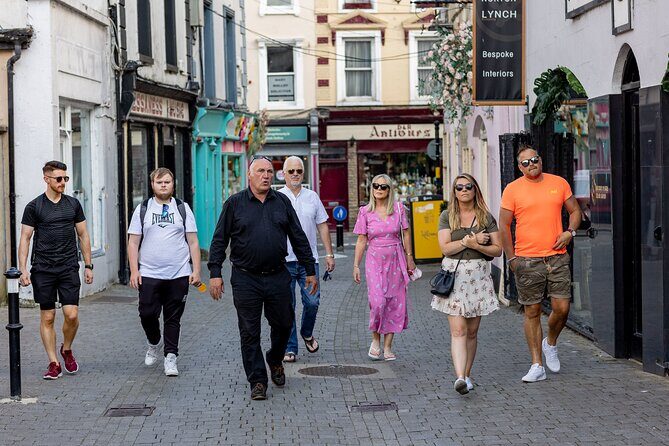
Then you hit Kyteler’s Inn, another 10 to 12 minute stop. In 1324, Kilkenny became the stage for one of the most infamous medieval trials in Ireland: the case of Alice Kyteler, accused of being a witch.
This stop works because it’s specific. It’s not a vague “medieval people were superstitious” lesson. It’s a named person, a particular moment, and a spotlight on how accusations could turn into major events. The guide’s job here is to explain the context without sensationalizing it.
Admission here is also free, which is good because this is the kind of stop you want to linger over. If you’re curious about medieval religion, gender, and law, this is one of the stops you’ll remember later when you’re exploring the city on your own.





Kilkenny Old Jail and Courthouse: Graces Castle and the Ten Tribes
The Kilkenny Old Jail and Courthouse is about 10 minutes, and it’s a busy little cluster of ideas. Today it’s a courthouse, but it was once called Graces Castle, and it ties into the Grace family—a prominent Old English merchant dynasty.
You’ll also hear how they fit into the Ten Tribes, the group that dominated Kilkenny’s political, economic, and social life from the late medieval period into the 17th century.
This stop matters because it puts “power” on the map. The city wasn’t only controlled by rulers far away. Local merchant families helped shape what life looked like, including justice and governance.
If legal history is your thing, you’ll probably feel the theme connecting from earlier stops: trade brings influence, influence brings institutions, and institutions shape how people live and get judged. Admission is free here too, which helps you feel like you’re getting a lot for your money.
Black Freren Gate: The City Wall as an Identity Line
Next is the Black Freren Gate, another 10 minute stop. The topic is the city walls—not just as defense, but as identity.
In the Middle Ages, the walls weren’t only about keeping enemies out. They marked a boundary between those who were part of the civic community and those who were outside it. That’s a big concept dressed in an easy-to-understand physical idea: boundaries create belonging.
This stop is also useful if you plan to keep walking after the tour. Once you understand the walls as social lines, you’ll notice how the Old City feels planned and compartmentalized in a way modern cities often don’t.
Admission is free, so you can focus on the story and not think about costs at each stop.
High Street at St. Mary’s Cathedral Area: A Casual Finish with Big Landmarks
The tour then shifts into the final stretch on High Street—about 12 minutes—described as a non-stop casual stroll. This is where the guide uses the last leg to connect more landmark stories, including St Marys Cathedral, the Tholsol, and the Hole in the Wall.
This part is typically where the tour feels most like walking through a movie set. You’re moving, looking, and letting the guide point out what matters.
One detail from the guide experience that’s worth planning for: the bell tower area can be quick and crowded, but the view is usually the payoff. If you want photos, stand where your guide suggests and accept that you might have to wait briefly.
Everything on this last segment is listed as free, and the tour ends back at the meeting point, so you’re not scrambling across town after.
Price and Value: Getting More Than a Cheap Walk
At $21.60 per person, you’re paying for more than a route and a stamp. You’re paying for interpretation—someone to turn Kilkenny’s medieval clues into a story you can repeat.
Here’s why I think the value holds up:
- Lots of stops are free admissions, including St. Mary’s Medieval Mile Museum (at the start), Butter Slip, Kyteler’s Inn, Old Jail/Courthouse, and Black Freren Gate.
- The main “cost pinch” is the Shee Alms House/Tourist Information stop, where the ticket isn’t included.
- The tour duration is short enough to fit into a busy day, but long enough to actually connect the themes.
In other words, you’re not paying for museum entry fees across the board. You’re paying for a guide-led route that helps you understand what you’re looking at while you look at it.
If you’re the type who likes to start smart and roam later, this is one of the better ways to do it in Kilkenny.
Small Group Comfort, Real Listening, and Weather Reality
A few details make this tour feel easier than it sounds on paper.
First, there’s a moderate physical fitness level requirement. This is a walking tour, but it’s not a marathon. Expect a handful of short segments and enough time at each stop to stand, look, and hear the explanation.
Second, your group is capped at 25, which matters for hearing and attention. If you’ve ever been stuck behind tall people on a tour, you know why that matters.
Third, pay attention to the audiophone angle. The tour includes tech designed to help you hear the guide clearly, even on noisy streets. If your day is windy or traffic is loud, this can keep the stories from turning into background noise.
Finally, because the route is mostly outdoors, rain can change the mood. The good news: the tour is short enough that a gray day doesn’t ruin it—you just dress for it.
Who This Tour Is Best For (and When to Skip It)
This Medieval Mile Street Tour is a strong fit if you want:
- a first-time introduction to Kilkenny’s Old City layout and themes
- history told in human-sized chunks (seven stops, short stays)
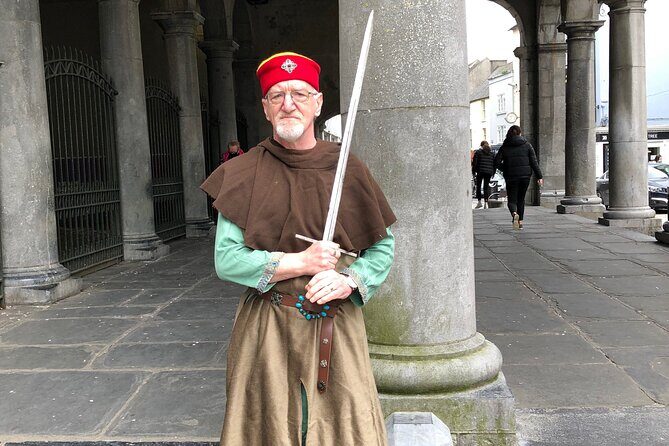
- a guide who brings the setting to life rather than reading dates at you
It’s also a good pick if you’re traveling with limited time. One hour and change is a helpful slot when you still want energy for food, shops, and lingering by yourself afterward.
You might want a different type of tour if you prefer deep museum time or long, slow stays in indoor exhibits. This one is designed for motion and clarity, not for extended indoor immersion.
Should You Book the Medieval Mile Street Tour?
I’d book it if you want to get oriented fast and leave Kilkenny understanding what you’re seeing. For the price, you get a tight route with multiple major stops, plenty of story, and the practical benefit of clear audio support. You also get the satisfaction of a route that ends where it started, so you can keep exploring without logistics stress.
Before you go, do two things: bring a rain layer just in case, and show up ready to walk and listen for about 75 minutes. If you like your history explained with humor and real detail, this tour is one of the easiest wins in Kilkenny.
FAQ
FAQ
How long is the Medieval Mile Street Tour?
It runs for about 1 hour 5 minutes to 1 hour 15 minutes.
How much does it cost?
The price is $21.60 per person.
Where does the tour start and end?
It starts at St. Mary’s Medieval Mile Museum Gardens, Kilkenny (R95 K276) and ends back at the same meeting point.
Is the tour in English?
Yes, the tour is offered in English.
Is admission included for all stops?
Most stops are listed as free, but the Tourist Information Office (Shee Alms House) has admission not included.
What cancellation options do I have?
You can cancel for a full refund up to 24 hours before the experience starts. After that window, the amount paid is not refunded.