REVIEW · DUBLIN
The Dublin True Crime Tour
Book on Viator →Operated by Alternative Dublin · Bookable on Viator
One street, six stories, and a darker Dublin. This 2-hour true crime walking tour strings together famous landmarks and lesser-known scandals, from heists to punishments. I especially like the small group vibe (max 19), which keeps the stories feeling personal, and the way the route is built for maximum time on foot. One thing to consider: the tour’s focus can shift across time periods, so if you’re only chasing Victorian-era poison-and-murder vibes, read the promise carefully.
You’ll start in the Temple Bar area near College Green, then walk through big name stops like Trinity College and Dublin Castle—except the guide steers the conversation toward crimes, consequences, and the weird human side of history. Expect a story-first format with frequent stops where you can look up from the pavement and actually see the sites as part of the tale.
If you like your sightseeing with a pulse, this works well. It’s practical, guided, and not too long, which matters in a city where weather and walking plans can change fast.
In This Review
- Key points to know before you go
- Why Dublin’s True Crime Works So Well on Foot
- Price and what $16.90 really buys you
- Meeting at College Green for a 4:00 pm start
- Bank of Ireland and Trinity College: the crimes behind the stone
- Stop 1: Bank of Ireland
- Stop 2: Trinity College Dublin
- Molly Malone Statue to Dublin Castle: punishments, thieves, and power
- Stop 3: Molly Malone Statue
- Stop 4: Dublin Castle
- Dubh Linn Gardens and Christ Church: memorials, relics, and postmortem twists
- Stop 5: Dubh Linn Gardens
- Stop 6: Christ Church Cathedral
- Small-group touring is the real upgrade here
- What to expect from the guide and the storytelling style
- Who should book this Dublin True Crime Tour
- My booking verdict: should you go?
- FAQ
- FAQ
- How long is the Dublin True Crime Tour?
- How much does the tour cost?
- What time does the tour start, and where do I meet?
- Where does the tour end?
- Is the tour offered in English?
- Is the tour small?
- Do I need to bring a printed ticket?
- Are there admission tickets required at the listed stops?
- What if the weather is bad?
- Can I get a refund if I cancel?
Key points to know before you go
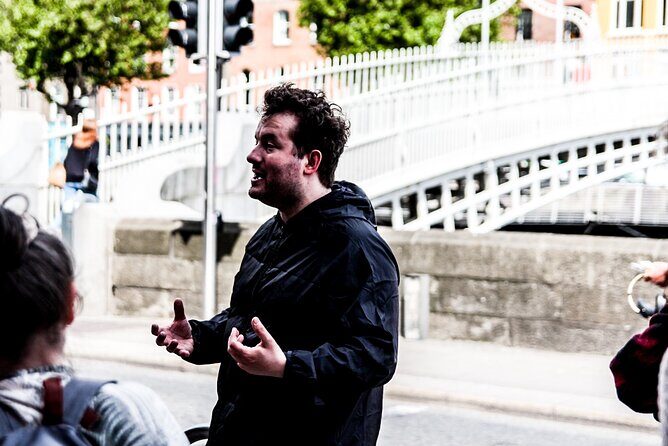
- Max 19 people: small-group pacing, easier questions, and less crowd noise.
- Landmark route with crime context: familiar Dublin sights get a darker frame.
- Free-to-skip admissions on the route: the listed stops are ticket-free for the visit segments.
- 2 hours is the sweet spot: enough time for real stories without eating your whole afternoon.
- Weather matters: it’s designed for good conditions, or you’ll be offered an alternate date or refund.
Why Dublin’s True Crime Works So Well on Foot
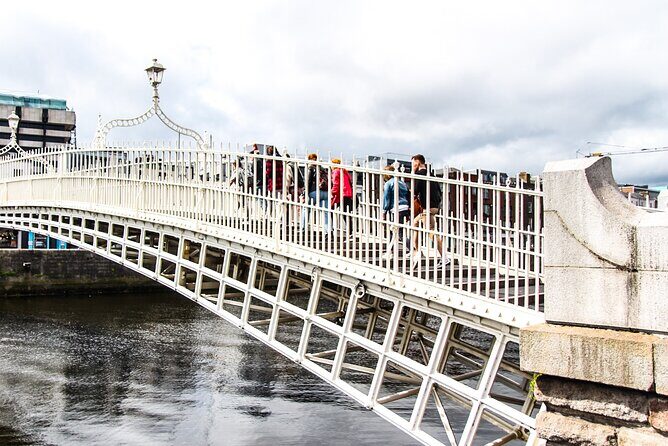
Dublin has a way of staying out in the open. Even when the subject is grim, you can still see the city’s layout: where people passed, where power sat, and where rumors would have traveled fast. That’s why a walking route fits this kind of tour better than a bus ride. You’re not just hearing tales—you’re watching the setting change as the story moves.
This is also a smart way to learn without drowning in facts. The tour is structured around memorable places, so your brain keeps an easy map: bank area, education ground, a famous statue, a seat of power, and cathedrals. You leave with stronger mental geography than you’d get from a random list of dates and names.
You can also read our reviews of more tours and experiences in Dublin.



Price and what $16.90 really buys you
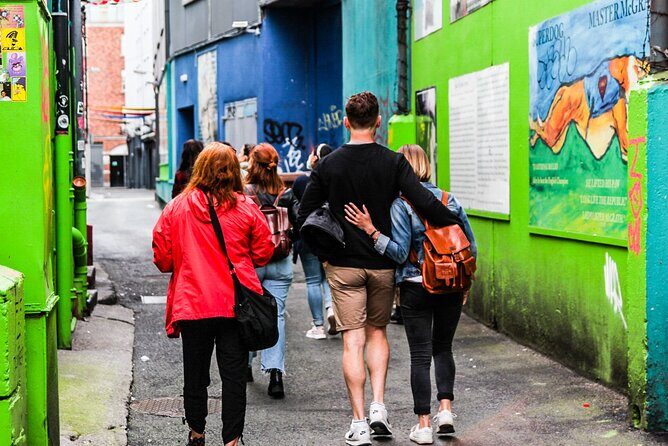
At $16.90 per person for about 2 hours, the value is mostly about concentration. You’re paying for a guide-led, story-focused route that turns recognizable landmarks into a connected narrative. And because the group is kept small, you’re less likely to feel like you’re standing in a crowd listening to one person talk.
There’s also a practical win: a tour this short is easier to stack with other plans. Dublin evenings can be flexible—this kind of timed walk lets you keep dinner and pub options open without committing to a half-day.
Finally, the tour uses a mobile ticket. That’s a small detail, but in practice it saves you from printouts and last-minute stress when you’re already in movement mode.
Meeting at College Green for a 4:00 pm start
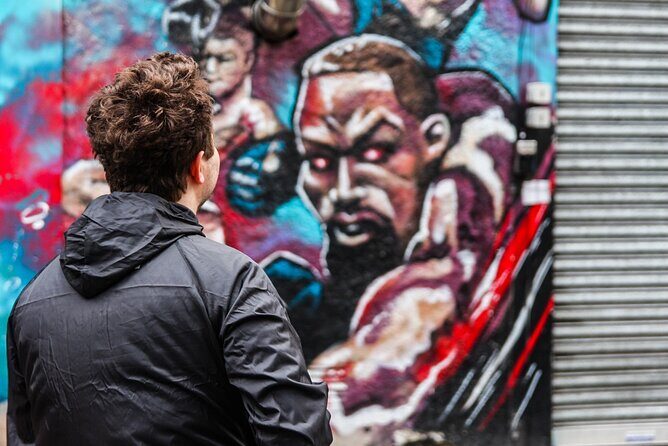
This tour starts at 1 College Green, Temple Bar, Dublin (D02 YT92) and ends at St Audoen’s Catholic Church, High St, Merchants Quay. It begins at 4:00 pm, so plan to arrive a few minutes early to get your bearings before the walking starts.
The area around Temple Bar and College Green is easy to reach with public transport, which helps if you’re juggling multiple stops that day. It also makes the ending location workable: you’ll finish near the Merchants Quay side, which can help you keep the evening flowing rather than forcing a long return trip.
One more reality check: the experience requires good weather. If Dublin gives you sideways rain, don’t treat this as a guarantee—expect an alternate date or a full refund if it gets canceled due to poor conditions.
Bank of Ireland and Trinity College: the crimes behind the stone
The first stops set the tone: you start with the sense that Dublin’s biggest institutions have always been tied to sharp elbows, secrecy, and consequences.
Stop 1: Bank of Ireland
At the Bank of Ireland, you’ll hear about Ireland’s biggest heist and the tiger kidnapping story that wrapped around it. Whether you’re a full-on true crime fan or just curious, this opening works because it grabs attention fast. You’re standing at a financial landmark, so the story feels grounded. You can almost picture the planning, the fear, and the chaos that follows a crime that big.
A small drawback here: if you’re hoping for ultra-technical history lectures, this is story-led. The point is to make the crime make sense in context, not to turn it into a courtroom textbook.



Stop 2: Trinity College Dublin
Next you’re at Trinity College Dublin, where the conversation shifts to old murders and what happened to the people responsible. Trinity is one of those places where your eyes naturally drift upward toward the campus and the tradition, and the guide uses that contrast well. It’s a reminder that scholarship and violence can exist in the same city timeline.
This stop is especially good if you like your true crime with a moral arc: the guide ties the crimes to punishment, so you’re not left with just the horror. You also get a sense of how society responded, not just what occurred.
Molly Malone Statue to Dublin Castle: punishments, thieves, and power
After the academic crime stories, the tour moves into the heart of Dublin’s public identity—statues, fame, and the places where authority could decide your fate.
Stop 3: Molly Malone Statue
At the Molly Malone Statue, the theme expands beyond murders into 18th century Dublin characters—graverobbers and courtesans. This stop is a clever change of pace. Instead of only focusing on violent crime, it points out that Dublin’s underworld also included people making money in morally shady ways, and others who fed the body-harvesting side of the era.
If you like your true crime to feel human—messy motives, social rules, and survival—this is a strong match.
Stop 4: Dublin Castle
Then comes Dublin Castle, where the guide tells the tale of the Irish Crown Jewels heist and what kinds of punishment were used from that infamous base. This is where you’ll feel the “seat of power” energy. In your head, it’s easier to understand why these incidents mattered so much: valuables weren’t just valuable, they were symbols of control.
One practical note: this stop comes with the weight of place. Dublin Castle can attract visitors, so keep your eyes on the guide and your ears open when the crowd noise rises. The tour works best when you stay locked into the story rather than scanning for photos.
Dubh Linn Gardens and Christ Church: memorials, relics, and postmortem twists
The later stops add variety and, frankly, a little strange charm—still within the true crime mood.
Stop 5: Dubh Linn Gardens
At Dubh Linn Gardens, you’ll visit the Veronica Guerin memorial and hear a story about a sneaky curator connected to the Chester Beatty. That pairing is interesting: it brings in modern resonance with Guerin while also tying into the world of collectors and control of information.
This is a stop that can hit differently depending on your interests. If you like true crime that connects to journalism, activism, or modern investigations, the Guerin memorial gives the tour a contemporary pulse without abandoning the dark vibe.
Stop 6: Christ Church Cathedral
Finally, you’ll be at Christ Church Cathedral for the story of the Hear of St. Lawrence and its postmortem adventures. This is a great way to end because it gives you a “crime of history” feel without needing a gory scene. You’re learning how parts of the story survive—through relics, legends, and the way people treated sacred objects.
This stop works well as a closer because you’ll leave thinking about what gets preserved and what gets erased.
Small-group touring is the real upgrade here
The headline feature is simple: the tour tops out at 19 people, which is big enough for energy but small enough for interaction. In a city full of large group walks, that difference changes everything.
With fewer people, the guide can keep momentum. Questions land faster, and you’re less likely to get lost in the back row noise. That’s also part of why the tour feels engaging: the stories don’t sit in a vacuum. You get chances to respond, react, and steer attention to what you care about most.
If you’re the type who likes to ask, this will probably feel like a friendly class with a darker syllabus.
What to expect from the guide and the storytelling style
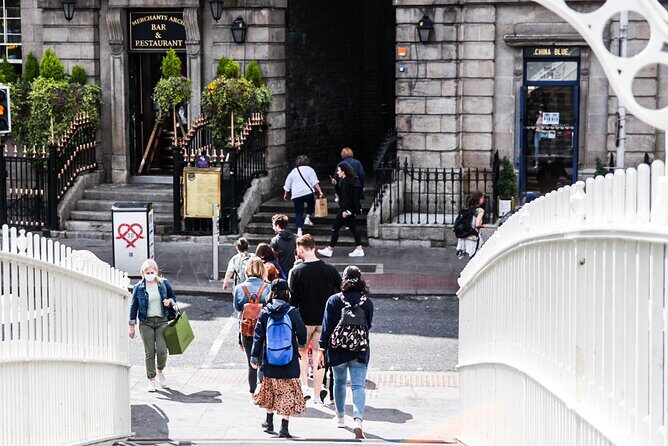
This is a guided walking tour, so the experience depends on narration and pacing. The best sessions are the ones where the guide keeps the tale moving and answers questions without rushing.
I’ll also flag a consideration: some people prefer a tight focus on a specific era. If you’re expecting only Victorian-era mayhem—poisonings, gaslit rooms, and all that—you may find the tour spreads wider across time than that. The safest approach is to go in wanting a Dublin crime panorama rather than a single century deep dive.
Also, since this is outdoors walking, your ability to hear clearly matters. Bring patience for street-level conditions and keep yourself where you can see the guide’s face when possible.
Who should book this Dublin True Crime Tour
You’ll likely love it if:
- You enjoy true crime stories tied to real Dublin landmarks.
- You want a guided walking tour that feels more personal than a large-bus-style experience.
- You like a mix of famous places (Trinity, Dublin Castle, cathedrals) and darker angles (heists, murder, punishment).
You might want to think twice if:
- You need the story to stay in one narrow time period.
- You’re sensitive to narrative clarity in outdoor, moving settings.
My booking verdict: should you go?
I’d book this tour if you want an easy, evening-friendly way to see Dublin with a darker frame. For $16.90 and about two hours, the value comes from focus: you get landmark access plus story context without spending a whole day in transit or museum lines.
Two quick decision tips:
- If your ideal tour includes crime stories with consequences and real places, this fits well.
- If you’re set on one specific era or want only Victorian material, check expectations before you commit.
FAQ
FAQ
How long is the Dublin True Crime Tour?
It’s about 2 hours.
How much does the tour cost?
The price is $16.90 per person.
What time does the tour start, and where do I meet?
The tour starts at 4:00 pm. You meet at 1 College Green, Temple Bar, Dublin (D02 YT92).
Where does the tour end?
It ends at St Audoen’s Catholic Church, High St, Merchants Quay, Dublin.
Is the tour offered in English?
Yes, it’s offered in English.
Is the tour small?
Yes. The maximum group size is 19 travelers.
Do I need to bring a printed ticket?
No. It uses a mobile ticket.
Are there admission tickets required at the listed stops?
The tour’s listed stops show admission ticket-free for the visit segments.
What if the weather is bad?
The experience requires good weather. If it’s canceled due to poor weather, you’ll be offered a different date or a full refund.
Can I get a refund if I cancel?
Yes. Free cancellation is available. You can cancel up to 24 hours in advance for a full refund.