REVIEW · SLIGO
Surf Lessons in Co. Sligo, on The Wild Atlantic Way
Book on GetYourGuide →Operated by Strandhill Surf School · Bookable on GetYourGuide
Strandhill surf lessons turn nerves into waves. This lesson at Strandhill Beach (a classic Irish beach break on the Wild Atlantic Way) is built for people who want their first real go at surfing, not just a tour of the coastline. I like that the school leads with safety priority and qualified instruction, so you’re not guessing your way into the lineup.
Two things stand out to me right away: the school is long-running and highly rated in Sligo, and the lesson structure gives you real coaching time (not rushed, not vague). A key consideration: one review flagged surf gear that felt worn out, so if you’re sensitive to equipment condition, it’s worth paying attention on arrival.
In This Review
- Key things that make this surf lesson work
- Strandhill on the Wild Atlantic Way: the setting that makes surfing feel real
- Who this 2.5-hour lesson is for (and who it’s not)
- Arrival, check-in, and the wetsuit-and-boot setup
- The sand lesson: your first 15 minutes of control
- The water session: coaching, encouragement, and learning at your own pace
- Value and price: what $66 includes (and why it adds up)
- Gear condition reality check (from the feedback you should consider)
- Safety moves that make beginners feel comfortable
- What you actually need to bring (and what to skip)
- After your session: turn Strandhill into a full Sligo stop
- Should you book this surf lesson in Sligo?
- FAQ
- How long is the surf lesson?
- What age is this surf lesson for?
- Is equipment included in the price?
- What should I bring?
- Who are the instructors, and what language do they teach in?
- Are there any restrictions on what I can bring?
- Can I cancel and get a refund?
Key things that make this surf lesson work
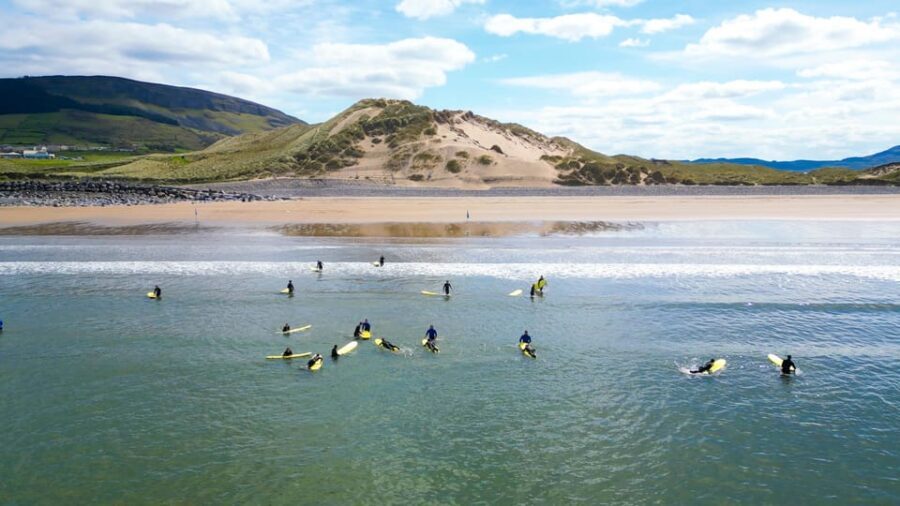
- Strandhill beach break setting: you’re learning at one of Ireland’s most famous surf spots on the Wild Atlantic Way
- Safety-first coaching style: trained Irish Surf Association instructors guide you step by step
- More instructor attention: an instructor-to-student ratio higher than industry standard means more chances to get corrected
- All equipment included: wetsuit, surf boots, and the surfboard are included in the price
- 15 minutes on sand first: a short basics session before you hit the water
- Your pace is respected: you’re encouraged to learn without pressure, especially if you’re new
Strandhill on the Wild Atlantic Way: the setting that makes surfing feel real
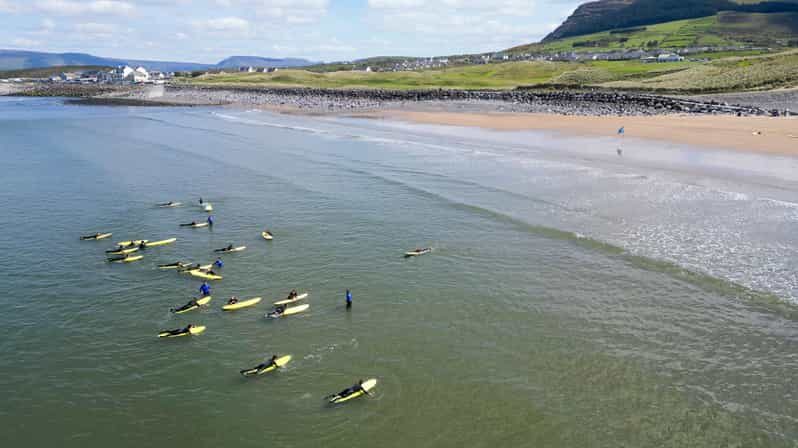
There’s a reason Strandhill is the go-to name in Sligo surf. The beach break experience means the ocean gives you an honest mix of waves and chances to try. And because it’s right on the Wild Atlantic Way, you’re not stuck with an urban shoreline and a lot of background noise. You’ll be taking in those Sligo-coast views before and after your session—exactly when your brain is still waking up or winding down.
What I like here is that the setting supports the skill-building. You get that classic “this is what surfing looks like” energy without needing a big, complicated plan. You show up, get fitted, learn fundamentals, then spend your time where it counts: on the water with guidance.
A few more Sligo tours and experiences worth a look

Who this 2.5-hour lesson is for (and who it’s not)

This is designed for beginner and intermediate surfers, ages 8 and up. If you’re totally new, that’s fine. The format is built around learning basics and then putting them into action as you go.
It also works well if you already have a little time on a board. Your instructor can encourage better positioning and technique instead of treating everyone like they’re starting from zero.
The main “not for you” point: it’s not suitable for children under 8. If you’re deciding between ages, this one’s pretty clear.
Arrival, check-in, and the wetsuit-and-boot setup
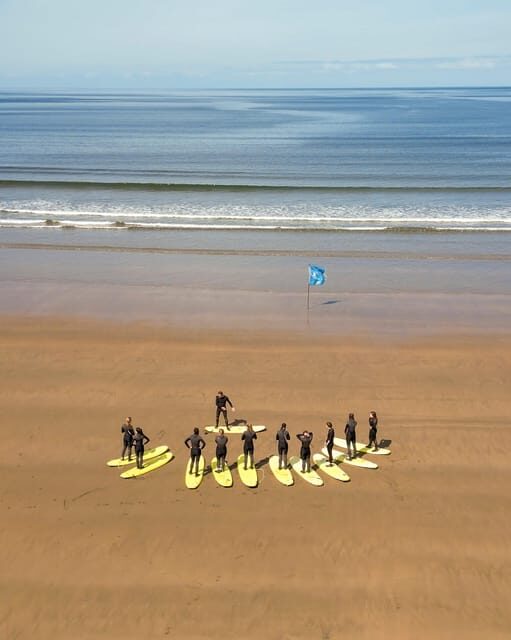
Your session starts with a straightforward arrival routine. You’ll be greeted by a team member who checks you in and gets you organized once the group is together. Then you’ll get a quick intro to the location and how the lesson will run over the total 2.5 hours.
After that, you’ll be taken to the changing area and fitted with what you need:
- a wetsuit
- a pair of surf boots
This matters because it removes two hassles from your day. You don’t need to source gear. And you can focus on the lesson instead of figuring out how to get cold-water clothing sorted quickly. There are showers and changing rooms on site, so you can clean up before you head to food afterward.
One detail I really appreciate: instructors carry your boards to the beach. That means you’re not burning energy doing gear logistics, especially helpful if you’re coming in as a beginner and still learning how to pace yourself.
The sand lesson: your first 15 minutes of control
Before you hit the water, you get about 15 minutes on the sand. This isn’t a long lecture—it’s a practical basics warm-up so you know what you’re doing when you finally paddle out.
You’ll learn the core fundamentals on land first, then translate them into what happens on the waves. That simple step is a big deal. Surfing can feel chaotic at first, and a short sand session helps your brain connect movement to meaning. You’re less likely to panic because you’ve already rehearsed the basics in a low-pressure environment.
If you’re the type who needs a mental script, this part helps you get oriented fast. It also gives you momentum. By the time you step into the water, you know what “good” should look like.
The water session: coaching, encouragement, and learning at your own pace
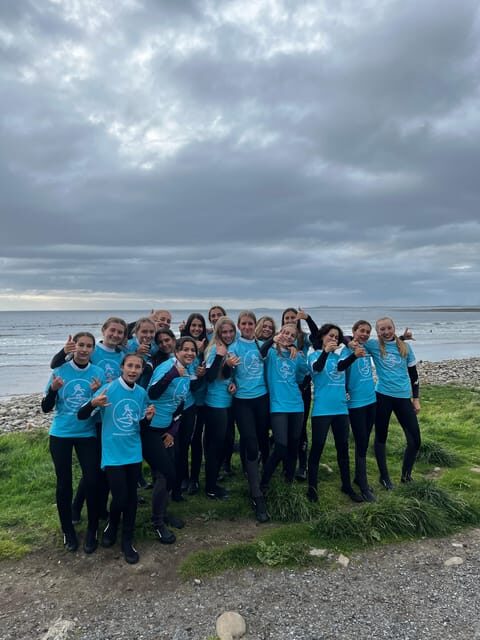
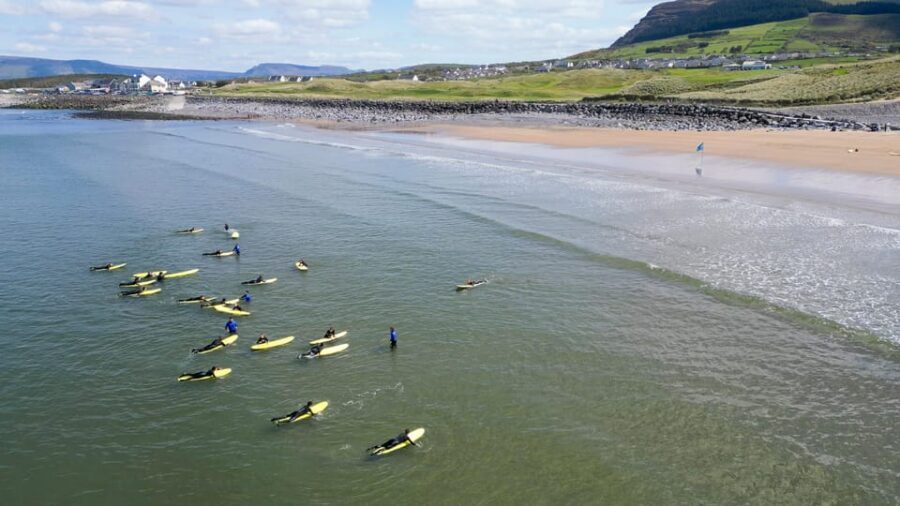
When it’s time to go in, you’re guided by fully qualified Irish Surf Association surf instructors. The lesson is run with a focus on technique, but the tone is also encouraging. You’ll get valuable tips throughout the session, not just a one-time explanation.
The school also emphasizes a higher-than-industry instructor-to-student ratio, which is one of those details that matters more than it sounds. With more instructor attention, you can get more frequent corrections. That’s where beginners typically improve fastest: small adjustments, right when you need them.
Here’s the learning philosophy I’d call out: surfing is different for everyone. You’re encouraged to learn at your own pace, and nothing is expected of you beyond participation and safety. That reduces the pressure you might feel when you see others catching waves.
Also, the instructor language is English, so communication should be straightforward if you’re traveling from abroad and want clear coaching without a language barrier.


Value and price: what $66 includes (and why it adds up)
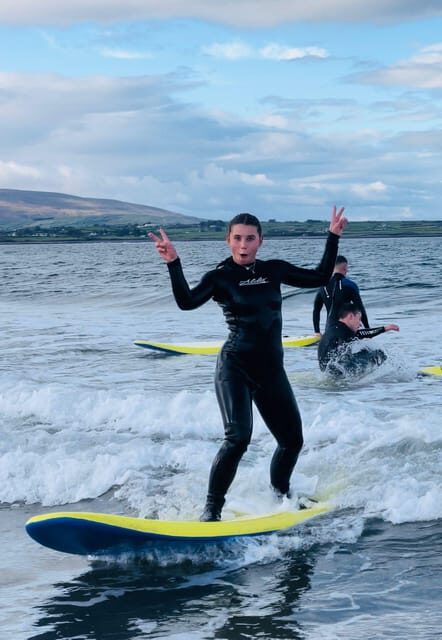
At $66 per person for a 2.5-hour lesson, you’re paying for more than time in the water. You’re paying for:
- guided instruction across the full session
- all equipment included in the price
- on-site showers and changing rooms
- wetsuit and surf boots (not just the board)
Many activities charge extra for gear. Here, you’re told all surf equipment is included with no added cost. You only need to bring a towel and swimwear. That’s a real value boost if you’re traveling light.
So the “value math” is simple: if you’d otherwise rent a wetsuit and board and pay for a guided session, this packages it together. Plus, you don’t have to worry about finding compatible gear at the last minute.
One more value note: because the instructors carry the boards and there’s a structured sand-to-water flow, you spend less time wrestling logistics and more time doing what you came for.
Gear condition reality check (from the feedback you should consider)
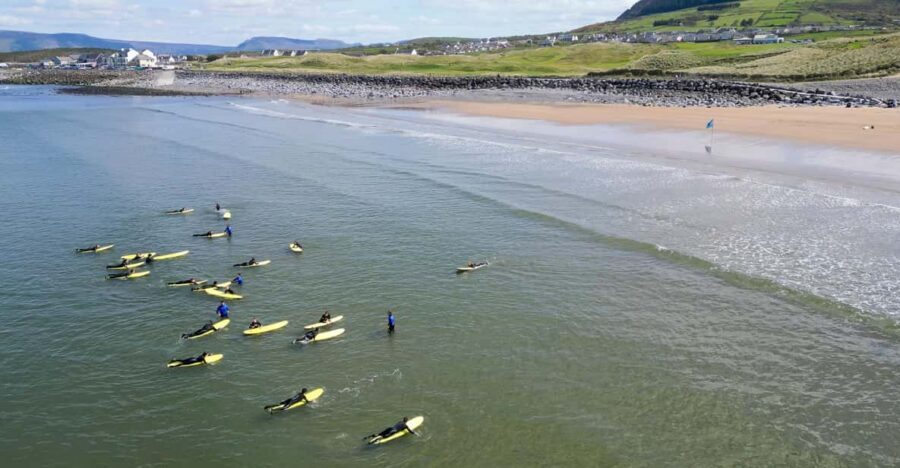
Surf lessons are physical and gear-dependent. That’s why one review point matters: there was feedback that the surf materials felt worn out and could use replacement.
I’m not saying every session has that issue, but I am saying you should treat equipment condition as part of your decision. If you show up and notice boards that look beat up, or fit issues with wetsuits/boots, speak up right away. A good school will want you safe and comfortable, and that starts with the gear.
If you’re someone who expects everything to feel fresh, it’s reasonable to keep this in mind. It’s also a reminder that “inexpensive” surf lessons can vary in how well they maintain equipment—so your attention on arrival is worth it.
Safety moves that make beginners feel comfortable
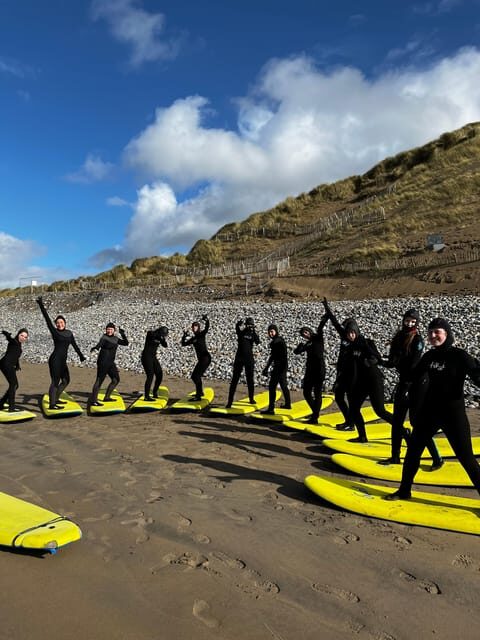
Safety isn’t listed like a side note—it’s presented as No.1 priority. You can see what that means in practice: the lesson is instructor-led, you’re guided to the most ideal part of the beach for the session, and you’re taught fundamentals before you’re fully in the water.
They also don’t allow certain things:
- jewelry
- alcohol and drugs
This is exactly what you want for ocean activities. Jewelry can snag or become a distraction. And alcohol or drugs don’t belong anywhere near water safety.
If you want a calmer first lesson (rather than a stressful one), a safety-focused approach is often the difference between trying again and deciding surfing isn’t for you.
What you actually need to bring (and what to skip)
Bring:
- swimwear
- a towel
You’ll be provided with:
- wetsuit
- surf boots
- surfboard during the lesson
Skip:
- jewelry
- alcohol and drugs
This list is refreshingly short. It’s the kind of packing situation that works for a day trip. If you’re planning a tight schedule in Sligo, you won’t need to pack extra gear or hunt for rentals.
After your session: turn Strandhill into a full Sligo stop
Once the lesson ends, you return to the beach front location with access to the showers and changing facilities. Then it’s an easy transition to food and downtime.
The school recommends checking out local cafes, restaurants, and bars nearby, and that matches the vibe you’d expect after a wet, active morning or early afternoon. Your body will want something warm and your brain will want something simple—this is the best time to let the day slow down.
Should you book this surf lesson in Sligo?
If you’re looking for a beginner-friendly way to learn surf in Ireland, this one’s a strong pick. I’d book it if you want:
- qualified Irish Surf Association instructors
- a lesson structure that starts with basics and then moves into the water
- all equipment included so you don’t manage rentals
- a safety-first, pace-respecting approach
I’d pause only if you’re very sensitive to gear condition. The one piece of feedback about worn equipment is the only real red flag in the information you have here.
Otherwise, the value is clear: $66 buys you a structured lesson, coaching, and full gear for a full 2.5 hours at Strandhill—one of the best places in Sligo to feel what the Wild Atlantic Way is like from the waterline.
FAQ
How long is the surf lesson?
The surf lessons last 2.5 hours in total.
What age is this surf lesson for?
It’s for ages 8 and up. It’s not suitable for children under 8 years.
Is equipment included in the price?
Yes. All equipment is included at no extra cost, including the wetsuit and surf boots, and you’ll be given a surfboard for the lesson.
What should I bring?
Bring swimwear and a towel. That’s all you’re told to provide.
Who are the instructors, and what language do they teach in?
The lessons are guided by fully qualified Irish Surf Association surf instructors, and instruction is in English.
Are there any restrictions on what I can bring?
Yes. Jewelry isn’t allowed, and alcohol and drugs aren’t allowed.
Can I cancel and get a refund?
Yes. Free cancellation is available up to 24 hours in advance for a full refund.