REVIEW · SLIGO
Sligo surfing. Sligo. Guided. 2½ hours
Book on Viator →Operated by Ireland Wild Escapes · Bookable on Viator
Sligo teaches surfing with real sea time. This guided session pairs land practice with time in the waves on Ireland’s Wild Atlantic Coast, where swells are steady enough to help beginners get rolling. Strandhill Beach is the main spot, and the approach is all about safe progression with pro instructors.
I especially like the small-group setup, which typically means you get closer coaching instead of feeling lost in the crowd. I also like that all the equipment is provided, so you can show up without hunting down wetsuits, boards, and the rest.
One thing to plan around: the class is weather dependent, and you’ll also want to be able to swim since water time is the point. If conditions don’t cooperate, the session can be swapped or refunded, but you should still build in flexibility.
In This Review
- Key things to know
- Why Sligo’s coast works for first-time surfers
- What the guided session really feels like (2.5 hours vs 3 hours)
- Strandhill Beach: where your technique meets the ocean
- Small-group coaching: more attention, faster fixes
- Equipment and comfort: gear plus the basics handled
- Price and value: what $101.71 covers
- Weather realities on the Wild Atlantic Way
- Who this surf lesson is best for
- Practical planning tips for your day in Sligo
- Should you book Sligo surfing with Ireland Wild Escapes?
- FAQ
- How long is the Sligo surfing guided lesson?
- Where does the surf lesson take place?
- Where is the meeting point?
- What time does the session start?
- Is equipment included?
- How big is the group?
- Do I need to know how to swim?
- What skill level is this for?
- What happens if the weather is poor?
- What is the cancellation policy?
Key things to know
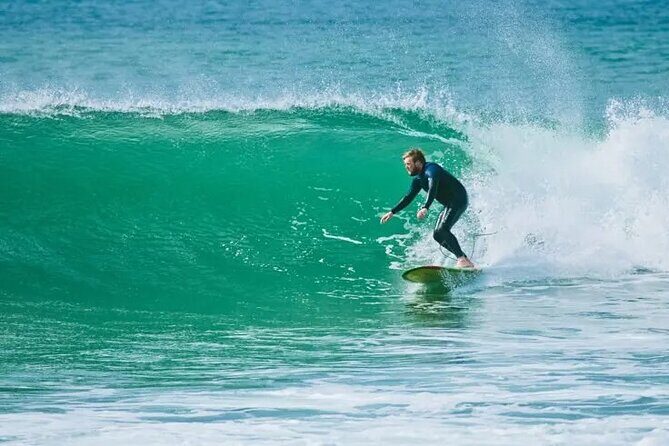
- Consistent Sligo swells: slower, regular wave movement that suits learning.
- Land first, waves second: you’ll practice key technique before you hit the water.
- Equipment included: wetsuit/board gear is handled for you.
- Small group limit (max 15): easier instructor attention and quicker fixes.
- Strandhill Beach is the water stop: classic Wild Atlantic surfing vibes.
- Weather can change everything: the ocean runs the schedule.
Why Sligo’s coast works for first-time surfers
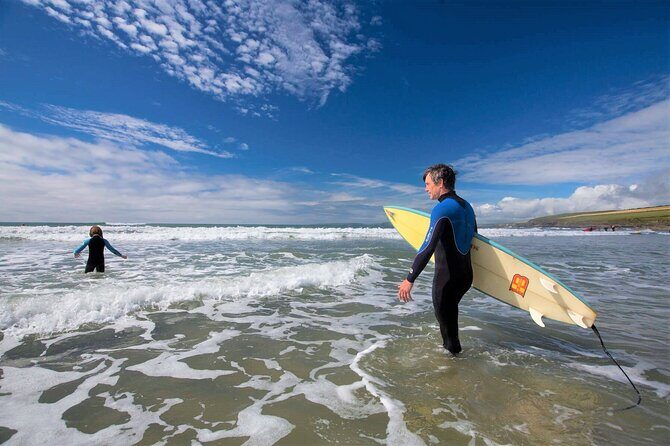
Sligo sits on Ireland’s Wild Atlantic Way, and that matters because the coast here is known for consistent swells. The wave rhythm is described as slow and regular, with rolling waves that don’t snap into breaking chaos right away. That’s exactly the kind of surf a beginner wants. You’re not just chasing random whitewater. You’re building timing.
It also helps that the surf coast is tied to serious Irish surfing credentials, including a record for the largest wave surfed in Ireland. You don’t need to be chasing big-wave bragging rights to enjoy that reputation. It mostly signals that the area has the right surf ingredients—ocean exposure, workable conditions, and enough predictability for coaching.
In plain terms: when the water behaves more consistently, your learning curve gets kinder. You get more tries, fewer interruptions, and a better chance to feel what makes a ride work.
You can also read our reviews of more guided tours in Sligo

What the guided session really feels like (2.5 hours vs 3 hours)
The session you book is listed at about 2 hours 30 minutes, and the instruction is described as lasting 3 hours including a 30-minute check-in time. Either way, plan your afternoon like it’s a half-day block. Surfing takes time, even when you’re only trying it for the first time.
Here’s the flow you can expect:
- You check in and get oriented before gear and water time.
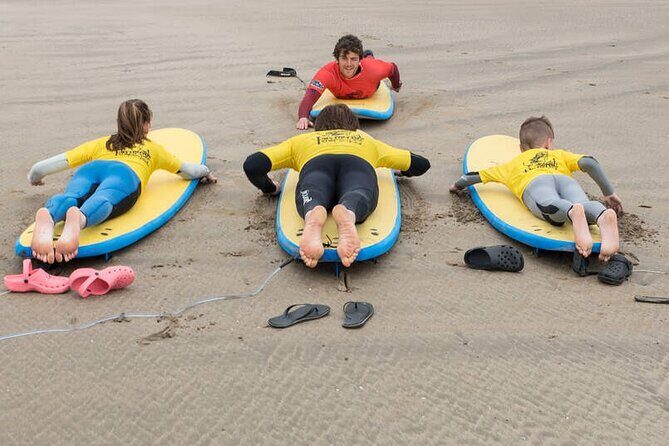
- You start on land, learning core technique and how to position yourself.
- Then you move to the waves at Strandhill Beach for guided attempts.
- You’ll get feedback on what to do next, based on what you actually experienced in the water.
One reason I like lessons structured this way is that surfing is half-body and half-decision-making. On land, you can practice the basics—stance, timing, how to manage the board—without the extra stress of wind, cold water, and waves. Then when you’re in the surf, you’re not translating everything from scratch. You’re applying.
Also, the session is not only about standing up and riding. The program mentions bodyboarding too, which can be a great bridge for beginners. You still learn wave reading and board control, without the same immediate pressure as the full surf setup.
Strandhill Beach: where your technique meets the ocean
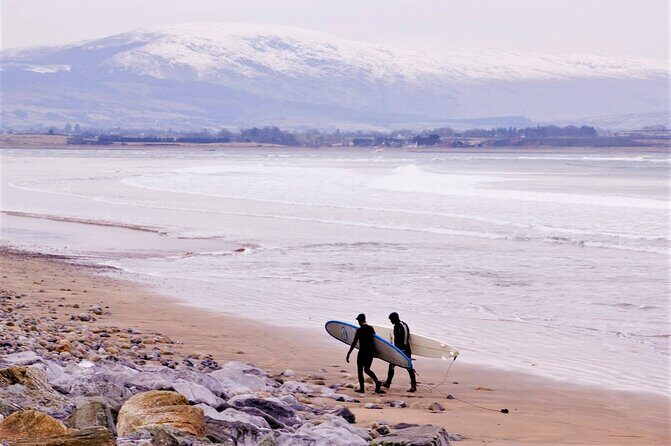
Strandhill Beach is where the action happens. Even if you’ve only watched surf videos, you’ll quickly understand why this spot gets mentioned for learning. The whole vibe is Atlantic-facing: exposed coastline, classic wind-and-water reality, and enough wave structure to practice.
For you, the value of this specific stop is simple: you’re not training in a random spot with unknown conditions. The coaching plan is built around Sligo’s reputation for consistent swell, and Strandhill is the place that makes that real.
A practical consideration: the beach experience can be chilly and windy, even when the lesson is on. You’ll want to dress in a way that lets you layer up for pre-water time. You’ll also want to keep an eye on instructor instructions, because conditions can change during the session.
Small-group coaching: more attention, faster fixes
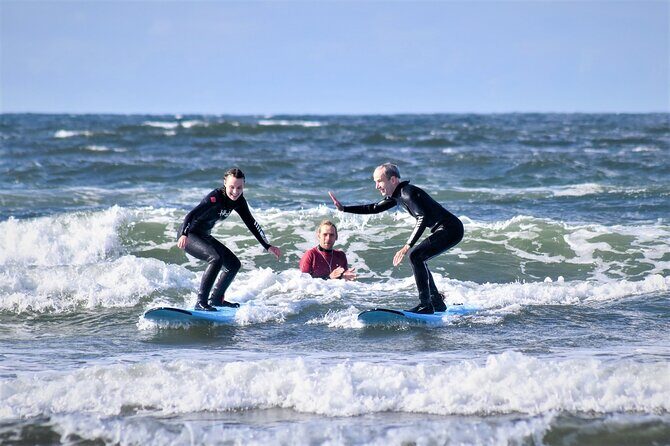
This is a small-group lesson, with a cap of 15 travelers, which is the right size for surf learning. Surf instructors need to watch what you’re doing, correct it, and then let you try again. In a bigger group, that turns into a lot of waiting and guessing.
With this setup, you should expect more direct guidance. The lesson description emphasizes professional instructors and a safe, fun environment, especially for novices. That means the coaching should stay focused on the steps that lead to progress: what to do before a wave, how to handle the board after paddling, and what to adjust when you don’t get the result you wanted.
There’s also a nice extra from real-world experience shared about the instructors: they’ve made an effort to work with French-speaking children. That doesn’t mean every session will match your exact language needs, but it’s a good sign that communication matters to the team—not just the technique.
Equipment and comfort: gear plus the basics handled
The big practical win is that surfing equipment is provided. That usually includes the essentials you’d otherwise have to rent: a board and appropriate water gear. When equipment is handled, you remove one of the biggest barriers for first-timers. You don’t have to figure out sizing, weather-appropriate gear, or which board to choose.
Comfort matters too, because you’ll likely spend time changing and rehydrating after you get out. One report highlighted a shower and clean changing cabins, described as comfortable. I take that seriously because post-water comfort makes the difference between you thinking, That was fun, and you thinking, I’m done for the day.
If you’re the kind of person who gets cold fast, plan to bring what you need to warm up after: a dry layer, socks you’re happy with, and something warm for the ride back.



Price and value: what $101.71 covers
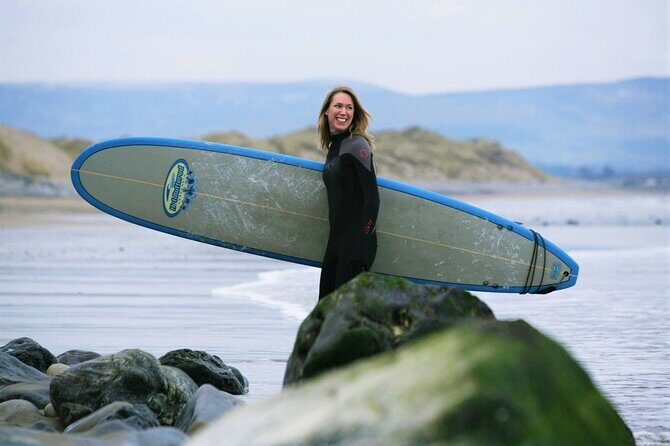
At $101.71 per person, you’re not just paying for time in the ocean. You’re paying for:
- Guided instruction (land drills + wave coaching)
- Pro instructors focused on safety and progression
- Included equipment
- A small group size that supports real feedback
- A lesson structure that fits the Sligo learning conditions
Is it cheap? No. But surf lessons rarely are, because you’re paying for instruction, staff, and the gear that makes the day possible. When equipment is included and you’re learning in a place known for consistent swell, the value tends to land in the right place.
If you’re traveling to Sligo anyway, a guided lesson can also be more efficient than trying to wing it. You get someone to explain what to do instead of spending your first hour just figuring out how to not get dragged by the ocean.
My advice for value: think about how many times you’ll actually get to try. If conditions are decent and the coaching time is focused, the cost starts to make sense fast.
Weather realities on the Wild Atlantic Way
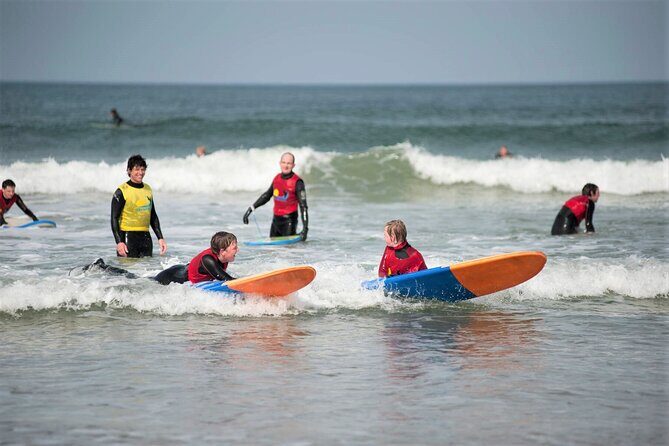
This is water sport, so weather is not a side note. The lesson is weather dependent, and safety is explicitly the priority. If conditions aren’t right, you can be offered a different date or a full refund.
You should also treat swimming ability as a real part of the plan. The guidance says it’s advisable to be able to swim. That doesn’t mean you need Olympic confidence, but it does mean you should be comfortable enough to handle time in the water as conditions require.
If you’re coming with kids, consider the swim comfort factor first. Then consider how your child handles cold. Surfing is a physical sport, and cold can affect your ability to focus and follow instructions.
Finally, because cancellations can happen due to poor weather, consider scheduling your other plans with flexibility on either side of the lesson window.
Who this surf lesson is best for
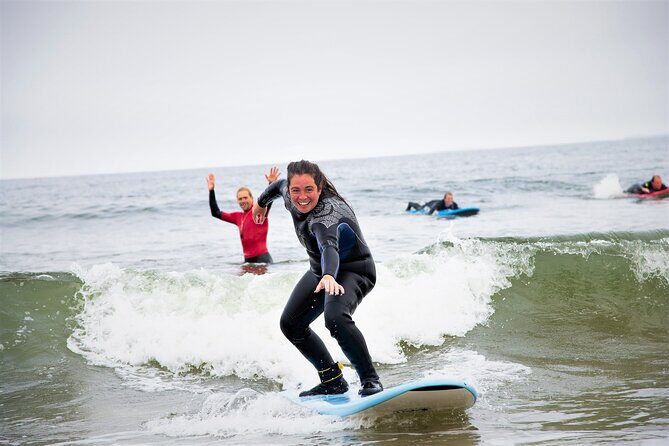
This session is described as welcoming for surfers of all levels. That includes:
- First-timers who want to catch their first wave in a safe, fun setup
- People who want to improve technique and get corrections based on what they’re doing
If you’re brand new, the land-to-water approach is a big plus. You’ll learn the stepping stones instead of just being told to paddle harder and hope.
If you’re intermediate, the value comes from the coaching feedback loop. Surf improvements often happen when you fix one or two details. A guided session can spot those faster than self-taught practice.
It’s also a good match if you want a structured activity with included gear and a capped group size, rather than a day spent experimenting on your own.
Practical planning tips for your day in Sligo
Here are the details that make the difference once you’re on the ground:
- Time it like a half-day: the session runs about 2.5 hours in listing terms, with instruction lasting about 3 hours including check-in.
- Know the meeting point: Carrowbunnaun, Co. Sligo, F91 XH50. The activity ends back at this meeting point.
- Arrive ready for water conditions: you’ll likely transition quickly from land prep to surf time.
- Bring a plan for getting warm: dry clothes and a warm layer are your friend.
- Stay flexible: weather can shift your schedule, and the ocean calls the shots.
Also, the meeting point is noted as being near public transportation. If you’re traveling without a car, that’s helpful. Still, since the day revolves around water gear and timing, you’ll want to build in extra buffer time to avoid rushing.
Should you book Sligo surfing with Ireland Wild Escapes?
If your goal is to learn surfing on Ireland’s Wild Atlantic Coast without guessing, I think this is a strong choice. The combination of small-group coaching, provided equipment, and land instruction before waves is exactly how you keep the learning curve from getting frustrating.
Book it if:
- You want guided progression at a place known for consistent swell
- You’d rather get correction from an instructor than struggle alone
- You’re okay with the reality that weather can change plans
Skip or rethink if:
- You’re not comfortable swimming
- You have a schedule you can’t flex on a weather-driven day
- You’re looking for big-wave thrills rather than technique building
Bottom line: this lesson is built for the moment you want to start surfing for real. With the Sligo swell pattern and the small-group attention, you’re set up to learn faster and enjoy the day more.
FAQ
How long is the Sligo surfing guided lesson?
The lesson is listed at about 2 hours 30 minutes. It’s also described as lasting 3 hours including a 30-minute check-in time.
Where does the surf lesson take place?
The water stop is at Strandhill Beach in Sligo, Ireland.
Where is the meeting point?
The meeting point is Carrowbunnaun, Co. Sligo, F91 XH50, Ireland, and the activity ends back at the meeting point.
What time does the session start?
The listed start time is 12:00 pm.
Is equipment included?
Yes. All necessary surfing equipment is provided.
How big is the group?
The maximum group size is 15 travelers.
Do I need to know how to swim?
It’s advisable to be able to swim since it’s a water sport and safety is a priority.
What skill level is this for?
Surfers of all levels are welcome, including first-timers and people who want to improve technique.
What happens if the weather is poor?
The class is weather dependent. If it’s canceled due to poor weather, you’ll be offered a different date or a full refund.
What is the cancellation policy?
Free cancellation is available. You can cancel up to 24 hours in advance for a full refund. If you cancel less than 24 hours before the start time, the amount paid is not refunded.