REVIEW · ENNIS
Private Ennis Dark History Tour with Dr Jane O’Brien (1-6 people)
Book on Viator →Operated by Jane O'Brien · Bookable on Viator
Ennis has a knack for scary stories. This private dark-history walk with Dr Jane O’Brien turns familiar street corners into a clear, story-led route through punishments, poverty, and Irish folklore—guided in a way that feels easy to follow. I especially like the small-group feel (1–6 people) and the chance to start in the Old Ground Hotel’s centuries-old towerhouse setting.
My favorite part is how the tour makes the past feel local, not textbook. You’ll hear why places like Barrack Street and Market Place matter, and you’ll walk Ennis’s narrow lanes as if you’re reading the town by foot. One thing to consider: it’s a brisk, roughly 1 hour 10 minutes circuit with short stops, so if you like to linger and take your time at every corner, this may feel a bit quick.
In This Review
- Key highlights at a glance
- Why Ennis dark history works on foot, not in a room
- Price for up to 6: what you’re really paying for
- Starting at the Old Ground Hotel and its medieval towerhouse
- Barrack Street and the old Gallows Green
- Walking the old graveyard site and Ennis’s market tensions
- Parnell Street bow-ways: poverty, famine, and the spirits that linger
- Chapel Lane: narrow streets, old shopfronts, and sensory storytelling
- Daniel O’Connell Monument: Biddy Early and the town’s witchcraft trial link
- Arthur’s Row orphanage and the weight of industrial school stories
- Francis Street: banshee sightings and the death coach in local belief
- Ennis Friary’s 13th-century foundations and the local ghost idea
- Ending on Abbey Street by the O’Connell Monument
- How long it feels, what to wear, and how to get the most
- Who should book this private Ennis dark history tour?
- Should you book? My practical take
- FAQ
- How long is the private Ennis dark history tour?
- How many people can be in the group?
- Where does the tour start and end?
- Is admission included for the stops?
- Do I get a ticket on my phone?
- What’s the cancellation policy?
Key highlights at a glance
- Dr Jane O’Brien’s story style keeps the dark themes moving without getting heavy
- 1500s Old Ground Hotel kicks off the route in a properly atmospheric start point
- Folklore you can see on the map: banshee, death coach, and local “wise woman” lore
- Short, efficient stops that still cover a lot of Ennis’s darker chapters
- Free access built into the key stops so you spend more time learning, less time paying
- End in the town center by the O’Connell Monument, making it easy to keep exploring after
Why Ennis dark history works on foot, not in a room
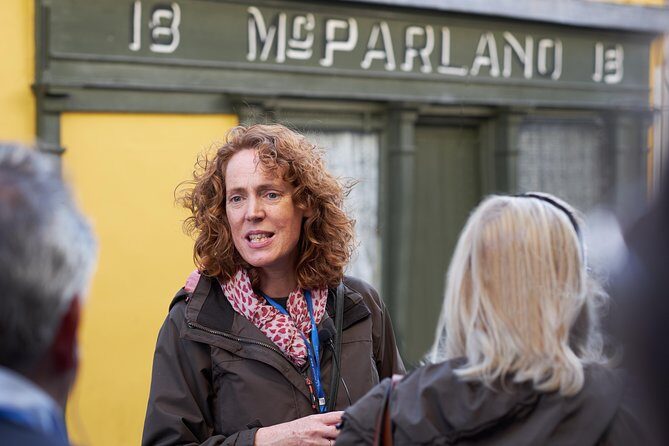
Dark history tours can go two ways: either you get a lecture with a few quick photos, or you get a walking route that helps you understand how people lived, feared, and survived right here. This one is built for the second option.
You’re moving through Ennis’s streets—plus the bow-ways and tight lanes—so the stories land in the right context. When you hear about punishments near old gathering points, you don’t just imagine it; you feel how the space would have guided people. When the theme turns to famine-era poverty and lingering “spirits,” you’re already inside the town shapes where those beliefs could cling.
The private format matters too. With up to six people, your guide can pace the walk to your group and keep the explanations clear, even if the subject matter is grim. And that tone—clear, guided, human—comes through in the strong rating and the consistent recommendation score.
You can also read our reviews of more private tours in Ennis

Price for up to 6: what you’re really paying for
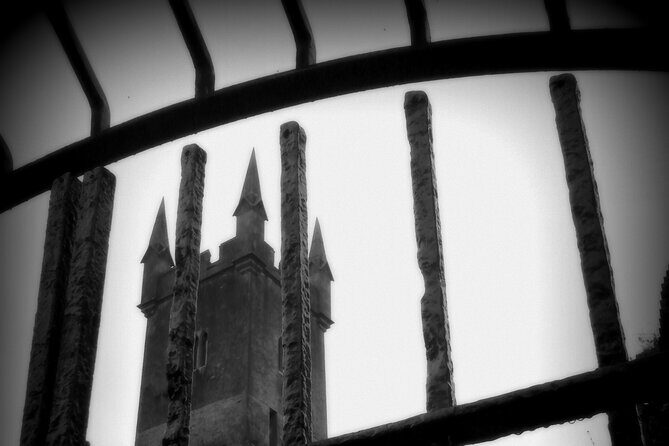
The cost is $270.66 per group for up to 6 people, and the tour runs about 1 hour 10 minutes. On the surface, that’s not cheap compared to big group tours. But the value shows up in two places: privacy and access.
First, you’re not sharing the route with strangers. That’s the practical difference between a “walking tour” and a group experience where you can ask questions and keep your attention on one set of stories.
Second, the tour includes free admissions at the stops listed as ticketed. That means you’re not constantly thinking about additional entry fees while you’re trying to absorb the narrative. You’re paying for the guided route and interpretation, not a stack of extra charges.
One smart timing note: this tour is often booked around 66 days in advance on average. If you’re visiting during a busy stretch, I’d plan early so you don’t end up settling for a less convenient time slot.
Starting at the Old Ground Hotel and its medieval towerhouse
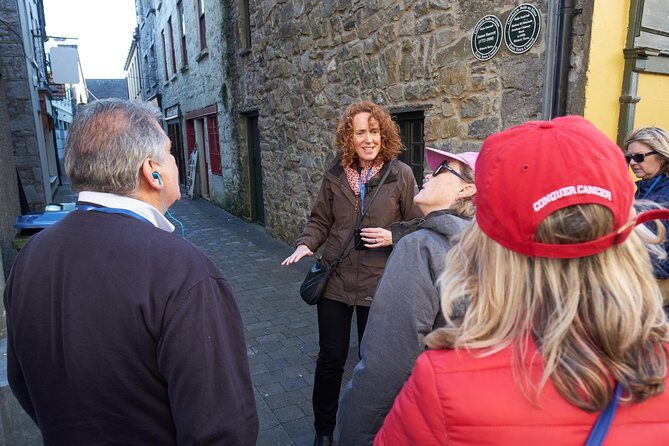
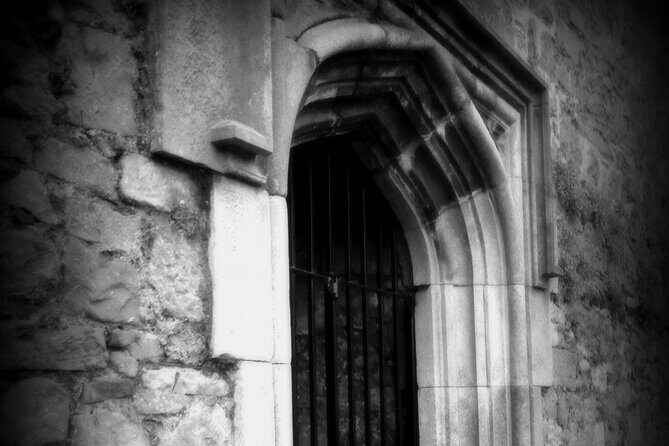
You kick things off at the Old Ground Hotel on Station Road. This isn’t a random starting point—it’s one of Ennis’s oldest and most haunted buildings, and it incorporates a medieval towerhouse dating to the 1500s.
What that does for your experience is simple: it gives you atmosphere immediately. Before you’ve walked two minutes, you’re already standing in a place that connects the town’s older layers together. Instead of treating “dark history” as a topic, the guide treats it as something anchored to real architecture and real locations.
The stop is short, so don’t expect a long sit-down. Think of it as a story ignition: how the building’s past frames what you’ll hear later on streets tied to punishment, fear, and rumor.
Barrack Street and the old Gallows Green
Next up is Barrack Street, where the tour focuses on the old Gallows Green. The theme here is public punishment—how a town’s fear could be made visible in open space.
This is the kind of stop that works best if you let yourself picture daily life from the viewpoint of locals. When a place is linked to hanging and old punishments, the lesson isn’t just the violence; it’s how justice, rumor, and authority could blend together in ordinary days.
The visit is brief, about five minutes, so your best move is to keep your eyes up and your questions simple. If something sounds unclear, ask right there. With short stops, your guide’s explanations are designed to fit the pace.
Walking the old graveyard site and Ennis’s market tensions
From Barrack Street, you head to the site tied to the old Ennis graveyard. This stop is about past stories connected to burial grounds—places that often collect memory, legend, and guilt. Even when you’re not emotionally attached to the topic, these locations give you perspective on how communities managed fear and loss.
Then comes Market Place, and the tone shifts to social tension. Markets weren’t always calm. You’ll explore the tensions that could lead to what were known as the market murders. That phrasing matters: it signals that conflict wasn’t only personal—it could grow out of crowded economic stress and public disputes.
I like this pairing of graveyard plus market tensions because it shows two sides of town “darkness.” One is private and final. The other is public and immediate.

Parnell Street bow-ways: poverty, famine, and the spirits that linger
On Parnell Street, you’ll head down one of Ennis’s bow-ways—tight, narrow passages that feel made for lingering stories. Here the tour focuses on how a town like Ennis was affected by poverty and famine, and how the spirits from that time are still associated with these lanes.
This is where the tour becomes more than grim trivia. The practical value is in seeing how physical spaces help beliefs survive. Narrow lanes, repeated footsteps, close storefront edges—these are exactly the kinds of features that make a story feel believable. They also make the walking experience itself part of the lesson.
Because the stop is short, I recommend staying mentally flexible. Instead of asking for a single “answer,” treat it as a guided way to understand why folklore forms and persists.
Chapel Lane: narrow streets, old shopfronts, and sensory storytelling
At Chapel Lane, the tour leans into recreating the sights—and the smells—of old Ennis. You’ll walk the narrow streets and the old shopfront feel of the area as the guide brings the era to life.
Even if you can’t literally smell the past, you’ll understand the point: sensory description is a shortcut to empathy. It helps you imagine daily life beyond dates and names. And in a town like Ennis, those details matter because the streets are still very much part of the experience.
The possible drawback here is also practical. If you’re sensitive to darker themes or to “re-enactment style” storytelling, this stop may feel intense. The good news is the pacing stays controlled, and the tour doesn’t keep you stuck in one emotional register for long.
Daniel O’Connell Monument: Biddy Early and the town’s witchcraft trial link
Then you move to Parnell Street’s broader story flow and head toward the town’s busy heart at the Daniel O’Connell Monument, where the tour connects that central location to a witchcraft trial involving the wise woman of Clare, Biddy Early.
This is a key stop because it highlights how “big history” and local belief overlap. When a trial happens near something as recognizable as a central monument, it stops being an abstract headline. It becomes part of your mental map of where fear spread through a community.
It also pairs well with what you heard earlier. Public punishment, market tensions, graveyard memory—then suddenly witchcraft belief. The through-line is how communities try to explain suffering and uncertainty.
Arthur’s Row orphanage and the weight of industrial school stories
At Arthur’s Row, you’ll hear stories tied to the old Ennis orphanage and industrial school, including a tragic tale. This stop carries emotional weight, and it’s one of the moments where a good guide’s tone really matters.
A practical way to approach it: treat this as a listening stop, not a “fact-check stop.” You’re being given context for how the town handled vulnerable children and how institutions shaped lives. Since the time window is limited, don’t expect long documentation or a deep classroom presentation. Expect guided understanding.
If you’re traveling with teens or younger kids, it’s worth noting that children must be accompanied by an adult. That’s not just policy—it’s a reminder that some themes may not suit every age.
Francis Street: banshee sightings and the death coach in local belief
On Francis Street, you get a folklore-driven stop tied to the old causeway. The story includes a sighting of the banshee and the death coach—figures from Irish mythology and folklore that remained in strong belief into the 20th century in Ennis.
This is one of those stops that feels fun while also being genuinely informative. You’ll see how myth can persist when communities rely on familiar symbols to make sense of death and danger. Even if you don’t personally believe, you can still appreciate why the stories became anchors for people under stress.
I like that this tour doesn’t treat folklore as “just spooky.” It frames belief as part of everyday thinking, not only campfire entertainment.
Ennis Friary’s 13th-century foundations and the local ghost idea
Next you reach Ennis Friary, linked to a 13th-century Ennis Abbey. You’ll hear how the foundations of this older religious site connect to past residents, and the local ghost associated with the area.
This is the big architectural payoff of the walk. Earlier stops were about specific streets and social patterns. Here you get a stronger sense of how long places can hold on to meaning. Old abbey foundations have a different feel than a modern building, even when the physical structures you see today are more limited.
Also, because this stop is about the idea of a local ghost, it gives you a different kind of “dark history.” Not punishment or tragedy in the legal sense, but the way towns keep stories alive around certain stones and spaces.
Ending on Abbey Street by the O’Connell Monument
The walk finishes at Abbey Street, at the top beside the O’Connell Monument. This ending matters because it returns you to the central landmark, so you don’t feel stranded at the edges of town.
The final push is framed as a memorable exploration of the darker side of the town’s history, seen through new eyes. Practically, it gives you a reset point. Once the tour ends, you’re already in the heart of Ennis, so you can continue with dinner, a pint, or a follow-up stroll—without logistics stress.
How long it feels, what to wear, and how to get the most
The whole tour is about 1 hour 10 minutes, and most stops are around five minutes each. That means you should plan for a quick, story-forward pace.
Wear comfortable shoes. You’ll be walking on town streets and narrow lanes, and you’ll want your legs ready for short bursts of movement between stops. If the weather is rainy or cold, bring a layer you can handle outdoors. This isn’t a “step inside a warm museum” kind of experience.
For timing: if you want to keep your day flexible, a short private tour is ideal. It’s long enough to change how you understand Ennis, but short enough that you’re not locked out of other activities.
Who should book this private Ennis dark history tour?
This is a great fit if you like:
- Walking tours with a narrative thread, not just photo stops
- Places where Irish folklore and town history overlap in real locations
- Visiting with a small group (up to six) where you can keep attention focused
It may be less ideal if:
- You need lots of quiet time at each location
- You prefer a gentler tone and fewer heavy themes
It also works for families, but only with the understanding that children must be accompanied by an adult, and some themes are inevitably dark.
Service animals are allowed, and most travelers can participate. The experience is also near public transportation, which helps if you’re not driving into town.
Should you book? My practical take
I’d book this tour if you want Ennis to feel personal fast. The private group size, the guided pace, and the mix of punishments, famine-era hardship, and Irish folklore create a route that changes how you look at the town streets—without requiring a whole day.
The main reason to hesitate is pacing. This isn’t a slow, linger-and-read tour. It’s short stops, quick connections, and a guided story flow. If you like moving quickly with strong narration, you’ll enjoy it. If you want deep pauses at every location, look for a slower option.
If you do book, aim to go when you’re rested enough to listen closely. The tour works best when you treat it like a guided walk-through of how Ennis explains its own past.
FAQ
How long is the private Ennis dark history tour?
It lasts about 1 hour 10 minutes (approx.).
How many people can be in the group?
It’s a private tour for 1 to 6 people.
Where does the tour start and end?
It starts at the Old Ground Hotel Ennis (Station Rd, Clonroad Beg, Ennis, Co. Clare) and ends at the Daniel O’Connell Monument on O’Connell Street in the town center.
Is admission included for the stops?
The stops listed include free admission tickets.
Do I get a ticket on my phone?
Yes. The tour uses a mobile ticket.
What’s the cancellation policy?
Free cancellation is available up to 24 hours in advance for a full refund. If you cancel less than 24 hours before the start time, the amount paid isn’t refunded.