REVIEW · CLIFDEN
Oyster Farm and Tasting Experience
Book on Viator →Operated by DK Connemara Oysters · Bookable on Viator
A working oyster farm in Connemara beats most zoo-style tours. Here you trade city noise for salt air, real farm work, and oyster tastings with the wild Atlantic as your backdrop. I like that it’s taught step-by-step, from farm process to the moment you learn how to shuck, and I also love the big “you can do this” feeling for a short 1 hour 15 minutes.
The hands-on tasting is the payoff. You’ll learn the farming rhythm, then taste several oysters in sequence, where the flavor shifts as your palate adjusts. I also like that guides such as Sinead and David are described as passionate and good at explaining how the work fits with nature, not against it.
One thing to consider: this experience depends on weather and can be rescheduled or refunded if conditions aren’t right. If you’re traveling with tight timing, build in a little slack.
In This Review
- Key things I’d circle before you go
- Oyster Farm at DK Connemara Oysters: a real working day, not a staged show
- The 1 hour 15 minute rhythm: what happens from arrival to tasting
- 1) Tour the farm and see the team at work
- 2) From process to plate: the explanation part
- 3) Shucking demo, then optional try-it-yourself
- 4) The tasting: sweet, creamy, and a bit earthy
- Shucking and tasting tips that make the flavor click
- Expect the first oyster to be intense
- Lemon can help you adjust faster
- If you shuck, go slow
- Views, weather, and what to wear in Connemara
- Is $54.06 a good value for oyster farming and tasting?
- Who should book DK Connemara Oysters (and who might skip)
- You’ll probably love it if you:
- You might think twice if:
- Booking and timing: how to make it fit your Connemara day
- Should you book this oyster farm experience?
- FAQ
- Where is the meeting point for the Oyster Farm and Tasting Experience?
- How long is the experience?
- Is the tour in English?
- What will I do during the tour?
- Do I get to shuck an oyster myself?
- Is there a limit on group size?
- Are there allergy concerns?
- What’s the cancellation policy if the weather turns?
Key things I’d circle before you go

- Seed-to-plate oyster farming lesson that maps out what happens before you ever taste a shellfish
- Working-bay views near Connemara National Park, with real farm tasks you can watch as they happen
- Shucking demo, plus the option to shuck your own oyster if you feel game
- Tasting in stages, where the first oyster is a big flavor hit and later oysters feel more defined
- Small group size (max 30), which makes questions and hands-on moments easier
- Works on a bad weather day better than many outdoor tours, since it’s built around farm activity and food
Oyster Farm at DK Connemara Oysters: a real working day, not a staged show
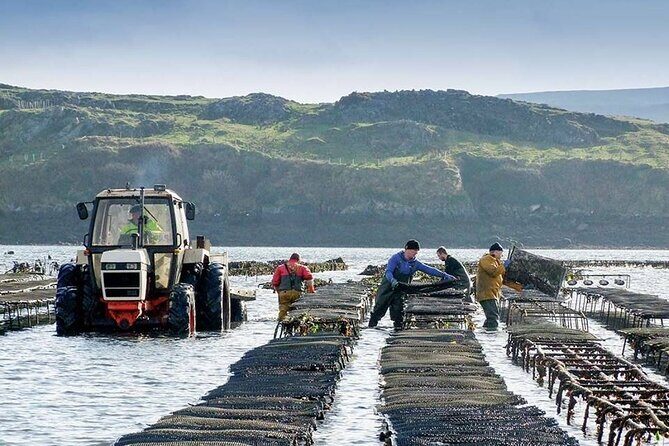
If you’re in or near Clifden, this is the kind of activity that feels like it belongs in Ireland rather than on a generic checklist. DK Connemara Oysters runs a working farm experience at the foot of Connemara National Park, and you can feel the difference right away: the point isn’t just watching. It’s understanding how oysters are raised, handled, and turned into food.
The location matters too. You’re about 15 minutes’ drive from Kylemore Abbey, so it can plug into a broader Connemara day without turning your schedule into a sprint. And even when the sky is doing its Irish thing, you’re still in a working setting with plenty to see and talk about.
You can also read our reviews of more tours and experiences in Clifden.


The 1 hour 15 minute rhythm: what happens from arrival to tasting
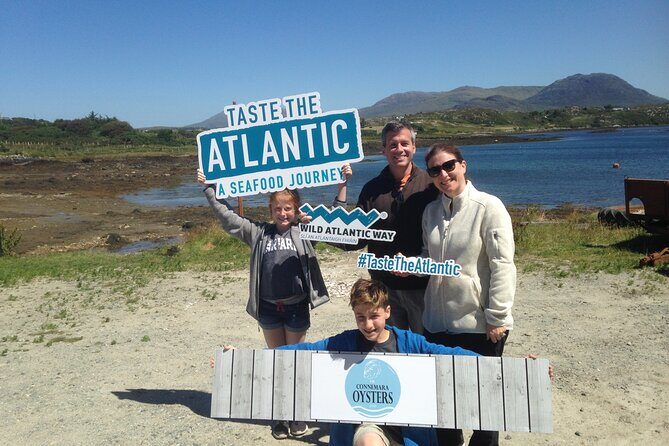
This tour runs for about 1 hour 15 minutes, starting at 11:00 am. It begins and ends at the meeting point at Dawros Beg, Co. Galway, H91 AC6K, Ireland. You’ll use a mobile ticket, and the session is in English, with a maximum group size of 30.
The flow is straightforward, which is great when you’re traveling with kids (the experience is aimed at ages 6+). Here’s the typical rhythm you can expect, in plain terms.
1) Tour the farm and see the team at work
You’ll head through the oyster farm learning process from seed to plate. A key part is seeing the team working while you’re there: tasks can include grading and packing, and you may also see turning bags in the bay. That’s not just interesting. It helps you picture what “oyster farming” actually means day to day.
You’ll also get a sense of how farm work connects to the coastline. Oysters aren’t grown in a lab. You’re seeing a food system that responds to the sea, timing, and conditions.
Why I think this matters for you: if you’ve only had oysters in restaurants, it’s hard to picture the months of prep behind that shell. Seeing farm tasks in action turns the tasting into something more personal.
2) From process to plate: the explanation part
Once the tour covers the full process, you’ll get a practical explanation of how the oysters go from raised stock to what ends up on your plate. This is the part you’ll remember later when you order oysters somewhere else. You start thinking about what’s happening before the flavor reaches you.
The style here isn’t complicated. You’re not being hit with a science lecture. You’re being walked through a real workflow—exactly what you want when you’re on vacation and just want the story behind the food.
3) Shucking demo, then optional try-it-yourself
After the process lesson, the experience shifts to how to shuck an oyster. The guide shows you the method, and if you’re feeling adventurous, you can shuck your own oyster. That option is a big deal for fun, especially for groups. Some people just want to taste. Others want to try the tactile part.
4) The tasting: sweet, creamy, and a bit earthy
Then comes the best part: you’ll taste multiple oysters during the session. The description you’ll hear is that the flavor can be sweet, with creamy notes and a touch of earthiness. One review detail that’s helpful: the first oyster can feel like a flavor explosion, and then the second and third oysters make more sense as your palate adjusts.
So plan for this mental shift. Your brain needs a minute. The third oyster often tastes more clearly than the first, not because it changes, but because you finally know what you’re tasting.
Shucking and tasting tips that make the flavor click
Oyster tastings work best when you treat them like a mini lesson for your senses. The experience is designed around that, and a few small tips can help you get more out of it.
Expect the first oyster to be intense
The first oyster is often a surprise. It’s salty, briny, and bold, even if you’re an adventurous eater. You might notice your palate “wakes up” during the tasting, so don’t judge the whole farm on oyster number one.
Lemon can help you adjust faster
One of the practical tasting tips mentioned in feedback is that lemon helps. If you’re new to oysters, a little lemon can make the flavor feel cleaner and easier to follow. It doesn’t have to be a formal rule. Just use it if you want your first bites to be smoother.
If you shuck, go slow
The option to shuck your own oyster is fun, but treat it like a safety-and-skill moment. Follow the guide’s hand position and pacing, and you’ll be more likely to succeed. Even if you don’t shuck perfectly, you still get the benefit: you’ll understand what makes shucking hard in the first place.
Views, weather, and what to wear in Connemara
This is an experience that really lives on two worlds: the farm workflow and the coastal scenery. Even though weather can matter, the session is structured so it still works when conditions aren’t perfect.
The weather requirement is real. If it’s canceled due to poor weather, you’ll be offered a different date or a full refund. That’s a good sign: the organizers are protecting the experience quality, not just selling tickets.
When you go, dress for a working coastal farm. Plan for wind, damp air, and that “Atlantic day” feel. You’ll be outdoors in parts of the experience, and you’ll also want footwear that’s comfortable for uneven ground.
Practical move: bring a layer you can zip on quickly. Connemara temperature swings are common, and you’ll want to stay comfortable while you’re standing and watching work at the bay.
Is $54.06 a good value for oyster farming and tasting?
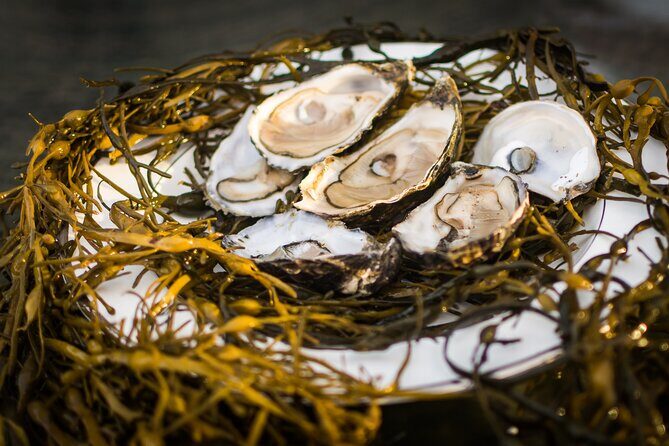
At $54.06 per person for about 1 hour 15 minutes, it’s not a budget snack. But it isn’t just “pay to eat oysters.” You’re paying for a guided farm story, a hands-on shucking moment, and a structured tasting that teaches you what you’re eating.
Here’s where the value really comes from:
- You’re not only tasting—you’re learning the seed-to-plate chain.
- The experience includes farm tasks like grading, packing, and turning bags.
- It’s a limited group setting (max 30), which usually means better interaction.
- You can leave with a new idea of what ocean-to-plate actually means.
One review detail that supports the value: people described trying about 5–6 oysters during the tasting. If you like oysters and you want your money to go toward a full experience (not just an appetizer), this fits that goal nicely.
If you mainly want oysters without the lesson, you might question the price. But if you enjoy food as a story—farm to fork—you’re paying for more than shellfish.
Who should book DK Connemara Oysters (and who might skip)
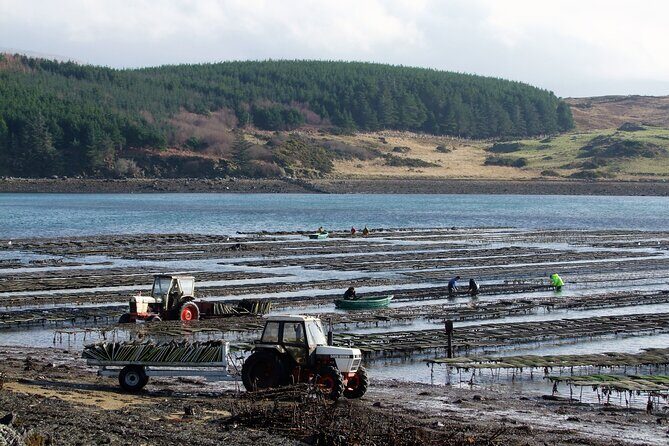
This is a strong match for a lot of vacation styles.
You’ll probably love it if you:
- Want a change from bus tours and museum-only days
- Enjoy food experiences with real context
- Like hands-on moments like learning to shuck
- Travel with kids age 6+ and want something that keeps their attention
You might think twice if:
- You strongly dislike shellfish or have trouble with smells like seawater/brine
- You need a totally weather-proof activity with no rescheduling risk
- You don’t want to participate at all (the tasting is included, but shucking is optional)
Also remember one big food note: oysters are allergens. If allergies are part of your planning, you should take it seriously and ask questions about what’s offered and how it’s handled.
Booking and timing: how to make it fit your Connemara day
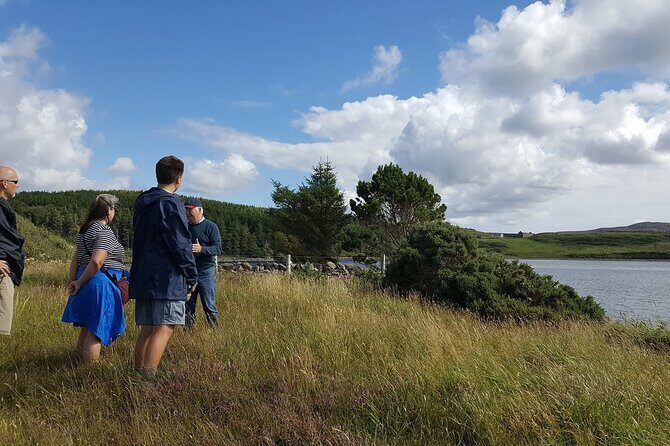
This starts at 11:00 am, which is helpful if you’re planning around lunch. It also makes sense for a half-day plan: you can combine it with other nearby Connemara highlights, including Kylemore Abbey.
The meeting point is specific—Dawros Beg (H91 AC6K)—and the tour ends back there. That means you don’t need to figure out a second location at the end of your visit.
If you’re worried about missing it, keep your schedule flexible. This experience needs good weather, and if it’s called off for that reason, the team will either offer another date or a full refund. If you cancel late, refunds don’t apply per the stated policy window, so it’s smart to lock in only when your weather-and-driving plan is realistic.
Should you book this oyster farm experience?
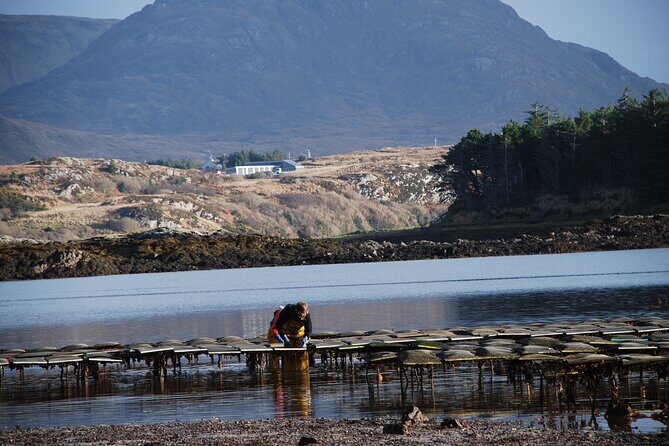
I’d book it if you want an authentic, food-centered activity that feels rooted in place. The farm setting at the edge of Connemara National Park, the chance to watch real oyster work, and the structured tasting (with optional shucking) make it more than a one-note snack.
It’s also a nice “vacation intelligence” upgrade. You learn how oysters are farmed, how flavors evolve during the tasting, and you leave understanding what you’re eating. That’s the kind of souvenir you actually use later.
If you’re traveling with kids, it’s one of the rare food experiences that still feels like an adventure, not a lecture. Just dress for the coast, keep allergy needs in mind, and go in ready to taste carefully—and then taste again.
FAQ
Where is the meeting point for the Oyster Farm and Tasting Experience?
The tour starts at Dawros Beg, Co. Galway, H91 AC6K, Ireland, and it ends back at the same meeting point.
How long is the experience?
It lasts about 1 hour 15 minutes.
Is the tour in English?
Yes, the experience is offered in English.
What will I do during the tour?
You’ll tour the farm and learn the process from seed to plate, watch the team working (for example grading, packing, or turning bags in the bay), and then learn how to shuck an oyster. You’ll also participate in the tasting.
Do I get to shuck an oyster myself?
You’ll get a demonstration on how to shuck. If you’re feeling adventurous, you can shuck your own oyster.
Is there a limit on group size?
Yes. The experience has a maximum of 30 travelers.
Are there allergy concerns?
Yes. Oysters are allergens, so be cautious if you have allergies.
What’s the cancellation policy if the weather turns?
This experience requires good weather. If it’s canceled due to poor weather, you’ll be offered a different date or a full refund. You can also cancel for a full refund up to 24 hours before the experience’s start time.