REVIEW · GALWAY
Galway City Walk: Rougues, Rebels and Rakes
Book on GetYourGuide →Operated by Wild About Ireland · Bookable on GetYourGuide
Galway has a dark side, and I love it. This Galway City Walk turns the city centre into a living story, from medieval churches to pub legends, with plenty of gruesome twists along the way. It’s a fun way to connect the names on the streets to the people who walked them 800 years ago.
I especially like two things: the chance to see Saint Nicholas Church (Ireland’s oldest functioning medieval church) and the stop-by-stop focus on Galway’s key landmarks instead of quick photo stops. You also get a guide who keeps the pace human and answers questions, which matters when you’re trying to make sense of centuries in a couple hours.
One consideration: it runs rain or shine, so you’ll want real waterproof shoes and rain gear. If you hate wet weather walking, plan to treat this as an “explore anyway” day and dress accordingly.
In This Review
- Key things that make this walk worth it
- Galway City Walk: the route that makes 800 years feel doable
- Meeting at The Hardiman and getting oriented around Eyre Square
- Medieval Quarter and the old-city logic: Saint Nicholas Church, city walls, and Lynch spots
- King’s Head Pub and the Eyre Square to Latin Quarter story thread
- Fishmarket Square and Spanish Arch: maritime Galway and real waterfront views
- Claddagh Ring Museum: how a symbol becomes Galway’s identity
- Lynches Castle, the 14 tribes, and what medieval daily life was like
- River Corrib Walk, Nuns Island, and Galway Cathedral’s penitentiary past
- Price and what $40 buys you in Galway centre time
- Who this walk suits best (and what you should know first)
- Should you book Galway City Walk: Rougues, Rebels and Rakes?
- FAQ
- How long is the Galway City Walk?
- Where does the tour start?
- Where does the tour end?
- Is the tour private or shared?
- Is it wheelchair accessible?
- What should I bring for the walk?
- Does the tour run rain or shine?
Key things that make this walk worth it
- Saint Nicholas Church: see Ireland’s oldest functioning medieval church up close
- King’s Head Pub: learn why the name matters inside a historic medieval setting
- Spanish Arch and Fishmarket area: connect maritime Galway to the waterfront views
- Claddagh Ring Museum: get the real story behind the ring that became a Galway symbol
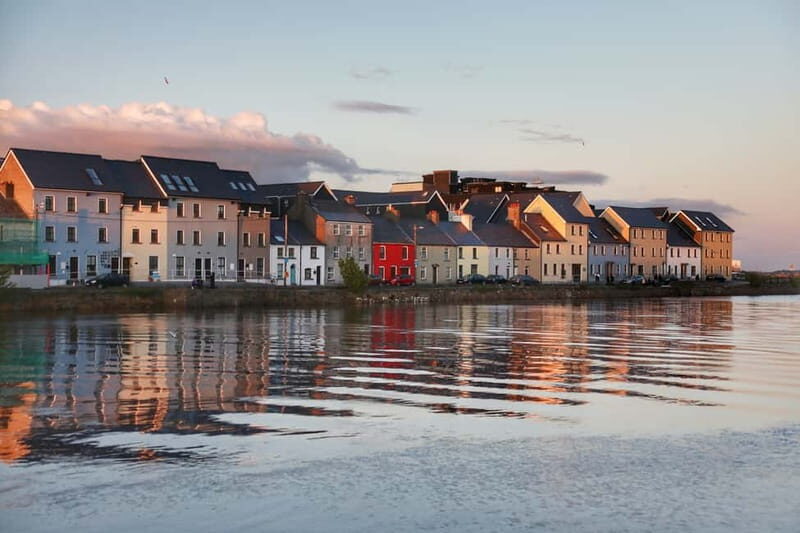
- River Corrib Walk, Nuns Island, and Galway Cathedral: see the calmer river scenes with a darker past behind them
Galway City Walk: the route that makes 800 years feel doable
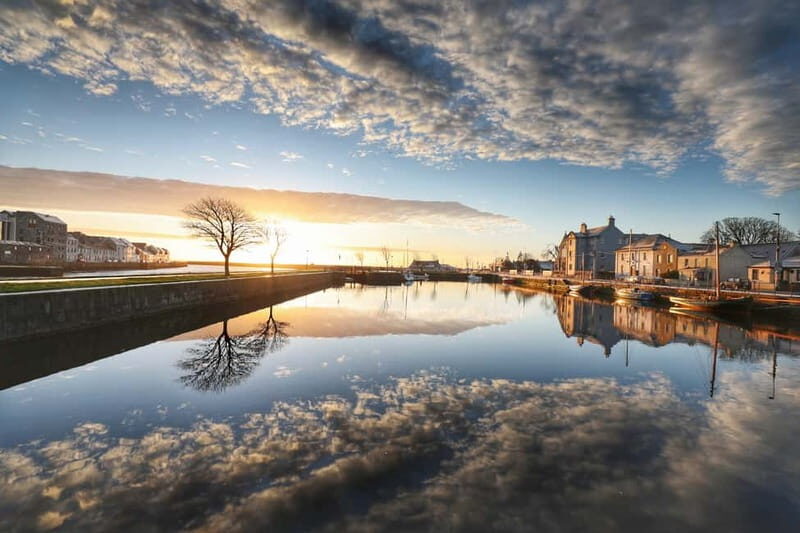
This is the kind of walking tour where the city centre clicks into place fast. You start in the bright public hub around Eyre Square, then your guide threads you through older layers of Galway—medieval quarters, church stonework, old walls, and the waterfront areas tied to fishing and trade. The best part is that you’re not just looking; you’re learning how each spot connects to a bigger story.
The total distance is about 1 mile (1.5 km), and the time on the move is short enough that you won’t feel like you’re sprinting between points. You’re covering a compact slice of Galway, which is ideal if you’re limited on time or you just want to get your bearings fast without a bus.
And yes, you should expect dark tales. This isn’t a postcard tour where everything is cute and cheerful. It’s more like sitting with a local who tells the truth about how cities worked—factions, rules, punishment, and the sharp edges of everyday life.
You can also read our reviews of more walking tours in Galway



Meeting at The Hardiman and getting oriented around Eyre Square
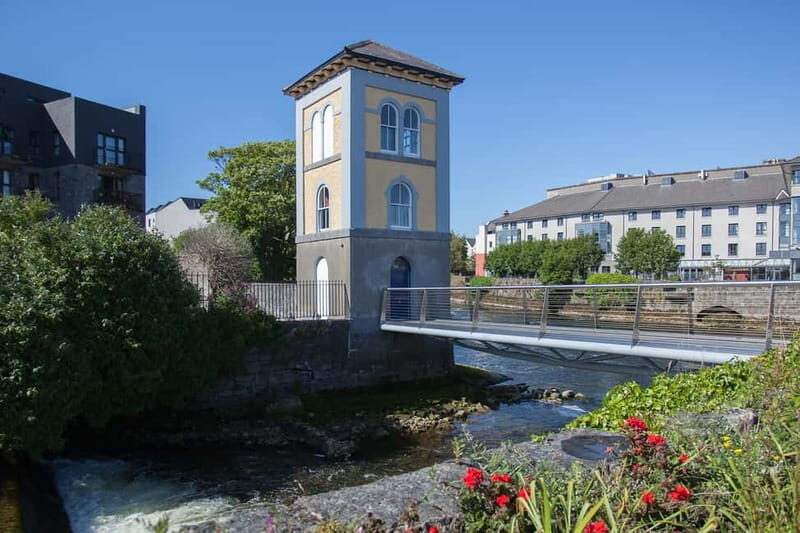
Your tour starts outside The Hardiman Hotel on Eyre Square, right next to the train station. That’s a smart choice. Eyre Square is where you’ll likely land anyway, so you’re not burning energy on extra transit.
From there, your guide focuses you on the part of Galway you’ll actually return to later: the central streets, the rhythm of the city, and the places you’ll recognize on your own after the tour. There’s time for a short guided stop around Eyre Square (about 15 minutes), which helps you understand why the city grew the way it did.
If you arrive with even a small sense of what you’re about to see, the whole walk feels easier. If you show up totally blank, it still works—you just have to let the guide name and connect places.
Medieval Quarter and the old-city logic: Saint Nicholas Church, city walls, and Lynch spots
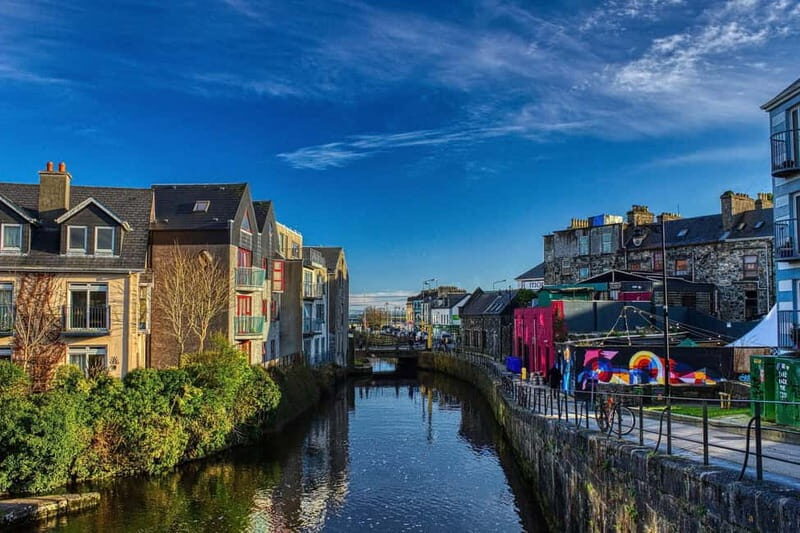
Once you leave the open centre, Galway starts to feel older in a physical way. You’ll wander through the Medieval Quarter, where the street feel changes and the landmarks start to explain each other. This is where you begin to understand how Galway functioned day to day, not just how it looked in a photograph.
A highlight is Saint Nicholas Church, described here as Ireland’s oldest functioning medieval church. Visiting in person matters because it gives weight to the stories. Your guide also talks about the city’s 18 sieges, which frames why these buildings and fortifications weren’t just decorative. They existed because conflict was part of life.
You’ll also pass through the stronger “old Galway” markers like city walls and memorial stops such as the Lynch Memorial. These are the spots that make your brain say, So that’s where control and community overlapped. Even if you’re not a history person, you’ll feel why these places mattered.
And if your family name or identity connects to Galway’s founders, this tour has a way of making that personal. One example from a previous experience was learning that the name Martin links to the founding 14 tribes of Galway—exactly the kind of detail that turns a walking tour into something you remember at dinner.
King’s Head Pub and the Eyre Square to Latin Quarter story thread
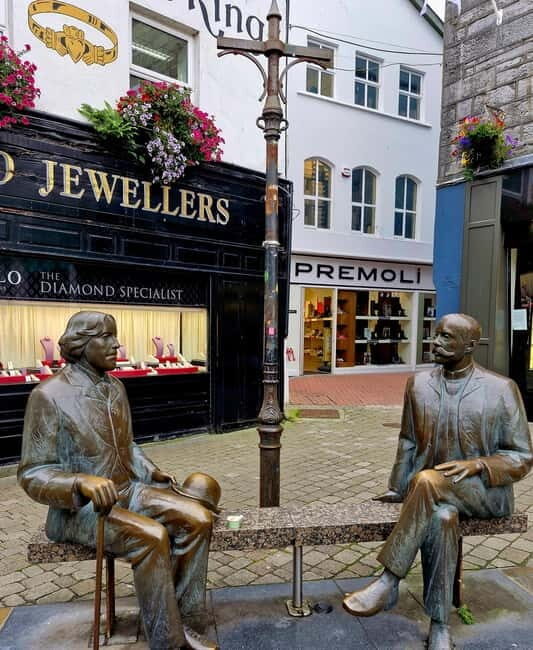
Galway’s pub culture isn’t just about a pint. On this walk, your guide uses pub stops to explain how social life and power interacted.
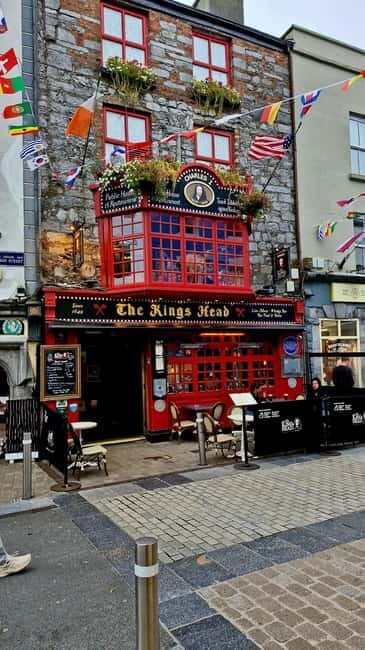
The King’s Head Pub is one of the best examples. You’ll see it in a historic medieval building, and your guide connects that building and its name to the city’s past. This is the kind of stop that works even if you don’t plan to order anything. The value is understanding the place.
You’ll also move through areas tied to older Galway life, including the Latin Quarter. When your guide explains the layers—who lived where, how the city changed, and why certain areas became known—you start to see Galway as a system, not a set of attractions.
If you’re even mildly interested in how nicknames, street names, and local symbols formed, this section gives you plenty to think about without making it lecture-heavy.
Fishmarket Square and Spanish Arch: maritime Galway and real waterfront views
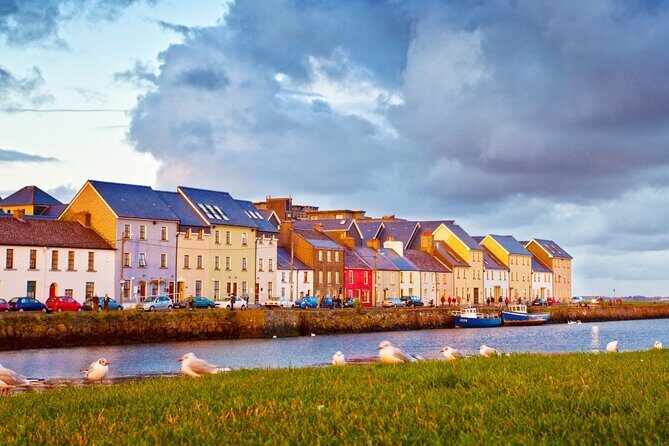
This tour spends time on the waterfront story, and it’s a big part of why the walk feels grounded. Fishmarket Square and the old fish-trading area connect Galway’s identity to the sea: fishing work, trade routes, and the day-to-day rhythms of a port city.
You’ll learn about the history of the Fishmarket Square area, then head toward the Spanish Arch. This stop has two sides that work together: the historic atmosphere and the visual payoff. From here, you get views that include Galway Bay and the Burren Hills in Co. Clare. Even on a gray day, the sightlines are part of the point because they show where people would have traveled to and from.
Your guide also links the Claddagh fishing village traditions to what’s around you now. That’s how the story stops feeling like trivia and starts feeling like place-based knowledge.
A practical note: this is still a walking tour, so expect some wet pavement and uneven edges near waterfront areas. Keep your waterproof shoes on your feet, not in a bag.
You can also read our reviews of more city tours in Galway





Claddagh Ring Museum: how a symbol becomes Galway’s identity
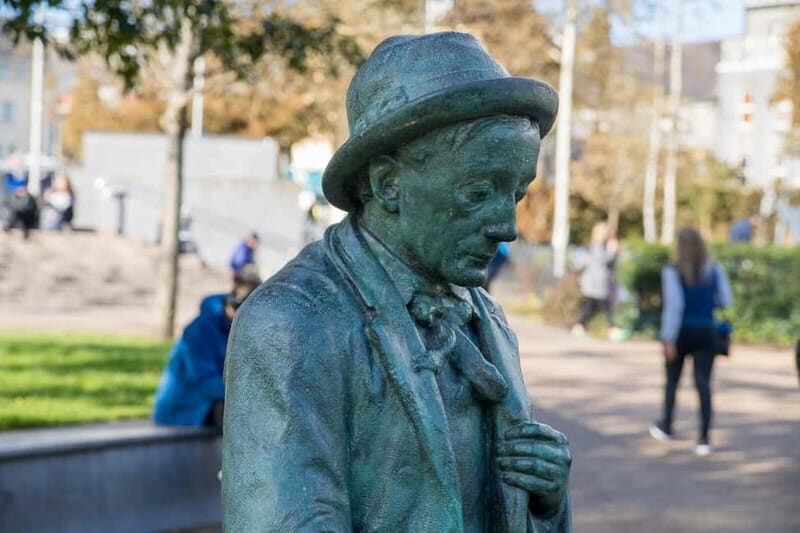
If you only remember one symbolic stop, make it the Claddagh Ring Museum. You’ll learn about the secrets of the Claddagh Ring, and your guide connects it to Galway’s community and traditions.
This matters because symbols travel. People see the ring in other countries, often without knowing where it came from. On the tour, you get the local meaning—why it represents something about belonging, love, and identity for Galway’s people, especially tied to the fishing community.
It’s also one of those stops that changes your perspective for the rest of the walk. After you understand what the ring represents, you’ll notice how often Galway uses its own icons—on streets, in shops, and in the way locals talk about home.
Lynches Castle, the 14 tribes, and what medieval daily life was like
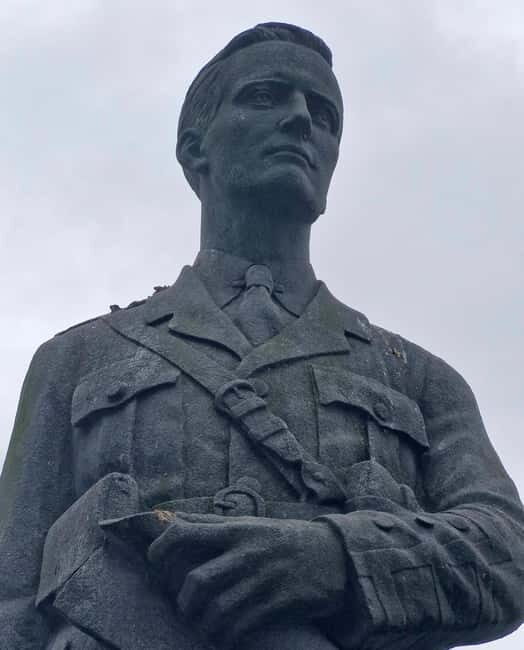
Galway’s story isn’t only about famous leaders or wars; it’s also about the people who built the daily rhythm. This is where stops like Lynches Castle fit in.
You’ll discover what life was like for townsfolk in medieval times, plus who the 14 tribes of Galway were. If that sounds like old-school corporate history, your guide will make it human—think families with influence, the kind of power that comes from controlling trade and civic life.
You’ll also get context around why certain structures and names appear again and again in Galway. When you connect those names to the founding families, the city stops feeling like random sightseeing and starts feeling like a mapped relationship web.
This section is especially good if you like questions. Some guides keep the conversation moving with answers that actually help you see the city differently, not just repeat dates and dates.
River Corrib Walk, Nuns Island, and Galway Cathedral’s penitentiary past
The River Corrib Walk is where the pace shifts slightly toward “slow down and look.” You’ll stroll along the river and admire the surroundings while your guide explains stories you’d miss if you were just sightseeing on your own.
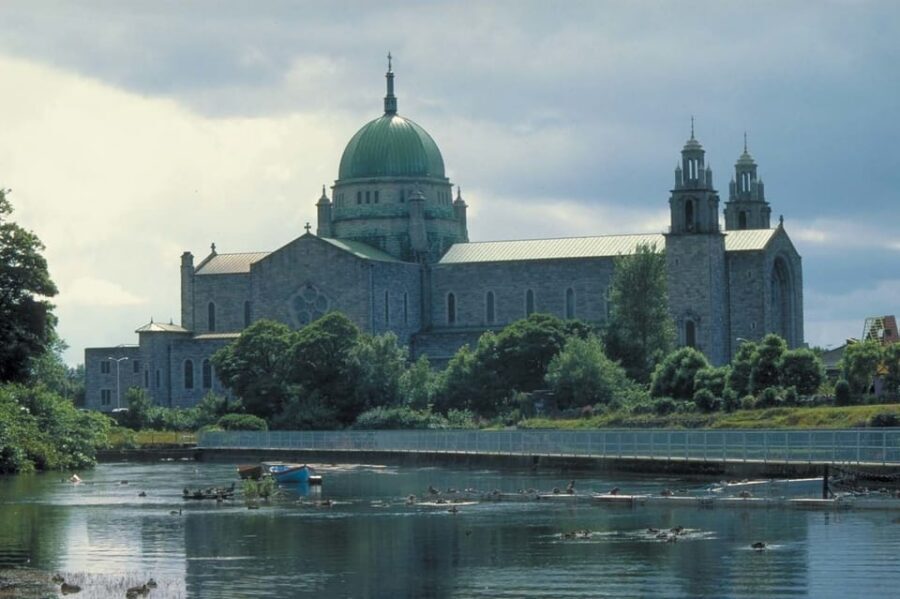
One of the key stops here is Nuns Island—you’ll discover the story behind it. Then you’ll visit Galway Cathedral, which is described as once the city’s penitentiary. That detail changes the tone of the cathedral itself. Instead of only thinking about architecture, you understand it as part of the system of discipline and control that once shaped lives.
This section is a great reminder that peaceful-looking landscapes can carry hard history. The river looks calm, but the guide helps you understand why certain spaces were significant in different eras.
If you’re traveling with kids or people who get spooked by dark stories, you can still handle it. The tour doesn’t hide the grim parts, but the walking rhythm and scenery keep it from becoming heavy.
Price and what $40 buys you in Galway centre time
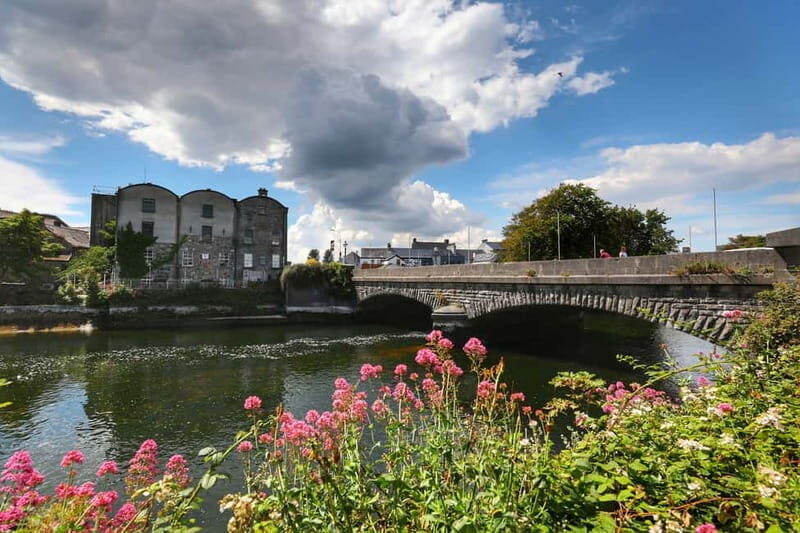
At $40 per person for a 2-hour private walking tour with a local professional guide, the value is in the concentration. You’re not paying for a long day. You’re paying for someone local to connect the dots between places that are close together but hard to interpret alone.
This setup is especially good if you’re:
- short on time in Galway
- interested in medieval streets but don’t want to study a guidebook for hours
- traveling as a group that prefers a private format over joining a crowd
Because the distance is about 1 mile (1.5 km), you’re buying guided context without the fatigue of an all-day hike. And since it’s rain or shine, you’re effectively paying for a reliable window to learn the city, not for a weather-perfect fantasy.
One small realism check: since it’s a private group, you’ll feel the “conversation tempo” of your guide. If you like lots of Q&A and back-and-forth, that’s a plus. If you prefer silence, let your guide know early.
Who this walk suits best (and what you should know first)
This tour suits you if you like story-driven sightseeing and you want to understand Galway’s landmarks as parts of one connected past. It also fits well if you’re the type who enjoys a guide who can answer questions and explain why a place is called what it’s called.
From past experiences with guides on this kind of walk, Derek has stood out for being personable, funny, and ready for questions. Marteen has been praised for being patient and making it work for families, including helpful engagement when someone tries a little Irish. That’s the vibe you want: friendly, talkable, and not dismissive if you’re not a history scholar.
You might want to pick a different option if:
- you want only cheerful, light stories
- you strongly dislike walking on uneven sidewalks for about 1 mile
- you hate weather-based plans, since this takes place rain or shine
Should you book Galway City Walk: Rougues, Rebels and Rakes?
Yes, I’d book it if you’re coming to Galway to actually understand the place, not just tick stops off a list. The mix of medieval churches, pub lore, fishmarket waterfront history, the Claddagh Ring story, and the River Corrib walk gives you multiple angles on one compact city.
Do it if you want value through time: a tight 2-hour format, a clear route through the centre, and a local guide to help you connect what you see to what it meant.
Skip it only if you’re after purely sightseeing photos with minimal talk. This walk is built on stories—some fun, some gruesome—and that’s exactly why it’s worth your time.
FAQ
How long is the Galway City Walk?
The tour duration is 2 hours.
Where does the tour start?
The tour starts at the front steps of The Hardiman Hotel on Eyre Square, next to the train station. You should wait at the steps for your guide.
Where does the tour end?
It ends back at the meeting point area by Fishmarket.
Is the tour private or shared?
It’s listed as a private group walking tour.
Is it wheelchair accessible?
Yes, the tour is wheelchair accessible.
What should I bring for the walk?
Bring an umbrella, rain gear, and waterproof shoes.
Does the tour run rain or shine?
Yes, the tour takes place rain or shine.