REVIEW · DUBLIN
From Dublin: Belfast, Monasterboice & Birthplace of Titanic
Book on GetYourGuide →Operated by Paddywagon Tours · Bookable on GetYourGuide
Belfast and ancient crosses in one long day. I like how this trip pairs Belfast’s Victorian streets with countryside stonework at Monasterboice, all in a single, well-scoped day. It’s an easy way to connect Northern Ireland’s biggest city story with Ireland’s early Christian past.
What I really enjoy is the stop at Monasterboice. You get time among the ruins and the standout carvings of Muiredach’s High Cross, famous for its biblical inscriptions and fine lettering.
One drawback to think about: this is a full-day, road-heavy plan with limited time in each place. If you want to linger for hours, or you get impatient with tight schedules, you may find the pacing a bit brisk—especially on days with rough weather.
In This Review
- Key things I’d circle before you book
- Belfast From Dublin: how the long drive shapes the whole day
- Victorian Belfast streets and main sights with an optional cab tour
- Belfast docks and Titanic’s birthplace: what’s worth your attention
- Monasterboice: the Celtic crosses and Muiredach’s High Cross
- The round tower and the two church ruins: how to pace it
- The Ulster Ireland and Ulster Britain context: what the guide adds
- Food, timing, and weather: what you should plan for
- Value for money: transportation, guide, and the Monasterboice entry that matters
- Should you book this Dublin-to-Belfast and Monasterboice day trip?
Key things I’d circle before you book
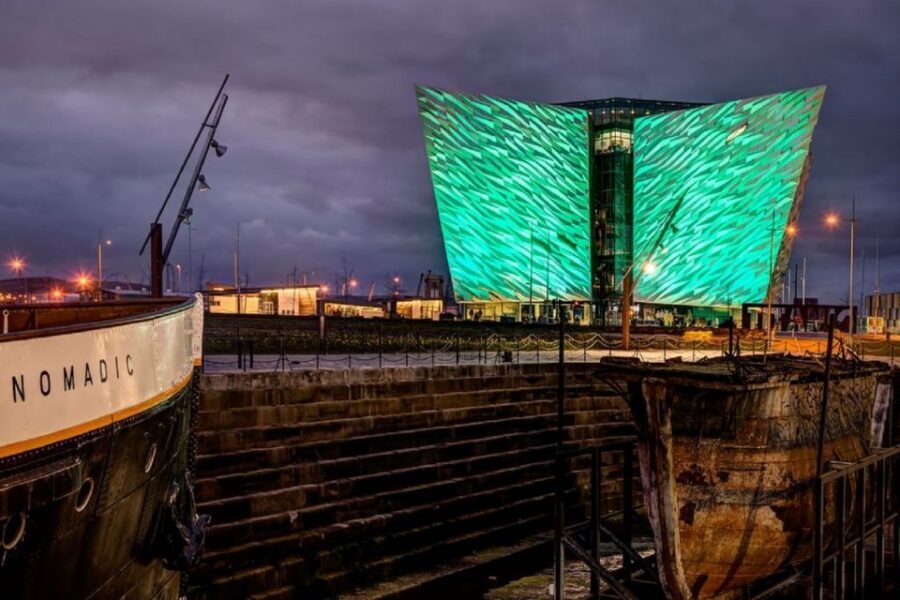
- Titanic docks focus: you go to the birthplace area, not just a quick photo stop
- Plenty of Belfast time for a quick extra plan: there’s enough room to fit a short hop-on/hop-off style loop if you want
- Muiredach’s High Cross: the biblical inscriptions are the star attraction
- Two church sites at Monasterboice: you see the ruins and get included entry into both churches
- An Ulster-aware guide: you’ll hear how Irish and British identities lived side by side in everyday life
Belfast From Dublin: how the long drive shapes the whole day
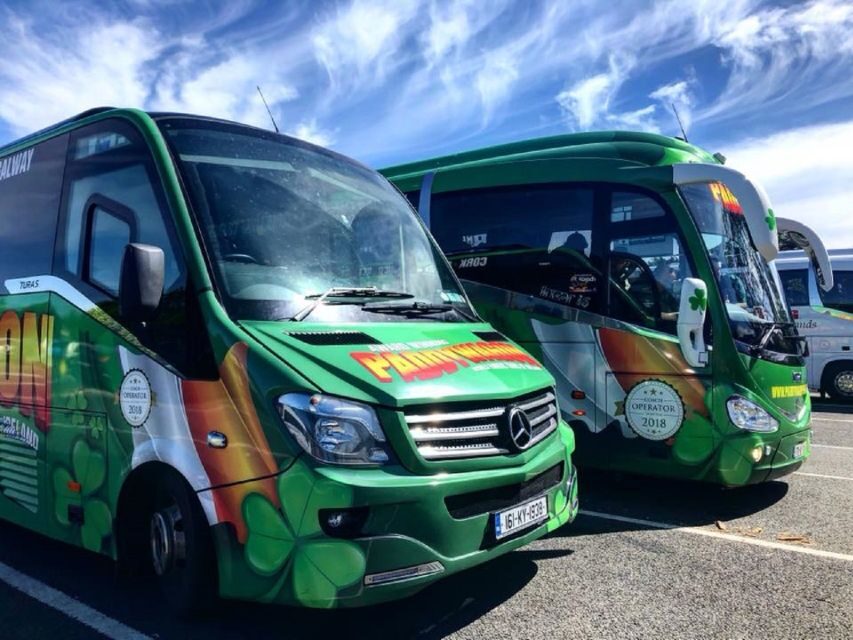
This trip starts with a scenic drive north, and you should plan your mindset around that. The day moves fast because you’re covering two big themes: modern Belfast and a medieval/early Christian site in County Louth.
If you like being productive—zero-stress transport, a guide handling the flow, and you simply showing up—this works well. If you prefer slow travel and lots of free roaming, you might feel squeezed. The good news is that the itinerary’s focus is clear: once you’re in Belfast, the time isn’t meant for wandering aimlessly. It’s built around getting you to the places that explain Belfast’s identity and why Titanic still matters.
Tip for your comfort: bring layers. Even in mild seasons, the coach can be cool in the morning, and the air changes once you’re out near the docks or around stone ruins.
And one more practical thing: you’ll be on a schedule. You don’t want to be the person running late to the bus, because the whole day depends on everyone getting back on time.
You can also read our reviews of more tours and experiences in Dublin.



Victorian Belfast streets and main sights with an optional cab tour
Belfast is often described through politics and headlines, but a visit is really about streets, people, and architecture. On this day trip, you get the city’s visual side first: the imposing Victorian buildings, the sense of a place rebuilt and re-signposted over generations, and the way different communities shaped the city center.
A nice touch is the option for a black cab tour of the city center. That can be a great way to turn a short city stop into a coherent story—especially if you don’t want to spend your limited time figuring out routes and angles on your own.
You’ll also get a guide perspective that’s meant to be grounded in local relationships. The tour is run with Irish guides who take pride in connections with Belfast’s majority Protestant ethnic British community, and you’ll hear about the everyday customs of Ulster Irish and Ulster British communities. The goal isn’t to turn this into a debate club. It’s more about helping you understand why Belfast has the character it does.
What to watch for: if you’re traveling with someone who dislikes history talk, you may still want them to come along anyway. The guide’s context is part of what makes Belfast feel less like a stopover and more like a real place.
Belfast docks and Titanic’s birthplace: what’s worth your attention
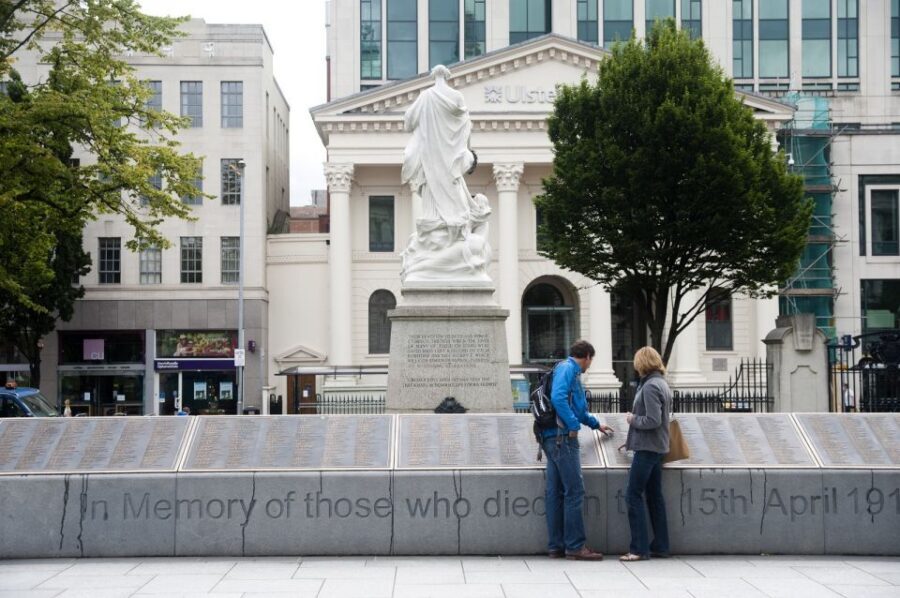
The Titanic theme is a huge reason people come to Belfast, and this trip aims you at the physical starting point: the docks area tied to the shipyard story.
When you’re there, don’t treat it like a single landmark you either love or miss. Treat it like a setting. Look at the way the waterfront connects to industry, and notice how Belfast uses Titanic as a way to tell a wider story about shipbuilding and global connections.
If you have the chance to add the Titanic Museum during your Belfast time, take it. It tends to turn the docks atmosphere into something you can process with dates, artifacts, and clear visuals. One of the strengths of this day trip is that it gives you more than just time for a quick look—you’re there long enough to make Titanic meaningful.
Practical note: the docks can be windy. Bring a light jacket even when the city feels warm. And wear shoes you trust on uneven walkways.
If you’re a fan of maritime history, you’ll enjoy how Titanic becomes a doorway into Belfast’s broader identity. If you’re not a Titanic person, you can still use this stop as a way to understand why this city draws attention from around the world.
Monasterboice: the Celtic crosses and Muiredach’s High Cross
Now we head from shipyards to stone. Monasterboice is one of those places where the silence hits you, because the setting is made for looking up and reading slowly.
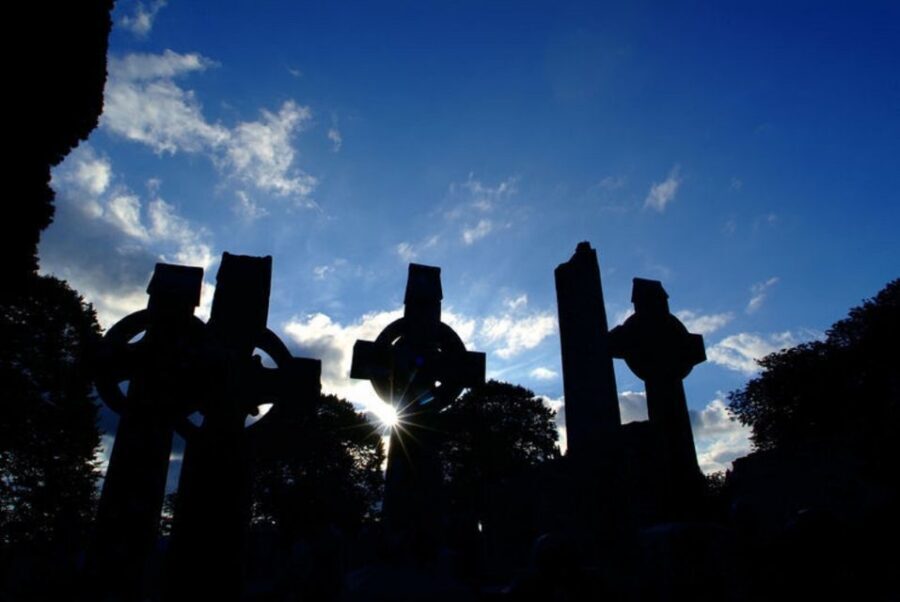
The centerpiece is the Celtic crosses, with Muiredach’s High Cross leading the way. This is the cross known for its biblical inscriptions, and it’s considered the finest example of its kind in Ireland. That matters because you’re not just seeing old rocks. You’re seeing a message carved into public view—old, specific, and meant to be read.
Spend time with the carvings. Don’t rush to the tallest angle. Instead, let your eyes follow the stonework. If your guide points out specific details, use that as permission to slow down. Even if your brain usually skims, here it pays off to pause.
You’ll also see the ruins of an early Christian settlement. The churches on site are thought to date back to the 14th century or earlier, which is part of what makes Monasterboice so atmospheric: you’re walking through layers of time, with the feeling that this place kept being used and changed across centuries.
What I’d do if you like photos: take a few wide shots for context, then switch to close-ups of inscriptions. That way, your memory has both the scale and the detail.
The round tower and the two church ruins: how to pace it
Monasterboice isn’t just about crosses. It also includes the round tower, typical of early medieval Ireland, which helps you place what you’re seeing in a wider architectural tradition. Round towers have a distinctive silhouette, and from the right angles, they make the whole site feel both ancient and oddly tidy.
You’ll also explore two medieval churches, with entrance included. That included entry is important because it means you’re not standing outside hoping someone will let you in. You’re meant to actually experience the sacred-ruin atmosphere, inside the areas your ticket covers.
Here’s the pacing idea: do one slow circuit for atmosphere, then do one second pass focused on what the guide highlights. Stone sites reward attention. If you try to do everything in a single sprint, you end up with only impressions instead of understanding.
Footwear matters because ruins and uneven ground can be tricky. Also, bring water even though the tour doesn’t include food—you may not want to think about logistics when you’re in the middle of looking at carvings.
If you’re visiting in cooler or wetter weather, you’ll likely appreciate the chance to duck into church spaces and keep your mind anchored while the weather changes outside.



The Ulster Ireland and Ulster Britain context: what the guide adds
A day trip like this can feel like a checklist. The difference here is the guide’s framing—especially around Ulster Irish and Ulster British communities.
The tour description highlights that the guides are 100% Irish and take pride in their strong friendships with Belfast’s majority Protestant ethnic British community. In practice, that tends to mean the city commentary aims to be human-scale rather than purely political. You hear how communities lived side by side, and why customs and identity still matter in Belfast.
You don’t have to be a politics reader to benefit. You just need to listen for the everyday stuff: how neighborhoods feel, what people value, and how the city explains itself now versus how it was seen in past decades. Belfast’s modern shift is part of what makes this stop feel hopeful rather than grim.
Balance check: if you strongly prefer history with zero controversy, this may not be your ideal format. But if you want context that feels real, it helps you understand why Belfast feels the way it does today.
Food, timing, and weather: what you should plan for
Food and beverages aren’t included. That sounds small, but it affects how you should handle your day. If you go in hungry, Monasterboice won’t feel as calm as it should. You’ll start rushing because energy dips.
So plan your own strategy:
- Eat before the day starts so you’re not fighting morning nerves.
- Pack water so you don’t have to choose between looking and waiting.
- If the weather looks questionable, dress for it. The docks and the ruins are not places you can escape instantly.
Timing is the other big piece. One booking note that comes up in the overall experience is that being late for departures can create tension fast, because the day runs on a fixed schedule. This is normal for long-distance day trips, but it’s still worth highlighting: you’ll get a better day if you arrive early to each meet-up point and keep your timing tight.
If you prefer a slow, relaxed vibe, you might also want to pick a departure that doesn’t mean an ultra-early start. Some schedules run earlier than others, and not everyone enjoys waking up at the crack of dawn to maximize touring time.
Value for money: transportation, guide, and the Monasterboice entry that matters
Even without discussing a specific price number, you can judge value by what’s covered.
This experience includes:
- Transportation (coach for the day)
- A guide
- Entrance to the two churches of Monasterboice
For many people, that’s the core value. Monasterboice is the kind of place where a guide can transform your experience from spotting stones into understanding what you’re seeing. And getting there from Dublin by your own means usually means more planning, more stress, and more time lost figuring out logistics.
What’s not included is food and beverages. That’s the trade-off, but it’s also a chance to choose what fits your taste and diet. You’re not locked into a fixed lunch.
My rule of thumb for this kind of day trip: if you want Belfast plus an important historic site without spending hours coordinating transport, it’s a good value structure.
Should you book this Dublin-to-Belfast and Monasterboice day trip?
I’d book it if:
- You want a one-day Belfast introduction that actually connects to Titanic rather than skimming past it.
- You love stone carvings and want to see Muiredach’s High Cross in person.
- You prefer a guided flow that reduces planning stress.
- You’re comfortable with a long day and shorter stops over longer stays.
I might skip it if:
- You hate tight schedules and want lots of unstructured time.
- You’re sensitive to long coach days and prefer to avoid road travel.
- You need wheelchair accessibility, because it’s not suitable for wheelchair users.
- You’re looking for a slow-paced food-and-friends day. This trip is designed around sights.
If you’re the type who likes stories you can see—shipbuilding that changed the world, and carved crosses that carried scripture across centuries—this is a smart way to connect those dots in a single day.