REVIEW · KILLARNEY
From Dublin: 3-Day Dingle, Killarney & the Wild Atlantic Way
Book on GetYourGuide →Operated by Rabbie's Small Group Tours Ireland · Bookable on GetYourGuide
A trip like this moves fast, in the best way: calm ruins in the morning, cliffs by afternoon. This 3-day route links Ireland’s spiritual sights with Wild Atlantic Way scenery, from Glendalough to the Dingle Peninsula, then down to Killarney and the Rock of Cashel. You also get a proper local-feeling day in the Gaeltacht, where Irish is still the working language.
Two things I really like about this tour are the pacing and the mix of scenery and stories. First, Glendalough gives you that rare quiet valley moment before you’re back on the road. Second, Dingle Peninsula is planned around standout viewpoints and heritage stops, not just scenic drives.
One thing to consider: your base in Dingle is in small, locally owned guesthouses/B&Bs, often on the outskirts, and you may walk 20–30 minutes to reach pubs and restaurants. Also, lifts aren’t available in these properties, so stairs can be an issue.
In This Review
- Key highlights you’ll care about
- Day 1: Wicklow’s lakes, Adare’s thatched charm, and arrival in Dingle
- Day 2: Conor Pass to Slea Head on the Dingle Peninsula (Gaeltacht day)
- Day 3: Inch Beach, Torc Waterfall, Killarney, then Rock of Cashel
- Where you stay in Dingle: en-suite rooms and the real town radius
- The comfort factor: a 16-seat Mercedes mini-coach and a guide who keeps things calm
- Price and value: what $684 covers (and what you’ll pay separately)
- Packing and timing tips that make Ireland feel easier
- Who this tour is for (and who should look elsewhere)
- Should you book this 3-Day Dingle, Killarney & the Wild Atlantic Way tour?
- FAQ
- What’s included in the tour price?
- Are meals included?
- Are admission fees included?
- Where does the tour start and when does it return to Dublin?
- How many people are in the group?
- What are the age and luggage limits?
Key highlights you’ll care about
- Glendalough’s monastic valley setting with time to linger at the lakes and ruins
- Dingle Peninsula Gaeltacht day with Irish-language culture in the mix
- Conor Pass, Slea Head, Gallarus Oratory as built-in “wow” stops along the coast
- Torc Waterfall (about 20 meters) paired with a short walk near Killarney
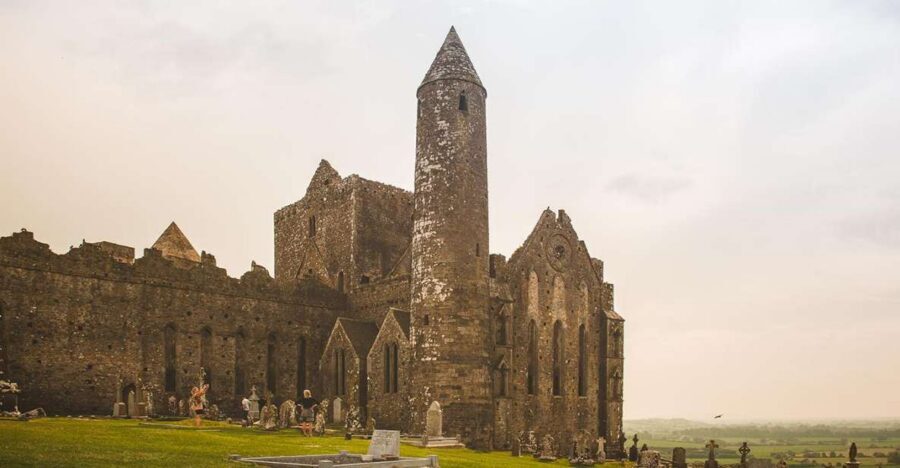
- Rock of Cashel exploration including Round Tower, High Cross, and Gothic Cathedral
- Small group on a 16-seat Mercedes mini-coach for a more personal rhythm
Day 1: Wicklow’s lakes, Adare’s thatched charm, and arrival in Dingle
Day 1 is the kind of day that sets expectations fast: you start with peace, then pick up castles and cottages, and finally end with sea-air and Irish culture. You’ll head south from Dublin through the Wicklow Mountains to Glendalough, one of Ireland’s best-known monastic sites tucked into a quiet valley.
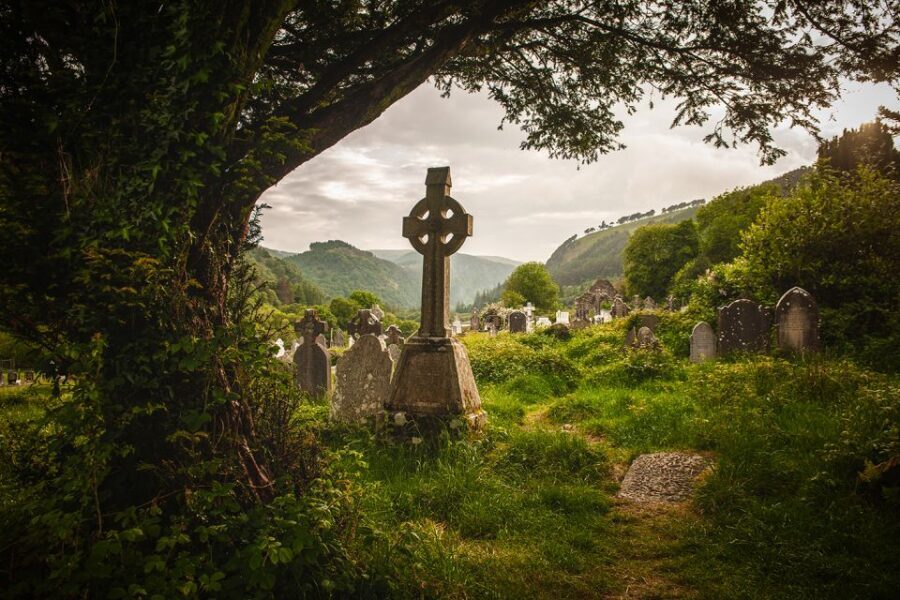
At Glendalough, the best part is the give-you-time format. You’re not rushed through a checklist. You’ll have free time to admire the lakes, then you can pop into the visitor center to connect what you’re seeing with the bigger story behind the monastic city ruins. If you like walking, this is where you’ll want to slow down and take in how the ruins sit against the landscape.
After that, the tour adds a practical lunch break stop at Kilcullen. Even though it’s not the headline attraction, it’s a smart reset point. You’re less likely to feel stuck in the “always driving” mood that can happen on long transfer days.
Next comes County Laois and the Rock of Dunamase with the ruins of Dunamase Castle. This is the kind of stop that works well on a group tour because your guide can point out how the site’s position shaped its importance long ago. It also gives you a break from coastal scenery, so by the time you reach Dingle you’ll feel like you earned the change of scenery.
Then you reach Adare, often described as Ireland’s prettiest village thanks to its thatched cottages and older structures. You can admire the village street scene, and there’s also a Franciscan monastery ruin to round out the “heritage in small-town form” feeling. If you like places where you can wander without feeling like you’re behind schedule, Adare is a good match.
By late day, you’ll continue to County Kerry and settle into Dingle for the next two nights. The arrival matters here: instead of doing a quick “pass-through,” you’re based where the culture and coastline actually live.
You can also read our reviews of more tours and experiences in Killarney.

Day 2: Conor Pass to Slea Head on the Dingle Peninsula (Gaeltacht day)
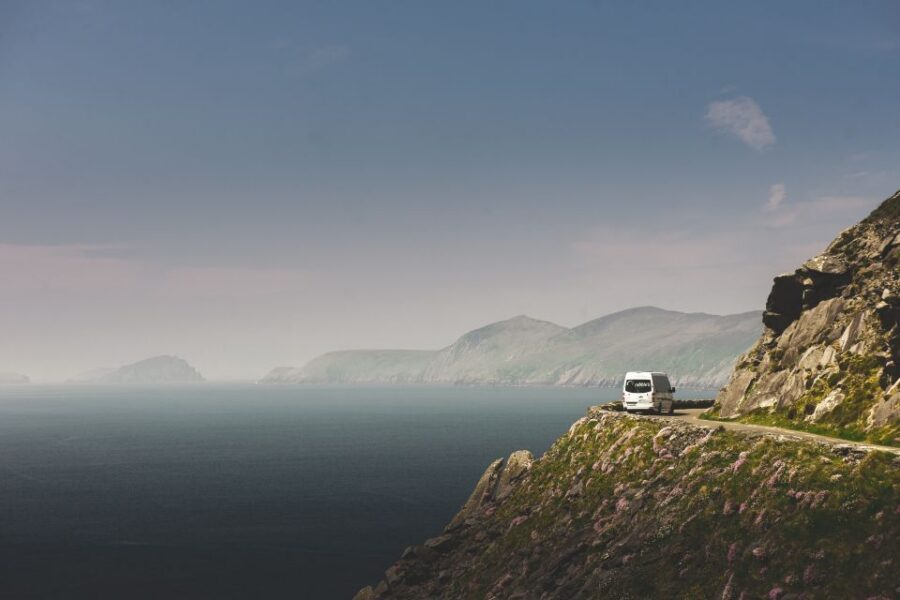
Day 2 is where the tour becomes truly about the coast—specifically the Dingle Peninsula along the Wild Atlantic Way. This is also the day you spend in the Gaeltacht, the Irish-speaking regions where the language is the principal tongue of local people. You’ll feel the difference in day-to-day life more than you would on a pure sightseeing day.
Your route is built around major viewpoints and heritage stops, and you get a sequence that makes sense. You start with big road-and-rock energy, then shift into stops where you can look closely at human history on the edges of the sea.
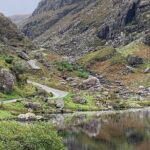
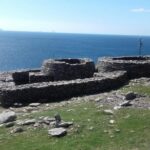
One of the first standout drives is Conor Pass. It’s a classic for a reason: the views tend to be dramatic, and your guide can help you place what you’re seeing in the wider geography of the peninsula. After that, you’ll visit Tóchar Maothaithe and the Beehive Huts—both heritage sites that add texture beyond the postcard coastline.
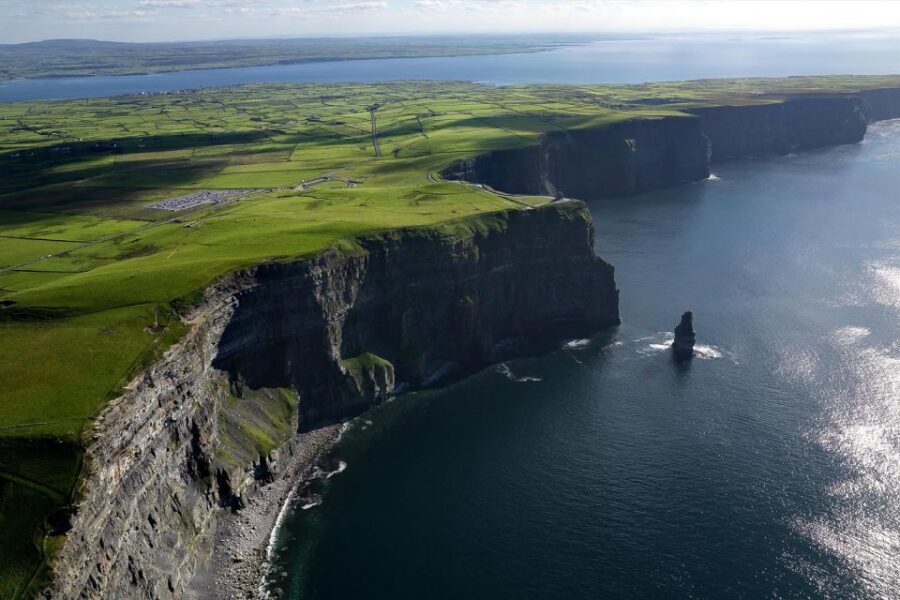
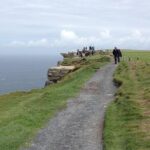
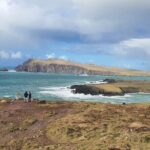
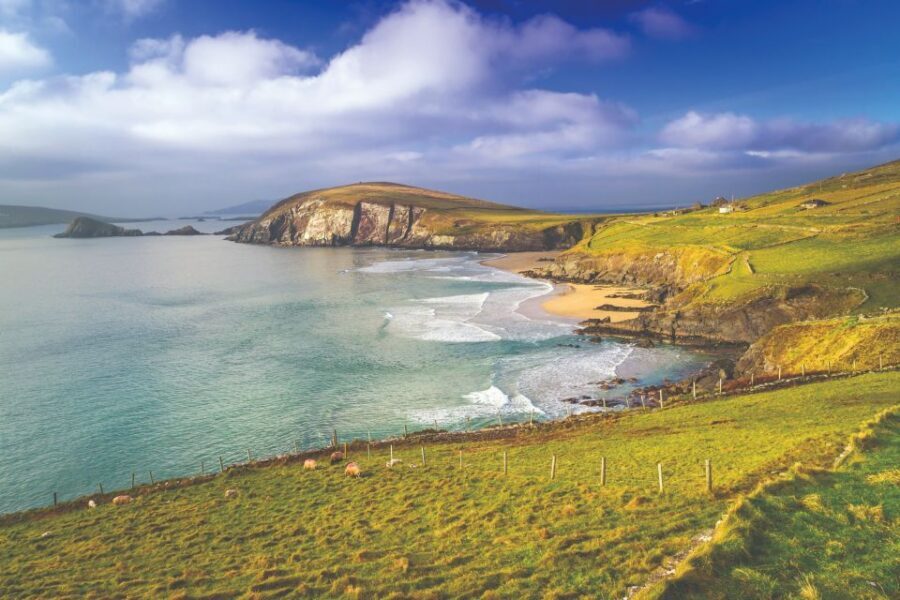
Slea Head is next, and this is one of the places where the coastline dominates your attention. Look for how the cliffs and Atlantic light change the mood as you move. It’s also a good reminder that “the Wild Atlantic Way” isn’t just a brand—it’s a real stretch of ocean-facing terrain with distinct personalities from stop to stop.
You’ll finish with Gallarus Oratory, an early Christian-style stone structure. It’s the kind of site that rewards quiet attention. Even if you’re not a “stone-history” person, it helps you understand how communities adapted to where they lived, especially in a rugged coastal setting.
By the end of this full day, you’re back in Dingle for night two. That matters because you’ll have time to enjoy the town after the tour van leaves you behind.
Day 3: Inch Beach, Torc Waterfall, Killarney, then Rock of Cashel
Day 3 keeps the flow: a coastal taste first, then mountain-and-water scenery, then a big medieval stop before heading home.
You begin at Inch Beach. This isn’t just a random stop. It gives you a glimpse of what’s next—the Kerry Mountains and Killarney National Park—so you’re not going in cold. You can take a short look, orient yourself, and then feel the shift from ocean-surf mood to inland scenery.
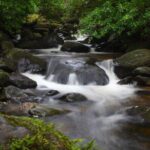
Then you head for Torc Waterfall. This is a strong value moment because it combines a short walk with a proper payoff: the cascade is about 20 meters high, and it’s fed by water that originates high in the mountains. If you’re the type who likes nature stops that you can actually enjoy on a short timeline, Torc is a great fit.
After the waterfall, there’s lunch in Killarney, which is your chance to switch gears from scenic stops to real-town atmosphere. Killarney is lively, and even if you keep it simple—something quick and local—you’ll appreciate the break from bus time.
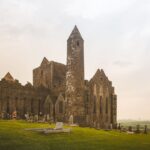
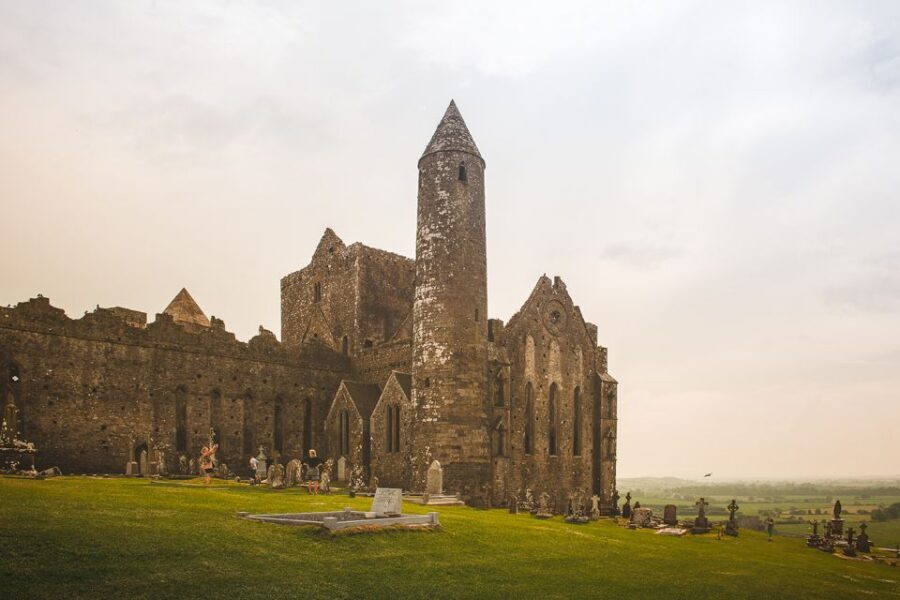
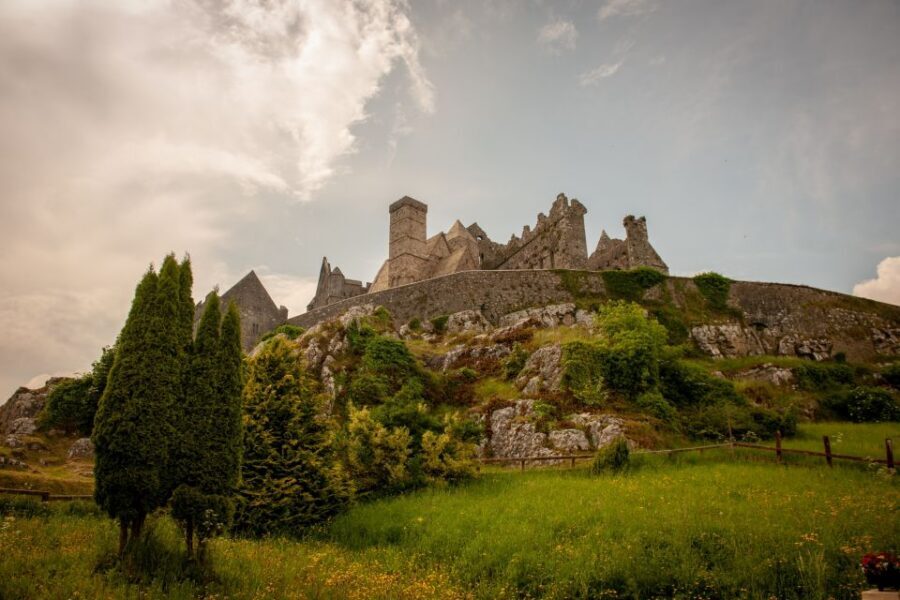
From there, the tour crosses country to the Rock of Cashel. This is one of those places where the destination does half the work for you. A cluster of medieval buildings sits on a limestone outcrop, which means you’re walking around a history site that also feels like a landmark.
At Rock of Cashel, you’ll have time to explore key features: the Round Tower, the High Cross, and the Gothic Cathedral. The Round Tower gives you the early vertical “signal” of the complex, while the High Cross connects you to the symbolic art side of medieval Ireland. The Gothic Cathedral adds a later, more architectural feel—so the site becomes a timeline you can walk through.
Finally, you drive back toward Dublin for an early evening arrival, around 7:00 PM.
Where you stay in Dingle: en-suite rooms and the real town radius
This tour includes 2 nights in en-suite B&B/guesthouse accommodation with breakfast. The big “practical” point is that these are small, locally owned places, and they tend to be on the outskirts of towns rather than in the center.
That means you might do a 20–30 minute walk to pubs and restaurants. For some people, that’s a non-issue and even a bonus. For others, it’s the difference between enjoying the evenings and feeling stuck. If you’re booking with mobility concerns, note that lifts aren’t available in these properties, so stairs may be part of daily life.
Also, the tour’s luggage limit is 14 kg per person (one main piece like a carry-on plus a small personal bag). This isn’t meant to be annoying—it’s about keeping a tight schedule on a small coach without making passengers wrestle with heavy bags at every stop.
The comfort factor: a 16-seat Mercedes mini-coach and a guide who keeps things calm
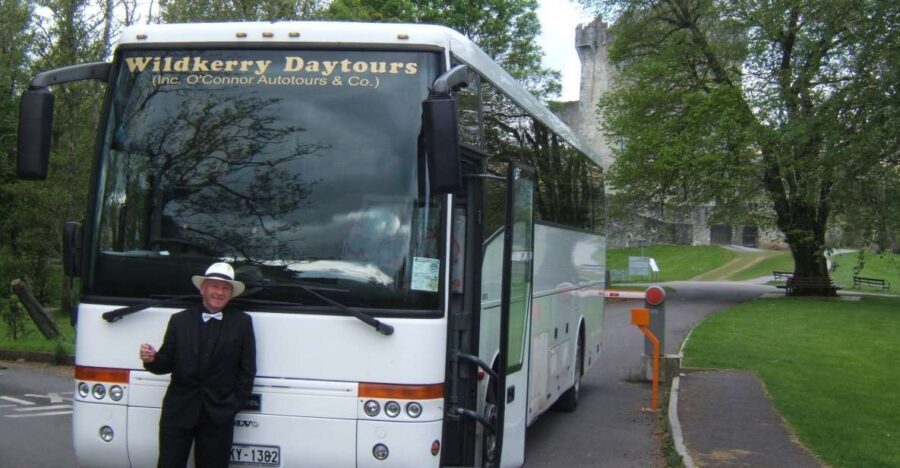
You’ll travel in a 16-seat Mercedes mini-coach, and the group is limited to 16 participants. Smaller groups matter here. They tend to reduce the “everyone scramble” chaos at each stop, and they usually make it easier for your driver/guide to manage timing when roads shift.
There’s also a live English driver/guide on the trip. One of the most praised parts of this experience is the combination of storytelling and safety. People highlight a guide who is accommodating and knowledgeable in a way that feels practical, not lecturing. There’s even mention of challenging weather conditions—so it’s clear the driving stays professional, even when the outside world acts up.
If you want a tour where questions come easily and you’re not stuck staring out a window with no context, this setup is a good fit. The route is complex enough that a strong guide helps you connect the dots without slowing you down.
Price and value: what $684 covers (and what you’ll pay separately)
The price is $684 per person for 3 days. What makes that feel more reasonable than it first appears is what’s included: transportation on the mini-coach, a driver/guide, and two nights en-suite with breakfast.
Meals are not included, and neither are admission fees. That means your actual trip cost depends on how many times you plan to eat out and how often you choose paid entries. Since you’ll be doing multiple heritage-heavy stops, it’s wise to budget for at least some admissions on your own.
My practical take: if you’d otherwise be piecing together Dublin transfers, lodging in Dingle, and a guided day on the peninsula, this package is built to reduce that hassle. You’re paying for convenience, time saved, and a guide to help you understand what you’re seeing.
Packing and timing tips that make Ireland feel easier
Ireland weather loves to change its mind. Even if the day looks fine at departure, you’ll appreciate having layers and waterproof outerwear. For this trip, comfort shoes matter more than fashion, because your time includes short walks like the one to Torc Waterfall.
Also, keep your luggage small and light. The 14 kg limit is strict enough that it’s worth planning around it from the start. Think “carry-on sized main bag,” not “add a suitcase you’ll regret carrying on stairs.”
If stairs could be an issue for you, flag it early. The accommodations are en-suite, but lifts won’t be part of the equation.
Who this tour is for (and who should look elsewhere)
This experience is a great match if you want a guided way to see a lot of Ireland without being a logistics planner yourself. It suits people who like mixing nature stops with heritage sites, and it’s especially strong for anyone who wants the Dingle Peninsula coast plus a Gaeltacht-focused cultural angle.
It’s also ideal if you enjoy small-group travel and prefer a tour that gives you time to look and breathe at certain stops, rather than only “move to the next photo spot.”
If you want a trip with minimal walking, or you need step-free accommodations, the Dingle guesthouses on the outskirts (and no lifts) may be a problem. In that case, it may be better to look for an itinerary with different lodging features.
Should you book this 3-Day Dingle, Killarney & the Wild Atlantic Way tour?
I think you should book if you want the Wild Atlantic Way in a structured, beginner-friendly format that still feels real. You’re getting three very different chapters: Glendalough’s quiet monastic valley, Dingle’s language-and-coast day, and then Killarney plus the Rock of Cashel’s medieval skyline.
The price makes sense when you value what’s included—transportation, a guide, and two nights with breakfast. Just plan for your own lunches and any admissions, and don’t ignore the lodging reality in Dingle (walks and stairs can be part of the deal).
If that all sounds like your style, this is a strong way to see a big stretch of Ireland without feeling rushed or lost.
FAQ
What’s included in the tour price?
Transportation by a 16-seat Mercedes mini-coach, a driver/guide, and 2 nights en-suite B&B/guesthouse accommodation with breakfast are included.
Are meals included?
No. Meals and refreshments are not included.
Are admission fees included?
No. Admission fees are not included.
Where does the tour start and when does it return to Dublin?
It departs from opposite the Kilkenny Shop, 6 Nassau Street, Dublin 2, and returns back to the meeting point around 7:00 PM.
How many people are in the group?
This is a small group limited to 16 participants.
What are the age and luggage limits?
Minimum age is 5 years old. Each person is allowed a maximum of 14 kg of luggage (one main piece plus a small onboard bag).